
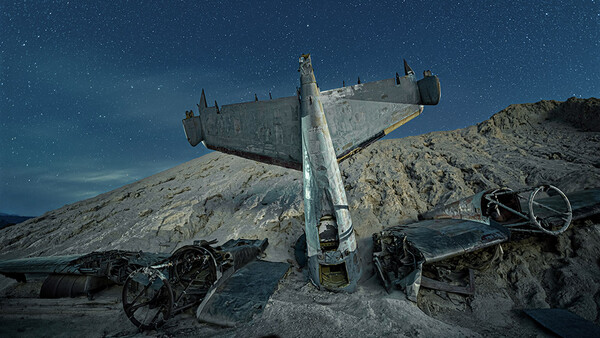
"That's not real, that's AI!" If you post night photos on social media, you've most likely received comments like this before. It's the new way of saying, "You Photoshopped that!" Why do so many people think night photos are fake?
Ten or twelve years ago, I didn't get very many people commenting that my night photos were fake. So what changed?
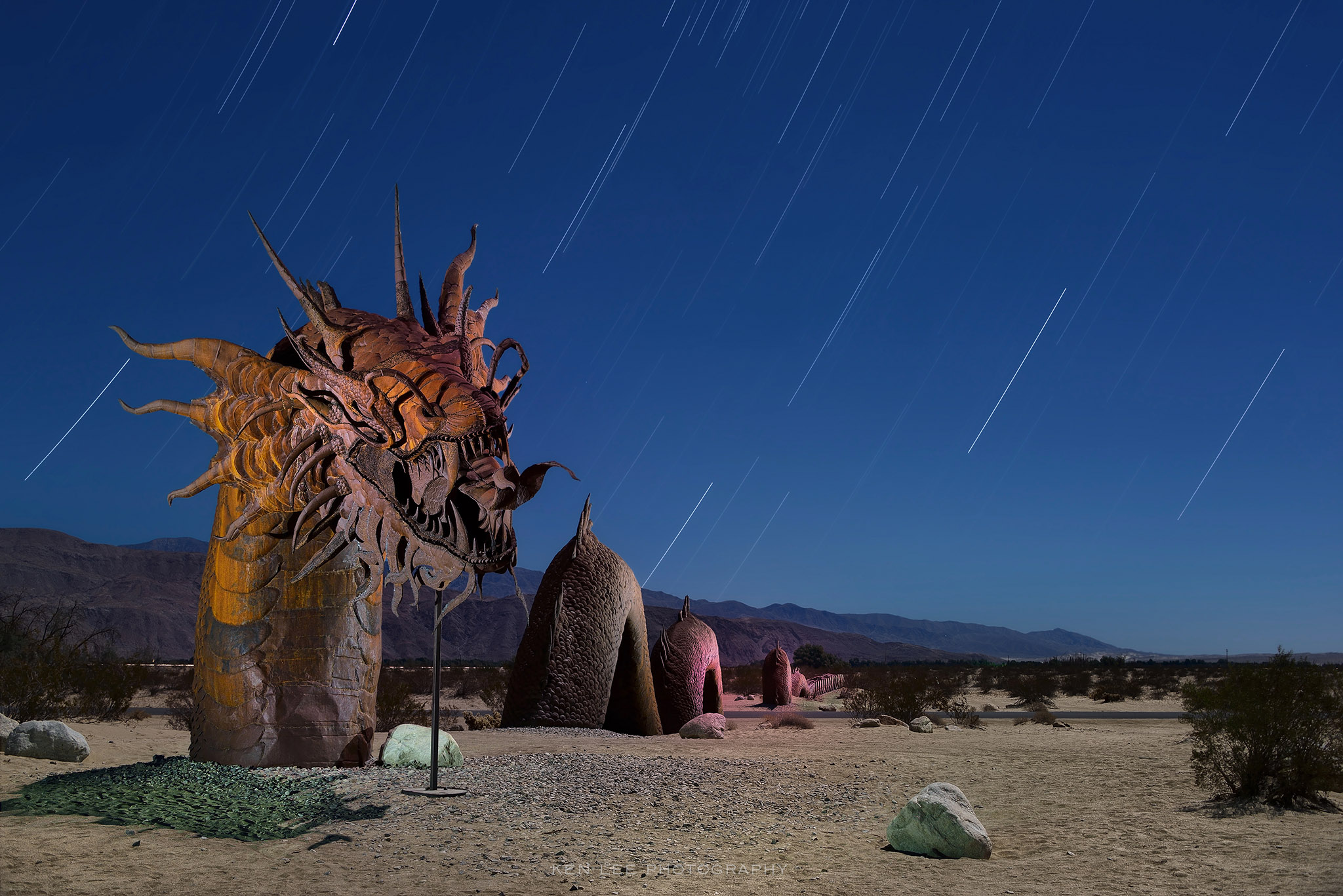
Our Post-Truth World: An Erosion of Trust
Almost everyone can agree that misinformation has increased substantially. This includes the growing dominance of social media—the very place where where most of us now share our night photos. A 2024 Pew Research Center study showed that among U.S. adults who get news from social media, the share who dislike the inaccuracy of the content has grown from 31% to 40% over the past five years. Yet about half of all adults in the U.S. say they at least sometimes get their news there.
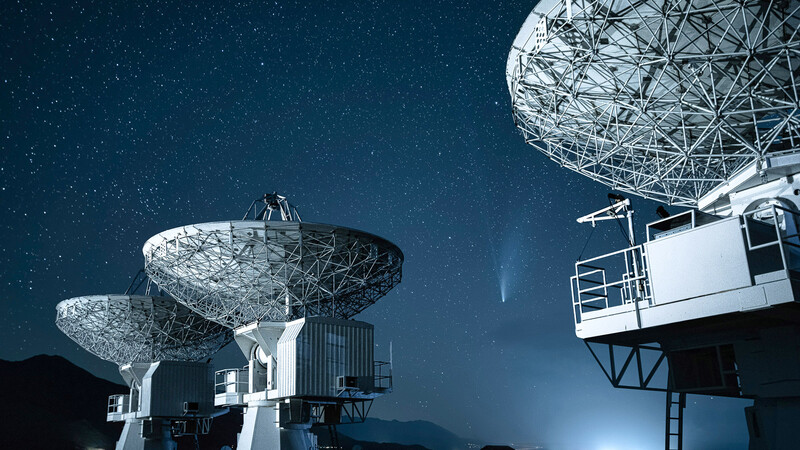
Giving Everyone a Megaphone
Even worse, social media can give almost everyone a loud megaphone. Almost anyone with a social media or Substack account can become a "news" source. And typically, the goal is to get as many eyes to see the content as possible. Outrage is key, and stories that promote this sort of thing get "shared" far quicker than balanced, straightforward reporting. In fact, MIT researchers found that fake news can spread up to ten times faster than true reporting on social media.
I find that many people have difficulty determining what is a good source of information and what is not. And naturally, this situation exacerbates that greatly.
In light of this, it's no surprise that a 2020 Reuters Institute study found that less than half of respondents worldwide trusted the news.
The Deluge of Disinformation Campaigns
Add to that active disinformation campaigns. The Oxford Internet Institute found evidence of organized social media campaigns in over 80 countries in 2020, up from 70 countries the year before. The report noted, "In 62 countries, we found evidence of a government agency using computational propaganda to shape public attitudes." These campaigns seek to manipulate public opinion by "creating disinformation or manipulated media, data-driven targeting, and employing abusive strategies such as mounting smear campaigns or online harassment." We see this on social media through tactics such as fake accounts, the purposeful spreading of propaganda, and more.
With this backdrop, does your unusual-looking night photo even stand a chance of having people think it's real? And we haven't touched on all the reasons why everyone thinks your night photos are fake.
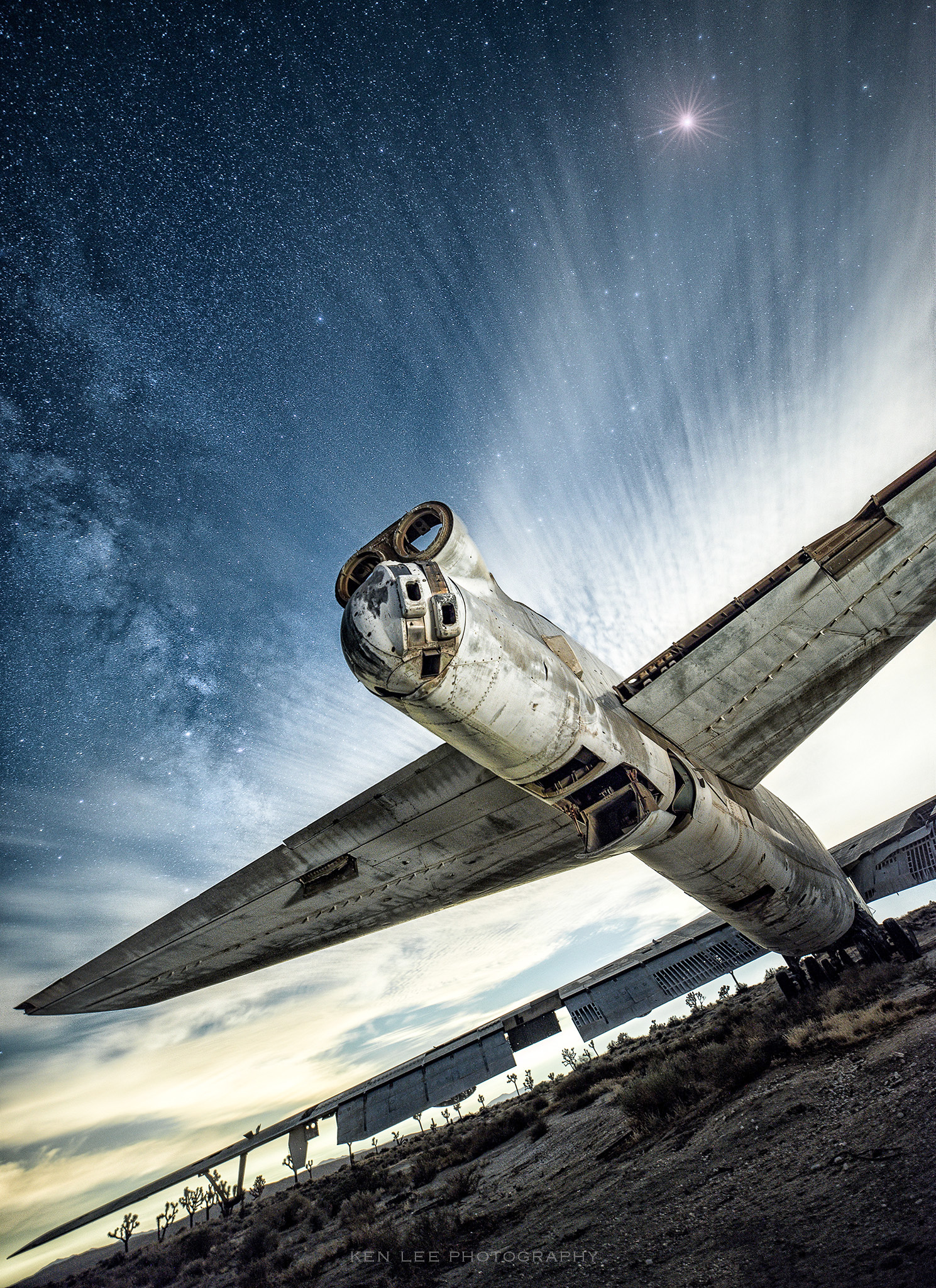
Creating Fake Images Becomes Easier
Just a few years ago, someone might have said, "That night photo has been Photoshopped!" That was the 2020 way of saying, "That's fake." An accusation like this can sting. Someone, after all, is saying that you are lying. Someone is saying that you are purposely trying to deceive people.
And to be sure, some night photos were fake. Some people would swap out a sky for a vibrant Milky Way sky. FStoppers covered Peter Lik's "Great Moon Debate," wondering if the photo had been faked. Photographers wondered whether clouds should be behind the moon (hint: probably not!).
Of course, photographers have created fake images in the darkroom for many decades. The first HDR photo was made in the mid-1800s, after all!
But Photoshop and Luminar made it even simpler to drop in a sky, flying birds, and more, just with the press of a button. People's trust in photos, including night photos, was greatly eroded.
And with that, AI entered the room.
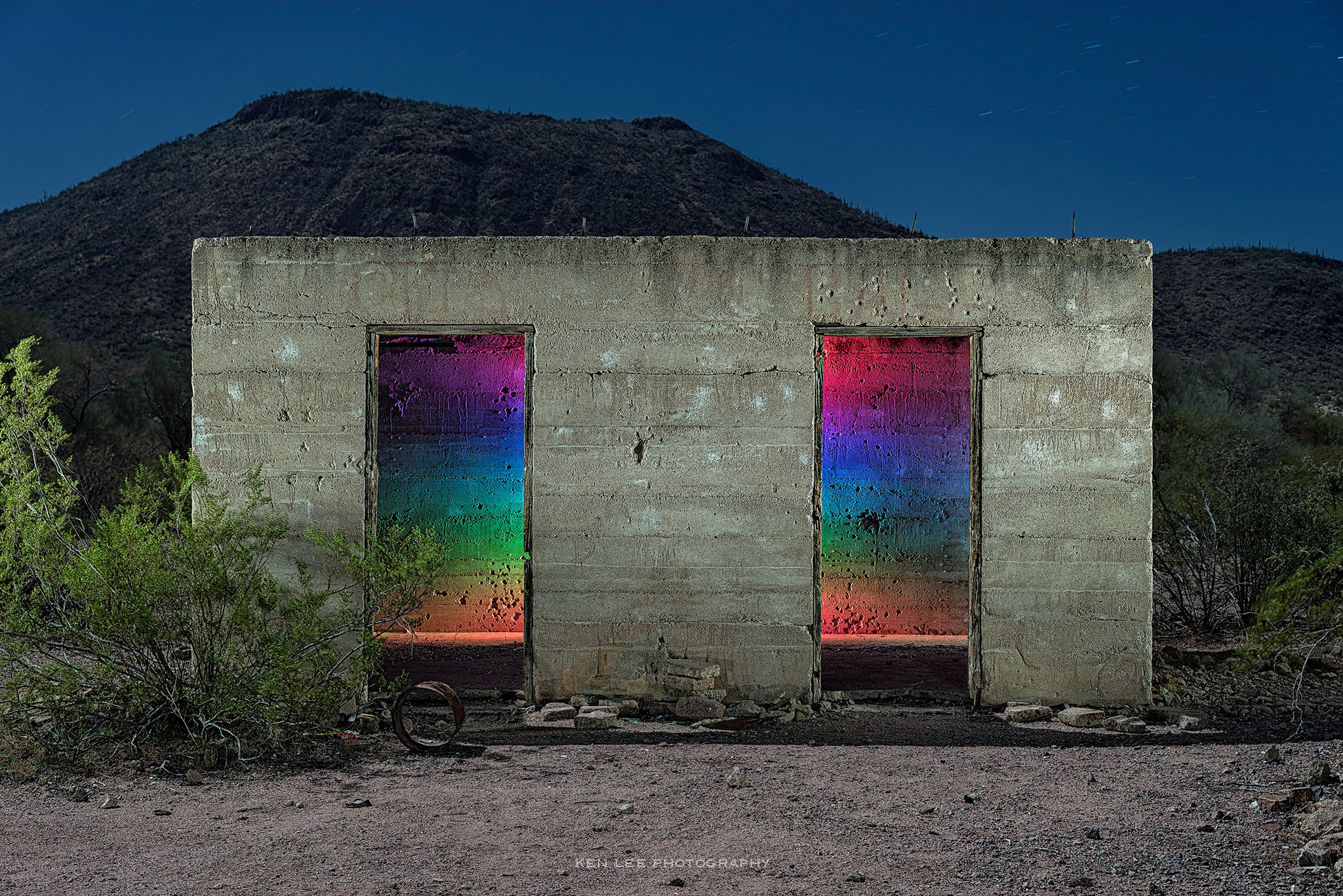
The Emergence of AI
I don't have to tell you how easy it is to create an AI image. With programs like Nano Banana or SeeDream 4.0, it's easier than ever to make reasonably realistic photographs based on photos that you upload. Type in a description or a few keywords, and in a few seconds, you have an image. Sometimes, it's surprisingly good. But it's still fake. And it's still not a photo.

If It Requires Explaining...
...you've already lost half the people. So it is with anything.
For example, if a non-profit organization is seeking donations, an organization such as Exceptional Children's Foundation that serves cute children who have special needs typically has a much easier time than, say, DarkSky International, which has to explain what light pollution is, why it's harmful, why it's bad for the health of humans and animals, and what we can do about it.
And so it is with night photos.
If any night photographer has an exhibit or posts many night photos on social media, they are constantly asked questions like these:
-
Why are your photos brighter than what the night actually looks like?
-
Why can I see colors in your photos when I can't see colors at night?
-
Why is it that the Milky Way never looks like that when I see it?
-
What are those weird streaks of light in the sky?
-
Why does your full moon photo look almost like it's daylight?
-
How can you take a photo when it's dark outside?
-
Why is it that I never see this many stars with my eyes?
-
If you claim to be light painting by walking through the scene, why is it that you cannot be seen in the photo?

So What Do We Do About It?
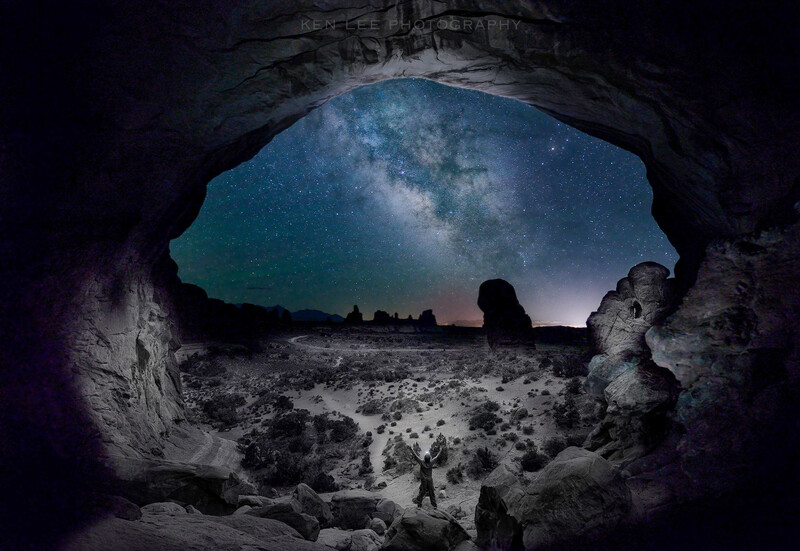
Night photographers are a very small group of people. The best thing we can do about it is provide constant education and, of course, not create fake photos in the first place. Or at least, if creating something that actually didn't exist at the time, such as a composite photo, be upfront with it. Creating fake night photos and passing off AI images as real will only continue to erode people's trust.
Join the Fstoppers community for free
-
Post comments and join in the discussions
-
Browse the site ad-free
-
Share your work and get featured in the community
-
Compete in the photo contests for fun and prizes
12 Comments
Its not just night photographers that get this comment, I had this recently whilst hosting an exhibition in the summer (nature, street and landscape). I tried to explain what editing I had done and why, and why it was not AI, but you get the feeling you are not believed. In general I try to only use AI for noise correction, sometimes exposure correction (when the sky is just too bright, and then a grad filter often works better).
I actually get people who believe that ANY amount of post-processing is “cheating,” conveniently forgetting that film is processed, and giving people like Ansel Adams, who would spend up to eight hours processing a single photo in the dark room, a pass.
It is frustrating, this week we had a storm in the Netherlands and Albert Dros a very well known landscape photographer took a photo of a windmill on the coast. Someone responded that it was AI because there are no windmills near the coastline. The photo was taken on a well known spot in Vlissingen, just use google maps. When I read comments on the NASA instagram page I get the feeling we are being terrorised by dumb people, and dumb people shout the loudest.
Yes, they do.
That’s the “go to” response now. If people dislike or don’t understand something, they can declare it “fake” without further effort. That’s it. Super frustrating.
At one time in history, honesty and integrity still mattered… at least a little bit. President Nixon stated emphatically that people were entitled to know whether their president was a crook. If you couldn’t trust Walter Cronkite to tell you the truth, who could you trust? Of course, news sources of the 1960s were more focused on telling the news, even if politicians supplying the news were lying. With the advent of cable news networks, news shifted toward opinions, which is where the real source of consumer loyalty resided. Give someone an opinion that they want to hear and you’ve got a customer who will never switch brands. And as you say, Ken, everyone with a megaphone is shouting an opinion across the internet, and people who are searching for opinions that suit their needs and beliefs, accept what they hear as fact. Conversely, whatever they hear that doesn’t feel right is fake. It’s all been exacerbated by a president who has masterfully manipulated public opinion by creating his own social media platform, destroying his critics, and accuses everything else not to his benefit as fake news. Fact checkers are worn out, and we’ve reached a low point in public responsibility and credibility. Rock bottom. Both sides play the blame game at the expense of the American people. Much of what you hear within the category of news these days is either an outright lie or substantially deceiving.
So what’s a photographer simply trying to defend his work to do? Be honest, and don’t insult people for asking questions. Professional athletes have a similar responsibility. They’re making exorbitant salaries because of corporate advertising and millions of eyeballs watching them play a game, yet often treat the media like a disease for asking uncomfortable questions. If you want to work in a public space, and that includes social media, accept the questions and respond honestly. You can answer the most common question of why your picture doesn’t look that way in real life, by saying that your camera sensor picks up details that eyes are unable to see. You can’t see the Milky Way because of light pollution, but it’s still there, which is what our photograph is trying to show you, much like the Hubble Space Telescope shows you things you can’t see with the naked eye. In fact, that’s been one of photography’s greatest distinguishing features since it began competing with fine art forms such as painting. Edward Weston and others pointed out in the early 20th century that photography could show details in a print that the human eye could not discern. Photography is great because of precisely what you’re showing us in your night sky photography. You just need to explain what your photo represents to those who ask, or take the other path and get out of social media if you can't tolerate the questions.
Well thought-out comment. Living in a “post-truth” society where many are virulently anti-science, and don’t trust scientists, virologists, teachers, investigative journalists, historians, and others doesn’t help.
And people readily attempting to manipulate the truth doesn’t help either. Disinformation campaigns are enormous now.
Good photo, by the way.
Huh?
Consider reading the article again, and if you require clarification, please ask. Thanks.
Never had that problem. hate these posts saying "stop" or you are not doing it right, just get out there and prey for great light. Have at er as we say in Canada.
Night photos in particular have always been something of a curious phenomenon, because they take advantage of what a camera can do that our eyes can't. With most long-exposure night photos, the photographer can't even claim "that's what it really looked like" because long-exposures open up views we could never naturally see. In the past, there would have been no other way to create these images, so most people would have to assume it's some type of photo, even if a degree of "trickery" was involved. The difference now is that people know computers can do just about anything, so there's no reason to assume these surreal scenes are just actual photography.
Yes, good point. because they show color when darkness looks monochrome, night photos already look "strange" to many. Add to that having more stars show up in a photo, or star trails, or any of that, and they look suspicious to some. I touched upon this in the article, but I'm glad you elaborated on it, thanks!