5 Photographers That You Don’t Want to Be
There’s no single sure way to being successful as a photographer. However, there are a handful of examples around that definitely teach you what not to do if you want to attain success.
Below are the most bookmarked articles by our members.
There’s no single sure way to being successful as a photographer. However, there are a handful of examples around that definitely teach you what not to do if you want to attain success.
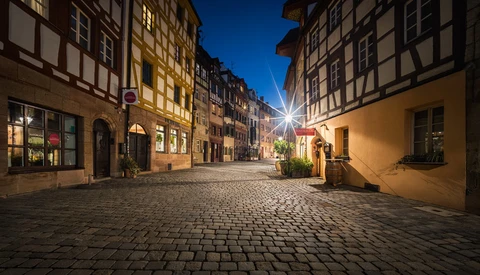
As you've learned in a previous article, a great time to photograph cities is during blue hour. But the blue hour often lacks dimension and depth in the sky. If you're lucky, you'll have some clouds that provide structure. But if you have a clear blue sky, it'll often appear flat. In this article, I show you a trick you can use to make such a sky more interesting and improve your blue hour photos.
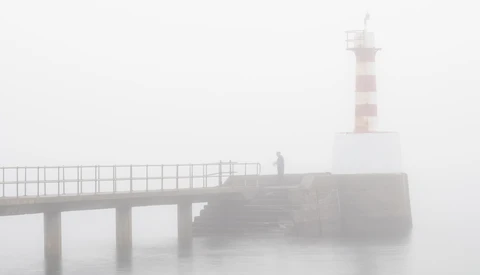
Your mind plays clever tricks, helping you make sense of the world. It creates imaginary groups and lines. So, understanding how that works will lead you to take more compelling photographs.

"Collabs" are the new currency between aspirant photographers and content-pressured models. Both parties are looking for scroll-stopping images to gain attention as they rise up in their respective industries. What happens when the images don't measure up to the expectations? Are models expecting too much from growing photographers who are shooting for free, or are photographers hyping up their skills and not delivering?
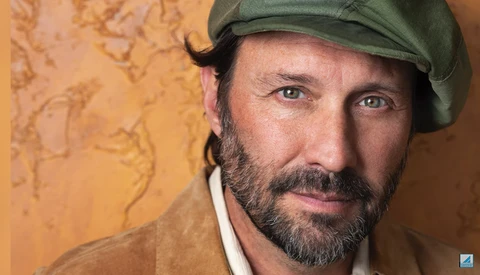
Knowing how to balance flash and ambient light is one of the most crucial skills a portrait photographer can have, as it will give you the ability to shoot in just about any environment with full creative and technical control. If you are newer to working with artificial lighting and want to learn this skill, check out this fantastic video tutorial that will show you how to balance flash and ambient light for better images.
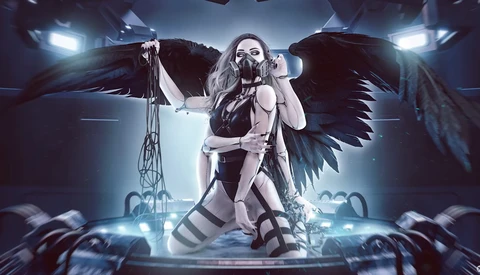
Adobe Photoshop is one of the most complex and malleable tools in a photographer's arsenal. With many fatigued from the debate over whether an image is edited or not, perhaps you want to weave in some magic to your shots.
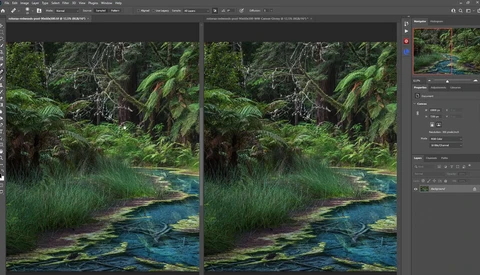
I take photos to get them printed to either hang them in my apartment or sell them to customers. And while it's important for me that those prints appear sharp and detailed, it's crucial to get a correct representation of the colors and contrasts. To achieve this, a process called soft proofing should be used during print preparation whenever possible, and in this article, I show you how to do it.
One of the things the pandemic taught us is how important it is to diversify one's income streams, particularly when events entirely outside our control can put those streams in serious jeopardy. The nice thing about photography, though, is that (depending on your genre at bit, admittedly) there are a lot of ways to make money from images besides simply shooting for a client who then pays you for your services. This great video essay features an experienced photographer discussing the importance of income streams.

Photographing cars and motorsport is a unique and exhilarating genre of photography, here are 5 good reasons you should try it.
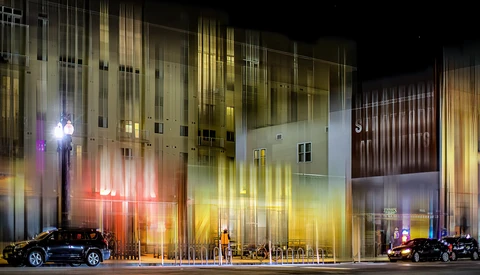
Coloring outside the lines is a good metaphor for when a photographer decides to take a leap outside the norm in a photographic genre.
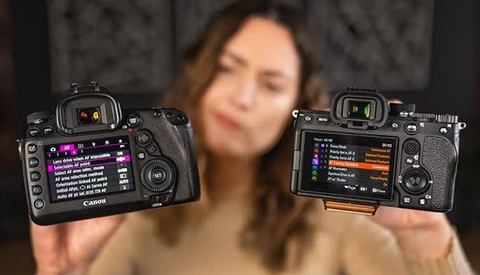
Sharp images are the desire of every photographer, but there are many factors that can derail that pursuit and leave you with frustratingly soft photos. If you are struggling to get crisp shots, check out this helpful video tutorial that discusses six reasons your photos are not as sharp as you would like them to be and what you can do to fix those issues.

Night photography can be technically daunting. Even with modern cameras, it's not easy to capture high-quality night photos. While photographing the stars already requires high ISOs combined with wide apertures, capturing details in the landscape is even more difficult in the dark. In this article, I walk you through my night photography workflow, which combines image averaging with time blending and focus stacking to achieve high-quality results.
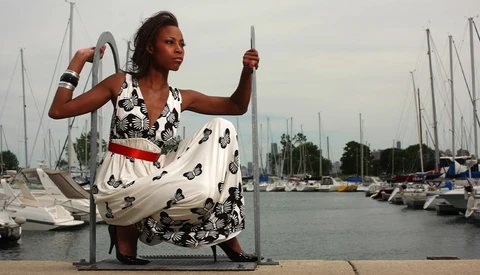
Creating a successful portrait photograph takes knowledge of lighting, posing, proper camera settings, and a lot more. A good composition brings it all together, though with a person as the main focus, you have to make some special considerations. This helpful video tutorial discusses seven common mistakes photographers make when composing portrait images and how to fix them or avoid them entirely in the first place.
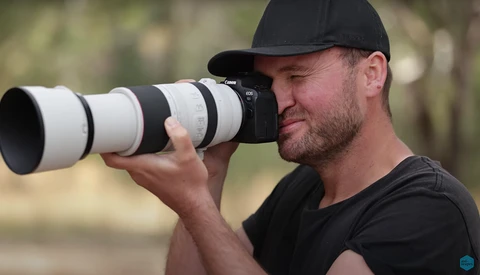
The default behavior of pretty much every camera is to activate autofocus through a half-press of the shutter button. This works perfectly well for most scenarios, but you can often improve your experience and hit rate by using a different method: back-button autofocus. This helpful video will show you why it is so useful and how to take advantage of it.
Running a photography business is challenging and earning your first client can be tough. In this article, I will show you how to charge for photography in the three stages of a beginner photographer's career.
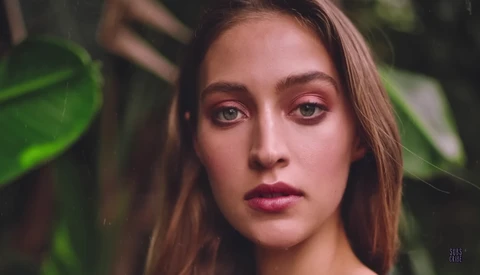
When it comes to creating a professional-level portrait, knowing how to light, pose, and photograph your subject is only half the battle. A great portrait also needs a strong edit to be complete. This excellent video tutorial will show you how to edit a portrait from start to finish and show you some helpful tips along the way.
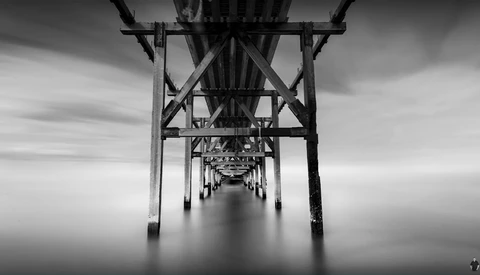
Few images are more iconic in landscape photography than the long exposure of water. It is about a lot more than simply throwing an ND filter on the front of your lens and going to town, however. This great video follows a photographer as he shoots and edits a long exposure of a seascape and offers a lot of helpful insights into and tips on his creative decisions and process.
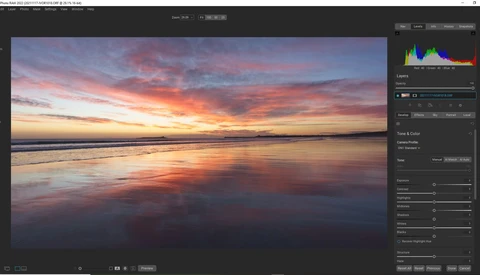
Calling raw handling software a "Lightroom Killer" is a cliche. Nevertheless, this powerful suite of tools is starting to overshadow the Adobe Photographer's Plan. It is now posing a real challenge to Lightroom and Photoshop. ON1 Photo Raw has another update, and now it offers everything most photographers need. It's why I've said goodbye to Lightroom and Photoshop. Will it tempt you too?
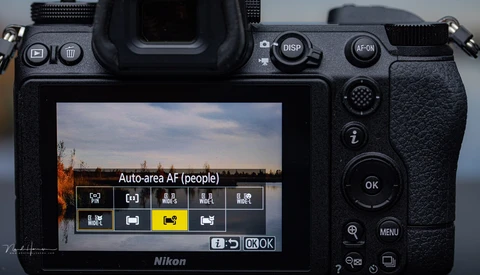
The modern autofocus systems are advanced. Sometimes, it looks like you will never again miss a shot when it comes down to focusing. But the autofocus can still fail under certain circumstances. Let’s look at the moments when even the most advanced autofocus can give up.

Most expensive lenses include a lens hood. For the cheaper lenses, you have to order a lens hood separately. Is a lens hood so important you have to use it, or can you do without such an accessory? Let’s look at lens hoods a bit in this article.
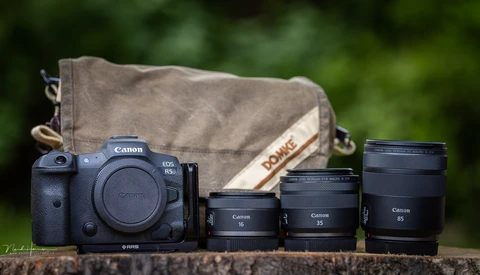
Canon has a lot of amazing but expensive RF lenses. If you can’t afford these L lenses or don’t want to spend that amount of money, you can also choose the more affordable versions. I took three primes on a trip to France to find out how they perform in real life.
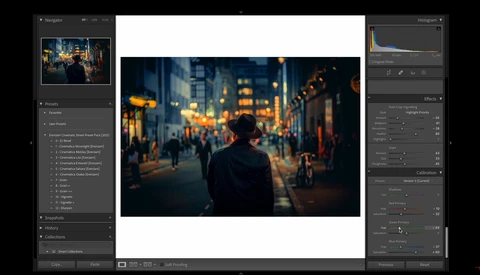
Cinema has perhaps the most thoughtful post-processing workflow of any visual medium, and so there is a lot that can be learned from it. In this video, learn how to make your photographs look more cinematic using just Adobe Lightroom.

The beauty of artificial lighting is that you can create fantastically creative and compelling shots that simply would not be possible with only natural light. Using a snoot and gobo is one such possibility, and this excellent video tutorial will show you how one photographer lit, shot, and edited such images using them.
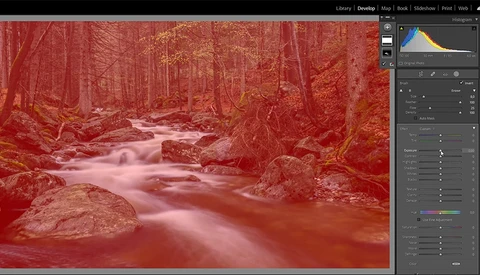
I've never been a huge fan of photo editing in Lightroom. In the past, I used it to organize my photos and for basic raw processing. But since the introduction of the new masking feature, I do a large part of my post-processing in Lightroom. Here, I share two videos, in which I show how I use Lightroom masks.
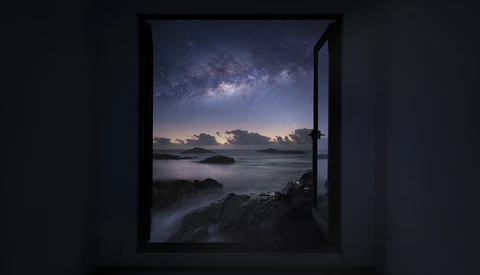
What urges you to travel, hike, and camp out for landscape photography? How do your emotions affect what you shoot and how the output turns out?