Avoiding the Hidden Traps Set for Creative Photographers
Are you a creative photographer? If so, there are pitfalls that we can avoid. Some are of our own making, while more are set by others to deliberately ensnare us.
Are you a creative photographer? If so, there are pitfalls that we can avoid. Some are of our own making, while more are set by others to deliberately ensnare us.

I’ve been in the game for a little while, and along the way, there have been a few "new" things. New flashes, diffusers, scrims, softboxes, continuous light panels, LED wands, animated photos, cinemagraphs, mirrorless cameras, the list goes on and on, not to mention Photoshop and Lightroom, which update more often than I wash my sheets.
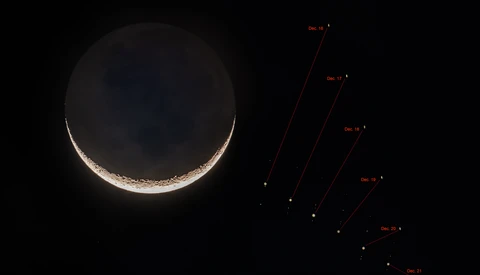
Time flies by. We’re already into February. Have you got your astrophotography planned out for the year? For astrophotographers, knowing what’s up in the sky and planning is the key to getting an interesting shot.
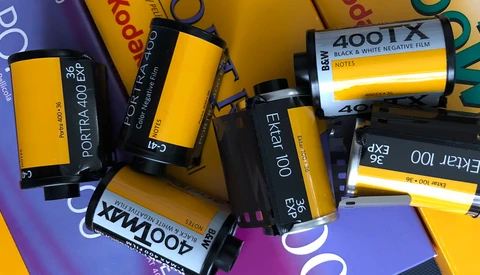
Kodak has a history of being a leader in the market of film and then seeing to its demise. I would argue this graph tells us Kodak is back on the path of self-destruction and (some) other film manufacturers are following them.
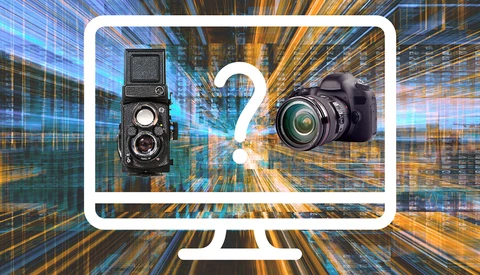
Many of us spend hours of our lives reading gear reviews, checking rumor sites, getting excited about a new camera or computer releases, and generally keeping up to date with the technology behind modern photography. Some believe that by staying up to date with new technology we can make better-informed buying decisions and potentially get better at our craft.
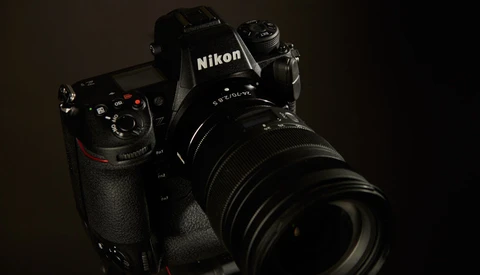
Is it possible that gear that costs you more can end up costing you less? Let’s explore.

Fifty years since the radical Olympus OM-1 SLR first appeared, the new OM System OM-1 is announced. It looks like another giant leap forward for photography.
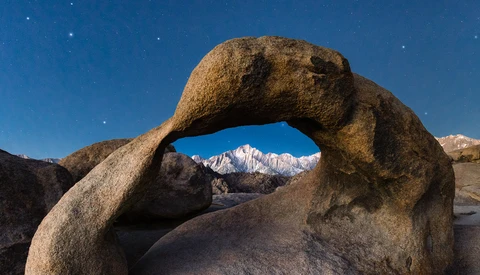
Trying to capture a perfectly balanced shot during blue hour has its challenges. These three tips will have you capturing more successful images for your portfolio.
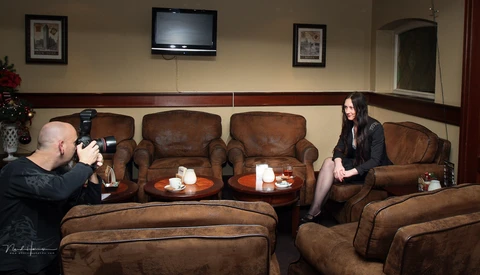
Often, I read about natural light photographers who prefer a high-ISO setting above the use of flash. The latter is considered unnatural and unflattering light. Perhaps that photographer should consider the benefits flash can offer without the sacrifice of a natural-looking photo.
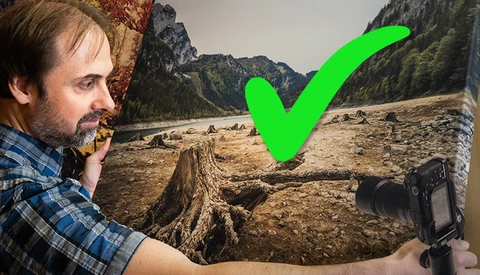
How many megapixels do we need? What do we have to consider already out on location, that we are able to print big afterward? How do we choose the right printing material, and how can we be sure to get the best possible printing result in the end?
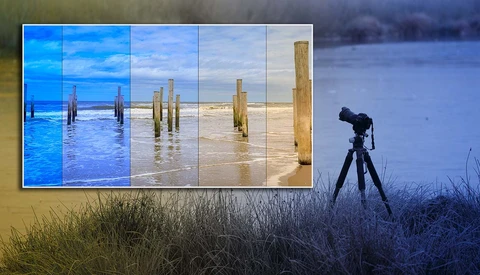
If you look at your camera, you will find a button to change the white balance. You can choose either auto white balance or one of the other predefined settings. But it is also possible to set the color temperature itself. Is there a difference between color temperature and white balance?
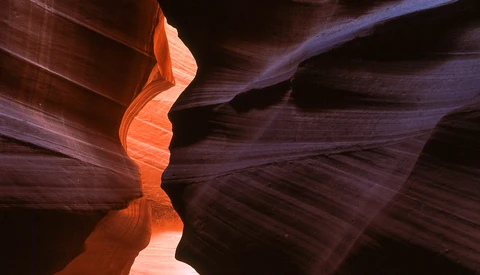
If you are first starting in photography, this quote by the famous photographer Henri Cartier-Bresson might seem outrageous or overly harsh. But as someone who has taken at least 10,000 photos, I can tell you that there is a lot of truth to this, and more importantly, this idea can be freeing.
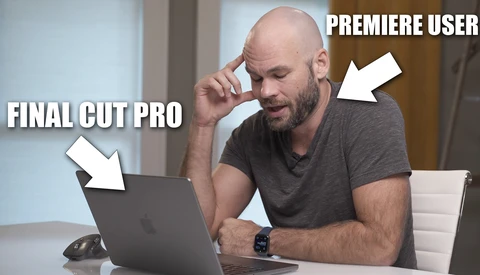
I've been editing exclusively with Adobe Premiere for over 12 years now, but today, I decided to give Final Cut Pro a try on a real project. Final Cut impressed me.
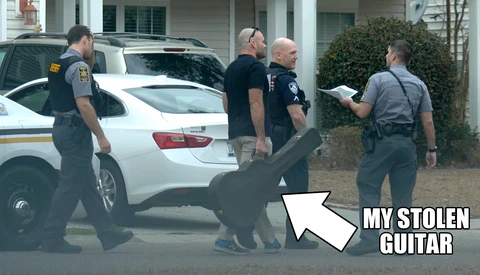
Warning: although Photoshop was used to identify the guitar, this isn't really photography-related, but this story is too good not to share.
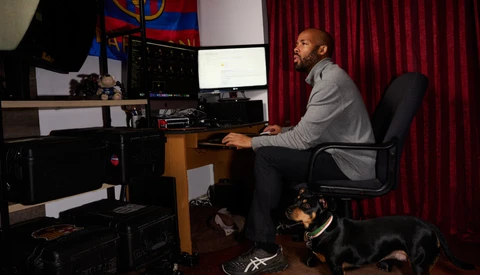
Amid a busy week, I figured I’d share a few brief thoughts on why it’s important to keep moving forward and why it’s just as important to sometimes remain still long enough to see where you stand.
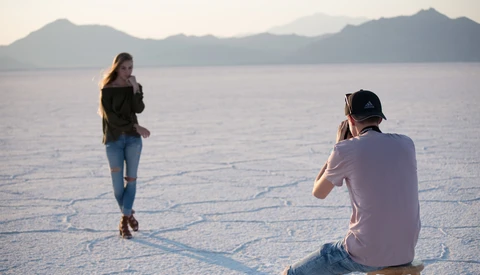
When it comes to portrait photography, it is not uncommon for photographers to have a focus on the technical aspects of their craft. However, what if the secret ingredient of portraiture is more than just nailing a technically perfect photograph? Portraiture is all about the human subject and displaying their authenticity with each photo taken. The hidden ingredient that ca
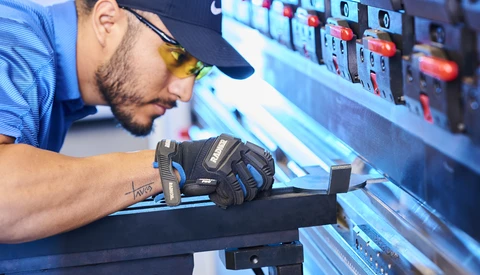
An industrial photographer is someone who photographs the people and the products associated with multi-million dollar companies that make machines and tools for industries such as power and electric, trucking, and construction.
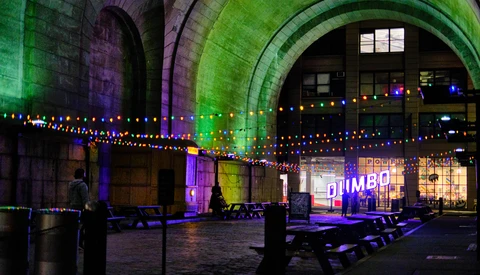
My first camera was a Minolta SRT-101. I loved that camera. It was an excellent tool for learning about photography and manual exposure. As it was completely manual in operation, the internal meter was my only guide for achieving correct exposure, outside of using an external source or just guessing.
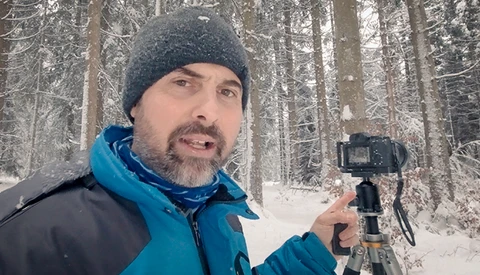
Have you ever been out for landscape photography and didn’t get weather conditions that would support your compositions? Here are a couple of ideas you can try.
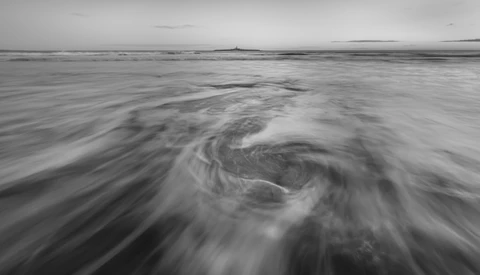
When we shoot photographs, we may or may not want to increase the appearance of depth in the image. Many more tools than depth of field are available to us. Here are some things we can do to add or decrease perspective.
Creatives love and hate Instagram. While everyone is on it, very few enjoy being there. The platform is constantly changing the way it prioritizes work, as well as banning creatives without any reason. I was one of the unlucky many to experience such a ban. It was worse than I thought.
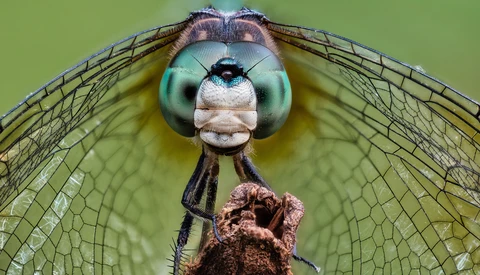
Frank Döring is an architectural photographer based in Kentucky, USA by way of Frankfurt, Germany. He also focuses on personal documentary projects with a focus on the Anthropocene.

Photographing landscapes is easy. After all, landscapes are everywhere. Choosing a good composition is often much more difficult. It can be helpful to take small steps, slowly building up the most attractive composition. Let me show you how I often work for my landscapes.
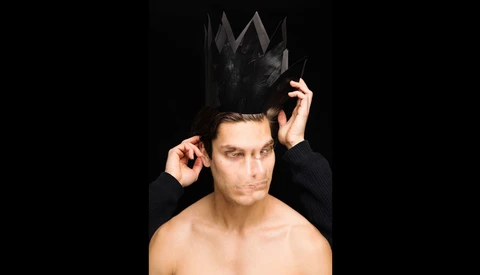
As creatives, we are often focused on just that: creating works that help us relate to ourselves, others, or the world around us. Unfortunately for some, this means that creating takes precedence over some other tasks.
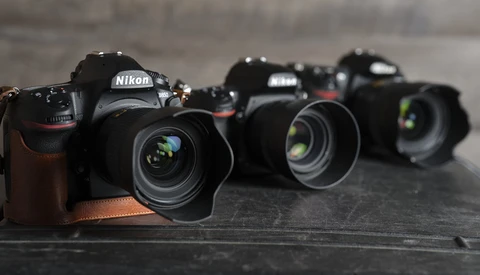
Logic and emotion don’t always mix. In this article, I’ll tell you about one such moment for me.