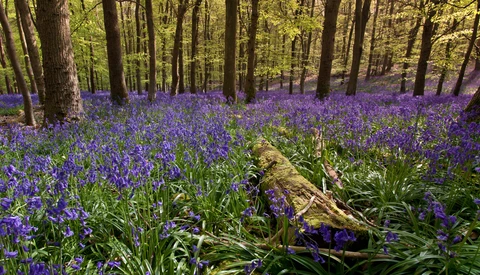
A Mantra for New Photographers to Live By
Something I muttered to myself one cloudy afternoon on my garden ended up being a mantra I have had with me for over a decade.
Something I muttered to myself one cloudy afternoon on my garden ended up being a mantra I have had with me for over a decade.
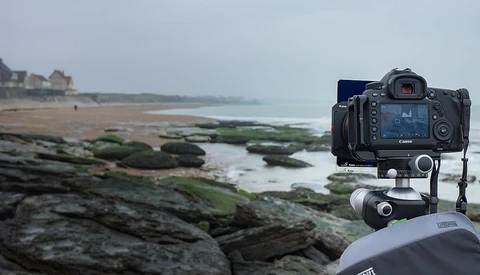
We planned a few days at the Opal Cast in France, a wonderful seaside area with rocky coasts, large tide differences, and a lot of remains of the Second World War, that has shaped the landscape many years ago. The forecast promised fantastic weather for landscape photography, so we had high expectations for impressive sunrise and sunset shots, and perhaps even a few star trails.

Earlier this week, the European Parliament voted to make huge changes to copyright legislation. The new directive could mean that Instagram will finally have to address the vast amount of freebooted content that proliferates on its platform.
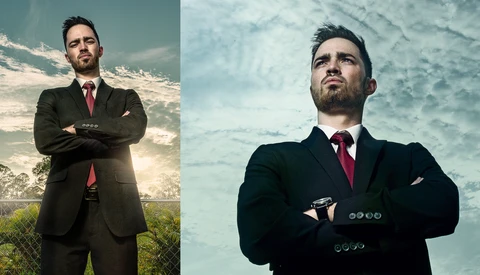
What happens when the sun is setting and you want to get a balanced exposure of the setting sun in the background and your subject? The reality is you can't without the use of a strobe and high speed sync. In this article, I’ll share with you how I was able to get a perfect exposure on my subject and the background using high-speed sync.
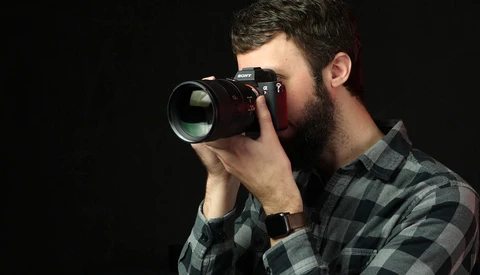
Sony in part led the way for highly customizable cameras that are commonplace on the market today. While there are many different ways to set up a Sony, these are my top three custom settings that I share with you today.
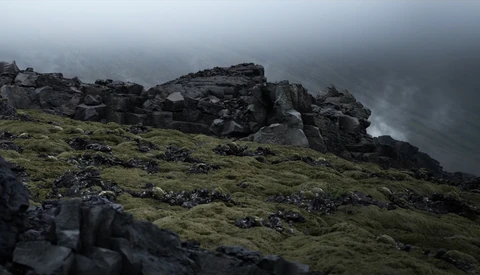
There was a time when this question would have been laughable. Now, if you laugh it off, you're either in a a specific niche that dodges renders or computer generated imagery (CGI), or you don't understand the problem.

Once again, a small personal moment has caused me to reflect on a larger picture.
I cleaned my house this weekend. And, yes, I realize the previous statement doesn’t quite qualify me to be knighted by the Queen. But, as a confirmed bachelor and well known indiscriminate sock thrower, it was quite an accomplishment.
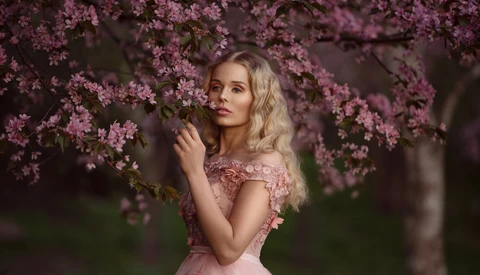
The Fstoppers community is brimming with creative vision and talent. Every day, we comb through your work, looking for images to feature as the Photo of the Day or simply to admire your creativity and technical prowess.
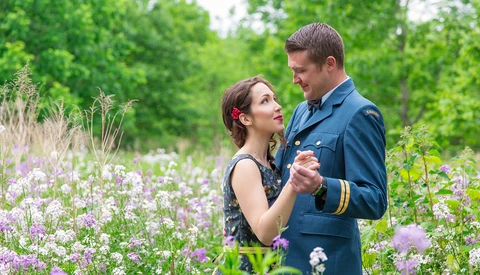
Spring is finally just around the corner (at least in the Northern Hemisphere). This is the perfect time for me to wrap up my detailed review of the tips booklet I used to provide to my couples for their engagement sessions.
As I explained, my engagement prep booklet covers:
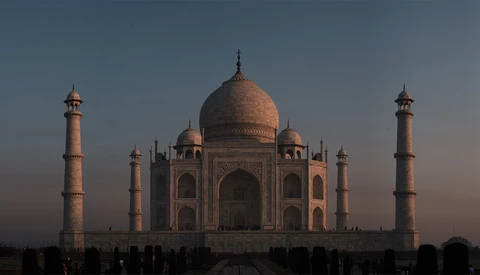
I would hazard a guess that most working photographers will tell you that talent has very little to do with a successful photograph. Somewhere along the way, you've probably heard the words “Genius is one per cent talent and ninety-nine per cent hard work.” It's that hard work that brings about good photography.

All photographers can agree that you won't stay in business long if you do not charge for your work. But what if I told you that the best way to gain exposure to high-paying commercial clients was to give away your images for free? Today, we sit down with commercial and composite photographer Josh Rossi and explore the concept of free.
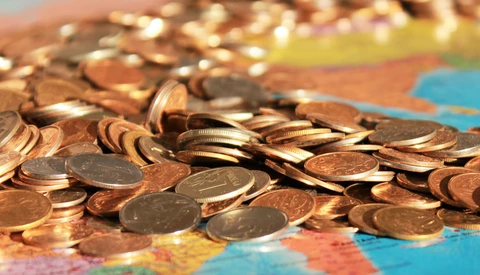
It’s the height of tax season, and an odd thing just happened to me. I was at my accountant’s office filing my business taxes for 2018 last week, and she said to me, “Wow. I have a lot of photographers as clients, but most of them aren’t making a living.
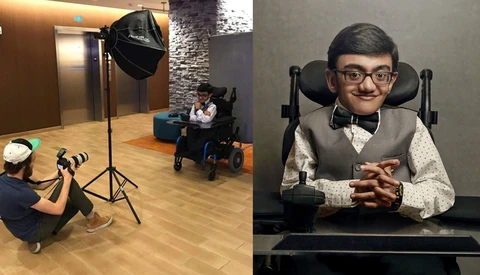
Do you ever get the opportunity that you just can't let slip away? In this quick behind the scenes breakdown, see how I shot a portrait of inspirational speaker and renowned musical prodigy, Sparsh Shah.
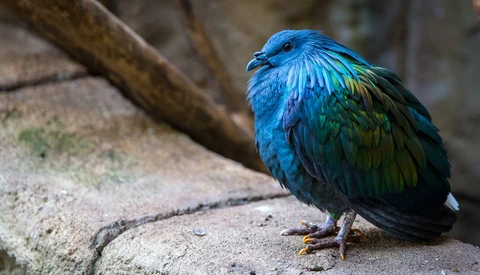
The internet can be a tough place to share your art. Some people love to judge. While it may make sense turn off your ears completely but in doing so you might miss opportunities to improve your photography.
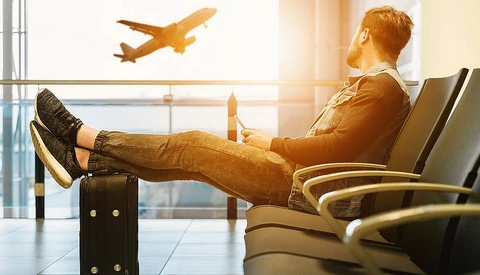
Air travel is a fact of life for jobbing amateur and professional photographers alike. At some point you need to stuff your gear in a bag and get on a plane. Here are my top 5 rules for air travel.

I enjoy taking headshots for people, and I shy away from the commercial, copy-paste, white background styles where the deliverable image is straight out of the camera. However, last month, I combined my preferred style of headshot with the number of subjects you'd typically see with a large corporate, straight-out-of-the-camera shoot. Here's what I learned.
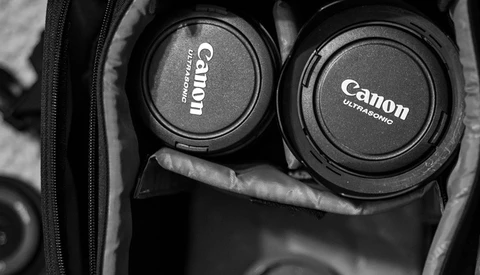
It turns out that an avant-garde camera technique from the 1960s has found its way back into the hearts of today's Instagram generation of photographers. Lens capping is the act of purposely creating an extreme underexposure (EUE) by leaving the lens cap on.
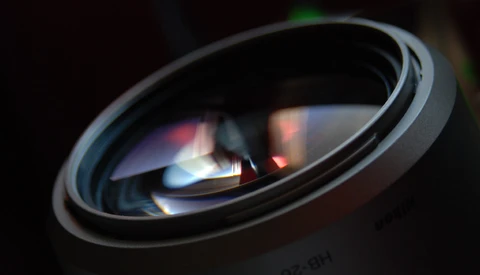
We dream of huge apertures that can give us incredible subject separation and whip up the world’s creamiest bokeh. Imagine my excitement when I was invited to spend an hour playing with the world’s first f/0.35 50mm autofocus prime lens, a lens so secret that I can’t even tell you the mount, never mind who makes it. Check out the amazing images that this lens can produce.

Last month I asked readers to share their experiences of working for Kodakit. The responses have been mostly positive but with a few caveats. You can expect to shoot (and eat) a lot of food, but is it worthwhile?
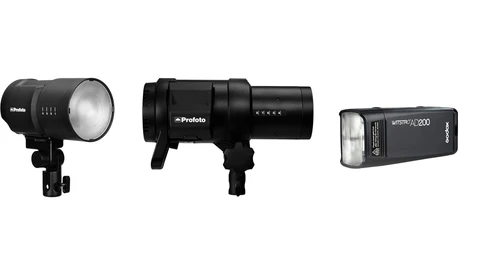
Testing lighting is usually for those photographers who are a bit more on the “nerd" side of photography, but we always need to know if we have the ability to work through or overcome a lighting situation.
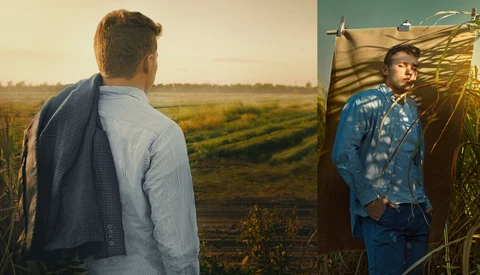
When you see an incredible location in images, often our gut reaction is, that it must be Photoshopped or that you need to go to an epic location to get great shots. In this article, see how I shot these cinematic portraits on the side of a road in my area by using just one camera and one lens. No fancy lighting or Photoshop.
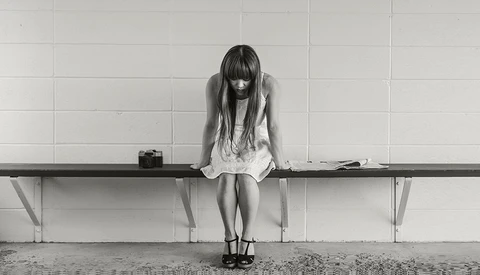
When was the last time you put up the amount you charge for your photography? If the answer is never then you're not alone. Many of us struggle to ask for more money and even those who try are not always successful. The problem is that if you never increase your prices you'll be out of business before you know it. Here's how and when to start charging more.
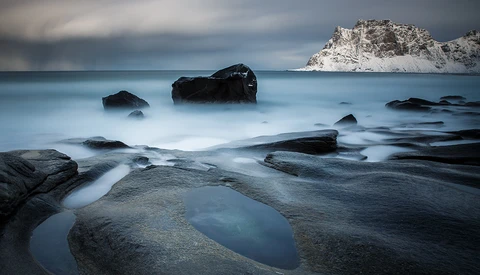
You saw that wonderful long exposure image on the internet, with a smooth water surface and moving clouds in the sky, and you thought; I want to shoot images like that. So you invested in a dark neutral density filter that makes it possible to shoot with shutter times that are 1000x longer. Now you can start making those long exposure images.
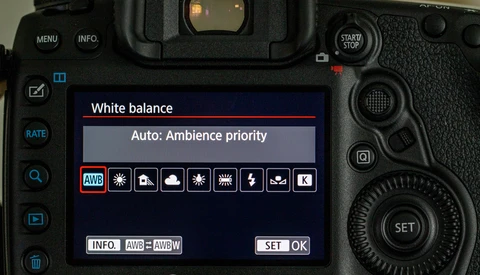
Every camera is standard set to AWB, meaning "Auto White Balance". AWB uses 18% gray as a reference, to correct any color cast in the image. But the auto white balance is a dumb algorithm that cannot interpret a scenery. Perhaps it would be best to set the white balance yourself, instead of relying on the camera.
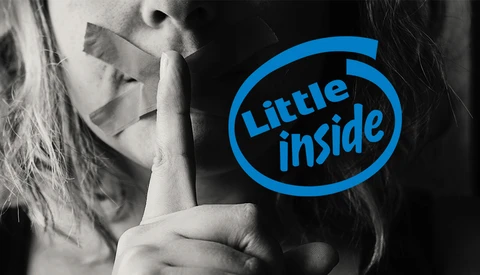
Photographers probably spend more time behind a computer than a camera. Yet, the technological progress of this industry is becoming slow, and manufacturers hide the issue with marketing tricks. Here is what's going on.