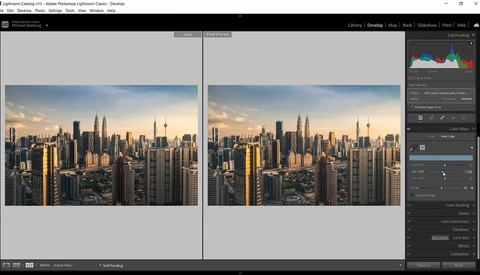
Do This To Get Perfect Prints
Some time ago, I wrote an article about soft proofing in Lightroom and Photoshop. It's an essential step in any professional printing workflow. Today, I show the additional steps required to create perfect prints.
Some time ago, I wrote an article about soft proofing in Lightroom and Photoshop. It's an essential step in any professional printing workflow. Today, I show the additional steps required to create perfect prints.
One of the best ways to display your work is by creating acrylic prints of them. Be it your own desire or a client wanting to go extra on their last photoshoot, acrylic-mounted prints are one of the best ways to create physical copies of your images. In this article, we will see how you can use client galleries to prompt your clients to purchase acrylic prints and display them on your wall.
Printing images is a rewarding yet often overlooked aspect of photography. This process transforms digital captures into tangible art, playing a pivotal role in a photographer's creative expression and giving you a meaningful way to display your work.
Every photographer knows that moment when you realize you have created a special image. Those images deserve to be printed, and there are times when paper and frames just won't do. Metal Prints take the art of printing to the next level. In this article, we discuss why you might want to invest in Metal Prints.
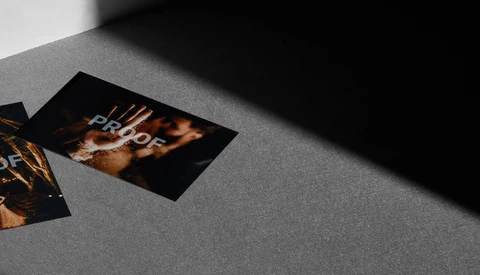
I know it, picking the right print for your album can be a difficult task. There is only so much research you can do and information you can give to your clients without presenting them with real physical prints to look at.
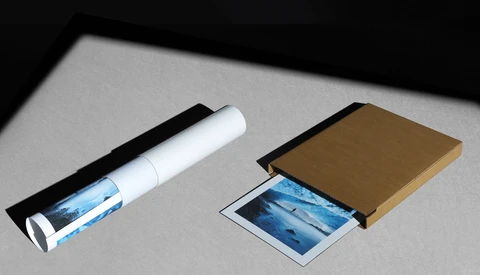
Printing images is a service that is often in high demand with various clients. While wedding albums may still reign king, it’s never a bad idea to go back to good old fashion silver halide photo prints. These differ from Fine Art Prints, which use a different printing process.
In an age where digital art and photography are increasingly consumed appreciated, many photographers, professionals, and hobbyists alike, contemplate venturing into the world of selling their prints online. This video sheds light on this journey, offering valuable insights and practical advice for those looking to transform their photographic talents into income.

In the digital age of photography, the imaging process has almost become effortless. Professional photographers can struggle to stand out in the crowded market. Although creating outstanding images is crucial to succeed in this craft of photography, photographers should take into consideration the business side of this profession, especially in increasing revenues.

There’s nothing worse than seeing wonderful photographers wasting their efforts by hiding stunning images away on dusty, unseen hard drives.
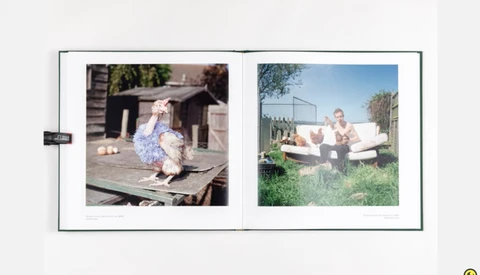
Self-publishing a photo book can be a daunting endeavor. In this video from The Photographic Eye, hear from photographers who have self-published with minimal upfront costs and even turned a profit.
The photo shoot has ended and you are now finished with the editing of the images. What are you going to do next? You could deliver the images to your clients digitally, which can feel soulless, or you can go that extra mile and deliver beautiful fine art prints to your clients. In this article, I will show you how.
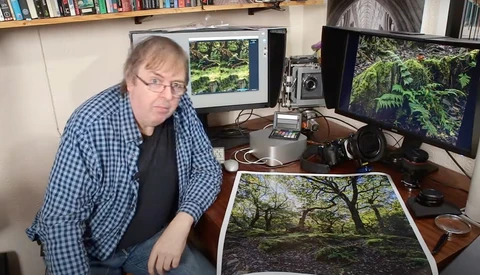
Printing your photos can be a tremendously rewarding exercise, but it is also an expensive venture, and as such, mistakes can quickly add up in cost. If you are new to printing your image, check out this fantastic video tutorial that features an experienced photographer sharing a range of useful advice to help ensure you get the best possible results.
The true value of photographs comes from the appreciation of them in the long-term, not just for short-term beauty appreciation through digital devices. And the best way to preserve these memories is through the form of print.
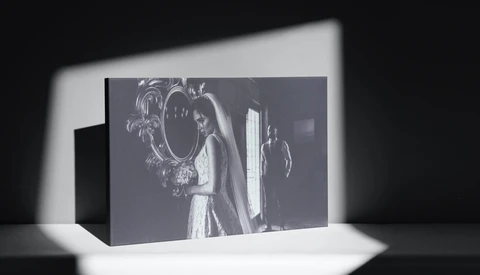
If you offer portrait services in any way, be it weddings or family portraits, you will have sold a fair few stretched canvases in your time.

One of the most rewarding things you can do as a photographer is to see your images printed. Prints can be made either at home or at specialist labs, such as WhiteWall. Having dominated the fine art printing industry for years, WhiteWall keeps on evolving. Their latest innovation is related to monochrome photography.
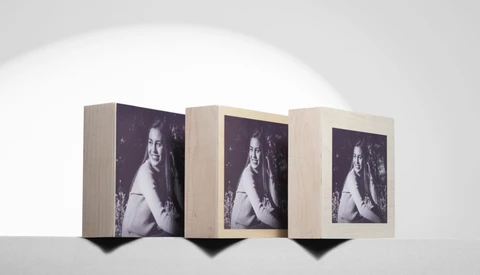
In the digital age of photography, the imaging process has almost become effortless. Professional photographers can struggle to stand out in the crowded market. Although creating outstanding images is crucial to succeed in this craft of photography, photographers should take into consideration the final step of delivering those printed images.
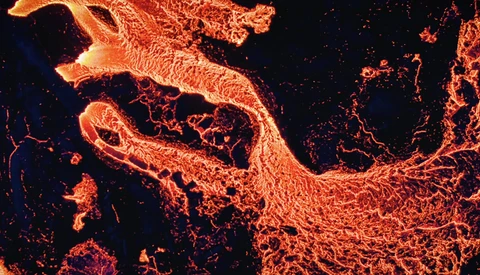
As much as we view photos on screens nowadays, there really is no replacement for seeing and holding a physical representation of your work. However, printing your photos is a rather delicate process, and mistakes that cause ruined prints can be rather costly.
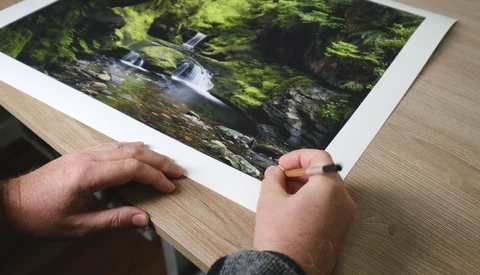
In the digital age, we print our photos less than ever; in fact, some of us never do. And that is a shame, as there is something really special about holding a physical manifestation of your work in your hands and hanging it on a wall where you can pass by it for years to come.
In today’s world of photography where we are spoiled with choices, selecting the ideal method for delivering photo prints can be a daunting task.
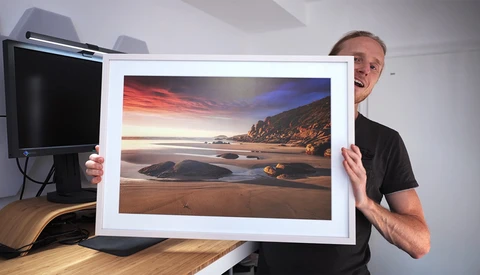
Finding the perfect print option for your images can be daunting. Figuring out which paper to use is just the first part of the task. At least equally important for a printed photo's visual appeal is the right frame choice. And in this article, I show you frames that can elevate your images.
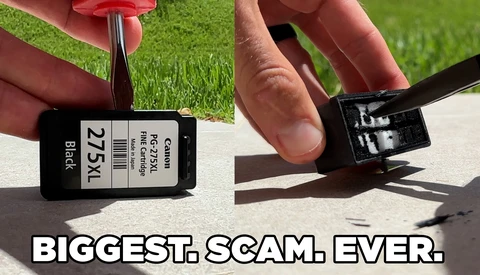

Photography has long been regarded as an art form that captures moments, emotions, and memories, preserving them for generations to come. The constantly evolving photography landscape is mostly driven by the advancement of the tools and technologies used to create and deliver photographs.
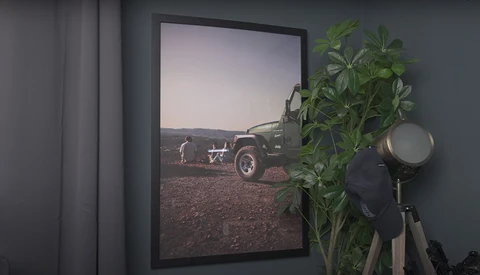
In the digital age, some of us never print our photos, content to share them on social media and view them on our monitors and phones. That is a shame, though, as seeing your images in a physical form is something really special that can't be replicated by anything digital. You do not have to print your photos yourself, though.
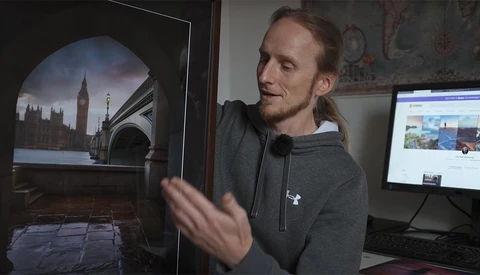
Once your photos improve after practicing photography for a while, they will likely also attract a larger audience. And at some point, you might be asked if your photos are for sale. It is how I got into selling my images as prints more than ten years ago. In this article, I share an easy way to get started.
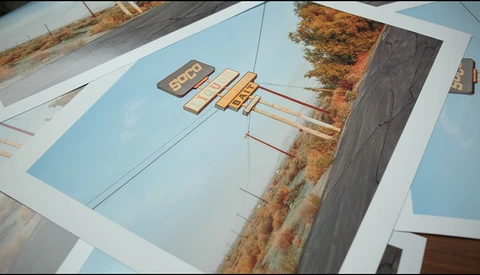
We may be firmly in the digital age, but there will always be something special about printing your images. However, there are dozens of ways to print your images, and it comes down to cost, your taste, photo content, final location, and much more. So, before you start spending a lot of money, it is worth taking a look at some of the options.
As a photographer, I spend a lot of time taking photos, editing, blogging, and posting them on social media. However, are these photos just meant to be viewed for the 24-hour period (or less) that they're displayed on social media, only to disappear forever?
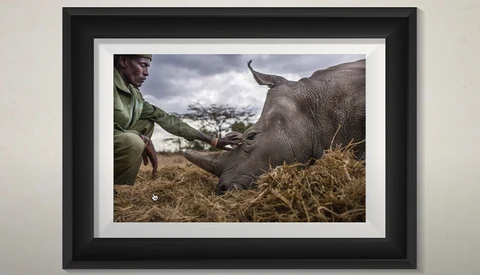
Prints will always be in style: no matter how good digital displays are, people love tactile manifestations of images for a variety of applications: homes, offices, and more. So, how do you go about selling prints in 2023? This excellent video tutorial will give you a wide range of useful advice.

Small, dye-sublimation printers have all but eliminated the need to go to the drugstore to make basic 4x6 prints, and HP’s new Sprocket Studio Plus is a welcome update to this style of printer from a venerable name in printing.
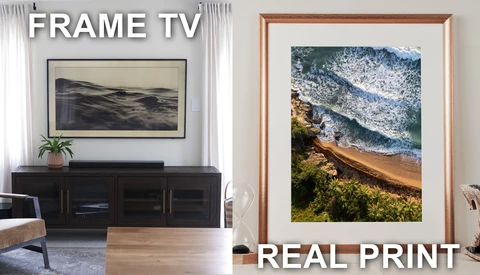
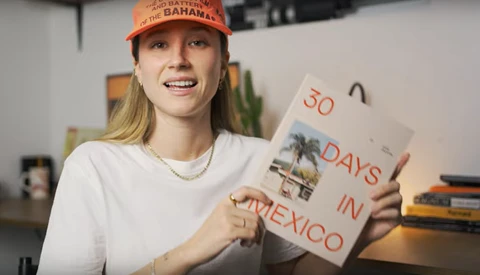
Making a photo zine can be a great way to present a body of work or, alternatively, re-contextualize a series of images which may exist elsewhere, such as on your website.
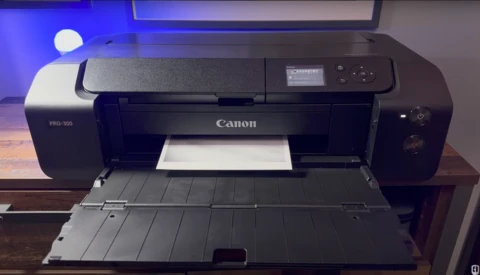
Glyn Dewis discusses the reasons behind the thinking that printing makes us better photographers. He takes a look at Permajet paper and gives some of the reasons why you'd choose this over other types of paper and educates us as to what makes a good paper for printing.
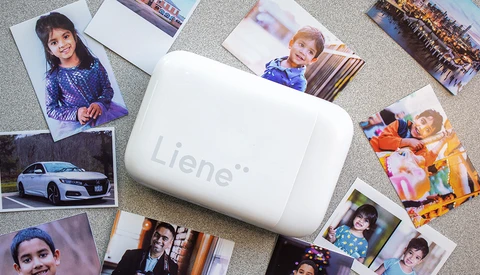
While instant photography cameras like Fuji’s Instax series have gained a large following amongst a younger generation discovering the beauty of instant prints, lugging around a sub-par camera just for the hard-copy photos is a drag. That’s where portable photo printers such as Liene’s Pearl K100 Portable Photo Printer come in.
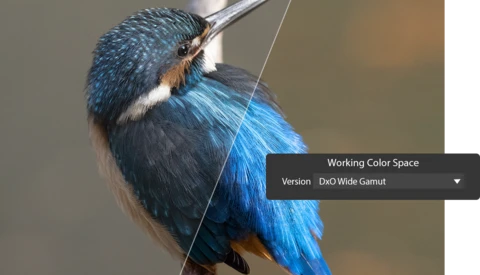
DxO PhotoLab is well regarded as one of the finest raw editors available for pro and semi-pro photographers. Although certainly not as well known as the Adobe products like Photoshop and Lightroom, it offers very powerful tools that have gotten a lot of attention.
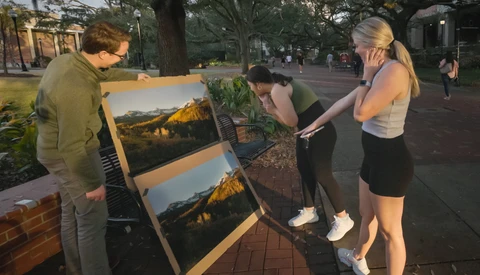
Phone photography has reached the point where it's good enough for online consumption, but can those photos keep up their appearance printed large?
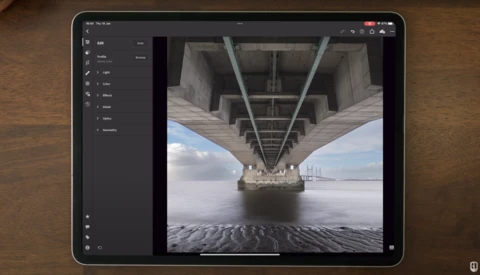
In this video, Glyn Dewis effortlessly explains how he manages to capture the iconic Prince of Wales bridge spanning the border between Wales and England. As a proud Welshman, this was intriguing to me, and as a photographer this is engaging and really shows the potential that mobile technology has to be able to improve the availability and quality of immediate photography.

Photographers have preferences on everything ranging from their favorite camera to their best lens, how they edit their photos, and what photo paper they use to make prints. What if your own preferences aren't aligned with what your potential clients enjoy?
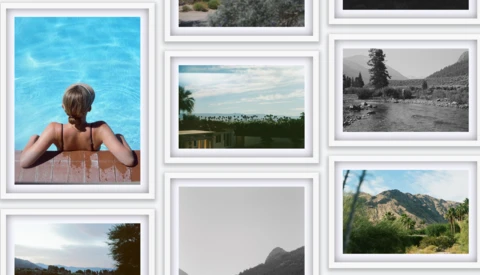
I always wanted to sell my photography as fine art but always felt like it would take too much time to do it myself or that the quality of online platforms would be too low. That was until I found a solution that meant very little work for me with no compromises on quality, pricing, or customer support.
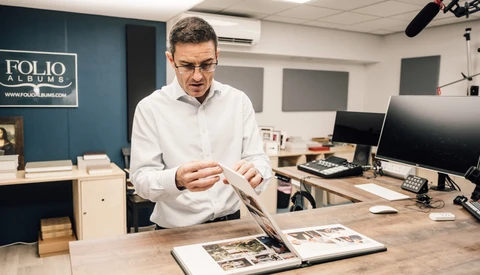
For the most part, I have total control over my client's experience with me. I know and understand every aspect because that's my livelihood and passion. I research my equipment, control my backups, work from calibrated monitors and meticulously set up how I deliver images to my clients. However, I've always been in the dark about one aspect of the process, wedding albums.
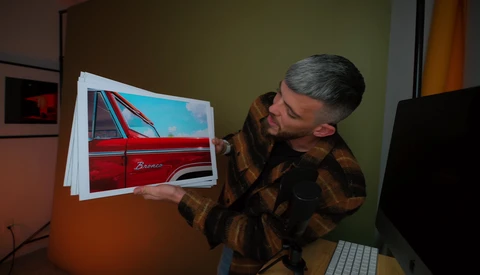
Printing your photos and holding a tactile representation of your hard work is a wonderful and exciting experience, but creating a proper print is a skill and area of knowledge unto itself.
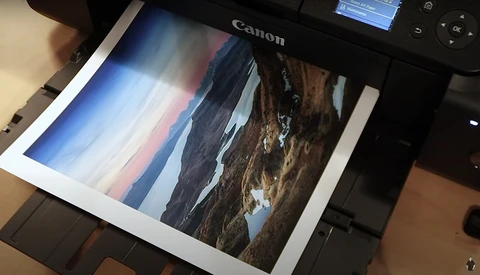
In the digital age, many of us go years without ever printing our photos, which is a real shame, because no matter how sharp the screen, there really is no substitute for the tactile impression of holding a physical representation of your work in your hands.
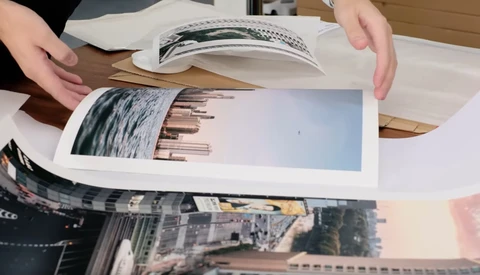
If you've ever wondered what goes into selling your own photography prints or simply where and how to start, then this will be extremely helpful for you.
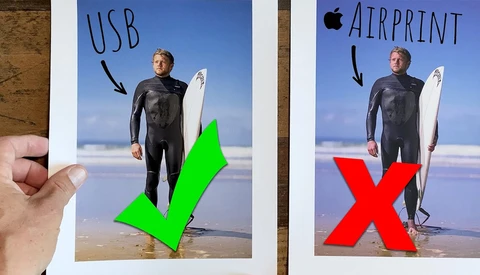
To make accurate prints, you need to get several elements right. From print profiles, to choice of paper, to correct calibration. If you are working on a Mac, you need to ensure you are doing it properly.

Whether you're brand new or have many years experience, printing your work can be the most satisfying part of photography. Something you might not realize is how much your work might change after you make that first print.
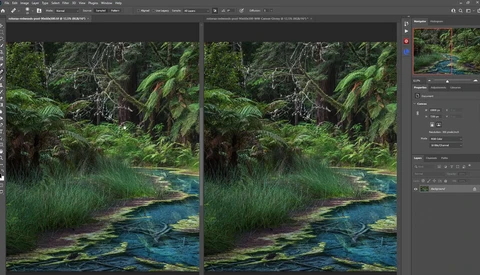
I take photos to get them printed to either hang them in my apartment or sell them to customers. And while it's important for me that those prints appear sharp and detailed, it's crucial to get a correct representation of the colors and contrasts.
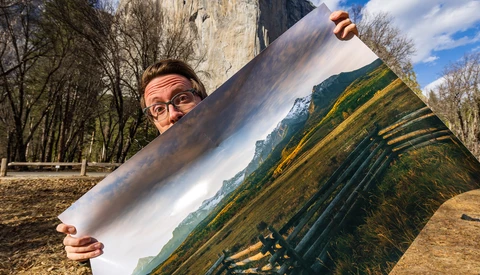
Cameras on phones have gotten incredibly good in the last five years, but can their images hold up in print? I wanted to find out, and the results blew me away.

There are a lot of confusing elements when it comes to photography, particularly when you're looking at printing. Perhaps the most misunderstood is PPI — pixels per inch — and when it's useful, because it is often not useful at all.
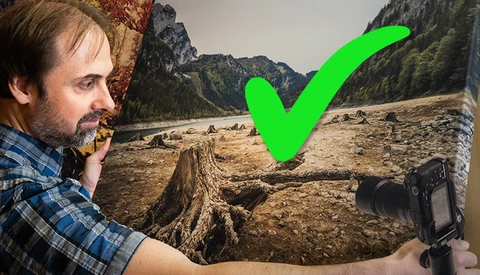
How many megapixels do we need? What do we have to consider already out on location, that we are able to print big afterward? How do we choose the right printing material, and how can we be sure to get the best possible printing result in the end?
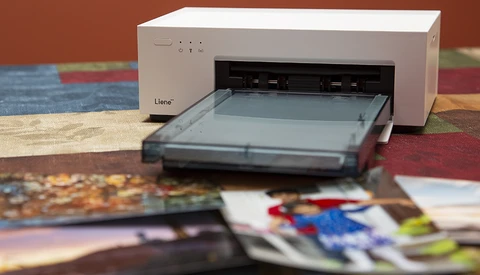
Liene may not be a name that immediately comes to mind when you think of photo printers, but its first U.S. offering, the Liene Photo Printer makes the case that it should be. It's a strong entry into the niche market of 4x6" photo printers.
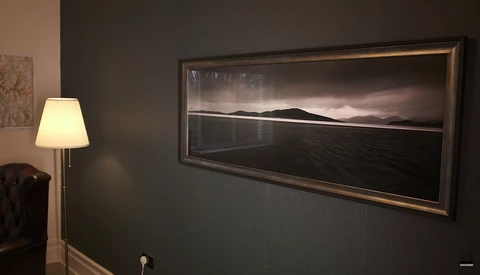
Before the digital era, you could still shoot panoramic photographs, but you generally had to resort to using a special kind of camera to do so, especially if you wanted the best possible image quality. This neat video follows a landscape photographer as he uses an absolute behemoth of a camera to create a special panoramic print.