
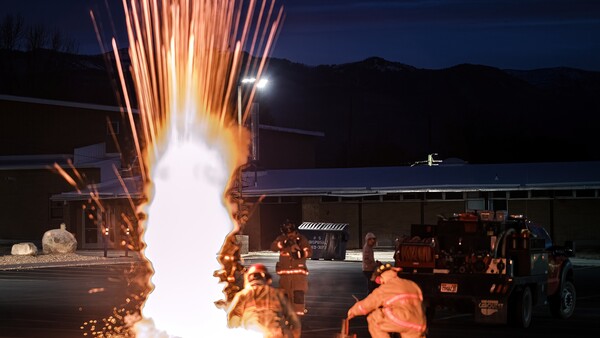
Photography has never been cleaner, sharper, or more technically flawless. Paradoxically, it has never felt easier to hesitate before pressing the shutter or posting the image.
We live in a moment where perfection is not just achievable but automated. Cameras correct exposure before you think about it. Software smooths skin, straightens lines, and removes distractions in seconds. Generative AI can now produce images that are technically immaculate without a camera ever leaving the bag. Against that backdrop, it’s no surprise that many photographers look at their own work and think, “Why bother sharing this?”
The result is a quiet form of self-censorship. Images go unposted because the focus isn’t perfect. Because the light wasn’t dramatic. Because the scene felt too ordinary. Because someone, somewhere, might do it “better.”
That hesitation is understandable, but it’s also exactly what’s hollowing photography out.
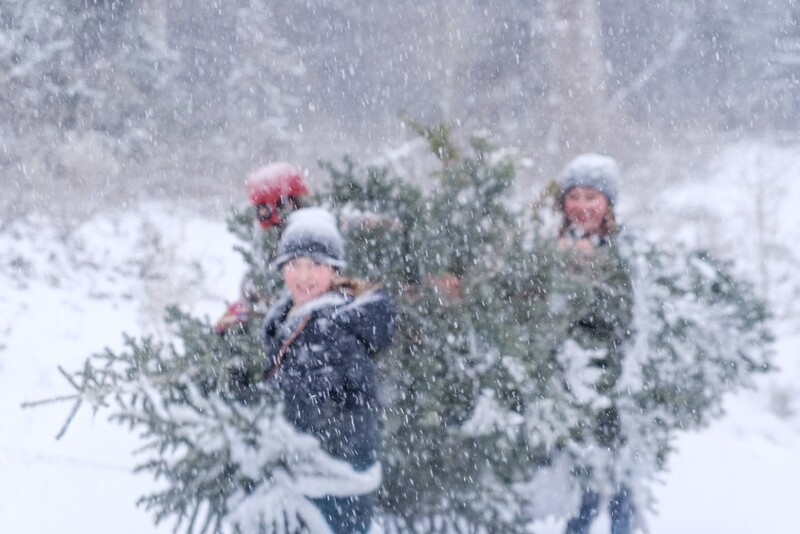
Perfection Is No Longer the Point
Technical perfection used to be the bar because it was difficult. Nailing exposure on slide film mattered. Getting focus right at wide apertures required discipline. Clean files were earned through experience, not sliders.
Today, perfection is abundant. That doesn’t make it meaningless, but it does mean it’s no longer rare. When everything looks perfect, perfection stops being memorable.
What is rare now is presence.
A photograph that reflects being there. A moment noticed rather than constructed. A frame made by a human who reacted instead of generated.
Ironically, the flaws many photographers are trained to eliminate, such as motion blur, imperfect framing, and uneven light, are often the exact cues that signal authenticity. They tell the viewer that this image came from a real moment, not a prompt.
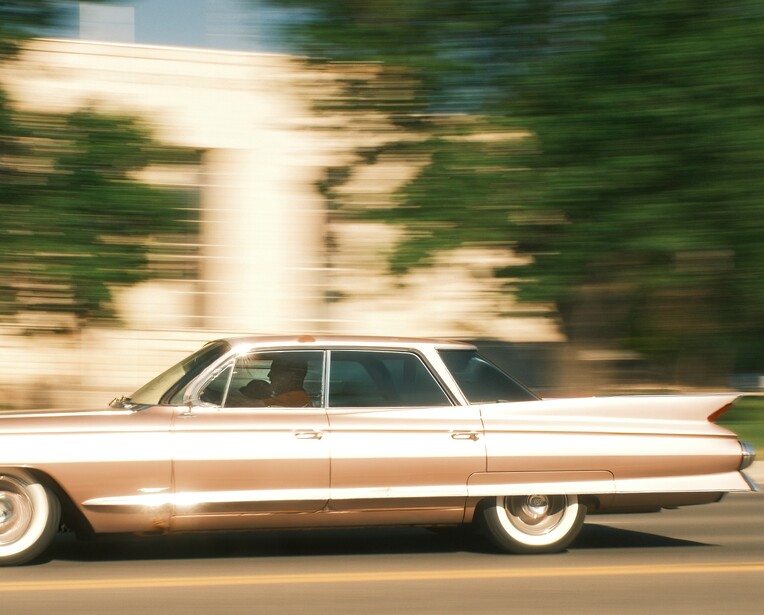
Minor Moments of the Mundane Can Be Precious
One of the most damaging myths in photography is that documentary work must be grand or dramatic to matter. War zones. Protests. Epic travel. Big moments.
But documentary photography has always been rooted in the ordinary. Street corners. Kitchens. Backyards. Workplaces. Long drives. Small towns. Quiet afternoons.
These are not lesser subjects. They’re the foundation of visual history.
Most photographers don’t live inside postcard moments, and that’s not a limitation. It’s an advantage. You already have access to something no one else does: your own daily environment, routines, and relationships.
The problem isn’t that those moments aren’t interesting. It’s that photographers often talk themselves out of seeing them as valid.
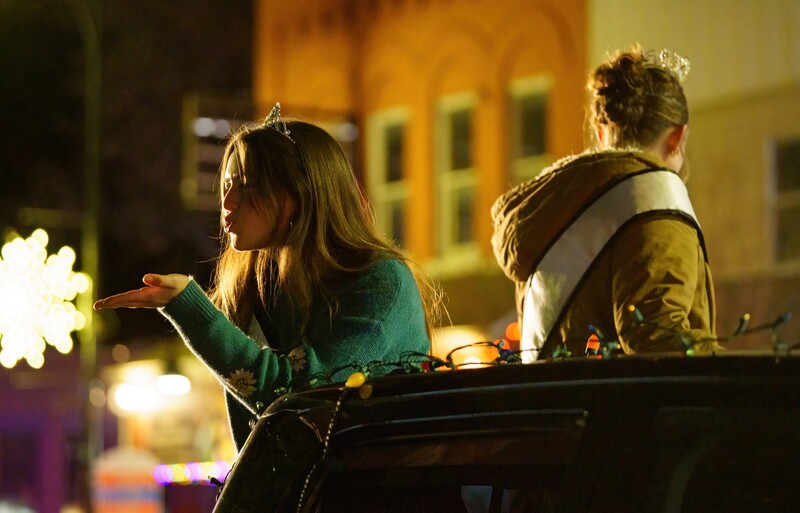
Self-Doubt Is the Real Filter
Before algorithms, before AI, before saturation, the biggest obstacle to sharing meaningful work was self-doubt.
This isn’t good enough.This has been done before.This won’t get engagement.This doesn’t look like what successful photographers post.
That internal voice hasn’t gone away; it’s just found new language. Now it compares your images not only to other photographers but to software that can invent perfection on demand.
But here’s the uncomfortable truth! If you wait until your work is flawless, you’ll never show the work that actually matters.
The photographs that resonate most are rarely the sharpest or cleanest. They’re the ones that feel honest. The ones that show effort, proximity, risk, or vulnerability.
Why Imperfection Pushes Back Against AI
Generative AI thrives on averages. It recombines what already exists into something polished and predictable. Even when the results are impressive, they tend to converge toward a visual sameness.
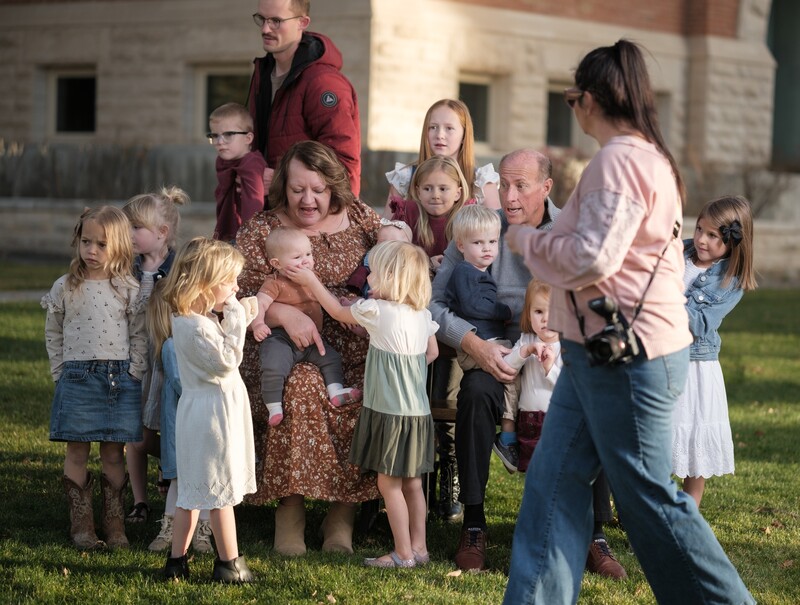
Human photography does the opposite when it’s allowed to be imperfect.
A tilted horizon suggests urgency (it’s still my pet peeve though!). Missed focus suggests movement. Harsh light suggests time and place. Mundane subject matter suggests lived experience.
These are things AI struggles to fake convincingly because they come from decision-making, not optimization.
When photographers obsess over removing every imperfection, they unintentionally move closer to the very aesthetic AI already dominates.
The more human your work looks, the harder it is to replace.
Posting Is Part of the Process
Another trap photographers fall into is treating posting as a reward instead of a practice.
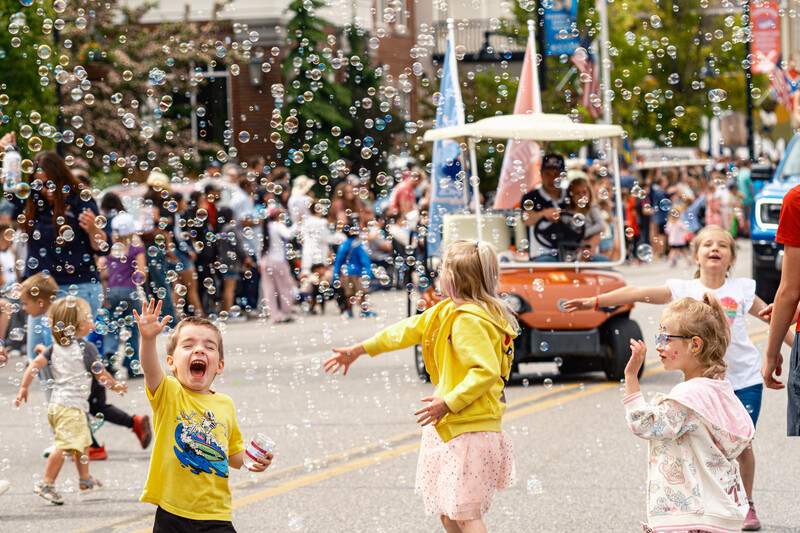
Sharing images isn’t just about validation; it’s about momentum. It keeps you engaged. It creates a record of how you see. It helps you notice patterns in your own work.
Not every image needs to be a portfolio piece. Some images are stepping stones. Some are visual notes. Some are simply proof that you were paying attention that day.
The photographers whose work endures are rarely the ones who only showed their highlights. They’re the ones who kept showing up with a camera in hand, doubts included.
Choose Presence Over Polish
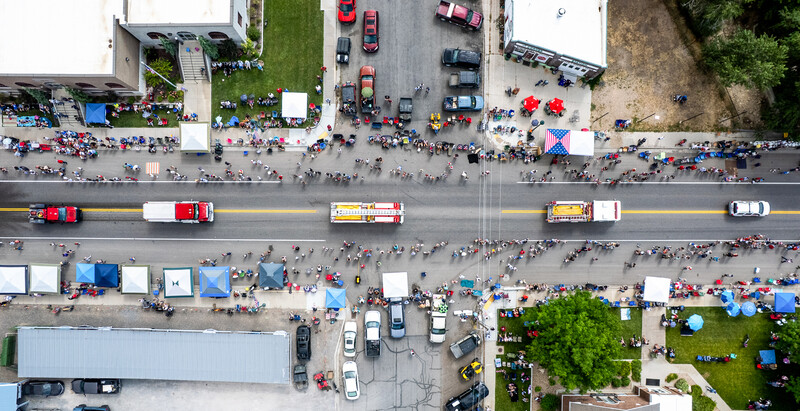
This isn’t an argument against craft. Knowing how to control light, composition, and exposure still matters. But craft should support expression, not suppress it.
If the choice is between a technically perfect image that says nothing and an imperfect image that carries a moment, the second one will always last longer.
Especially now.
In an era where machines can generate flawless images instantly, the most radical thing a photographer can do is show something real, even if it’s messy, quiet, or incomplete.
So, photograph the ordinary. Post the image you’re unsure about. Let your work look like it was made by a human being who was there.
That’s not lowering the bar.
That’s raising it.

Join the Fstoppers community for free
-
Post comments and join in the discussions
-
Browse the site ad-free
-
Share your work and get featured in the community
-
Compete in the photo contests for fun and prizes
3 Comments
When skilled technical photographic standards deteriorate in response to AI, or become incidental to symbolic or so-called "meaningful" work, it becomes an excuse for poor photography. Composition, lighting and detail define a photograph, and the unique capacity of a camera lens to render detail is what separates photography from all other art forms. Just because another new technology comes along for producing an image, doesn't mean that photographers should abandon their hard earned skills in making superior images.
Of course AI can mimic the results of a camera and, of course, not all sharp images are interesting photographs. On the other hand, not all pictures which are captured for their honesty, imperfections and all, carry emotional resonance through to the viewer. In other words, a picture may have a special meaning to you the photographer, but perceived as no more than a snapshot to the viewer. That's perfectly fine if you take pictures solely for yourself, family and possibly clients. When creating portfolios for a broader audience though (anyone in the world who might want to buy a print for their wall), I just can't believe that chasing honesty at the expense of technical superiority is a good idea. After all, there isn't as much really magnificent photography as you might think. Stock photo sites such as iStockphoto and others are crammed full of bad pictures. I've been doing this a long time and still struggle mightily with making what I consider a great photograph worth sharing. Put me together with Midjourney or any other AI image generator and I'd still have the same trouble making a great image. Combining good composition and lighting is not so easy, even for the driver of text prompts.
Snapshots are ubiquitous, indistinguishable from the gazillions of messy images posted to social media every day, so how can you claim they are particularly radical? Isn't retreating from highly skilled work sort of admitting that AI has already won the battle, and photographer's services are no longer valuable? I may be stubborn, but I'm not going to give up that fight quite yet. I believe in photographic excellence, which is more than just a sharp picture. If AI can match my work, so be it, but I'm not gonna ever stop trying to make better photographs. I prefer not to hear someone saying... "Hey, that looks like a picture I took with my phone the other day."
Capturing a "snapshot" memory is a great endeavor and most people have many of these that they truly cherish. That said, when creating a photograph that you may want to share or hang on a wall, that's when learning the rules of exposure and composition are very helpful in producing that ideal image.
I'll always remember Sally Mann's notion of "the angel of uncertainty." As I've made more and more photographs in a person and professional capacity I find I embrace the chance nature of some photographs, especially in my non-digital work. Ironically, some of the compositions which were considered inherently unusable ten years ago are in Vogue now...literally. It's a funny world.