Treating better sleep, food, and movement as part of your craft can change how you show up on a shoot and what you bring home from it. Ignore it and the work can stall in ways that are easy to blame on gear, clients, or luck.
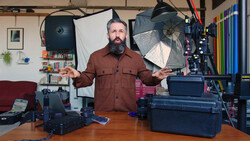
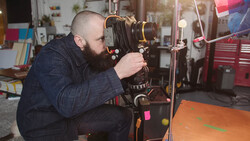
Coming to you from Scott Choucino with Tin House Studio, this blunt video pushes an idea that sounds unrelated to cameras but shows up in your results fast. Choucino says there is a simple shift almost anyone can start right away, and he frames it as the quickest way to raise the floor on your work. He ties it to real set dynamics, where people notice the person who is running on four hours of sleep or nursing last night’s drinks. He also admits he used to be that person, and he thought he was getting away with it. If you have ever convinced yourself that you “can function fine” after a rough night, this is the part that will bother you.
He draws a line between hours spent and quality delivered, and he argues the gap is bigger than most people want to admit. Two people can both put in 10 hours and produce completely different output, especially late in the day when attention and patience get thin. Choucino gets specific about weight, energy, and even the way poor health can creep into basic function, including sleep quality and breathing. The subtext is uncomfortable: the “professional” thing is not just knowing lighting or posing, it is having the physical and mental steadiness to repeat good decisions all day.
The most interesting angle is how he connects lifestyle to career momentum without turning it into a moral lecture. He describes a long stretch where his work stayed local and steady, then describes a later stretch where larger opportunities showed up after he changed how he lived, including better sleep and consistent training. He is careful to say it is not magic, and he is not claiming a direct trade of push-ups for bigger budgets, but the pattern is hard to ignore. He also brings age into it, saying the same habits feel costlier as you get closer to 40, and that reaction time and recovery are not negotiable. Even if you are nowhere near that age, you still know what it feels like to lose sharpness after a few weeks of sloppy habits.
Where the video lands hardest is the tradeoff he puts on the table: spend thousands on another camera, or spend that effort on a year of healthier living. He is not anti-gear, but he is saying the return can be higher when the “upgrade” is your consistency, your mood, and your stamina. If you have been chasing a cleaner edit, a calmer presence with clients, or better decisions under pressure, he is pointing at a lever that does not require a shopping cart. He also talks about treating shoots like athletic events, including recovery time, which is not a glamorous idea, but it maps cleanly to long days, travel, and the mental strain of keeping a set moving. Notice how often you reach for caffeine, sugar, or late-night scrolling to patch over fatigue, then think about what that habit does to your patience at 4:00 p.m. Check out the video above for the full rundown from Choucino.
Join the Fstoppers community for free
-
Post comments and join in the discussions
-
Browse the site ad-free
-
Share your work and get featured in the community
-
Compete in the photo contests for fun and prizes
2 Comments
Good points Scott, years ago when I was shooting catalog work the catering was often fast food or pizza, salty snacks a big salad and soft drinks. Sluggishness was the after lunch vibe.
Fast forward to better clients and location work with a client who was vegan. He knew the best vegan places in every city. On some shoots we'd get vegan and non vegan choices but eventually it was all vegan and no one griped about it. Well some griped until they ate it! It was in So Cal so there were a lot of choices. And there was not the after lunch drowziness.
I sent this to my son. He just turned 40, is a senior executive in a large construction firm, not the least bit interested in photography but this is so apt for him.