Fujifilm's camera lineup in 2026 spans everything from compact fixed-lens cameras to 102-megapixel medium format monsters, and choosing the wrong one is an expensive mistake. Knowing where each model sits and what it's actually built for can save you a lot of second-guessing.
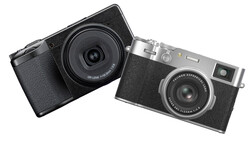
Coming to you from B&H Photo Video Pro Audio, this thorough video has Juan Pablo walking through nearly the entire Fujifilm current lineup, organized into three categories: fixed-lens cameras, X series interchangeable-lens cameras, and the GFX medium format line. He starts with the X100VI, which he calls his personal favorite, citing its 40-megapixel sensor, compact size, and the creative discipline that comes with a fixed focal length. He also covers the GFX 100RF, a fixed-lens medium format camera that pairs a 102-megapixel sensor with a body small enough to toss in a bag, and a smaller fixed-lens model aimed more at casual, social shooting.
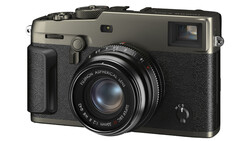
From there, Pablo moves into the X series, breaking down three entry-to-mid-level options. The X-M5 is his pick for the best all-around beginner camera, offering 26 megapixels, 4K 60fps and 6.2K 30fps video, and a tilting screen in a lightweight body. The X-T30 II steps things up slightly with physical control dials, a simulation dial for dialing in film looks on the fly, and a pop-up flash that makes it genuinely useful at events. If you want something that handles both video and stills seriously, Pablo points to the X-S20 as the strongest hybrid in that tier, largely because of its in-body image stabilization, better battery life, and a flip screen suited for vlogging.
The higher-end X series cameras are where things get more specialized. The X-H2 carries a 40-megapixel sensor and shoots 8K video, making it a strong option if you need both high-resolution stills and capable video in one body. The X-H2S, by contrast, is built around speed, with what Pablo considers the fastest autofocus and subject tracking in the lineup right now, plus 8K open gate recording. For weddings, sports, or any situation where you can't afford to miss a shot, that tracking performance is the deciding factor between these two. Pablo then takes the GFX 100 II and GFX 100S II out to Roosevelt Island in New York to shoot real-world photos and video, showing exactly what 102 megapixels of medium format resolution looks like when you're cropping deep into a scene.
Check out the video above for the full breakdown, sample images, and Pablo's direct recommendations on which camera fits your specific situation.



Join the Fstoppers community for free
-
Post comments and join in the discussions
-
Browse the site ad-free
-
Share your work and get featured in the community
-
Compete in the photo contests for fun and prizes
No comments yet