Most people start landscape photography already believing a few things: you need a wide angle lens, a tripod goes everywhere with you, and a strong portfolio might eventually pay for itself. Those beliefs decide what you buy, where you travel, and how you judge your own progress, and several of them don't hold up once you've spent real time in the field.
Michael Scott of ScottymanPhoto works through 14 of these myths, starting with what he calls probably the number one: landscape photography is very unlikely to become your income. Scott admits he once figured that selling images might turn into a living, and he now describes the genre as a passion rather than a job, with only a handful of people making it work financially. He extends the same honesty to audience. Your friends and family won't feel about your prints the way you do, and social media followers have to be earned over time instead of showing up because a picture is good. He also argues that exotic travel isn't required, that a harder hike doesn't make an image more valuable, and that planning improves your odds without guaranteeing anything.
He also rejects the idea that you can show up somewhere new every time and come home with a keeper. Scott says it's rare for him to walk up to an unfamiliar spot and capture the image he pictured. Far more often, the shot comes after returning again and again. A failed first visit counts as scouting, and the location stays on your list. He pairs that with a warning about post-processing. Editing can improve parts of a photo, but a poorly composed frame stays poorly composed no matter who offers to fix it, so the work has to happen in camera.
Repeat visits are where planning apps start paying off. PhotoPills and The Photographer's Ephemeris both show where the sun and moon will rise and set from any spot on any date, so after one trip, you can work out exactly when light will reach the ridge or tree line that caught your eye. The seasonal shift is bigger than most people expect. Around 40 degrees north latitude, the sunrise point on the horizon moves more than 60 degrees between the June and December solstices, which means a scene that looked flat in summer might get side light in winter. Keep a short note for each location you return to: date, time, wind, cloud cover, and what didn't work. After three or four visits, those notes tell you more than any app can. This habit also fits the growing interest in shooting close to home. A local park or river you can reach in 20 minutes lets you go back whenever conditions look promising, and that frequency gives you more chances at good light than an expensive trip with fixed dates ever will.
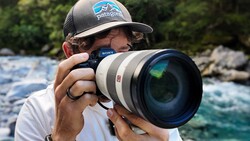
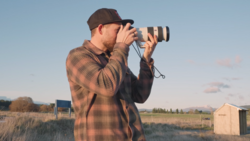
On gear, Scott pushes back on the rule that landscapes demand an ultra-wide. People have told him a long lens doesn't work for this kind of photography, and he disagrees. His approach is to build the composition in your mind's eye first, then pick the focal length that brings it to life, whether that's a wide angle or a telephoto. You can still head out with one lens and compose around it, but he prefers letting the scene decide. The tripod gets similar treatment. He uses one, and he also points out that some places ban them outright and some situations make them impractical. If you've counted on a tripod and can't set it up, walking away with nothing is the worse outcome, because some image beats no image.
His take on whether every beautiful place deserves a photograph is in the video above.


Join the Fstoppers community for free
-
Post comments and join in the discussions
-
Browse the site ad-free
-
Share your work and get featured in the community
-
Compete in the photo contests for fun and prizes
No comments yet