Street photography sits at an uncomfortable intersection for many people: is it documentation or intrusion? The answer shapes not just how you approach it, but whether you approach it at all.
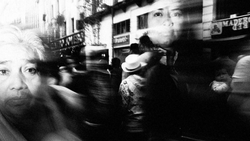
Coming to you from Peter Forsgård, this thoughtful video makes a case for street photography that goes well beyond the usual "capture the decisive moment" advice. Forsgård opens by acknowledging the reputation street photography has, that it's candid shots of strangers taken without their knowledge, and he doesn't dismiss the concern. Instead, he reframes the entire practice around something more durable: preservation. The street you walk to work today may not exist in 30 years. The person you pass every morning won't always be there. A photograph made now becomes a document later, and that shift in purpose, from image to artifact, is what Forsgård argues gives street photography its real weight. He also pushes back on the idea that a photo needs to show something grand to matter, pointing out that most respected street photographers throughout history built their work around mundane scenes, not dramatic ones.
Forsgård also covers how street photography reveals human behavior, capturing not just what people look like but how they move, interact, and occupy shared space. He shares a personal example from Kuala Lumpur, where a brief exchange with a subject turned a stranger into a fully realized person with a career, a family, kids studying abroad. That kind of contact, he argues, builds empathy, both for the person behind the lens and the one in front of it. He connects this to a broader point about how street images reflect society: fashion, advertising, politics, and public life all appear naturally in the frame without being staged. Images made during the COVID-19 pandemic lockdowns, people masked, streets emptied, are already becoming historical records of a specific and strange moment in time.
The video also touches on something less discussed: what street photography does for the person making the images, not just those viewing them. Forsgård argues that training yourself to look carefully on the street rewires how you see everywhere else. You start noticing things while shopping, commuting, or just walking around without a camera. That observational habit, once built, doesn't switch off. There's an extra tip buried in the video as well, one that connects the chaos of street scenes to the act of visual storytelling in a way that ties together everything else he covers. Check out the video above for the full rundown from Forsgård.



Join the Fstoppers community for free
-
Post comments and join in the discussions
-
Browse the site ad-free
-
Share your work and get featured in the community
-
Compete in the photo contests for fun and prizes
No comments yet