
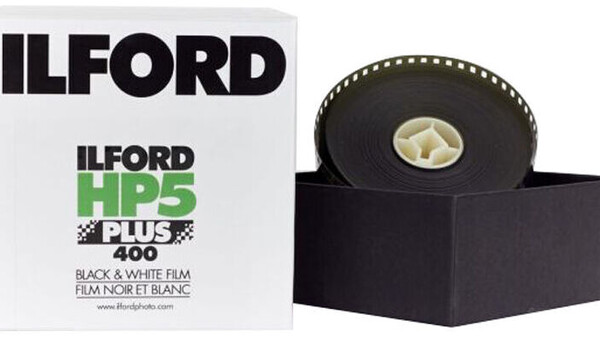
Film prices aren’t creeping up anymore; they’re sprinting.
You feel it every time you hover over the checkout button and see a number that looks more like a utility bill than a hobby. A few years ago, you could grab a handful of Kodak Gold and some black-and-white film, drop it at the lab, and call it a good weekend. Now a couple rolls plus dev and scans can flirt with seventy bucks, easy.
If you’ve caught yourself babying rolls because you “can’t afford to waste them,” you’re not alone. But that doesn’t mean you have to quit shooting. It just means you have to change how you think about film.
Let’s talk about how to keep shooting in this economy without selling a kidney or locking your cameras in a display case.
Accept the New Reality — Then Shrink It
There’s no sugarcoating it: prices really have climbed. Color stocks have seen repeated hikes over the last few years, and even the “cheap” stuff doesn’t feel cheap anymore. Labs have raised rates too. Everyone is paying more for chemistry, paper, rent, and wages, and that rolls downhill to you.
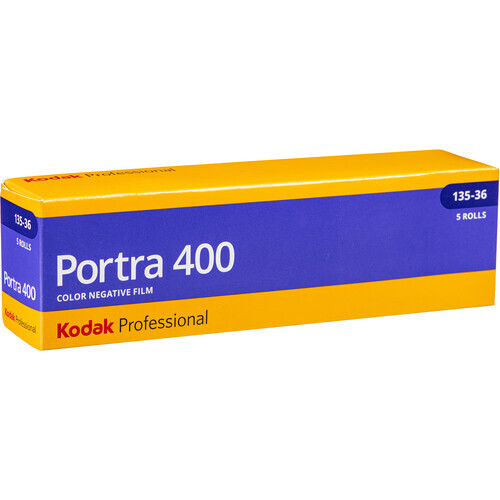
If you keep comparing today’s prices to what a roll cost in 2015, you’ll grind your teeth every time you go to shoot. The first mental shift is accepting: this is the baseline now.
The second shift is realizing you don’t have to accept it everywhere.
Instead of treating film as something you throw at any random outing, treat it like a finite resource that deserves intention. That doesn’t mean getting precious and never shooting it. It means shrinking the arena where you burn money without thinking.
Digital for the volume. Film for the things that matter to you.
Once you really internalize that, the rest of the strategies start to make sense.
Buy Smarter, Not Just Cheaper
There’s a difference between frugal and self-sabotaging.
Yes, you can chase bargain-bin expired film on auction sites and occasionally hit the jackpot. But you can also end up with fogged, uneven, or totally dead rolls that waste your time, your chemicals, and your mood.
Smarter buying looks more like this:
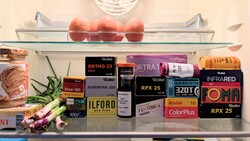
You pick two or three stocks you genuinely like and know how to expose. One everyday color, one black-and-white, maybe one “treat yourself” roll for special projects. You stop impulse-buying every random emulsion that crosses your feed “for testing.”
You buy in small bricks instead of singles when you can. A 5-pack often works out cheaper per roll than grabbing one at a time.
You consider shipping as part of the cost. One decent-sized order from a trusted retailer every couple months is often cheaper than three small panic orders that each include shipping and tax.
You stay flexible about brand names. If you’ve been locked into one marquee color negative stock, it might be time to try a somewhat cheaper alternative and ask honestly: is the price difference showing up in your final images, or just your brain?
Smarter buying is about reducing randomness. The more predictable your film costs become, the easier it is to budget for them.
Learn to Love Bulk Loading (At Least for Black and White)
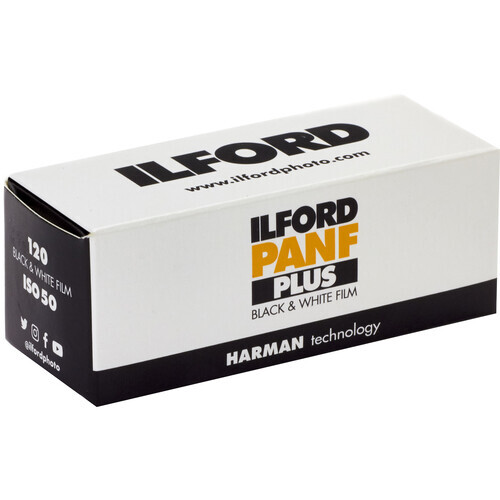
When people talk about saving money on film, bulk loading always enters the chat. And for good reason: if you shoot a lot of black-and-white, rolling your own 35 mm can knock a serious chunk off your per-roll price over time.
Is it glamorous? Not at all. It’s tapping a canister in the dark and cranking a plastic loader while you wonder if you miscounted.
But once you’re set up—with a bulk loader, a hundred-foot roll, some reusable cassettes, and a changing bag if you don’t have a darkroom—you can tailor your rolls to your habits. Maybe you only want 24 exposures on a walk so you can finish and develop quickly. Maybe you want a 40-exposure monster for an all-day event. You get to choose.
Bulk loading only really makes sense if you do at least three things:
You primarily shoot a stock that comes in bulk rolls at a good price.
You’re willing to develop at home.
You’ll actually shoot through that hundred feet within a reasonable timeframe.
If you’re only burning through a few rolls of black-and-white a year, the savings are marginal and the hassle might not be worth it. But if you’re regularly loading HP5, Tri-X, Fomapan, or any of the other bulk-friendly stocks, this is one of the few places where you can still make the math smile.
Mix Your Formats Strategically
Not all formats hit your wallet the same way. Medium format and large format are incredible, but each click is like hearing a cash register ding in your head.
One way to stay sane is to assign each format a job.
Let 35 mm be your sketchbook. That’s where you experiment, over-shoot, and chase happy accidents. A 36-exposure roll, bought smart and maybe even bulk-loaded if it’s black-and-white, gives you a lot of learning for the cost.
Reserve medium format for work where you really care about that extra negative size: portraits you plan to print, personal projects you might eventually turn into a zine or book, landscapes you’ll hang on your wall. You don’t have to shoot 120 every weekend to “deserve” owning the camera.
If you dabble in large format, treat each sheet like a tiny assignment. One sheet, one idea. Don’t blow through a box of 4×5 on random test shots just because you have it loaded.
Mixing formats this way lets you keep the romance of big negatives in your life without letting them quietly devour your entire budget.
Shoot Projects That Fit Your Budget, Not Your Ego
If money is tight, a year-long project built entirely on fresh color slide film and pro lab drum scans is going to hurt.
The temptation is to pretend you can afford a champagne workflow on a tap-water budget, then burn out when you realize what you’ve gotten yourself into.
There’s a better way: design the project around what you can realistically sustain.
If you’ve got limited cash but plenty of time and curiosity, maybe it’s a black-and-white project you develop at home in a bathroom sink. The story doesn’t suffer because you picked HP5 over Ektachrome. What matters is your consistency and access.
If you crave color and can’t swing a ton of fresh Portra, maybe you shoot one roll of color per outing that matters and fill in the rest of your visual note-taking with digital or black-and-white.
If you know you’ll only be able to afford, say, two rolls a month for a while, make that part of the concept: a slow-burn series where you deliberately work within that constraint and say so in the eventual artist statement.
The best projects aren’t built around what’s fashionable; they’re built around what you can actually finish.
Bring Digital Back Into the Conversation (On Purpose)
There’s an unwritten rule in some film circles that if you bring up digital as a cost-saving tool, you’re somehow betraying the cause. That’s silly.
Digital isn’t the enemy of film. It’s the safety net that lets you keep film joyful instead of resentful.
If you’re photographing your kid’s football game, you don’t have to choose between blowing three rolls on every drive or leaving the film camera at home. Shoot the bulk of the action on digital. Use film for the moments that benefit from its slower pace: the quiet on the sideline, helmet-off portraits, the in-between scenes where time stretches.
If you’re scouting a location for a film project, there’s nothing wrong with doing the first pass in digital. Work your compositions. Learn how the light behaves at different times of day. Then return with film when you know what you want.
Think of digital as your sketch layer and film as your final ink. You’re not cheapening the film by leaning on digital. You’re making sure when you do load that roll, you already have a plan.
Learn to Develop at Home (Even Imperfectly)
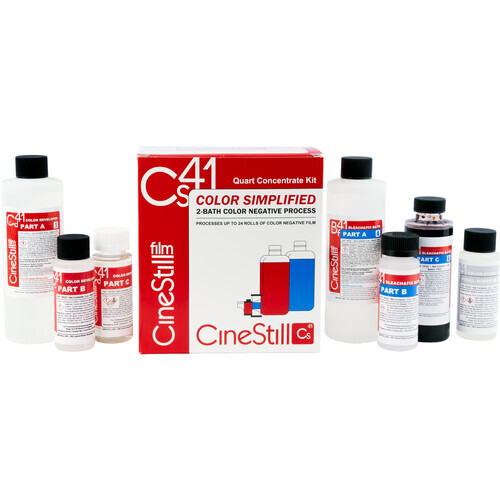
The biggest lever you can pull on cost, especially for black-and-white, is cutting the lab out of the equation.
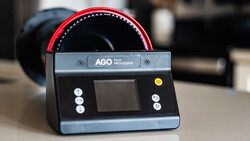
The startup hurdle looks intimidating: tanks, reels, chemistry, thermometers, someplace with running water. But once you’re over that bump, the math changes dramatically. A few liters of developer and some fixer can take you through many rolls, especially if you choose chemicals that can be reused.
You don’t need a perfect darkroom to start. A changing bag to load your reels, a kitchen counter, and a bathroom sink will do it. Will your first few rolls be perfect? Probably not. Will they be good enough to prove the concept and make you want to keep improving? Almost always.
Color is trickier. The chemistry is more temperature-sensitive, and the cost of C-41 kits has climbed along with everything else. But even there, if you’re regularly shooting color negative, home dev can eventually pay for itself, especially if lab options where you live are limited or expensive.
If the idea of doing everything at home feels overwhelming, consider splitting the difference: develop black-and-white yourself, send color to the lab, and let that balance bring your monthly costs into a survivable range.
Be Honest About Your Keeper Rate
One brutal but helpful exercise is this: look at your last ten rolls and ask how many frames you truly care about.
Not “could be good with more editing.” Not “I might use this in a blog post someday.” I mean: if you lost everything else and only kept these few, you’d still feel like the roll was worth it.
If that number is consistently two or three out of thirty-six, you don’t have a film problem. You have a shooting problem.
The good news: that’s fixable without spending a dime.
Slow down when you’re shooting. Ask yourself before each frame: what am I actually trying to say here? Could I get closer? Is this better as a sequence or a single image? Can I wait ten seconds for the person to move into better light?
Treat film like a limited vocabulary. The fewer “um” and filler shots you make, the more each roll earns its keep.
Raising your keeper rate doesn’t just save money. It makes the money you do spend feel justified, which keeps your motivation alive.
Accept That You Don’t Have to Shoot Everything on Film
This might be the hardest one, especially if film is wrapped up in how you see yourself as a photographer.
You’re allowed to go through seasons where film is the minority of your work. You’re allowed to say, “I can swing one roll this month and that’s it.” You’re allowed to put the medium-format body on the shelf for a while and live in 35 mm or digital.
It doesn’t make you less “real.” It makes you honest.
What kills people in this price climate isn’t the cost alone—it’s the guilt they stack on top of it. Guilt for not shooting enough. Guilt for shooting “too much.” Guilt for having cameras they “aren’t using properly.” Guilt for “wasting” good film on ordinary days.
Let some of that go.
The medium you use doesn’t decide whether the work matters. The attention you bring to the world in front of you does.
A Practical Way Forward
If your film costs are stressing you out, here’s a simple framework you can start using right away:
Pick one main black-and-white stock and one color stock and stick to them for a while. Buy in small bricks when you can.
If you shoot a lot of black-and-white, seriously consider bulk loading and home development.
Assign roles to your formats: 35 mm for learning and volume, medium format for intentional work, large format for rare, deliberate shots.
Use digital strategically: for volume, scouting, and practice. Film when intention is high and the moment matters to you.
Plan projects that match your finances. A $10-a-month project can be just as meaningful as a $200-a-month one if you stick with it.
Audit your shooting habits and work on your keeper rate. The cheaper your mistakes become, the more sustainable this stays.
The film world isn’t going back to 2005 prices. But that doesn’t mean it’s only for people with deep pockets now. It just means you have to be as creative with your process as you are with your pictures.
You don’t need to shoot more film than everyone else. You just need to shoot enough, with enough intention, that it still feels like a gift when you crack open the tank, peel the reel, and see real images hanging there.
In a world where everything wants a subscription fee from you, film can still be a deliberate, chosen expense—one that earns its place in your life, frame by frame, instead of quietly draining your bank account in the background.
All photos come from B&H Photo website.




Join the Fstoppers community for free
-
Post comments and join in the discussions
-
Browse the site ad-free
-
Share your work and get featured in the community
-
Compete in the photo contests for fun and prizes
1 Comment
There's this thing... can't remember... um, a special camera.... no film.... can't remember what it called.... OH..... digital camera!!! No film. try it.