

Sony's G Master lenses are spectacular, but they'll empty your wallet quickly. Many G Master lenses cost $2,000 or more, with flagship zooms pushing $3,000 or beyond. The good news? Third party manufacturers and Sony's own value-focused designs have created professional grade optics at prices that seemed impossible just years ago.
Sony's E-mount system, introduced in 2010 for APS-C and expanded to full frame FE in 2013, became a proprietary mount that Sony actively licensed to third party manufacturers. The result is a golden age of affordable excellence where you can build professional kits without professional debt.
Modern optical design and competitive market pressures have created lenses that would have been flagship-tier a decade ago, now available at entry-level prices.
Full Frame
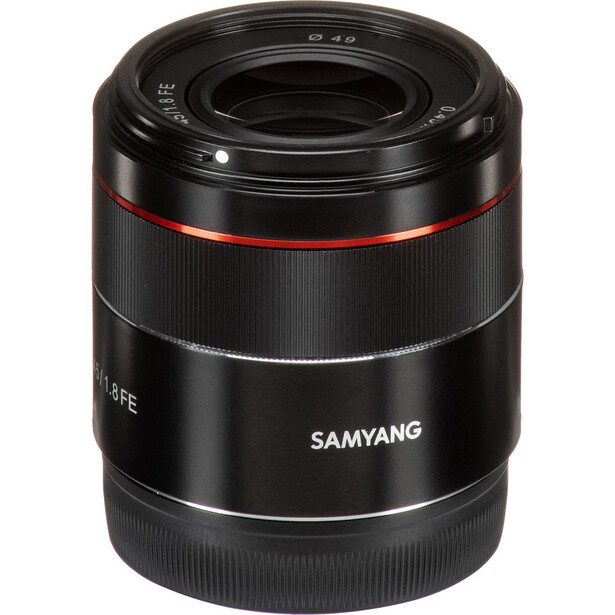
1. The Perfect Normal: Samyang AF 45mm f/1.8 FE
Expect to Pay: $289
Is 50mm truly "normal," or does 40mm better match human vision? Samyang answered with 45mm f/1.8, and the photography community loved it. This isn't compromise, it's optimization. The 45mm perspective is a sweet spot many find more natural than traditional 50mm lenses. It's wide enough for environmental context without distortion, yet tight enough for flattering portraits. Combined with f/1.8, this creates a versatile tool that covers vast creative territory.
2. The Portrait Specialist's Secret: Sony FE 85mm f/1.8
Expect to Pay: $698
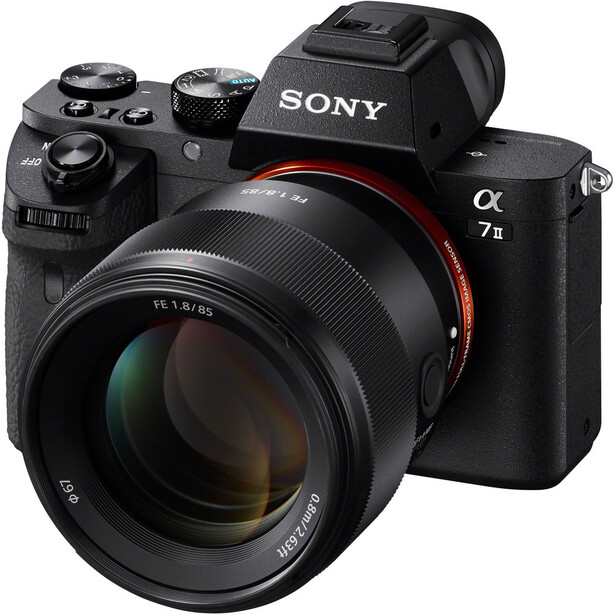
Sometimes manufacturers get it so right that even their premium alternatives struggle to justify their existence. Sony's FE 85mm f/1.8 delivers professional portrait performance that makes the G Master's triple price genuinely hard to rationalize.
The 85mm focal length compresses facial features beautifully while maintaining comfortable working distances. Sony's f/1.8 aperture provides exceptional subject isolation while optimizing for sharpness. Wide open performance rivals exotic alternatives, producing detailed eye focus that defines contemporary portrait work. The nine blade circular aperture renders backgrounds with creamy smoothness.
3. The Modern Workhorse: Tamron 28-75mm f/2.8 Di III VXD G2
Expect to Pay: $849
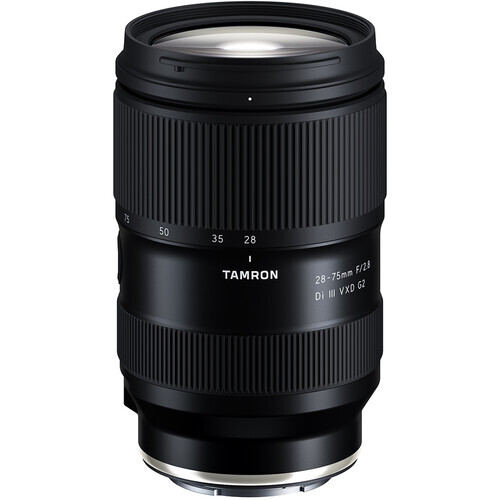
Tamron completely redesigned their popular 28-75mm zoom with the G2, incorporating technologies that blur the line between third party value and first party flagship performance.
The focal range targets real-world photography. From environmental 28mm establishing shots through tight 75mm portraits, this covers most professional scenarios. The constant f/2.8 aperture transforms available light performance, enabling wedding photographers to work confidently through dim venues.
4. The Ultrawide Revelation: Viltrox AF 20mm f/2.8
Expect to Pay: $176
Budget ultrawide lenses historically meant choosing between autofocus convenience and image quality. Viltrox shattered this compromise, proving modern manufacturers can deliver professional performance at seemingly impossible prices. The 20mm focal length is wide enough for dramatic landscapes and expansive compositions, yet not so extreme that distortion becomes distracting. Architecture photographers appreciate the mostly rectilinear rendering after profile correction. Vloggers love the field of view that frames face and environment perfectly.
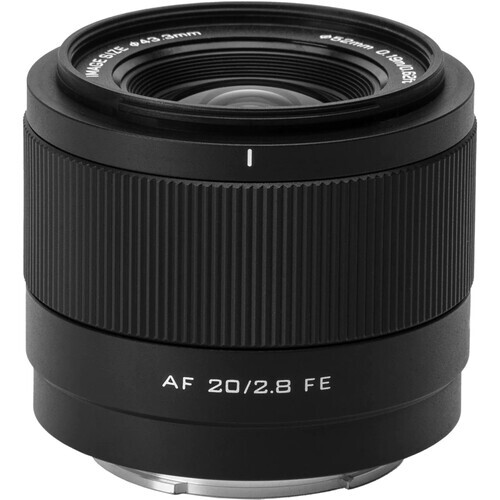
Autofocus works reliably with Sony's systems, tracking subjects accurately. The internal motor operates silently, essential for video. At just 157 grams with compact dimensions, it transforms full frame systems into mobile kits. Viltrox proved affordable doesn't necessitate compromise for many shooting situations. While more expensive alternatives like Sony's 20mm f/1.8 G offer superior corner sharpness and better control of aberrations, this lens delivers excellent value for its price point.
5. The Ultimate Travel Solution: Tamron 28-200mm f/2.8-5.6 Di III RXD
Expect to Pay: $799
Superzoom lenses earned their dubious reputation through decades of mediocre optics prioritizing range over quality. Tamron challenged this with their 28-200mm, creating an all-in-one solution that delivers genuinely professional results across its large 7.1x zoom range. The specifications suggest impossibility: a 7.1x zoom range starting at f/2.8 at 28mm. While it stops down as you zoom (reaching f/5.6 at 200mm), the brighter aperture at the wide end outperforms traditional f/3.5-5.6 superzooms. Tamron's optical engineers incorporated 18 elements in 14 groups that control aberrations beautifully.
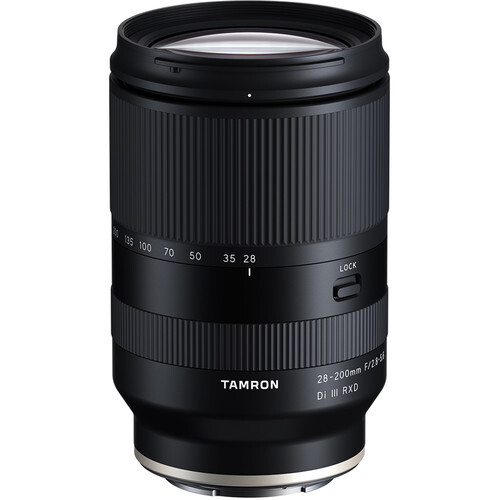
What Tamron created isn't compromise, it's a deliberate choice prioritizing flexibility and quality. Many photographers discover this stays mounted more than their expensive primes, simply because it handles so many situations competently.
6. The Accessible Reach: Tamron 70-300mm f/4.5-6.3 Di III RXD
Expect to Pay: $399
Long telephoto capability historically required significant financial investment or accepting optical compromises. Tamron challenged this with their 70-300mm, creating the first truly affordable full frame telephoto zoom for Sony's system that delivers professional results.
The focal range covers critical telephoto territory. From portrait-friendly 70mm through dramatic 300mm reach, this handles wildlife, sports, and distant architecture that standard zooms cannot approach. The variable aperture reflects intelligent engineering priorities: maintaining compact dimensions and accessible pricing while delivering usable performance throughout. Optical quality genuinely impresses those expecting budget limitations. Sharpness remains excellent across the focal range, with only minor softening at extreme telephoto requiring slight stopping down. Tamron's optical formula controls chromatic aberration effectively. The seven blade rounded aperture produces smooth background rendering.
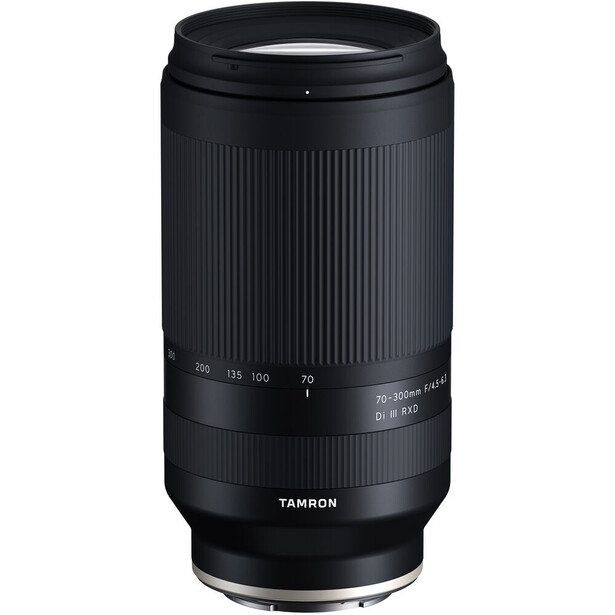
APS-C shooters discovered particular advantages here. The lens performs beautifully on crop sensor bodies while providing enormous 105-450mm equivalent reach, transforming entry-level cameras into serious wildlife and sports tools.
APS-C
7. The Essential Standard: Sigma 18-50mm f/2.8 DC DN Contemporary
Expect to Pay: $659
Sigma achieved something remarkable: the lens that should have shipped with every APS-C Sony camera. This isn't hyperbole, it's recognition that constant f/2.8 apertures at these dimensions and prices seemed physically impossible until Sigma proved otherwise.
The focal range translates to 27-75mm equivalent, covering exactly where most photographers naturally work. From environmental portraits through tight headshots, this handles contemporary photography. The constant f/2.8 aperture transforms available light performance compared to kit lenses.
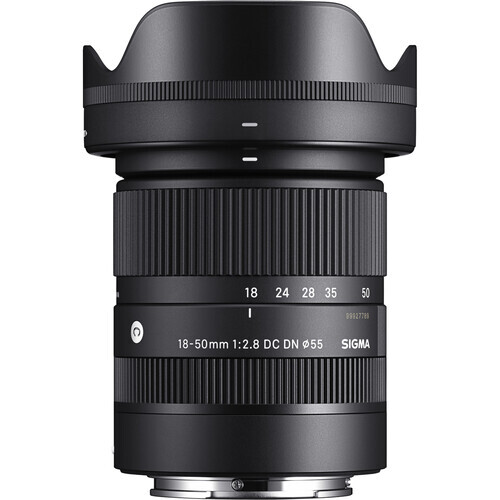
Autofocus works flawlessly with Sony's systems, tracking subjects reliably. The stepping motor operates silently, crucial for video. For APS-C shooters, this fundamentally changes system viability, transforming entry level bodies into genuinely capable professional tools.
8. The Wide Angle Master: Sigma 16mm f/1.4 DC DN Contemporary
Expect to Pay: $489
Certain lenses achieve legendary status through perfect combinations of specifications, performance, and timing. Sigma's 16mm f/1.4 earned this distinction by delivering astrophotography-grade apertures in an ultrawide package. The 24mm equivalent field of view is wide enough for dramatic landscapes yet not so extreme that distortion becomes distracting. Combined with f/1.4, this creates capabilities traditional ultrawide zooms cannot match. Astrophotographers gain light gathering power essential for Milky Way captures without tracker equipment.
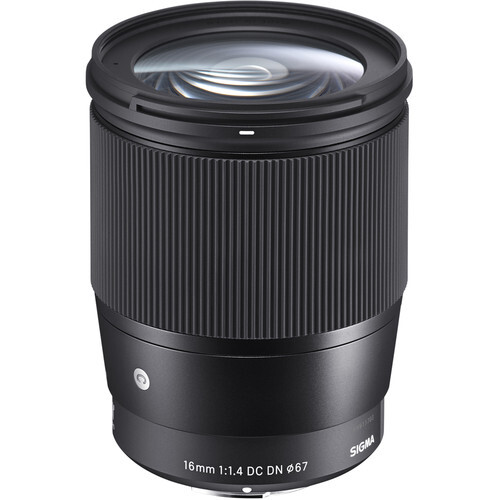
Vloggers discovered this lens' particular magic. The field of view perfectly frames face and environment for engaging storytelling, while f/1.4 enables attractive background separation. Autofocus tracks faces reliably, creating professional vlogging capability at accessible pricing. It's the lens that defines APS-C wide angle photography.
9. The Portrait Perfection: Sigma 56mm f/1.4 DC DN Contemporary
Expect to Pay: $479
Sigma's third entry in their legendary APS-C f/1.4 trio delivers exactly what portrait photographers dream about: flagship grade rendering at accessible prices. This isn't merely good, it challenges full frame alternatives costing significantly more.
The 85mm equivalent focal length compresses facial features beautifully while maintaining comfortable working distances. Combined with f/1.4, this creates subject isolation and background rendering that defines contemporary portrait aesthetics. Optical performance genuinely surprises those expecting Contemporary series limitations. Wide open sharpness delivers detailed eye focus that separates professional portrait work. The nine blade circular aperture renders backgrounds with creamy smoothness. Transition zones between sharp and blurred areas exhibit three dimensional "pop" that makes subjects float against dreamy backgrounds.
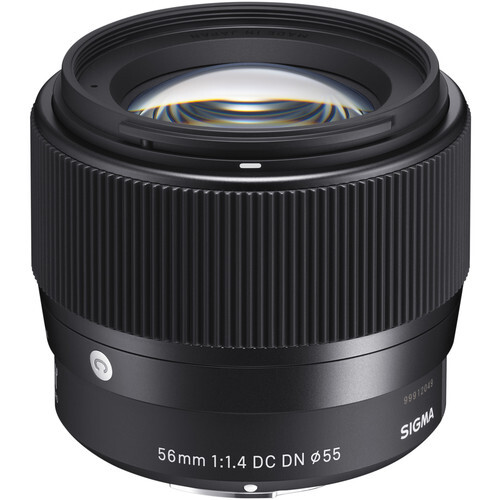
Autofocus works flawlessly with Sony's eye detection systems, locking onto subjects reliably. The stepping motor operates silently, crucial for portrait sessions. What Sigma achieved deserves recognition: a portrait lens that competes directly with full frame alternatives at a fraction of the cost.
10. The APS-C Telephoto King: Sony E 70-350mm f/4.5-6.3 G OSS
Expect to Pay: $1,198
Sony's commitment to APS-C shooters manifested brilliantly in their 70-350mm G series telephoto, creating super telephoto capability that transforms crop sensor systems into serious wildlife and sports tools. This isn't compromised consumer glass, it's genuine G series excellence.
The focal range translates to spectacular 105-525mm equivalent coverage, providing reach that rivals expensive full frame super telephotos. Wildlife photographers gain frame filling animal documentation capability. Sports shooters can pull action from across stadiums into intimate compositions.
Optical performance reflects Sony's G series standards, delivering sharpness that remains excellent across the focal range. Advanced glass elements control aberrations effectively, producing clean images with minimal color fringing even at extreme telephoto. The seven blade rounded aperture renders backgrounds smoothly.
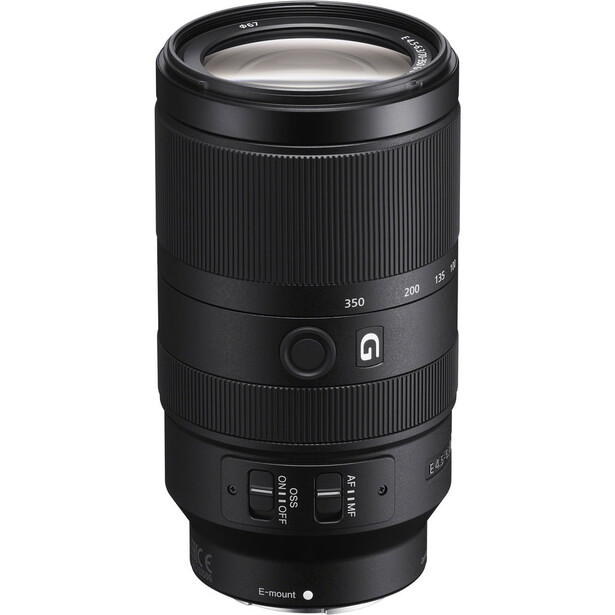
Autofocus works flawlessly with Sony's systems, tracking moving subjects with confidence. The internal focus design maintains consistent length during adjustments. As a G series lens, it features a dust and moisture-resistant design that enables confident use in challenging conditions.
What Sony achieved deserves recognition: they created super telephoto specifically for APS-C that competes directly with full frame alternatives, without compromise.
Accessible Excellence
These lenses maintain autofocus and metadata communication, with optical stabilization available on select models that include it. Note that some third-party lenses may not support the fastest burst rates or newest camera features, but they deliver reliable performance for most shooting scenarios. Third-party manufacturers like Sigma, Tamron, Samyang, and Viltrox proved that licensed cooperation elevates everyone's performance.
What makes this moment special isn't just affordability, it's the realization that optical excellence has been democratized. These aren't training wheels or stepping stones. They're legitimate professional tools that deliver excellent results for their price points. While premium lenses may offer advantages in areas like corner sharpness and aberration control, many working professionals build entire careers on kits composed primarily of these exact lenses.
The financial advantages make photography accessible to more people, but the deeper value lies in eliminating the false choice between capability and affordability. You can build a professional Sony system capable of handling any assignment without requiring professional level income. That's not just better value, it's a fundamental shift that makes serious photography genuinely accessible to everyone passionate enough to pursue it.




Join the Fstoppers community for free
-
Post comments and join in the discussions
-
Browse the site ad-free
-
Share your work and get featured in the community
-
Compete in the photo contests for fun and prizes
1 Comment
Several of those lenses can be replaced with the FE 24-240mm F3.5-6.3 OSS Full-frame Telephoto Zoom Lens with Optical Steady Shot. 36-360mm in APS-C
For those into Macro the FE 50 mm F2.8 Macro Full-frame Standard Macro Prime Lens with a close to lens front with a AF/MF with a sliding lens part also with .16 m/6.3 in close focus from sensor also DMF (Direct manual focus). For beginner cost low price never cheap.
Sony APS-C E 10-18mm (15-27mm in 35mm) f/4 OSS but can be used in Full Frame at 12-18mm (18mm if light shield is removed) smaller than the FE 12-24mm f/4 or f/2.8 or any new primes and has front threads for filers and with OSS you get X, Y and Z stabilization. made in 2012 for APS-C cameras but still same price as 2014.