

There was a time when serious photographers sneered at superzoom lenses. The old 18-200mm options earned their terrible reputation honestly: muddy corners, slow autofocus, and the kind of optical compromises that made you wonder why you bothered upgrading from a smartphone. But that era is over. Modern computer-aided lens design has produced a new generation of travel zooms that are genuinely sharp, reasonably fast, and often weather-sealed. If you have been hauling a bag full of primes through airports and hiking trails, it might be time to reconsider.
The case for a single do-it-all lens is simple. Changing glass in a crowded souk or on a windswept cliff is stressful at best and sensor-destroying at worst. Carrying ten pounds of equipment turns a leisurely vacation into an endurance test. And perhaps most importantly, the shot you miss while fumbling for a different focal length is gone forever. These modern superzooms solve all of that. You give up some edge-to-edge acuity compared to top primes, but you gain the ability to capture wide landscapes and distant details in the same moment, without ever opening your bag.
I have tested the current options across every major mount system to find the single best travel companion for each platform.
Sony E Mount (Full Frame)
The Winner: Tamron 28-200mm f/2.8-5.6 Di III RXD
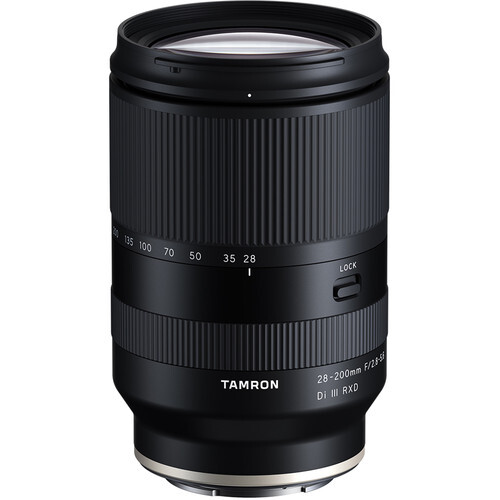
Optically, it punches well above its weight class. Corner sharpness is excellent by 35mm and remains strong through the midrange. It weighs less than Sony's own 24-105mm f/4 G lens while offering nearly twice the reach. The autofocus is quiet and confident, making it equally suitable for stills and video work.
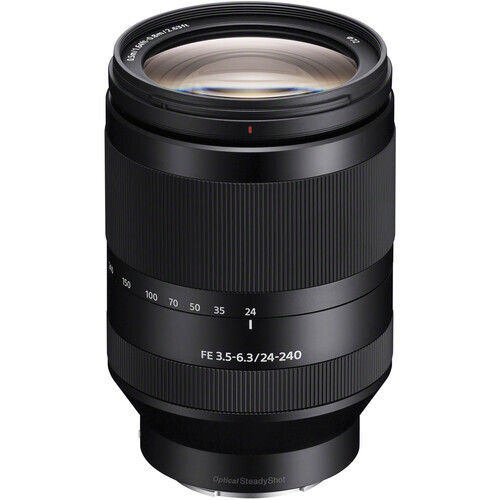
The Alternative: Sony FE 24-240mm f/3.5-6.3 OSS
Nikon Z Mount (Full Frame)
The Winner: Nikon NIKKOR Z 24-200mm f/4-6.3 VR
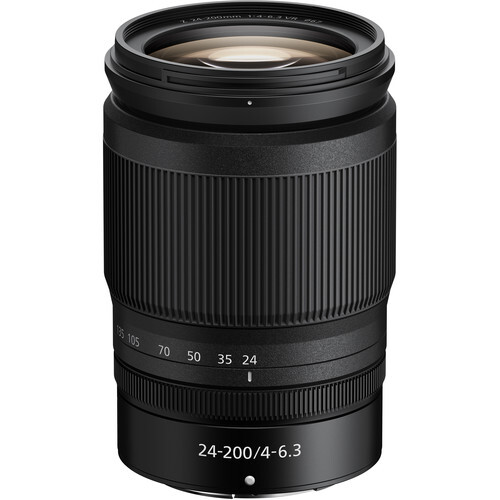
The 24mm wide end is a meaningful advantage over competitors that start at 28mm. That extra four millimeters makes a real difference when you are trying to capture a sweeping vista or fit an entire building into the frame from across a narrow street. The built-in VR stabilization is effective, and the weather sealing provides confidence in unpredictable conditions.
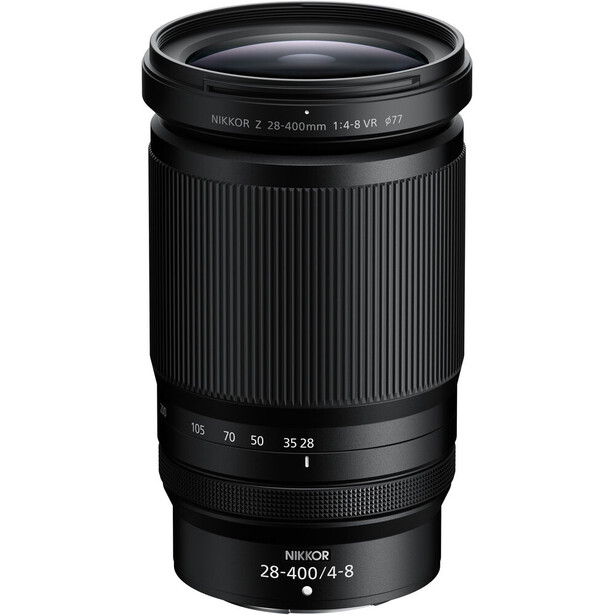
The Alternative: Nikon NIKKOR Z 28-400mm f/4-8 VR
Canon RF Mount (Full Frame)
The Winner: Canon RF 24-240mm f/4-6.3 IS USM
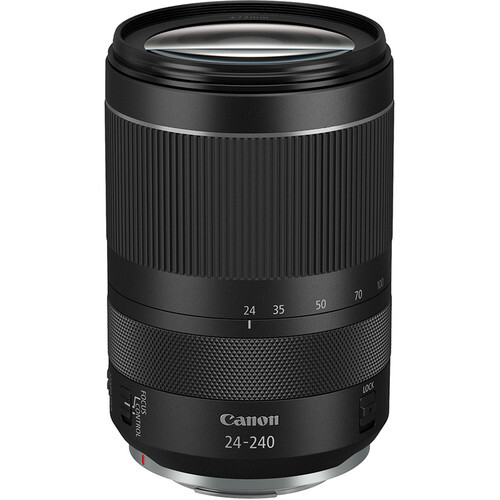
The Nano USM autofocus motor deserves special mention. It is fast, silent, and smooth enough for video work, which makes the Canon RF 24-240mm f/4-6.3 IS USM particularly appealing for hybrid shooters who want to capture both stills and footage without changing glass.
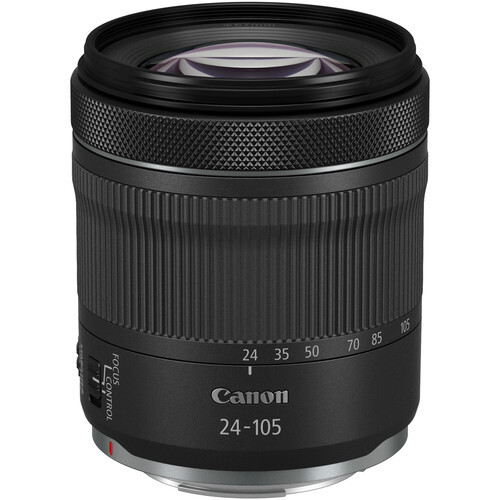
The Alternative: Canon RF 24-105mm f/4-7.1 IS STM
Fujifilm X Mount (APS-C)
The Winner: Tamron 18-300mm f/3.5-6.3 Di III-A VC VXD
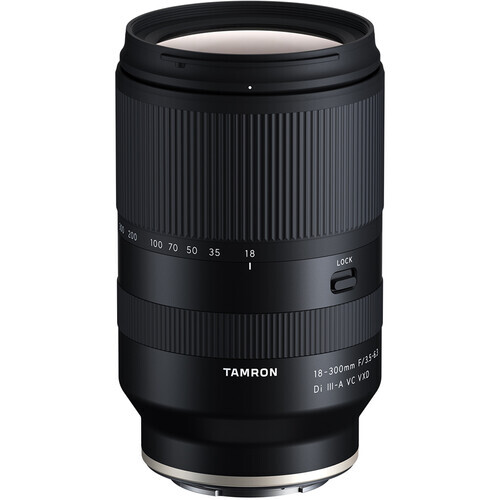
Beyond the range, the Tamron 18-300mm f/3.5-6.3 Di III-A VC VXD offers impressive close-focusing capabilities with a 1:2 macro ratio. This means you can photograph intricate food presentations, exotic flowers, or interesting textures without switching to a dedicated macro lens. For travelers who want maximum flexibility, it is hard to beat.
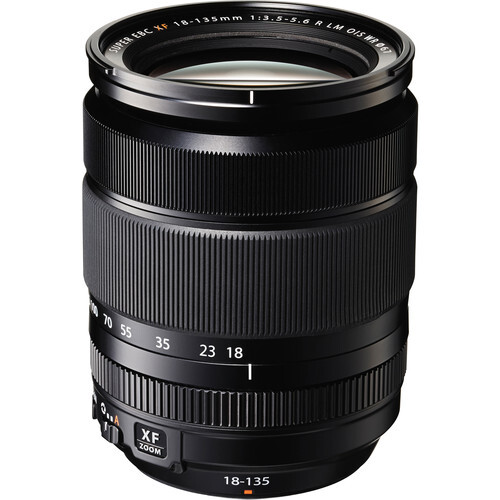
The Alternative: Fujifilm XF 18-135mm f/3.5-5.6 R LM OIS WR
Micro Four Thirds
The Winner: Olympus M.Zuiko Digital ED 12-100mm f/4 IS PRO
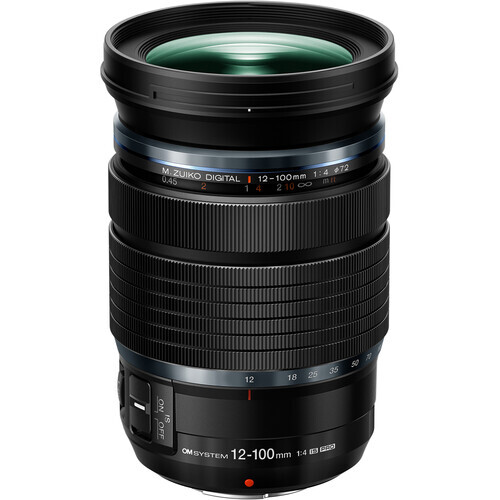
But the stabilization is the real magic trick. Combined with an Olympus or OM System body, the Olympus M.Zuiko Digital ED 12-100mm f/4 IS PRO makes multi-second handheld exposures realistically achievable. Many shooters report sharp images at one to two seconds with proper technique. You can leave your tripod at home and still capture sharp images in genuinely dark conditions. For travel photography, this is a transformative capability.
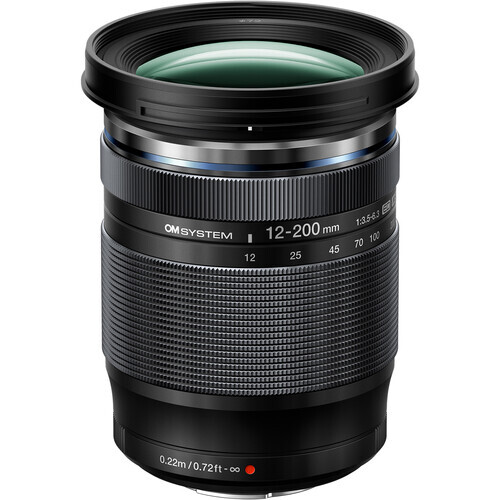
The Alternative: Olympus M.Zuiko Digital ED 12-200mm f/3.5-6.3
L Mount (Panasonic/Sigma)
The Winner: Panasonic Lumix S 28-200mm f/4-7.1 Macro O.I.S.
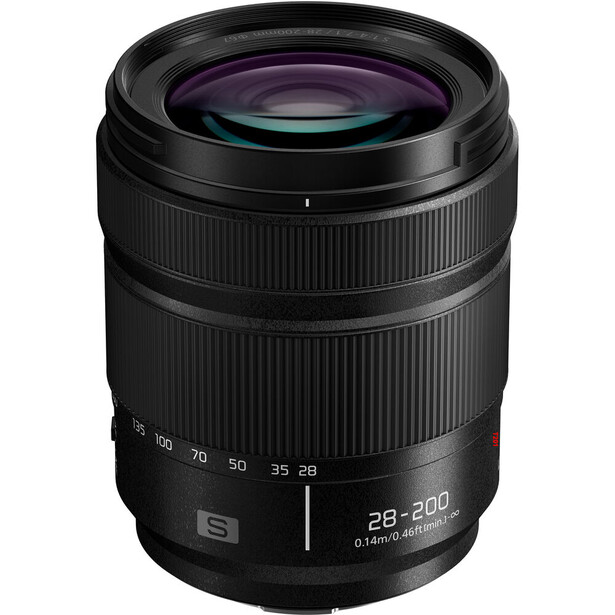
The "Macro" designation indicates useful close-focusing ability, which adds another dimension of versatility. Image quality is solid throughout the range, though the relatively slow f/7.1 aperture at 200mm does limit low-light telephoto work.
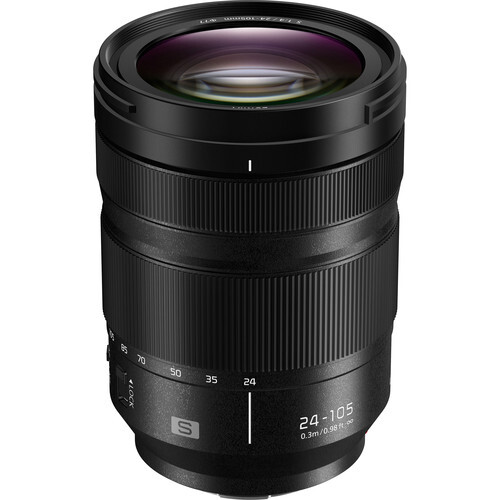
The Alternative: Panasonic Lumix S 24-105mm f/4 Macro O.I.S.
The Freedom of Simplicity
The best camera is the one you have with you, and the best lens is the one that lets you capture the moment without hesitation. These modern superzooms represent a genuine revolution in optical engineering. They prove you can have serious image quality and ultimate convenience in the same package.
Will a dedicated 85mm f/1.4 produce creamier portraits? Absolutely. Will a fast 24mm prime outperform any zoom in low light? Of course. But will you have those lenses mounted and ready when a perfect moment appears during your vacation? Probably not.
Pick the lens that fits your mount, leave the rest of your gear at home, and actually enjoy your trip. The shots you will get with a single versatile lens far outnumber the theoretical shots you could have captured with a bag full of glass collecting dust in your hotel room.


Join the Fstoppers community for free
-
Post comments and join in the discussions
-
Browse the site ad-free
-
Share your work and get featured in the community
-
Compete in the photo contests for fun and prizes
9 Comments
How did you miss both new lenses for E mount? Tamron has the 25-200 and sigma has the 20-200, both have been announced for a while now.
That, and recommending the Sony 24-240, a soft lens, is a bit odd.
I have not yet figured out why there is such a push for fast glass and now on Canon and Nikon cameras being mirrorless cameras where High ISO's today are a second thought especially with all the editors having great noise reduction and with Full Frame cameras with a press of button you are in APS-C mode for a in camera zoom or in camera crop.
Back in 2019 yes I went Sigma 150-600mm f/5-6.3DG OS HSM C 015 and both 1.4x and 2X teleconverters and used APS-C when birding also havening to use an adapter for the Canon version lens. But I did too soon for Sony came out with its FE 200-600mm and great 1.4x and 2x Teleconverters, just to show I have been used other platforms lenses. and just for thought maybe no need for the 1.4X teleconverter due to APS-C mode is a 1.5 crop.
I got the Sony FE 24-240mm f/3.5-6.3 OSS and 36 to 360 in APS-C mode back in 2015 and has been on any Sony camera I may have had through those 10 years when on walkabouts in my little tear drop bag. Yes there was a review that did not due it Justus. In the light of day or dark of night it has done a great job of capturing the light.
If I may add a lens for those who want to do some astro MW's or just a wide angle lens to pull out of their bag that is real small and light with threads for filters. Made for Sony APS-C cameras in 2013 before the A7 line came out. The E 10-18mm (15-27mm in 35mm) F4 OSS that can be used un Full Frame mode (kind of a reverse use) as 12-18mm. Not till 2017 when the 12-24mm F4 G was a 12mm available and it was heavier and larger and required an external filter holder ($ added) and and large glass filters. It is a handy little lens of indoors or out doors wide capture but my main use is MW panoramas for it is light above on a panorama rig vs the 12-24mm F4 G or the 12-24mm F2.8 GM or even the nearest 14mm F1.8 that also needs external filter holder and large filter glass. It also is great for a daytime panorama.
1. Sigma 150-600mm f/5-6.3DG OS HSM C 015
2-4. Sony FE 24-240mm f/3.5-6.3 OSS #2 at 360mm #3 + #4 at 24mm
Surprised that you didn't push Sony's new 400-800mm zoom. Or the 50-150 f/2. I love my FE200-600mm G lens when I point it at the night sky. I may buy the 400-800mm for the same reason. The 50-150mm f/2 intrigues me, as well. Now that I'm in a wheelchair, I think it would be a great run, gun, and only one lens. I can throw my 24mm lens in if I have to take obligatory, wide angle group shots.
The headline said every camera mount but you neglected Pentax which has very little competition in the DSLR market.
Also missing M and we all know it's the 35 summicron
I think, for MFT as an alternative to the Oly 12-100mm, the Panasonic 14-140mm ii should have been mentioned. It has a very decent range with very good overall image quality (better than the Oly 12-200).
Saying that Sony f/4 lens don't work in dim light is ridiculous. I worked my 24-105mm f/4 kit lens to death before I replaced it with the 24-70mm f/2.8. I have some great night shots from when I was a street walker. I used nothing, but the light that was there. I never once felt that I needed to reshoot the scenes. You also don't need a 200+mm zoom. With the clarity of most sensors, today, you can crop in post. Also, vacationers use a camera the majority of the time for close shots, less than 50m. It's better to buy a decent f/2.8 zoom lens that will be more suitable for your higher percentage shots.
I use a Sony a7iii, having purchasing it as a retirement gift to myself. I initially used the Sony 24-240 lens that was terribly heavy and expensive. My biggest complaint was that it was soft everywhere - even in manual focusing mode. And, I mean everywhere. After a month of schlepping it around, I went back to the camera store where I purchased them both and showed them the images. After their testing they agreed that there was a problem with the lens and said that I would have to deal with Sony directly. That was a waste of time. They were going to charge me for shipping both ways and indicated that unless there was a true manufacturing defect, that nothing would be done. I wound up selling it for a huge loss on eBay (after disclosing my concerns) and purchased the Tamron lens you reviewed. It has been 5 years and I couldn't be more pleased. I find it super sharp everywhere. If there is any edge softness, I can't appreciate it. Even if there is, it never affects my image because, after all, who views photos with a straightedge in hand. I wish it was a little wider because there are times I would like a 24mm image but it's otherwise fantastic. It is much lighter and a whole lot cheaper in price. Best lens I have ever owned during my 50+ years behind the lens.