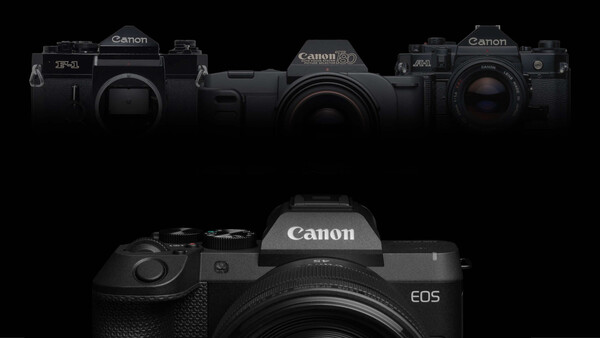
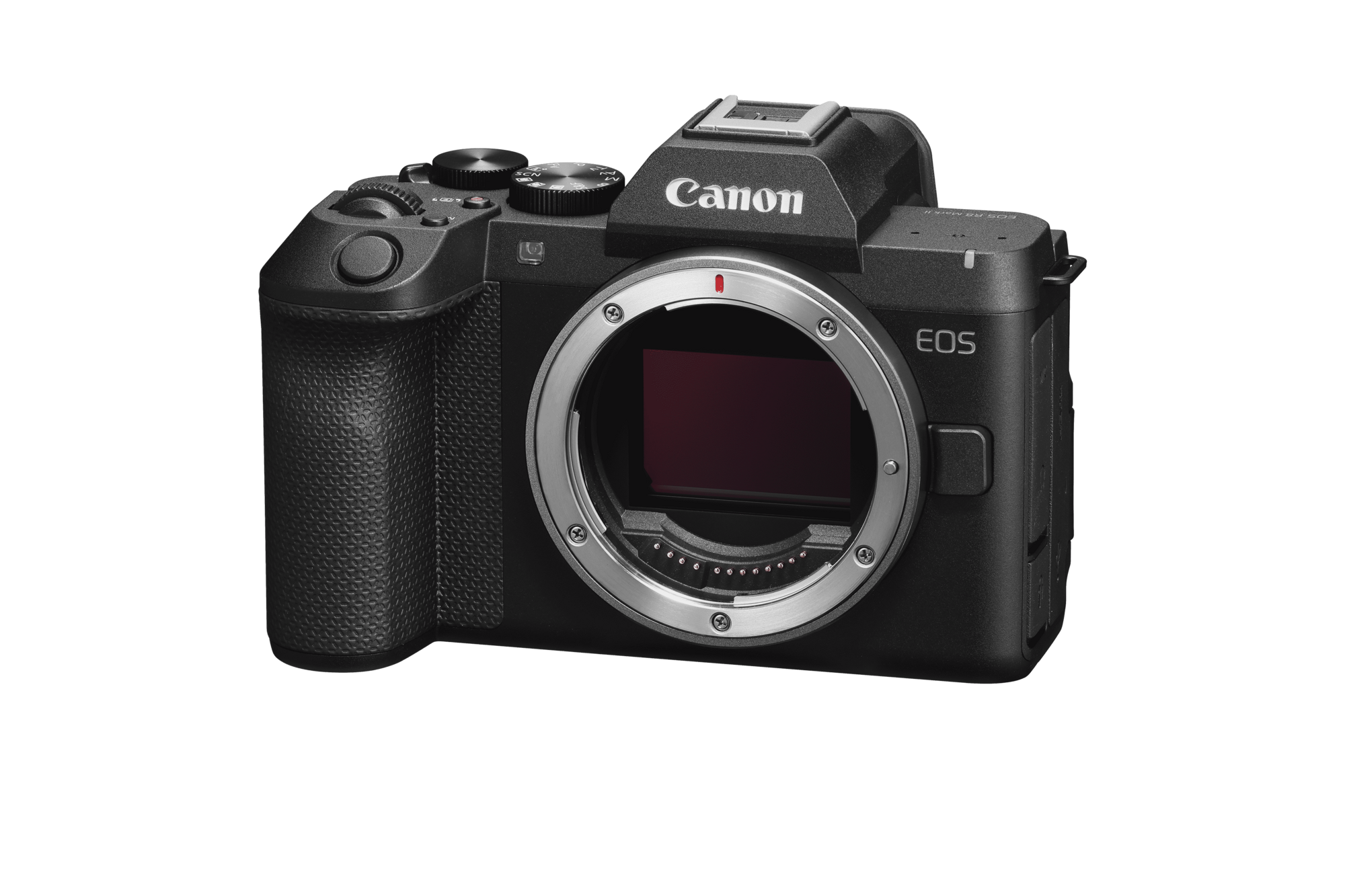
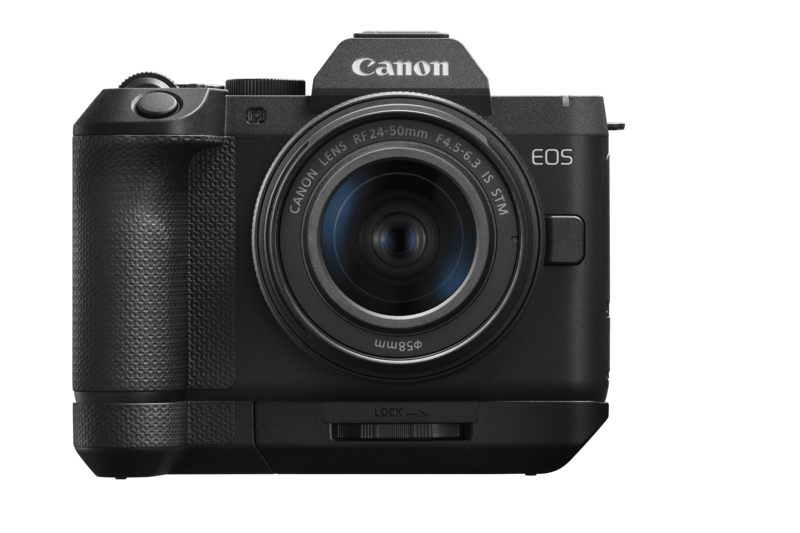
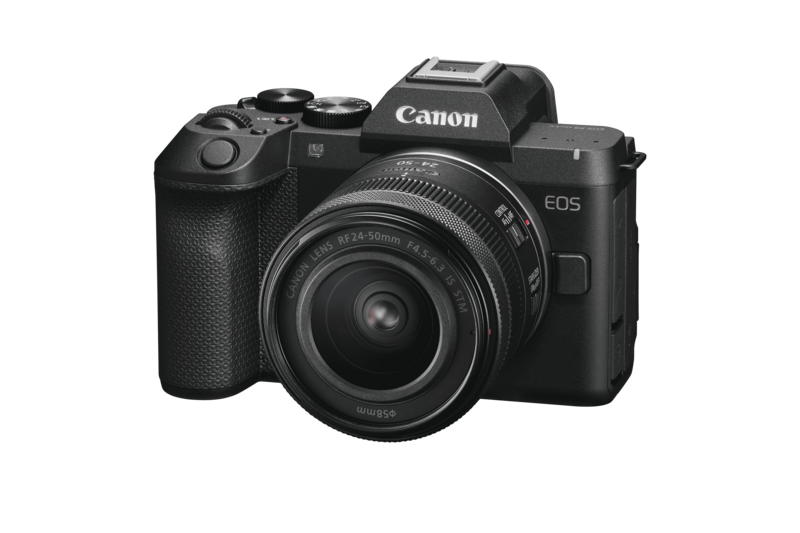
Canon has announced the EOS R8 Mark II, a 24.2-megapixel full frame mirrorless camera that adds 5-axis in-body image stabilization while retaining up to 40 fps electronic-shutter shooting. The camera is expected to ship in late October for an estimated $1,899 body-only price.
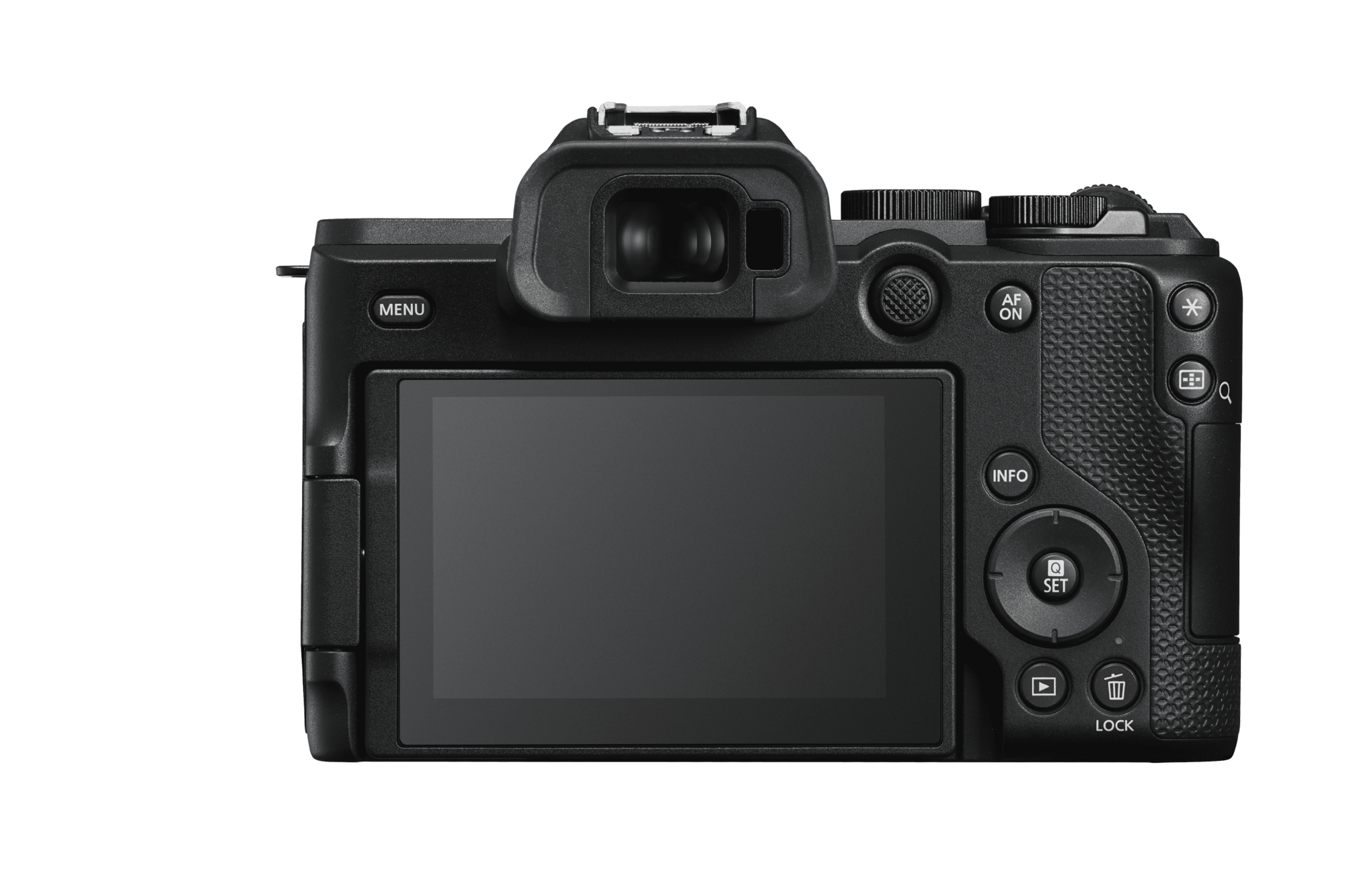
Compared with the Canon EOS R8, Canon says the Canon EOS R8 Mark II provides more tenacious autofocus tracking and increases the number of uninterrupted JPEG frames by 58% and raw frames by 30%. The new model also includes Register People Priority, a multi-controller, and Canon's 5-axis In-Body Image Stabilizer. At approximately 1.2 lb with a battery and card, Canon describes it as its lightest EOS camera with IBIS.
24.2-Megapixel Full Frame Sensor and 5-Axis IBIS
The Canon EOS R8 Mark II uses a 24.2-megapixel full frame CMOS sensor with a standard still-image sensitivity range of ISO 100-102,400. Expanded settings run from the equivalent of ISO 50 through ISO 204,800. The sensor measures approximately 36 x 24 mm.
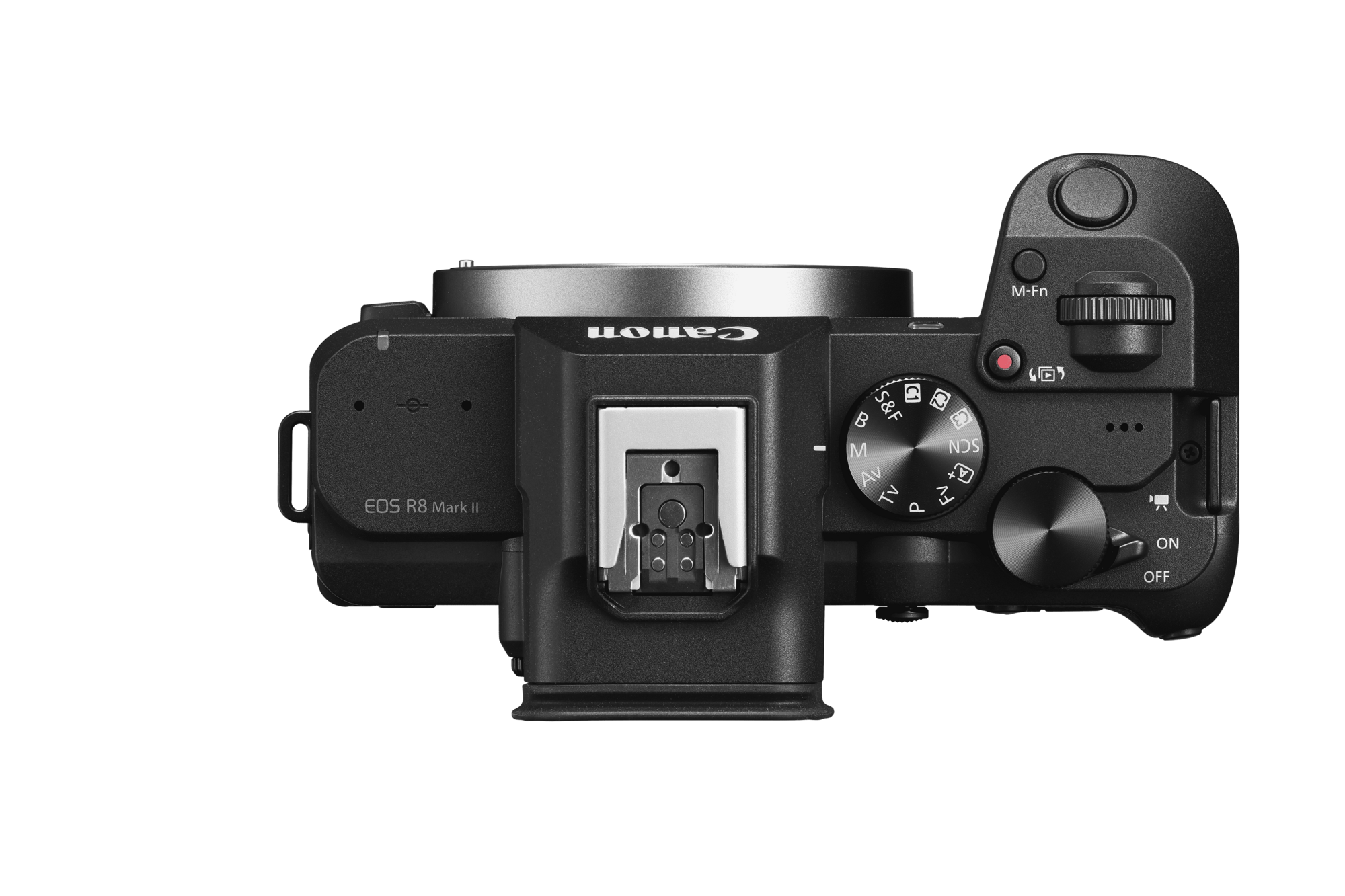
The camera incorporates a 5-axis in-body stabilization system with Coordinated Control when paired with lenses that have optical stabilization. Canon also includes Peripheral Coordinated Control, which is intended to reduce peripheral blur when using wide angle lenses.
The camera records JPEG, HEIF, raw, and C-raw still images and uses a single SD card slot compatible with SD, SDHC, and SDXC media, including UHS-II cards. Full-resolution JPEG and raw files are approximately 6,000 x 4,000 pixels.
Up to 40 fps and Pre-Continuous Shooting
With its electronic shutter, the EOS R8 Mark II can shoot at up to 40 fps. Electronic first-curtain shooting reaches up to 6 fps. Canon also provides 20 fps and 5 fps electronic-shutter drive settings.
An optional pre-continuous shooting function can record up to 20 still frames from immediately before the shutter button is fully pressed. Compared with the Canon EOS R8, Canon says the maximum uninterrupted burst has increased by 58% for JPEG shooting and 30% for raw. Under Canon's specified test conditions with a 128 GB UHS-II card, the maximum electronic-shutter burst reaches approximately 190 full-resolution JPEG images or 73 raw images, depending on image-quality settings.
Electronic-shutter speeds extend to 1/16,000 s in supported exposure modes, while electronic first-curtain operation reaches 1/4,000 s. Flash photography is not supported with the electronic shutter.
Dual Pixel CMOS AF II Covers the Full Frame
The Canon EOS R8 Mark II uses Canon's Dual Pixel CMOS AF II system with approximately 100% horizontal and vertical autofocus coverage for automatic selection. The camera can track people, animals, and vehicles, and Canon says tracking is more tenacious than on the EOS R8. Register People Priority is also included.
Automatic selection provides up to 1,053 AF zones for both stills and 4K video. When manually choosing a point with the multi-controller, the camera offers up to 4,368 selectable still-image positions over approximately 90% of the frame horizontally and 100% vertically. Canon rates still-image autofocus sensitivity down to EV -7.5 under its specified test conditions with an f/1.2 lens.
6K-Oversampled 4K 60p and Full HD 180p
Video recording includes uncropped 4K at up to 60p generated through 6K oversampling. Full HD can be recorded uncropped at up to approximately 180p, with audio supported during high-frame-rate recording. Slow and Fast Mode is also included.
The Canon EOS R8 Mark II supports H.265/HEVC and H.264/AVC recording, including 4:2:2 10-bit, 4:2:0 10-bit, and 4:2:0 8-bit configurations depending on the selected format. Canon Log 3 is available, along with Canon 709, PQ, HLG, and BT.709 Standard options.
Canon specifies a maximum individual recording time of up to six hours for normal video below 100 fps and up to two hours at 100 fps or higher, assuming recording is not stopped earlier by temperature, power, or another limitation. With a fully charged Canon LP-E17, Canon rates approximately 40 minutes of 4K 59.94p or 50p recording at 73°F under its stated test conditions.
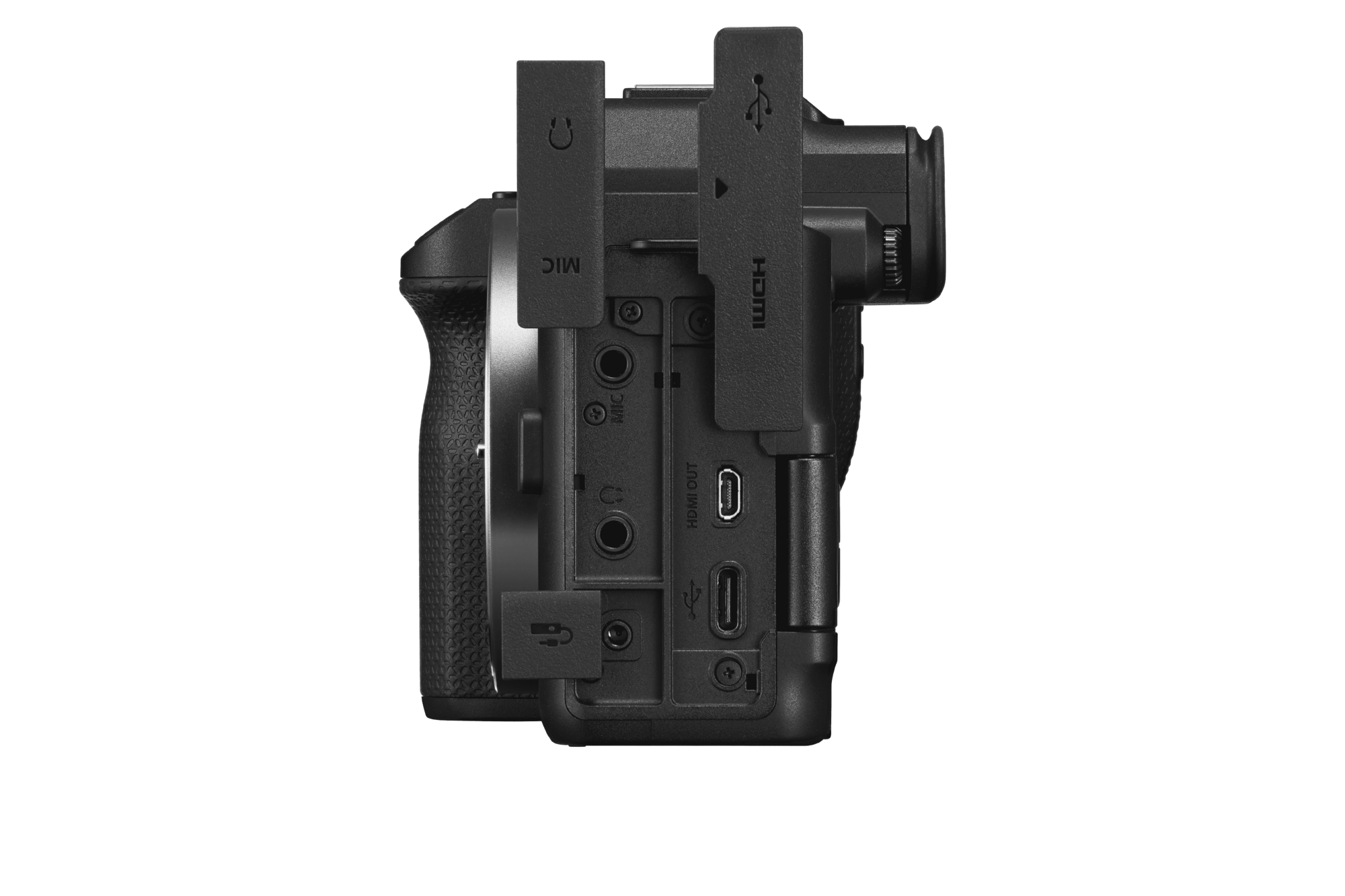
A 3.5 mm microphone input and 3.5 mm headphone output are provided. The camera also includes a Micro HDMI output and a USB-C connection supporting USB 3.2 Gen 2 speeds of up to 10 Gbps, USB charging, and external power.
Compact Body Adds a Multi-Controller
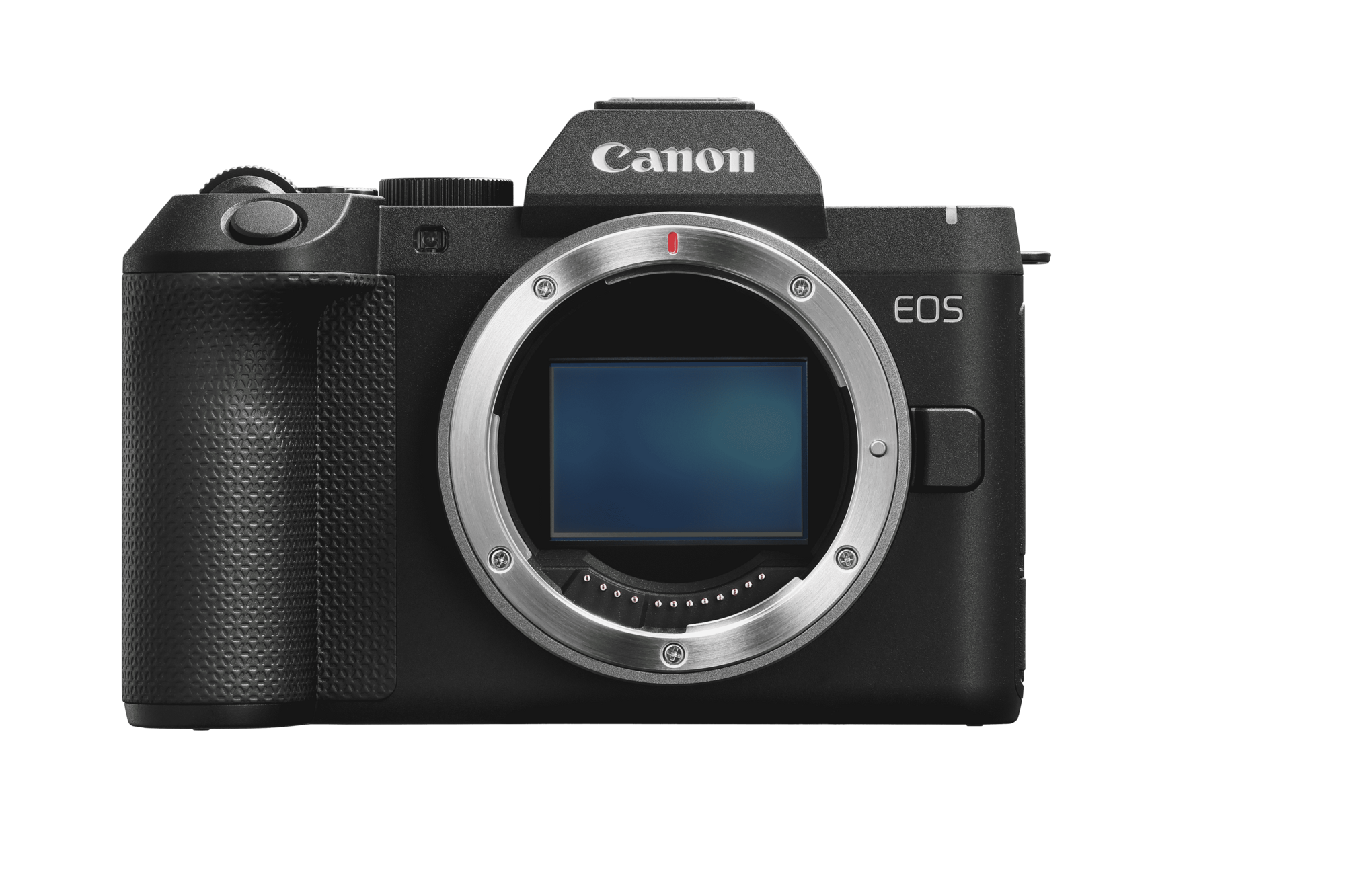
The Canon EOS R8 Mark II measures approximately 5.17 x 3.54 x 3.14 inches and weighs approximately 19.26 oz with a battery and memory card, or 17.60 oz body only. Canon has added a multi-controller for AF-point and menu operation.
The electronic viewfinder uses a 2.36-million-dot OLED panel with approximately 0.70x magnification and 100% coverage. The rear display is a 3-inch, approximately 1.62-million-dot capacitive touchscreen.
Canon rates the LP-E17 battery for approximately 220 shots through the viewfinder or 340 shots using the rear screen in its power-saving setting.
Wireless connectivity includes Wi-Fi 6 support on both 2.4 GHz and 5 GHz bands and Bluetooth 5.3. Canon says stills and video can be transferred wirelessly to smartphones or routers, while live streaming is available through wired USB-C, HDMI, or wirelessly through Canon's Camera Connect and Live Switcher Mobile applications.
The camera also includes Scene Intelligent Automatic mode, Creative Assist, Creative Bracketing, Advanced A+, 14 scene modes, and 16 color filters. Two of those filters, Negative Filmtone and Positive Filmtone, are new.
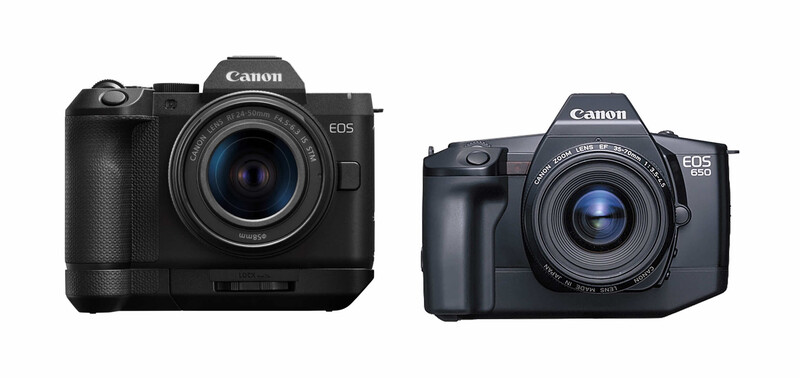
Canon is offering the dedicated Canon EG-E2 Extension Grip for users who want a taller grip or additional support with larger lenses. It attaches with a dial and does not block access to the battery compartment or tripod mount. It is expected in late October for $99.99.
Key Specifications
- 24.2-megapixel full frame CMOS sensor
- Canon RF mount
- ISO 100-102,400 standard still-image range
- Expanded still-image sensitivity from ISO 50 equivalent to ISO 204,800 equivalent
- 5-axis in-body image stabilization
- Coordinated stabilization with compatible IS lenses
- Dual Pixel CMOS AF II
- Approximately 100% x 100% automatic AF coverage
- Up to 1,053 automatically selectable AF zones
- People, animal, and vehicle subject tracking
- Register People Priority
- Still-image AF sensitivity down to EV -7.5 under Canon's specified conditions
- Up to 40 fps electronic-shutter continuous shooting
- Up to 6 fps electronic first-curtain shooting
- Pre-continuous capture of up to 20 frames
- Electronic shutter speeds up to 1/16,000 s
- Uncropped 6K-oversampled 4K video at up to 60p
- Uncropped Full HD at up to approximately 180p
- H.265/HEVC and H.264/AVC recording
- Up to 4:2:2 10-bit recording
- Canon Log 3
- 2.36-million-dot OLED electronic viewfinder
- 3-inch, 1.62-million-dot touchscreen
- Single UHS-II-compatible SD card slot
- USB-C with USB 3.2 Gen 2 connectivity up to 10 Gbps
- Micro HDMI output
- 3.5 mm microphone input
- 3.5 mm headphone output
- Wi-Fi 6
- Bluetooth 5.3
- Canon LP-E17 battery
- Approximately 220 EVF or 340 rear-screen shots in power-saving mode
- Approximately 5.17 x 3.54 x 3.14 inches
- Approximately 19.26 oz with battery and card
- Approximately 17.60 oz body only
The feature set is oriented toward hybrid shooters who want a compact full frame body with stabilization, fast electronic-shutter bursts, subject-detection autofocus, and substantial video capability. Up to 40 fps shooting and pre-continuous capture make the camera relevant for action, wildlife, and other unpredictable subjects, while uncropped 4K 60p, 10-bit recording, Canon Log 3, microphone and headphone connections, and USB or HDMI streaming broaden its video applications. The single card slot and LP-E17 battery are more limiting for work that requires redundant recording or long periods away from external power. Existing EOS R8 owners get the clearest hardware changes in IBIS, the multi-controller, improved tracking, and the larger continuous-shooting buffer.
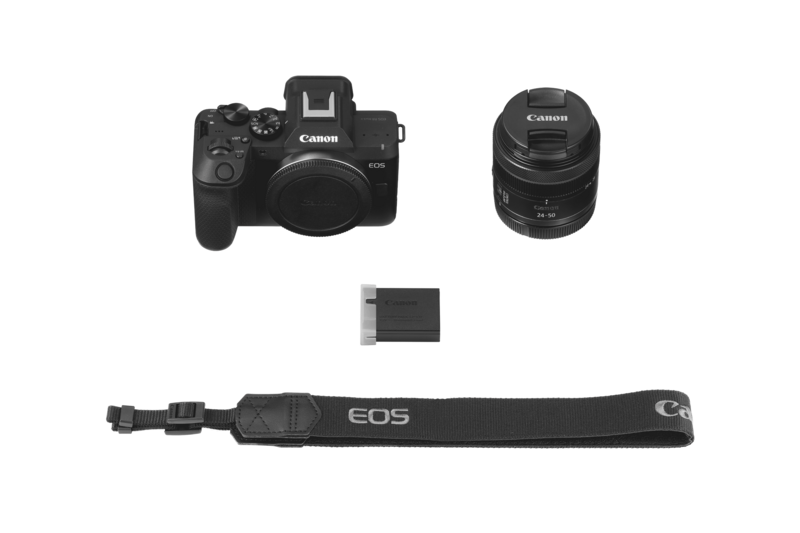
The Canon EOS R8 Mark II body is expected to ship in late October for an estimated retail price of $1,899. A kit pairing the camera with the Canon RF24-50mm f/4.5-6.3 IS STM is expected at the same time for $2,099. Canon did not provide a preorder date in the release.




Join the Fstoppers community for free
-
Post comments and join in the discussions
-
Browse the site ad-free
-
Share your work and get featured in the community
-
Compete in the photo contests for fun and prizes
No comments yet