Choosing the right Sony camera is genuinely hard. The lineup spans everything from pocket-sized compacts to flagship sports bodies, and picking the wrong one means spending money on specs you'll never use or missing features you actually need.
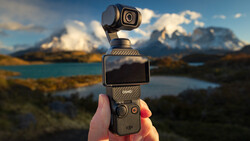
Coming to you from Julia Trotti, this thorough video breaks down every current Sony camera line, one by one, with real opinions on who each camera is actually for. Trotti starts with the compact lines: the Sony RX1R Mark III, a full frame 60-megapixel camera with a fixed 35mm lens crammed into a pocket-sized body, and the Sony RX100 VII, a 1-inch sensor point-and-shoot that Trotti still uses in an older version to this day. She's candid about the ZV line, calling out its aging image stabilization and pointing to alternatives like the DJI Osmo Pocket 3 as stronger options for vloggers right now. On the crop-sensor side, she gives a clear recommendation for the Sony a6700 as the best balance of size, price, and performance if full frame isn't a priority for you.
Where the video gets especially useful is in the full frame section. Trotti walks through the Sony a7C II, the Sony a7 V, the Sony a7R V, and the Sony a7S III, and she doesn't just recite specs. She talks about who shouldn't buy the a7C II right now given that an a7C III could be coming, why the a7 IV and a7 V are both solid choices in 2025 without needing to agonize over which one, and why the a7R V's 61-megapixel files are genuinely a burden if you don't have a specific need for that resolution. She personally shoots with the a7 IV for travel, portraits, and weddings, which gives her takes some real weight rather than purely theoretical comparisons.
The flagship bodies, the Sony a1 II and the Sony a9 III, each get their own breakdown too. The a1 II covers sports, wildlife, weddings, and video with a 50-megapixel stacked sensor and 8K video. The a9 III is the only mirrorless camera on the market with a global shutter sensor, which eliminates rolling shutter entirely, and Trotti makes a case that it's an underrated video camera that wedding shooters in particular should be looking at more seriously. Both carry significant price tags, and she's straightforward about the fact that most situations simply don't require either one. If you're trying to decide between any of these bodies or just want a clear map of how the entire Sony ecosystem fits together, the video covers ground that's hard to find laid out this cleanly in one place. Check out the video above for the full rundown from Trotti.


Join the Fstoppers community for free
-
Post comments and join in the discussions
-
Browse the site ad-free
-
Share your work and get featured in the community
-
Compete in the photo contests for fun and prizes
No comments yet