If you are anything like me, you quickly figure out how to integrate a new camera into your workflow, habit patterns, and shooting environment, and then stop. If this sounds familiar, this video is a great reminder to utilize our gear to its full potential and stop making life harder than necessary.
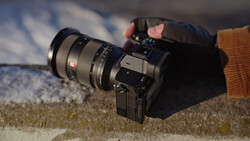
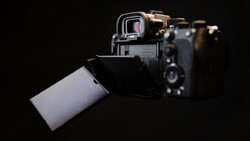
Sidney Diongzon's video covers how and why he programmed the custom modes of his Sony a7 V, but the lesson applies to any brand or shooting style. Your gear has some amazing features and capabilities that can be overwhelming, but if you take the time to learn and use them, they can make your life much easier and your work better.
As I watched this video, I realized I have three Sony cameras on my shelf that I use regularly, and not one of them has anything programmed into the three memory functions. Nothing. That is six custom modes on each camera (three photo and three video) that I have not been using. Has it stopped me from getting my job done? No. Have I, at times, unwittingly made things harder than they need to be? Yes.
Even though I don't shoot a lot of video, I enjoy Diongzon's reasoning for the different video settings he has programmed into his camera. They do a great job of covering what most people will want or need to capture. Even if you are primarily a still photographer, having these video settings programmed and ready at your fingertips will be incredibly helpful when you need to film. After watching this video, I sat down with my Sony a1 II, a9 II, and a7C II. I set my custom video modes to match Diongzon's, since they make sense for the videos I tend to shoot. Then I programmed the three custom photo modes to a baseline ISO, shutter speed, and aperture for the three most common situations in my motorsport photography: freezing action with a high shutter speed, panning with a slow shutter speed, and general environmental portrait settings to cover most conditions.
I will still have to massage the settings a bit based on conditions, but the point is to quickly set up the camera for a specific type of shot. The custom photo and video modes are now the same across my three camera bodies, so I know that whichever one is in my hand, I can quickly switch to a programmed mode to tackle a dynamic situation.
Today's cameras are so capable that sometimes we need to be reminded to explore them. If you haven't looked at your manual, or a YouTube video or article on your camera model in a while, maybe it's time to take a deeper dive. If you want a structured refresher to pair with that deeper dive, Photography 101 is a solid starting point. You may find something simple you can do to make your workflow smoother and improve your results — whether that's on the Sony a7 V, the a1 II, or whatever body you reach for most.



No comments yet