

The camera industry has never been afraid to experiment. Over the years, manufacturers have pushed boundaries with bold ideas, ambitious technology, and sometimes outright gambles. Innovation often comes with risk, and not every product makes it across the finish line successfully.
For every celebrated success like the Canon 5D Mark II or the Nikon D850, there are cameras that fell flat, either because the timing was wrong, the execution was flawed, or the market simply wasn’t ready. What makes a flop fascinating isn’t just that it failed, but why it failed. Sometimes, companies tried to do too much too fast. Sometimes, they misjudged their audience. Other times, they innovated in the right direction but lacked the commitment to follow through. Each of these flops carries a lesson about technology, business, and the unpredictable tastes of photographers. Here are five of the most famous camera flops that remind us that even industry giants can stumble.
Nikon 1 Series: Too Small to Matter
When Nikon announced the 1 series in 2011, it positioned the system as a revolutionary new take on mirrorless. Instead of using APS-C sensors like Sony’s NEX or Micro Four Thirds like Olympus and Panasonic, Nikon created a new CX-format sensor that was even smaller. The theory was that this would allow for fast autofocus, compact lenses, and a sleek, modern system that could appeal to both beginners and enthusiasts. Nikon pushed hard on its marketing, emphasizing speed and portability as defining traits.
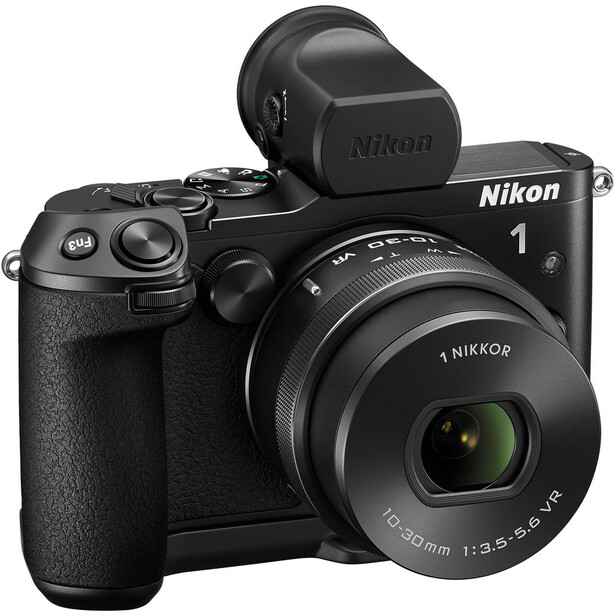
In the end, the Nikon 1 was abandoned, remembered more as a cautionary tale than a serious contender. It wasn’t just a failed product line; it was Nikon’s chance to plant a flag in the mirrorless space at a critical moment, and the company squandered it. When mirrorless finally took off in earnest years later, Nikon had to rebuild from scratch with the Z system. The 1 series now serves as a reminder that playing it safe with half-measures can be more damaging than not playing at all.
Canon EOS M: A False Start in Mirrorless
Canon, the industry titan, had every reason to dominate the mirrorless market when it finally entered in 2012. Instead, its first attempt, the original EOS M, became infamous for one glaring flaw: painfully slow autofocus. Reviewers at the time noted that even smartphones could focus faster, and casual shooters quickly grew frustrated trying to capture moving subjects. For a product designed to appeal to beginners stepping up from compacts or phones, this was a crippling weakness.
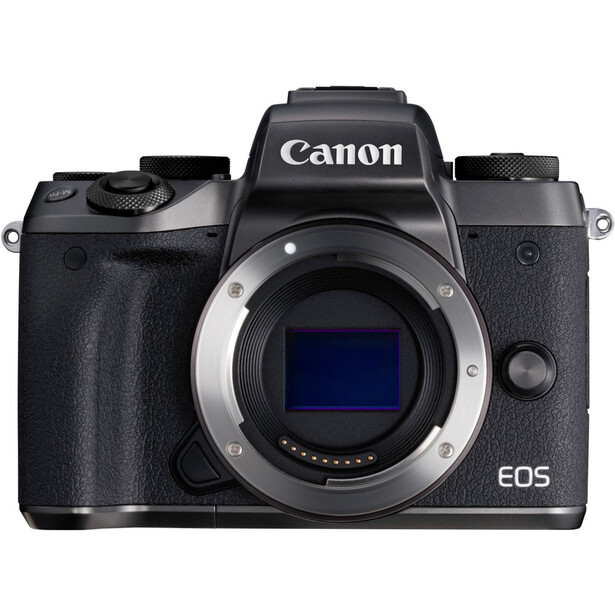
Canon eventually released improved EOS M models with better autofocus and more lenses, but the brand never shook the perception that the system was second-class. The M mount remained fragmented and never earned the same respect as Canon’s DSLRs or later RF lineup. By the time Canon pivoted fully to RF, the M system was quietly sunsetted, its legacy defined by hesitation and compromise. The EOS M wasn’t just a flop; it was a missed opportunity at a pivotal moment in camera history, proof that even the biggest brand can stumble when it underestimates the market.
Samsung NX: Innovation Without Commitment
Unlike Nikon and Canon, Samsung wasn’t weighed down by legacy. In the early 2010s, it made a serious push into the camera market with the NX series. The crown jewel was the NX1, a camera packed with cutting-edge features: 4K video, a high-resolution APS-C sensor, blazing fast burst rates, and excellent ergonomics. In many ways, it predicted the hybrid workflows that dominate today, where video and stills share equal importance. Tech reviewers at the time praised it as one of the most advanced cameras on the market, and the lens lineup was surprisingly strong for such a new system.
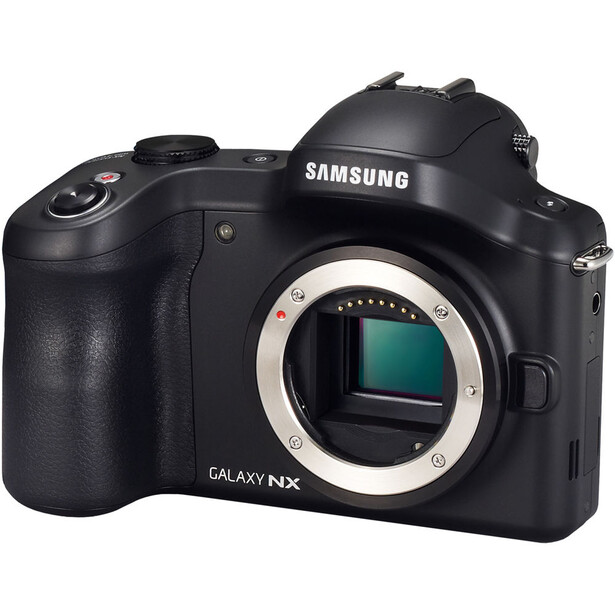
The NX1 proved that Samsung had the engineering chops to compete with Nikon, Canon, and Sony. But what it lacked was commitment. Despite building a product that was ahead of its time, Samsung abandoned the camera market entirely just a few years later. Without warning, it pulled the plug on NX, leaving users stranded with orphaned lenses and unsupported bodies. The message to photographers was clear: Samsung didn’t see cameras as a priority compared to its booming smartphone business.
The NX story remains bittersweet. On the one hand, it showed what was possible with forward-looking innovation. On the other, it underscored how fragile ecosystems can be when they lack the backing of a company committed to long-term development. For photographers who invested in NX gear, the experience was a painful reminder that a great product means nothing without trust. Today, the NX1 is remembered less as a breakthrough and more as a ghost, a camera that could have reshaped the market but was abandoned before it had the chance.
Lytro Light Field Camera: Science Project Gone Wrong
In 2012, the Lytro camera promised to change everything. Built on light field technology, it captured not just light intensity but the direction of light rays, which meant you could refocus your shot after you took it. The pitch was irresistible: never worry about focus again. Tech media hailed it as revolutionary, investors poured in money, and early adopters lined up. On paper, this was photography’s next great leap.
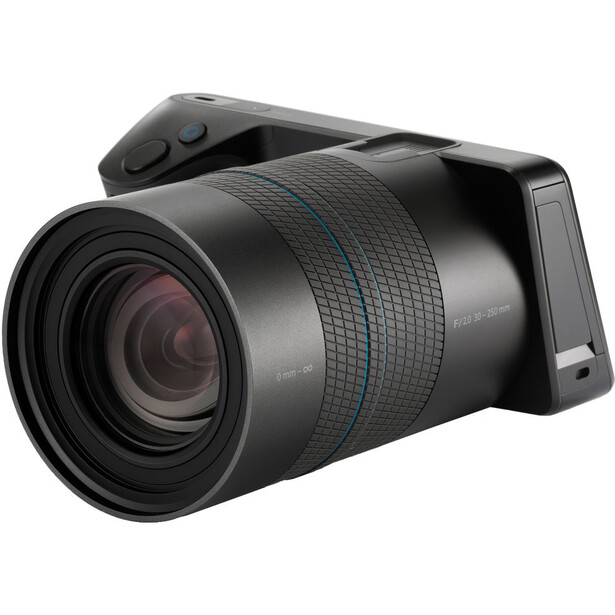
Lytro’s downfall wasn’t just about bad execution; it was about misunderstanding what photographers actually want. Focus is a challenge, yes, but solving it at the expense of resolution, usability, and workflow was a trade-off nobody asked for. By 2018, the company shut down, its ambitious promise reduced to a case study in tech hype. Lytro remains a fascinating footnote in photography: an idea so bold it captivated imaginations, yet so flawed in practice that it collapsed almost immediately.
DxO One: A Pocket-Sized Idea That Never Clicked
If Lytro was guilty of overpromising, the DxO One was guilty of overcomplicating. Launched in 2015, it was a tiny one-inch sensor camera that plugged directly into an iPhone’s Lightning port. The pitch was that you could get “real camera” image quality with the convenience of your phone. DxO, famous for its software and sensor testing, brought credibility to the concept. At launch, it sounded like the perfect bridge between smartphones and dedicated cameras.
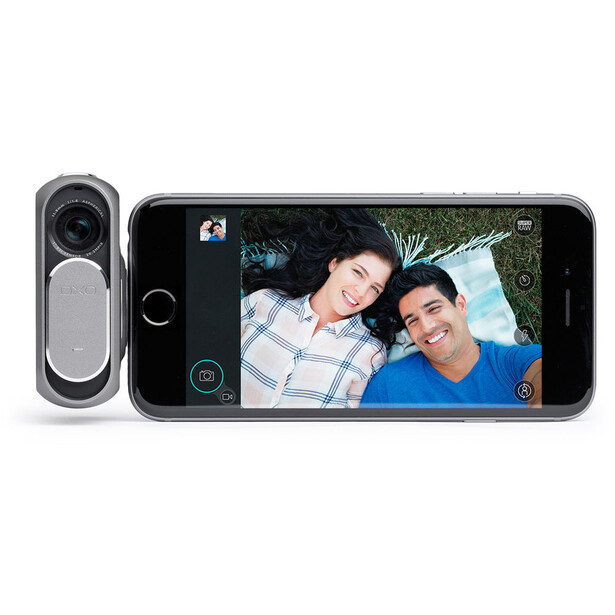
The DxO One’s failure shows how hard it is to bridge two categories successfully. Smartphones already offered convenience, while dedicated cameras offered quality. The One delivered neither seamlessly, landing in an uncomfortable middle ground. Instead of being the future of smartphone photography, it became a quirky footnote in DxO’s history. The lesson was clear: when a product feels like a compromise, it rarely survives.
Conclusion: Flops That Still Matter
These stories aren’t just cautionary tales. They also reveal the conditions that shape success. For every flop, there’s a product that learned from its mistakes and thrived. Mirrorless eventually became the dominant format, but only after early stumbles. Computational tricks like refocusing are now handled by smartphones in ways that make sense. Innovation is risky, and failure is part of progress. The industry can’t move forward without experiments, even ones that fail spectacularly. That’s why these flops matter: not because they succeeded, but because they dared to try. They remind us that every great leap in photography is built on the lessons of what didn’t work.





Join the Fstoppers community for free
-
Post comments and join in the discussions
-
Browse the site ad-free
-
Share your work and get featured in the community
-
Compete in the photo contests for fun and prizes
7 Comments
Canon handicapped the M series by limiting the size of the lenses so there was never a high-quality standard zoom. Too bad, it was a nice system.
i enjoy my M6-Mark II and of course I use EF-Lenses often.
I’ve owned cameras from the first three, and still have a couple EF-M and a 1 series camera, hah! But yeah support was never where it should’ve been, a fumble on the manufacturers’ parts.
Just want to compliment you Alex on your writing. For a long time, you seemed to be merely reposting other people's videos with your comments and summaries. More recently, your longer original articles, such as this one, have been insightful, informative, and well written. You are a talented writer. Keep it up.
I have to disagree about your characterization of the Nikon1 series. The company did not "play it safe" with half measures. Rather, I would say the Nikon1 series was ahead of its time. It went a different direction than competitors and leaned into the size advantages of the 1" sensor. I still have my J5 and it's incredible for street and travel. Light as a feather, autofocus that never misses and a 20-megapixel sensor that gives you plenty of resolution. The one mistake I would acknowledge is that the price was too high at release. That gave the edge to micro four thirds. But otherwise I love the Nikon1 and they stopped just when they hit the mark with the J5.
I had a Lytro Illum. I'd still use it occasionally if there were any place to post the fully featured "live photos". Now, you can adjust things and make a video of it, but it's no longer the viewer driving. It looks great, always prompted people to ask what it was.
Don't forget the Samsung Galaxy camera that was based on Android
https://en.m.wikipedia.org/wiki/Samsung_Galaxy_Camera