
The times when you had to buy a new camera to take your photography to the next level are long gone. Cameras haven't been a limiting factor for most genres of photography for many years now. Other types of equipment are much more critical.
I now own my fourth camera. I started photography in 2009, and on average, I bought a new camera every four years. The reason was never that the old camera had stopped working. It was always because I wanted more image quality.
At first, I wanted more megapixels to produce larger prints. Switching from my Canon 40D to the Canon 5D Mark II and then to the Canon EOS 5DS R, I reached the sweet spot at 50 MP. The files were still small enough to handle, but the quality was sufficient to print high-quality photos up to 36 inches or more.
Five years ago, I purchased the mirrorless Canon EOS R5. Despite a minor drop in megapixels, it provided significant improvements across the board. Especially the low-light performance and the dynamic range had reached a level that opened up new possibilities for me — I finally started doing more night photography.
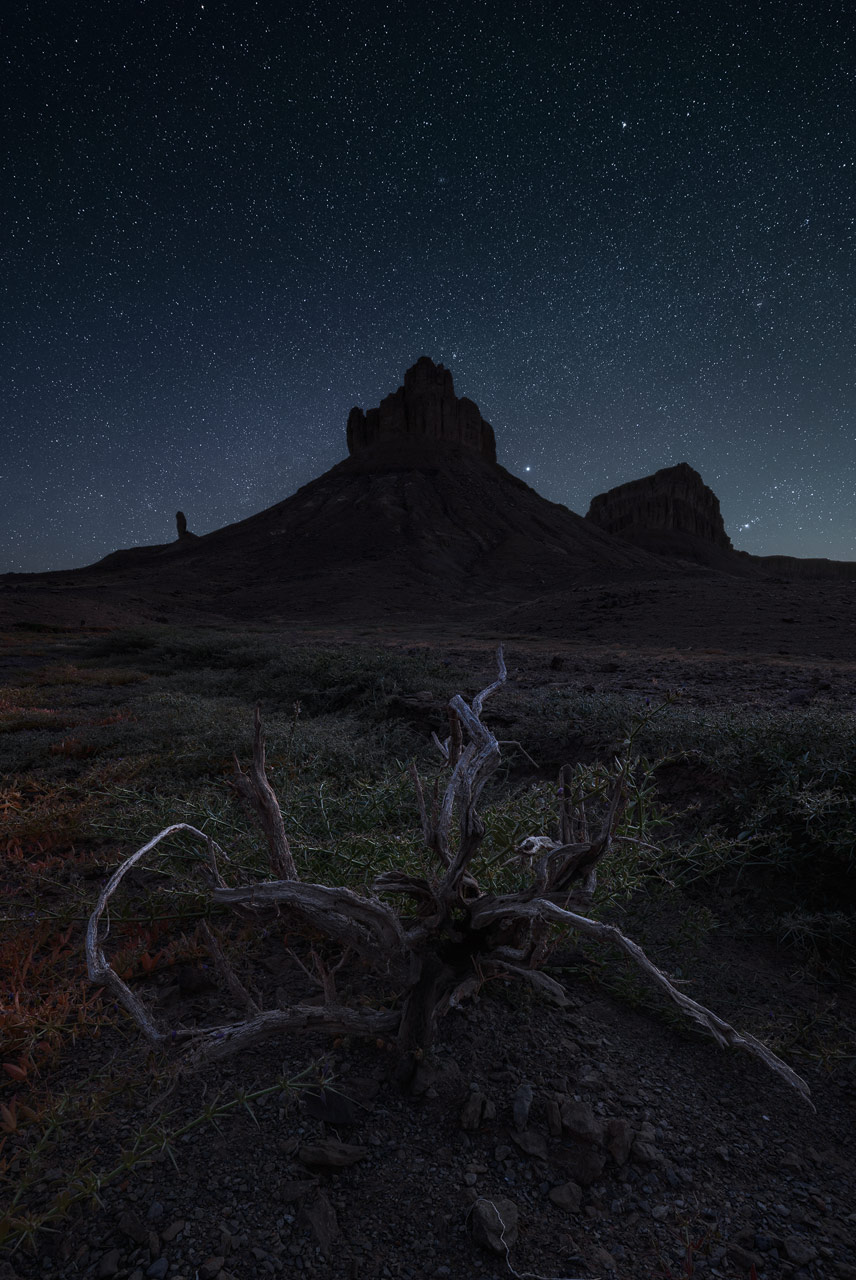
Since I bought the Canon EOS R5, I have stopped following new camera announcements and waiting for the next big leap in camera technology. I no longer felt my camera hindered my photography progress. Five years ago, modern cameras reached a level of technology that made it hard to justify upgrading to the latest generation unless they stop working for some reason.
It's the same across all camera brands. The cameras released back then are all great, and it doesn't matter which one you bought.
Better Glass vs Better Camera
There has always been a debate over which is more important: a better lens or a better camera. Based on my introduction above, you can suspect what my opinion is now. The thing that was holding my photography back after getting the R5 was one piece of gear I couldn't afford yet: a super telephoto lens.
For years, I used a Canon EF 70-200mm f/4L lens for landscape photography, and I always thought it was sufficient. But an increasing number of situations showed me it wasn't. I first felt it while traveling through Costa Rica and Malaysia. The wildlife photography opportunities there were just too good to pass up. However, 200mm was nowhere near enough to take distinct photographs.
But I also found myself wishing for a longer lens more often in my classical landscape photography. Focal ranges beyond 200mm open up a whole new world of photography opportunities.
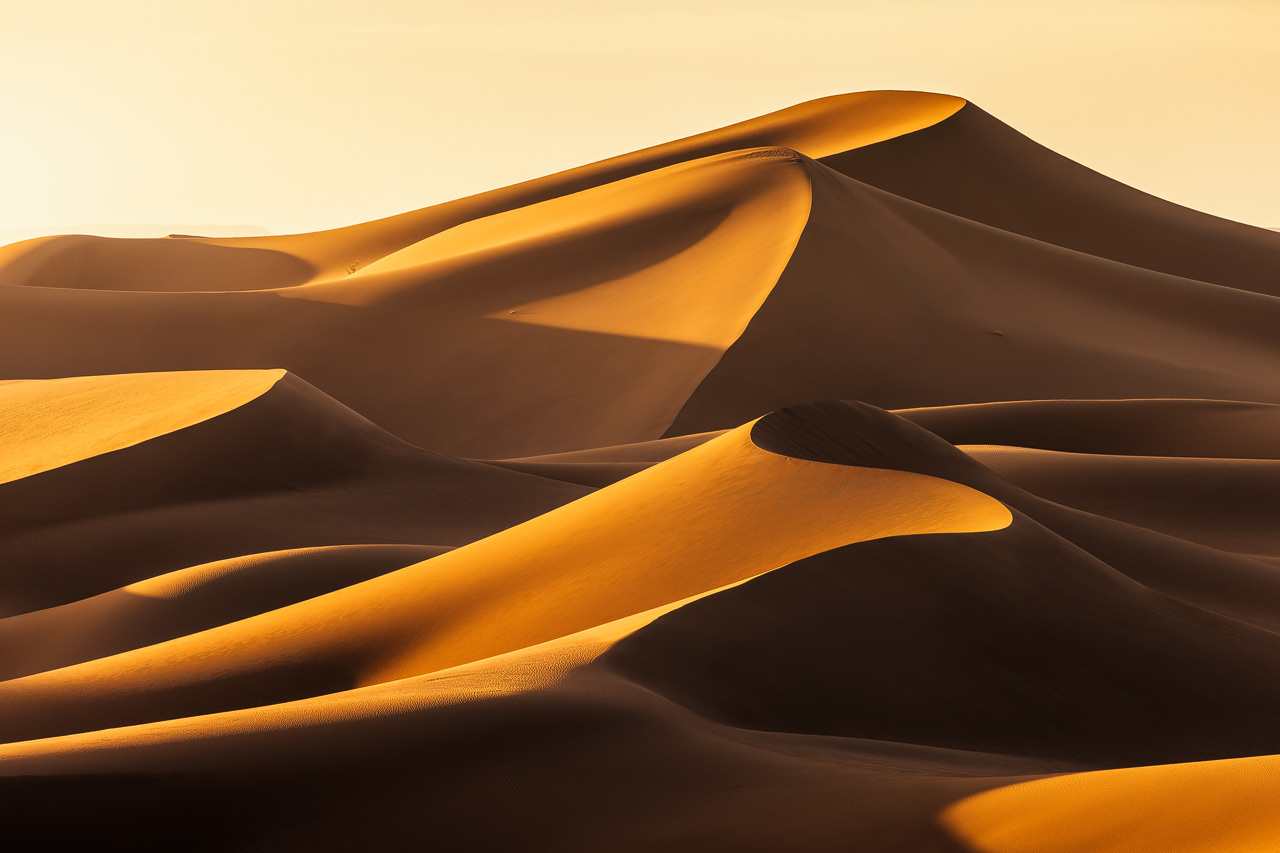
I had been traveling to Morocco nearly every year since 2019, but only after I bought the Canon RF 100-500mm f/4.5-7.1 L IS USM lens could I finally take the photos I had dreamed of all along. Desert landscapes offer endless compositions once you zoom in far enough.
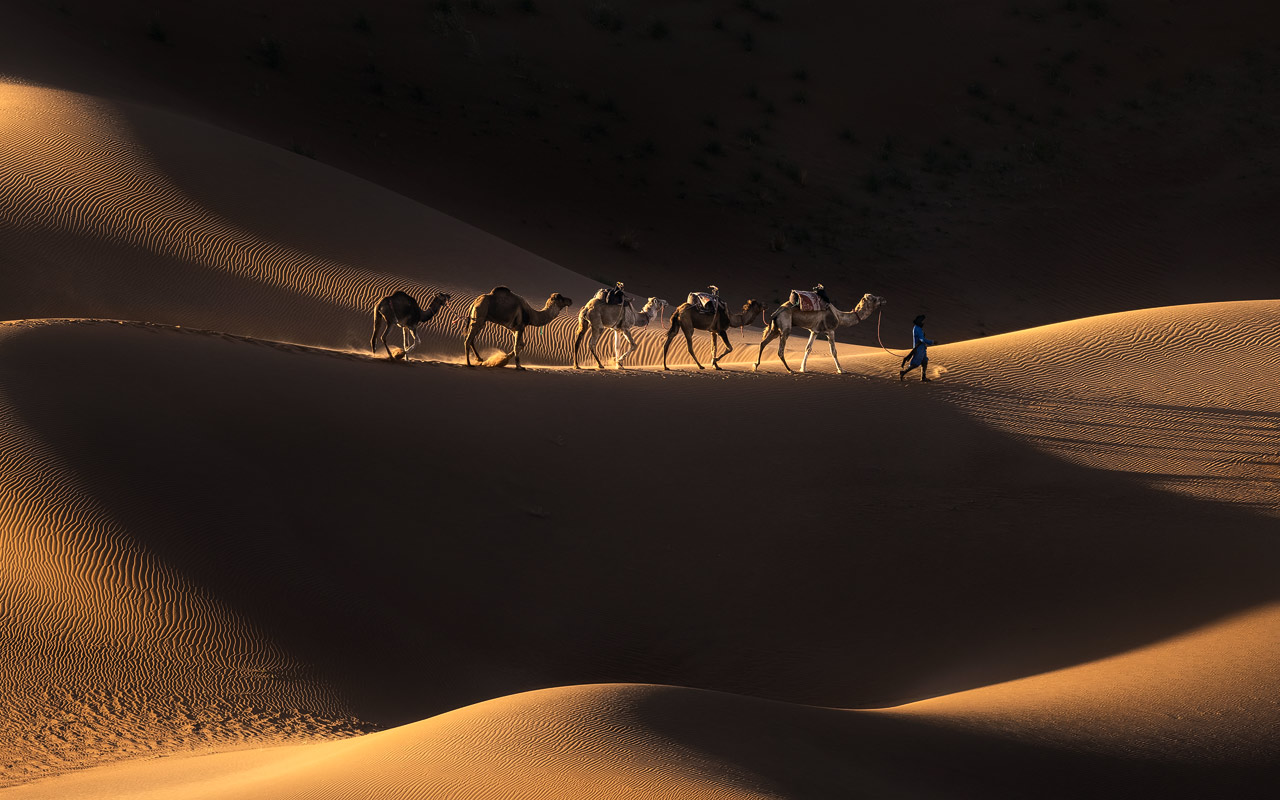
During my photo tour last February, this lens allowed me to take a photo that I had planned for years. From one of the highest dunes in the Erg Chigaga, I took a picture of a Berber leading his dromedaries through the dunes at sunset. Before, I couldn't take a photo like this simply because of the lack of focal range. A better camera would not have helped.
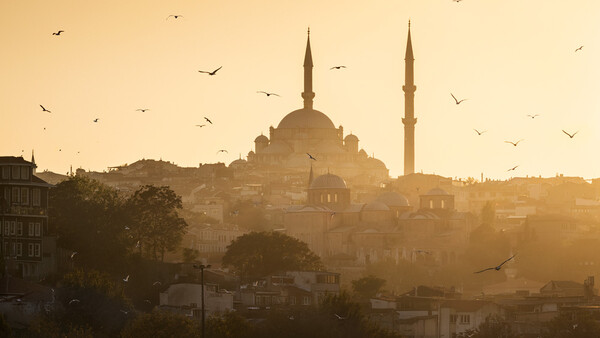
Another example where such a lens helps is when capturing cities, especially on clear days. During a recent visit to Istanbul, I captured a photo of one of the many mosques in a unique atmosphere. By compressing the perspective, I introduced a layered composition that, together with the hazy light, provides depth despite the small field of view.
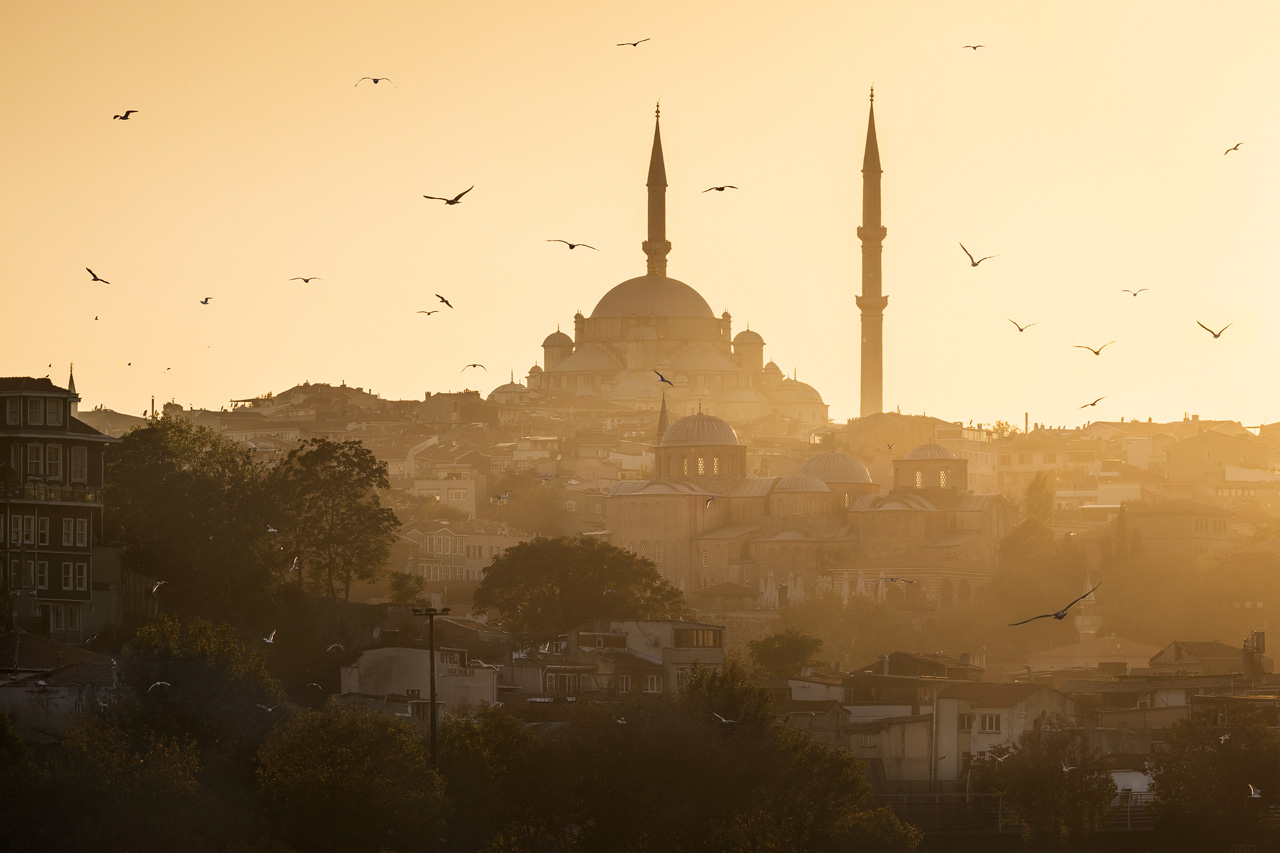
Many photographers have captured Istanbul, yet I hadn't seen a photo like this before. The long lens allowed me to explore unique perspectives and find new compositions. Without it, I would have had a hard time capturing a good photo that evening.
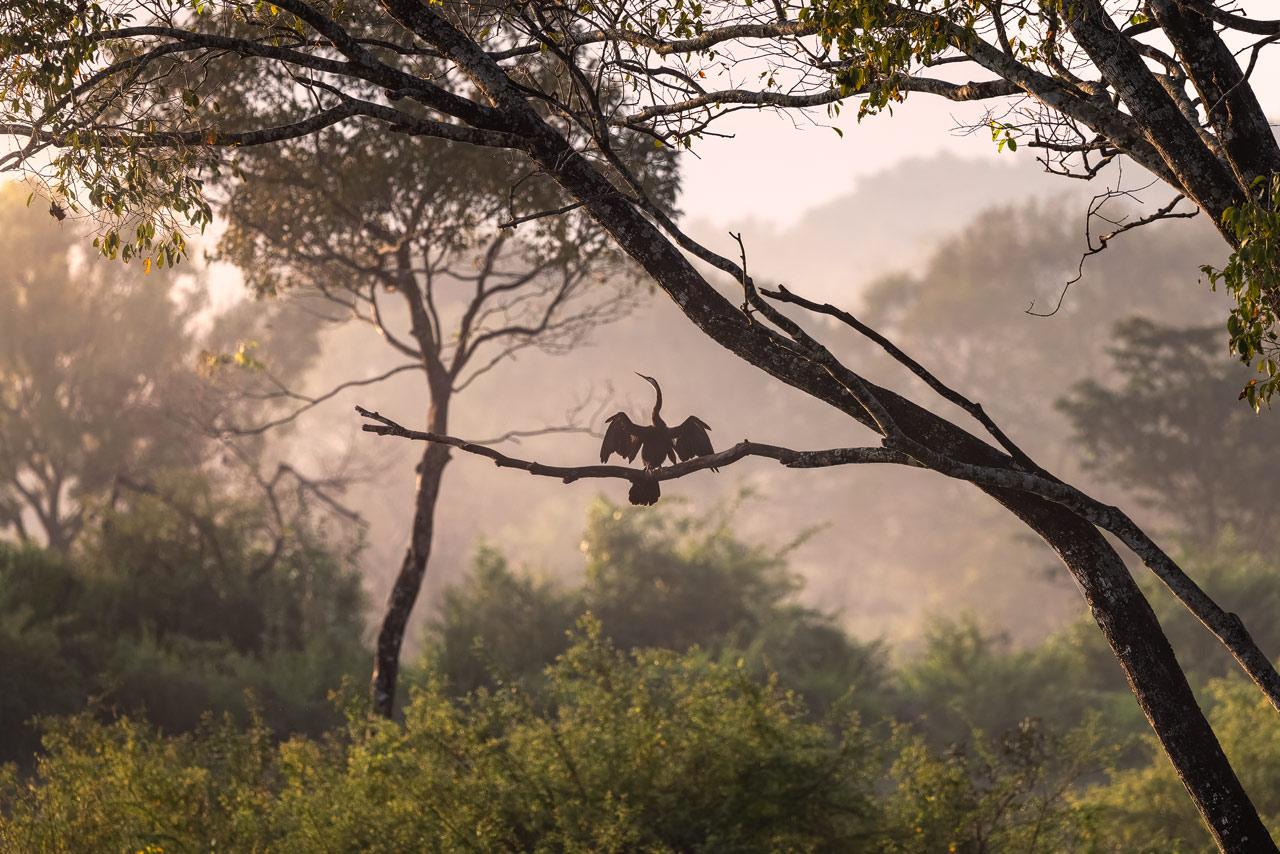
And during a trip to Sri Lanka, I was finally also able to include wildlife in my photography. What a pleasure it would have been to own such a lens when traveling in Costa Rica a few years ago.
Conclusion
It took me a few years to save enough money to buy the Canon RF 100-500mm lens. Its price was the only reason I didn't get it earlier. I also didn't want one of the EF lenses that required an adapter, as this wouldn't have fit into my camera bag properly.
However, with other brands, you don't have this restriction. For Nikon and Sony, you aren't limited to buying Nikon and Sony lenses. A Tamron 50-400mm f/4.5-6.3 Di III VC VXD lens is an excellent alternative at a relatively affordable price, for example.
So, whenever you need a new camera, first think about how it would really improve your photography. Is your current camera holding you back, or might some other type of equipment bring you more joy in the long run?
And maybe you don't need new gear at all. For many photographers, spending such money on travel can be much more rewarding — not only for the photos, but also for the memories you make along the way.




Join the Fstoppers community for free
-
Post comments and join in the discussions
-
Browse the site ad-free
-
Share your work and get featured in the community
-
Compete in the photo contests for fun and prizes
5 Comments
Good article. My recent photography path is very similar to yours. From a Canon 5D II to a Canon 5Ds and now for the last 3 years, a Canon R5 I. On the lenses I have the two you mentioned but also the RF 15-35 L (and a couple more). There are times only a wide angle will do. For image quality, other than a medium format camera (which is beyond my economic reach) the R5 produces images as good if not better than the new crop of hybrids. Good glass is equally important, perhaps more, than the camera body. As a stills photographer, I see no reason to upgrade to today's tech which mostly emphasizes video.
Thank you for a very good article and excellent photo samples. What surprises me is that there is a real resurgence into older DSLRs and point and shoot cameras probably due to the fact that photo processing can take almost any average digital data and process - edit it up to a top notch looking image. I realized this 10 years ago with my last DSLR purchase of the Canon 7DMKII and Canon 70D...two excellent tools that pay the rent...despite having invested heavily into Canon APSC cameras and Canon lenses, I never felt the need to go FF as the image quality between these two sensor formats was not significant...but last but not least, my last purchase two years ago was the fantastic Olympus TG-6, and this little gem is my take everywhere 24/7 camera with great results...even under the shower with my girlfriend...
I was considering replacing my R5 with the new R5ll. Today I returned home from a short vacation in Monterey, California. I had my, now 5 years old, R5, my RF 100-500 and my converted EF 16-35 f4.0 L. I did long exposures at the waters edge, portraits, landscapes and tons of birds fishing and in flight.
This trip and the images I got convinced me…I definitely don’t need a new camera. I will save instead for an RF 20mm f1.4L as my dedicated astrophotography lens.
s a maternity and newborn photographer, I read this article and it struck a chord with me. It’s a refreshing reminder that often what truly improves our photography isn’t a new camera body, but rather what we already have — or what we put in front of it. The author’s point that camera technology reached a plateau and that many “upgrades” high-end bodies bring don’t necessarily translate into better images feels very real.
In my own studio work, lighting, softbox placement, posing, timing, and rapport with parents matter far more than chasing the newest gear. I learned early on to master my existing setup, to focus on subtlety, tenderness, emotion — not megapixels or bells and whistles. Upgrading lenses, refining technique, or simply investing time and care in each session has always yielded more meaningful results.
For photographers like me — working with newborns, expecting mothers, intimate emotions — the real “upgrade” happens through presence, patience, empathy, and knowing how to sculpt light gently. This article is a valuable encouragement to resist gear-envy and instead deepen what really makes our images heartfelt and timeless.
Buy neither. Invest in a wonderful collection of monographs by the greats of the past almost 200 years of photographic history. They will outlast every single other thing you buy, and do you good as a human being as well as a photographer.