
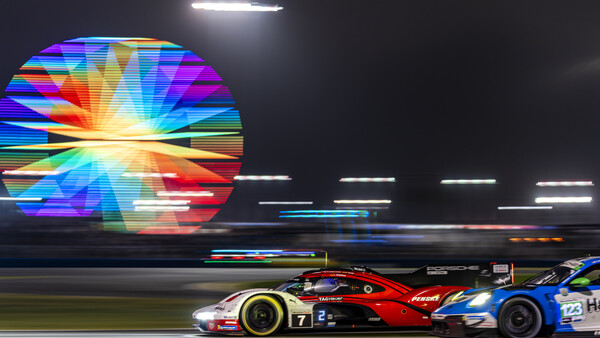
2026 marked the fifth time I worked IMSA’s season-opening Rolex 24 at Daytona race, but only the third as a photographer. My first two races focused on writing magazine articles; as a photographer, I still have a lot to learn and continue to find my way creatively.
The race started at 1:40 pm on Saturday, but I arrived at the photographer's room in the media center at 8:00 am. I had an event to photograph at 9:15 am, but I would arrive at the same time regardless to avoid the congestion from the massive crowds.
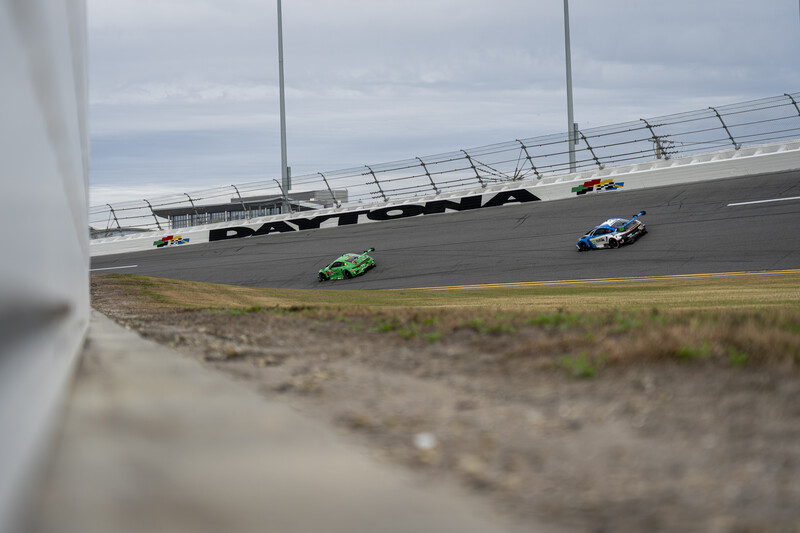
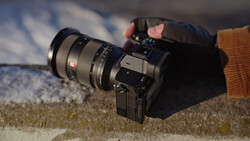
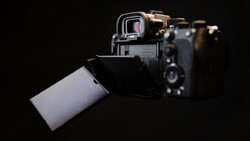
My first task was a shoot for a corporate client. They invite guests to races for behind-the-scenes tours and experiences hosted by IMSA. These assignments would be familiar to anyone who shoots commercial events. I carry a wide angle lens (16–25mm or my 24–105mm) on one camera body, and my 70–200mm on the other for these assignments. I shoot with a Sony a1 II and an a9 II, and Sony lenses, but the gear is less important than how you use it.
Race day started quite foggy, a precursor for what was to come. The first event was "Hot Laps" on the track in road-going versions of the race cars. I use a circular polarizer filter on my lenses for these events to reduce reflections on car windshields and capture clear photos of the people inside the vehicles.
Once the laps were complete, I returned to the media center to quickly cull and edit the images, then deliver them to my client. Motorsport clients typically require very quick delivery of finished photos. My corporate client is more casual, but race teams need content immediately, so developing a fast and efficient culling and editing process is essential. If I spend more than a few minutes editing an image, I am wasting time.
I planned to shoot the start of the race from the grandstands. I didn't need photos from the pre-race ceremonies, so I used that time to find a good perch from which to shoot the green flag and the first 30 minutes or so of the race. I brought my 35mm f/1.4 lens, the 70–200mm f/2.8, and my 200–600mm f/5.6–6.3 lens on a monopod to capture the action.
I chose a spot high above the entry to turn one, where I could look back at the starter stand and capture the entire field as they crossed the starting line. From there, I worked panning photos of cars going through the infield road course, as the grandstand is the only place you can shoot the cars from the driver's right in that section of the track.
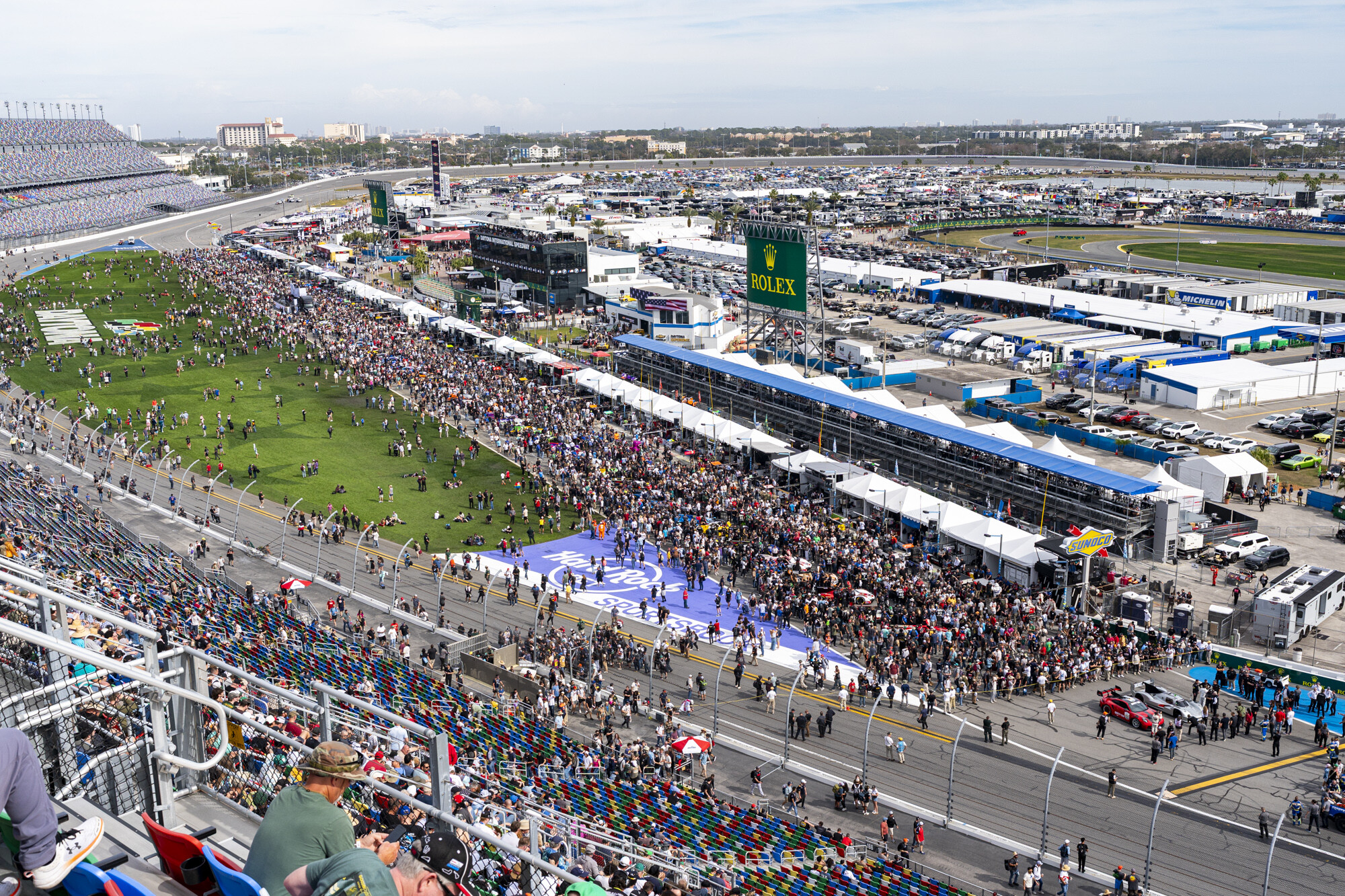
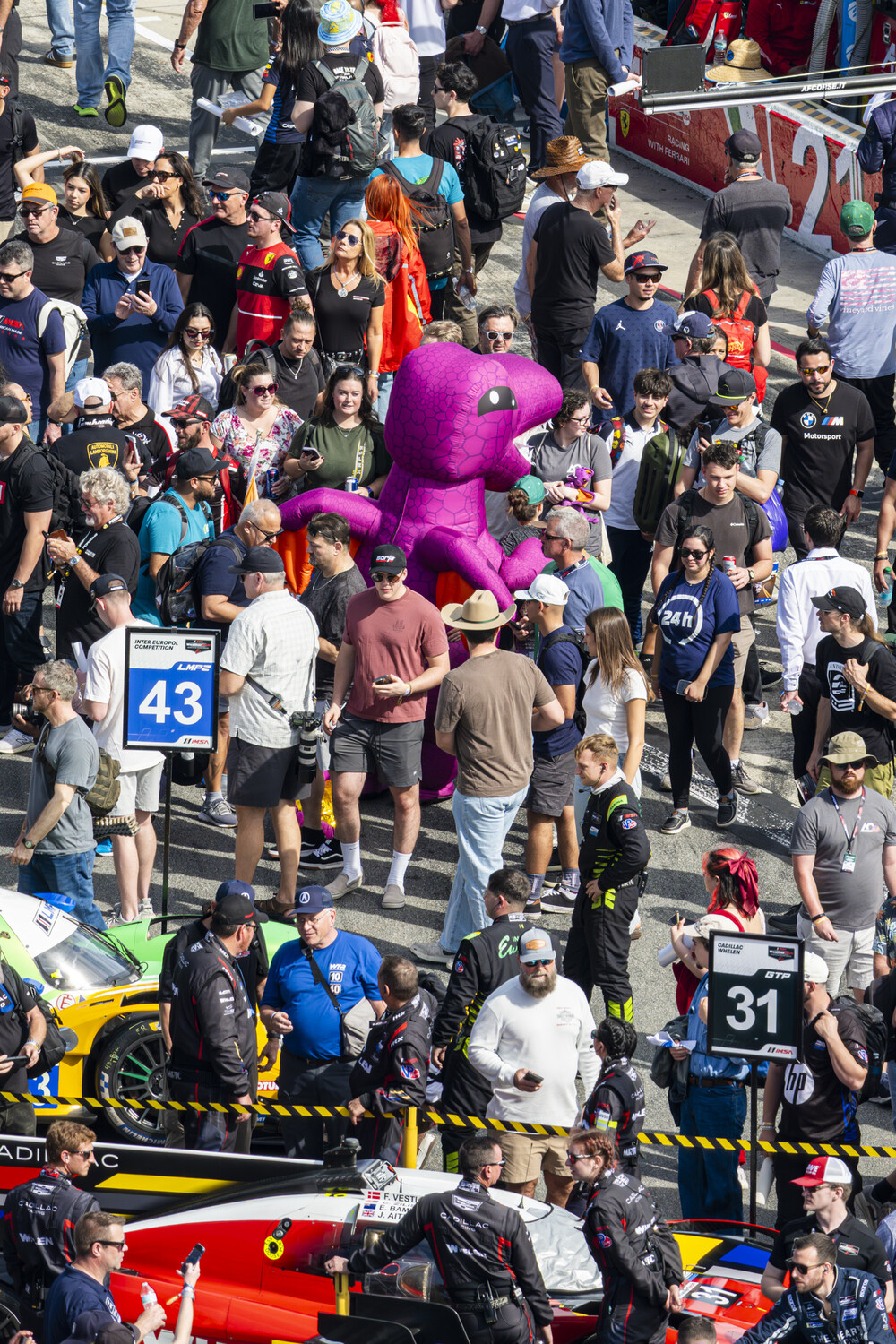
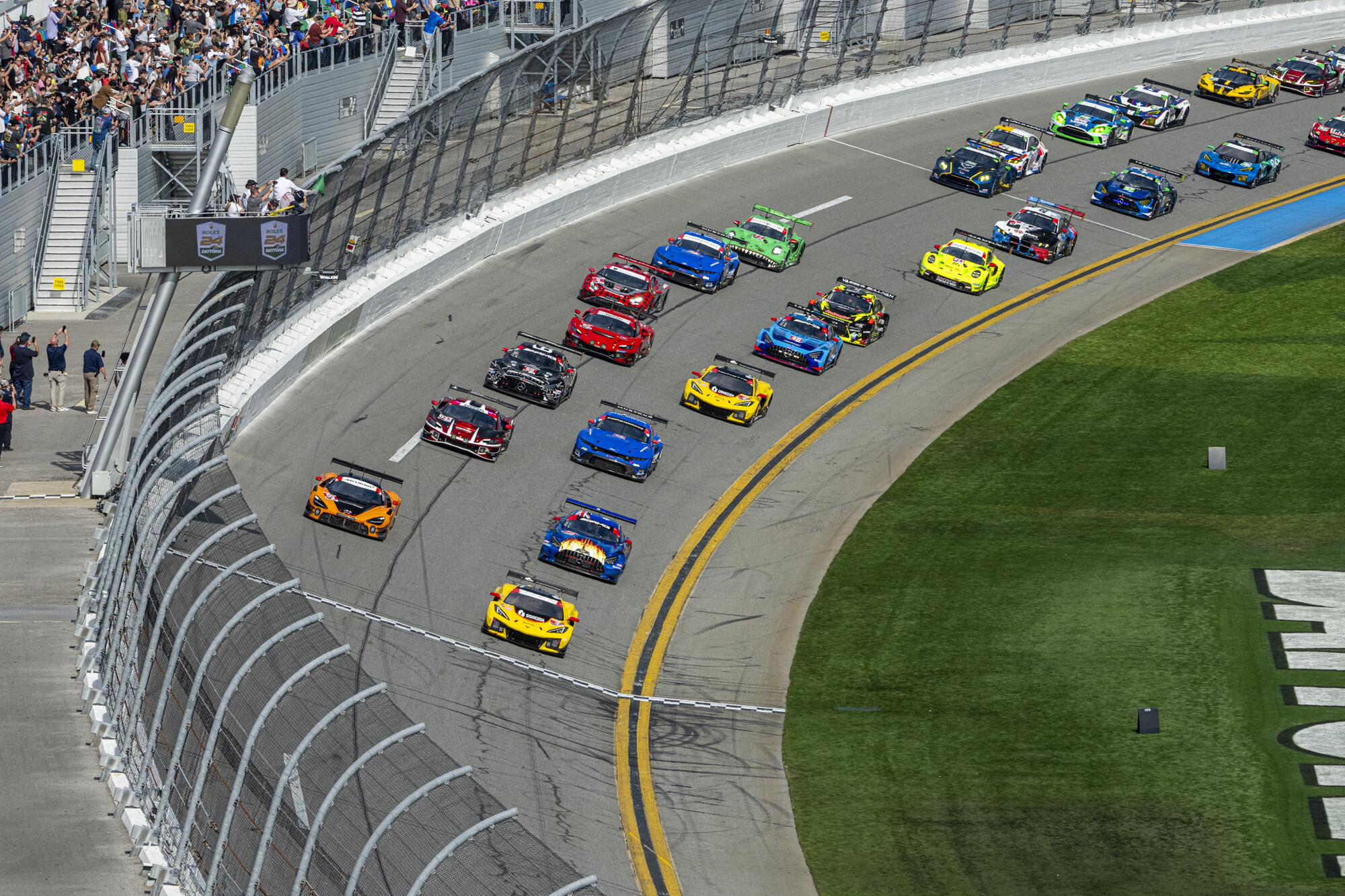
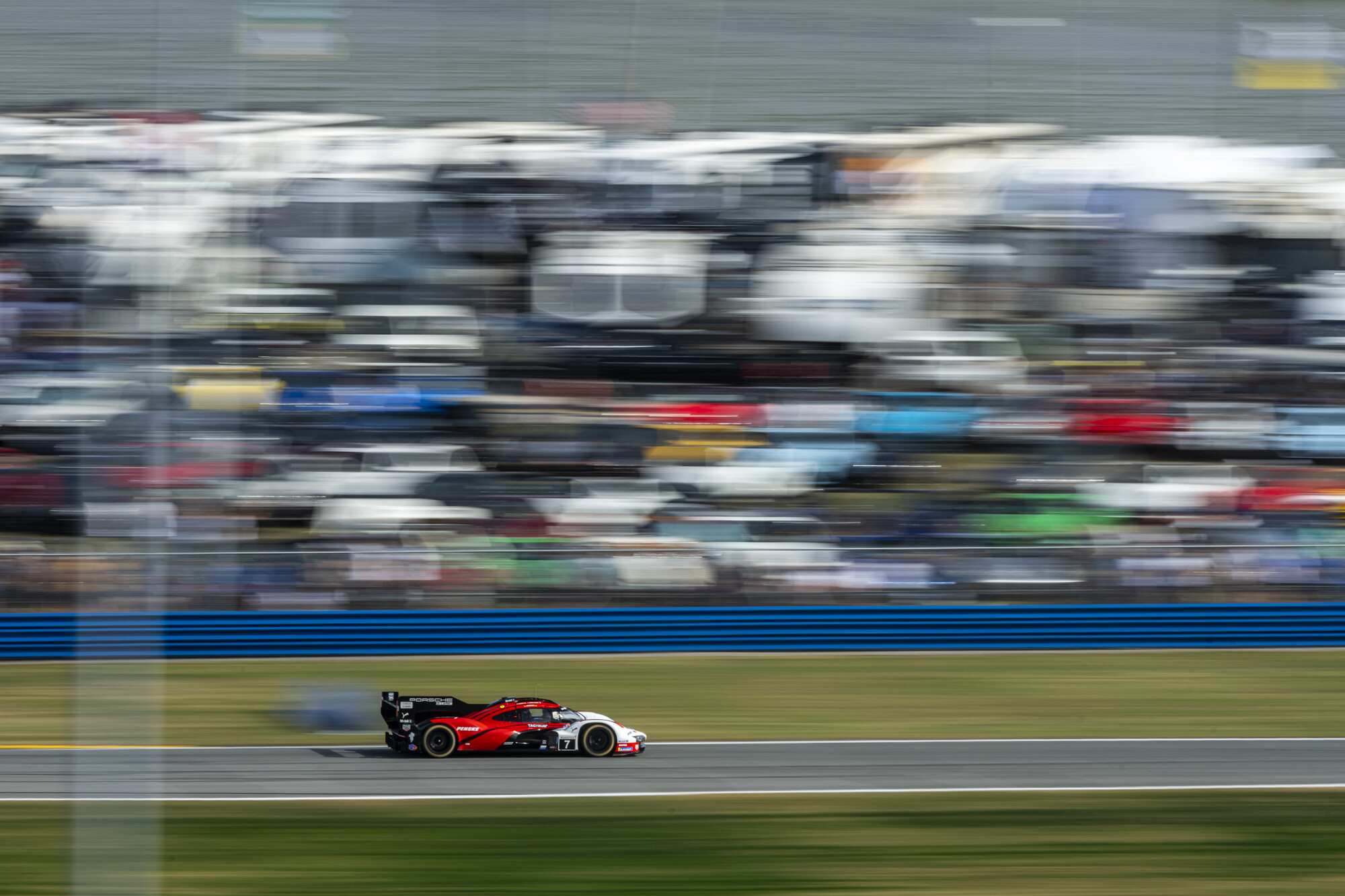
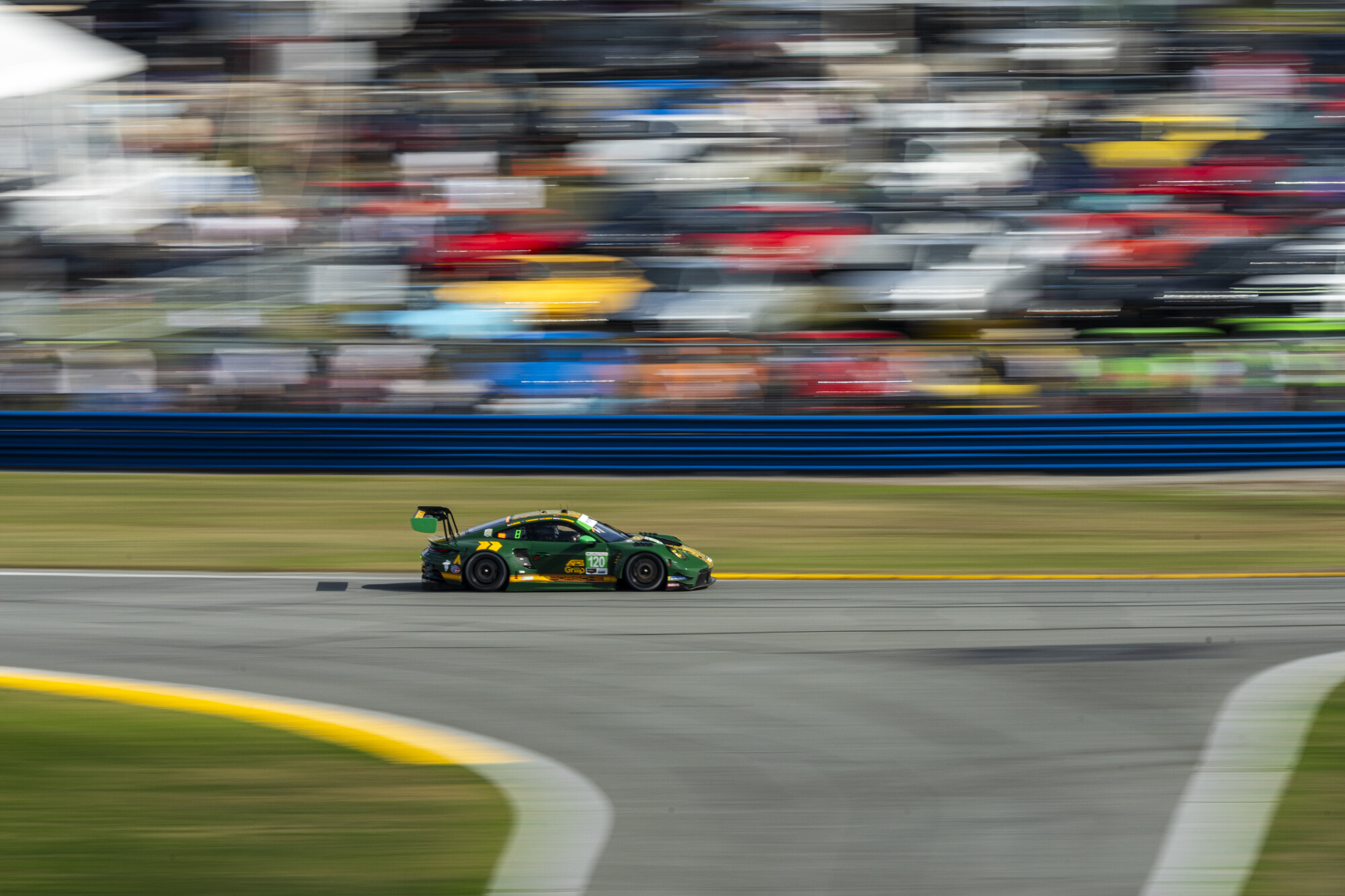
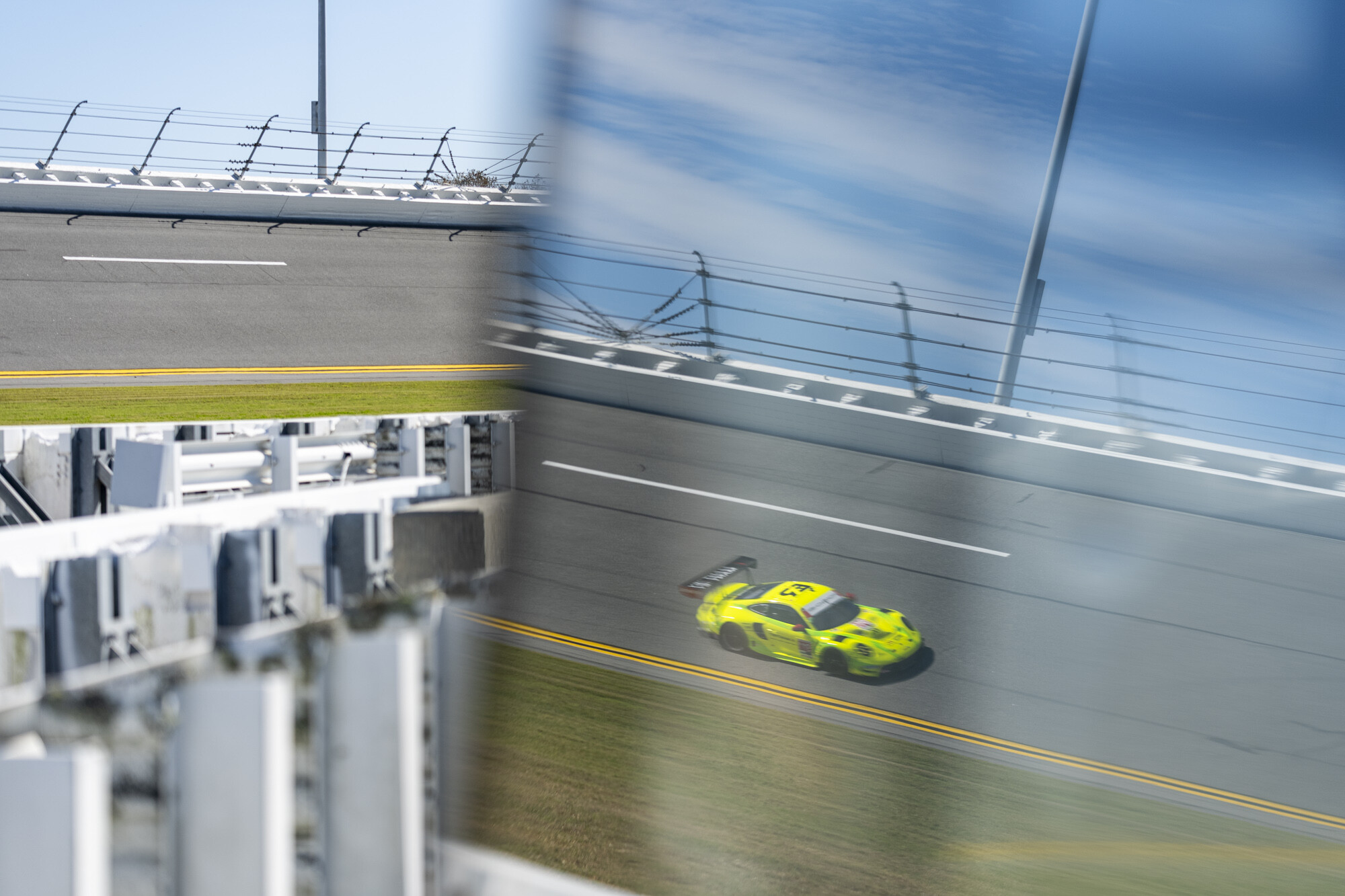
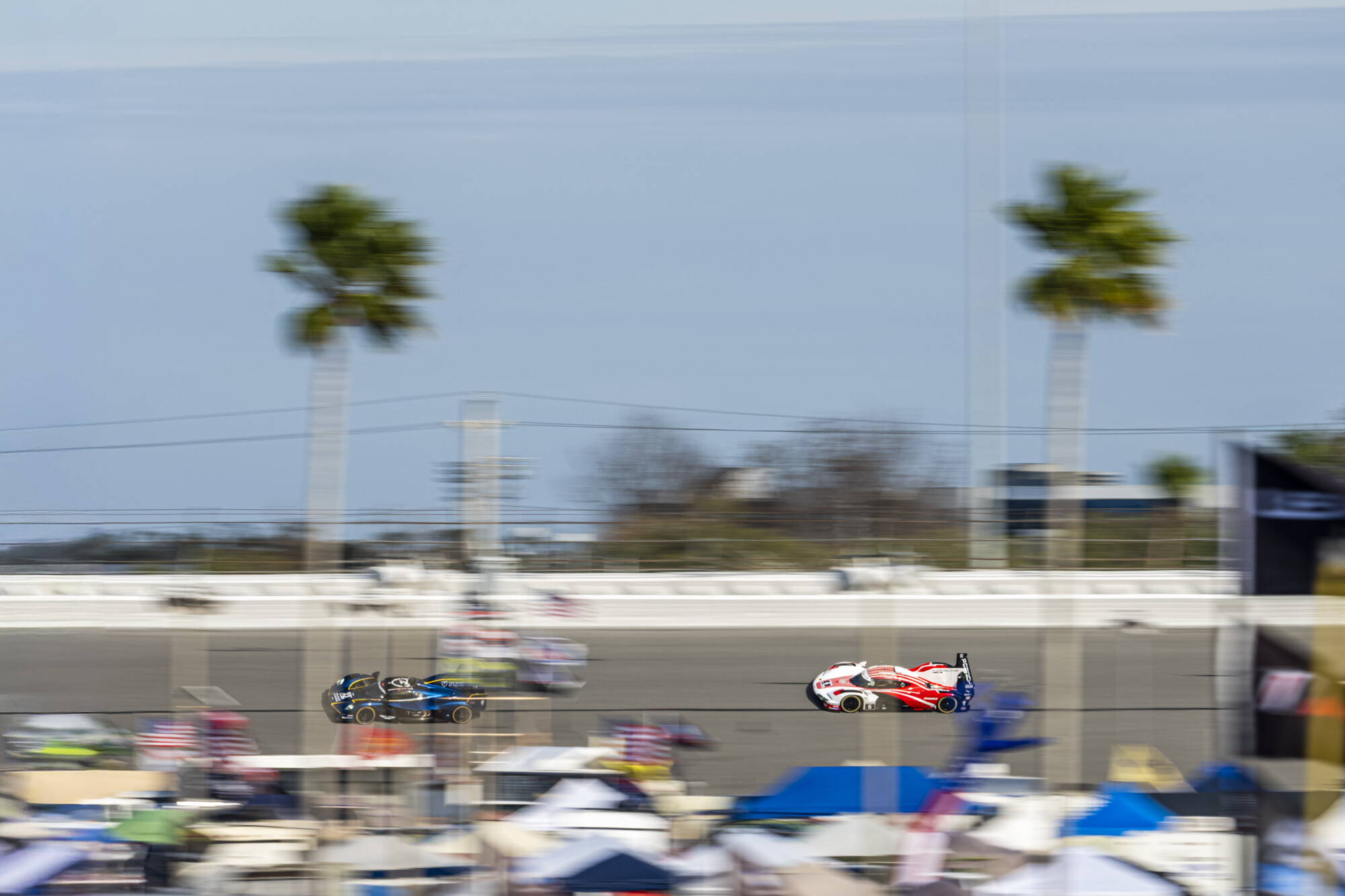
The view from the grandstand offered a fantastic perspective for the massive crowd on the pre-race Grid Walk, as well as a great place to capture the start of the race.
I shoot and write for a Porsche magazine and website, so I focused on capturing the race cars as they passed the Porsche-only car corral, where a few hundred lucky fans park the Porsches they drove to the race. I thought the vibrant colors of the street Porsches made for an interesting background. Once I had what I needed, I made the 30-minute walk back to the media center to edit and prepare for my next corporate photo task.
The Daytona International Speedway is a massive facility. They provide shuttles to transport people from the grandstands to the infield (where the media center is), but the shuttle lines were hundreds of people long, so I elected to walk. Many photographers own scooters or rent golf carts to make it easier to move around the track. I don't have enough clients yet to make that financially viable (a golf cart is around $1,000 for the event), so I walk.
In a 24-hour race, there are a few key moments every photographer has to capture. The obvious ones are the start and finish of the race, but the favorites are sunset, the fireworks display, and sunrise. At Daytona, there are several places to capture each of these events, but the International Horseshoe (Turn 3) is one of the best for all three.
Sunset at Daytona can be tricky. Everyone uses various apps and websites to check the sun's position, but at Daytona, the grandstands block the setting sun at least 15 minutes before actual sunset. If you don't account for this, you will miss the best opportunities and lighting for your photos.
I set up in the middle of the horseshoe at 5:10, giving me a solid 30 minutes to capture images before the grandstands block the sun. I love to shoot as low as possible, getting some of the tire barrier and fence in the foreground. This year, I found myself drawn to shooting cars at an angle that made the glowing sun practically blow them out. I'm not sure why, as many didn't turn out, but I gravitated to it anyway. Sometimes you just have to shoot what you think will look cool and analyze it later.
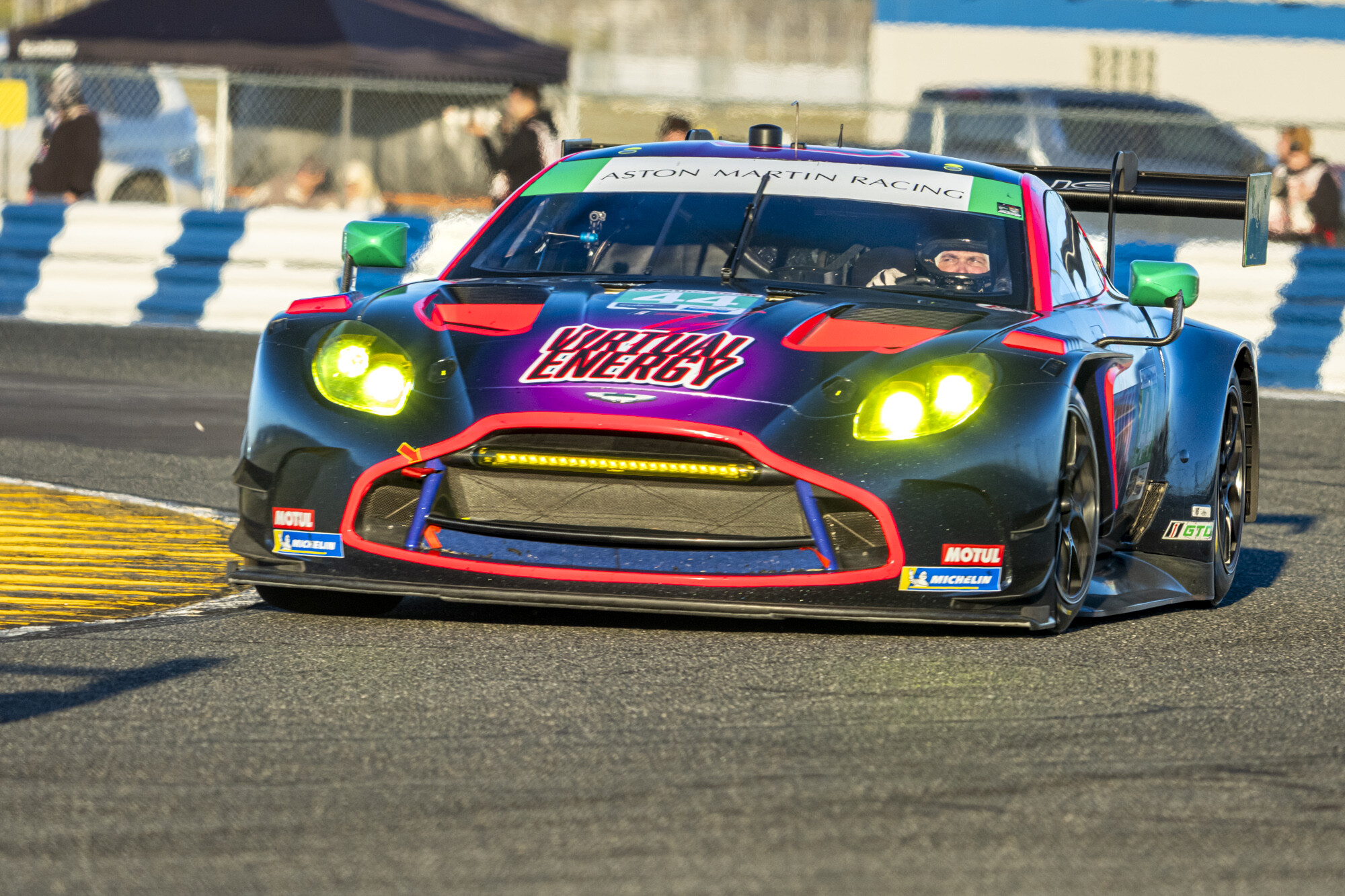
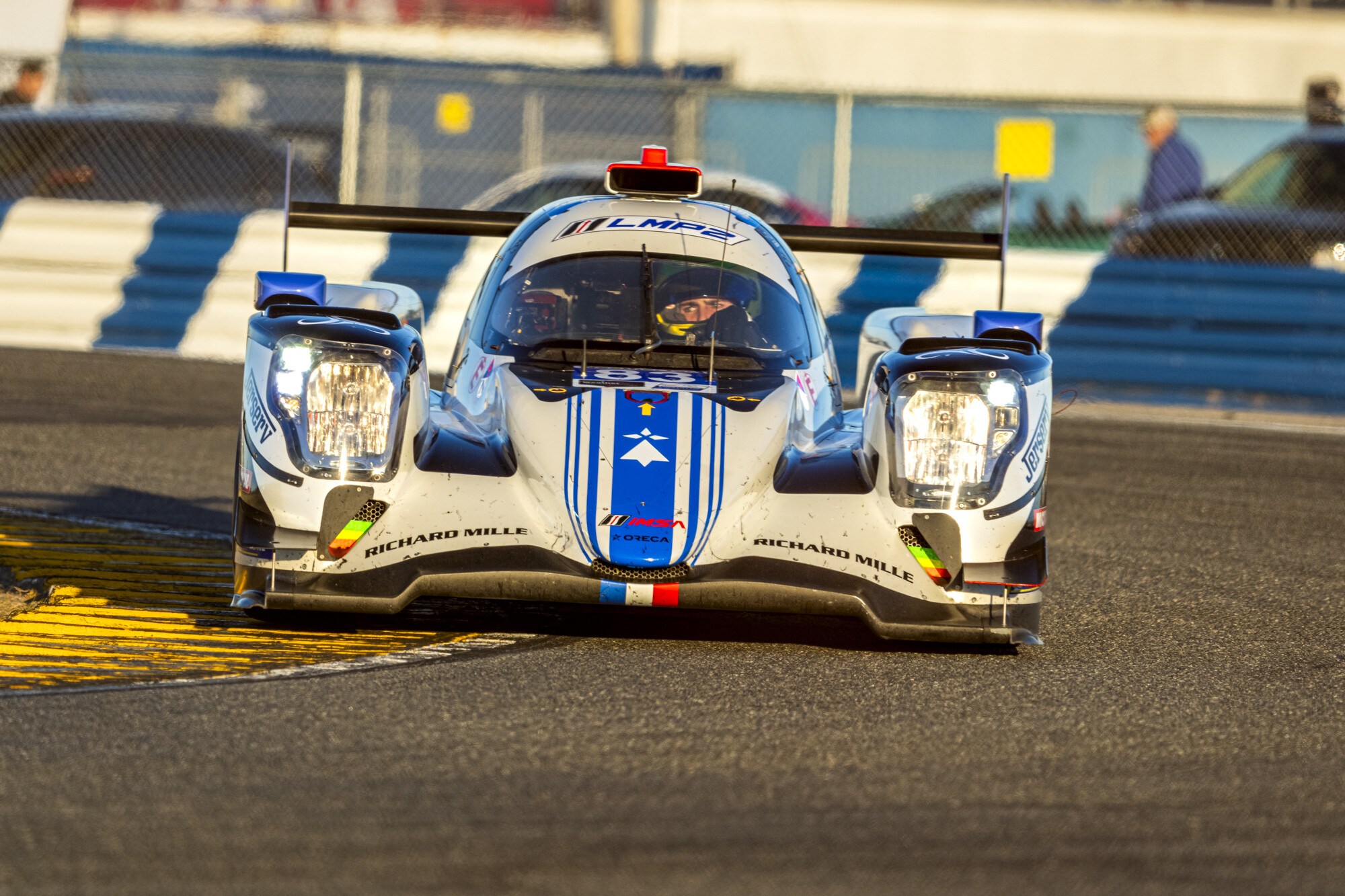
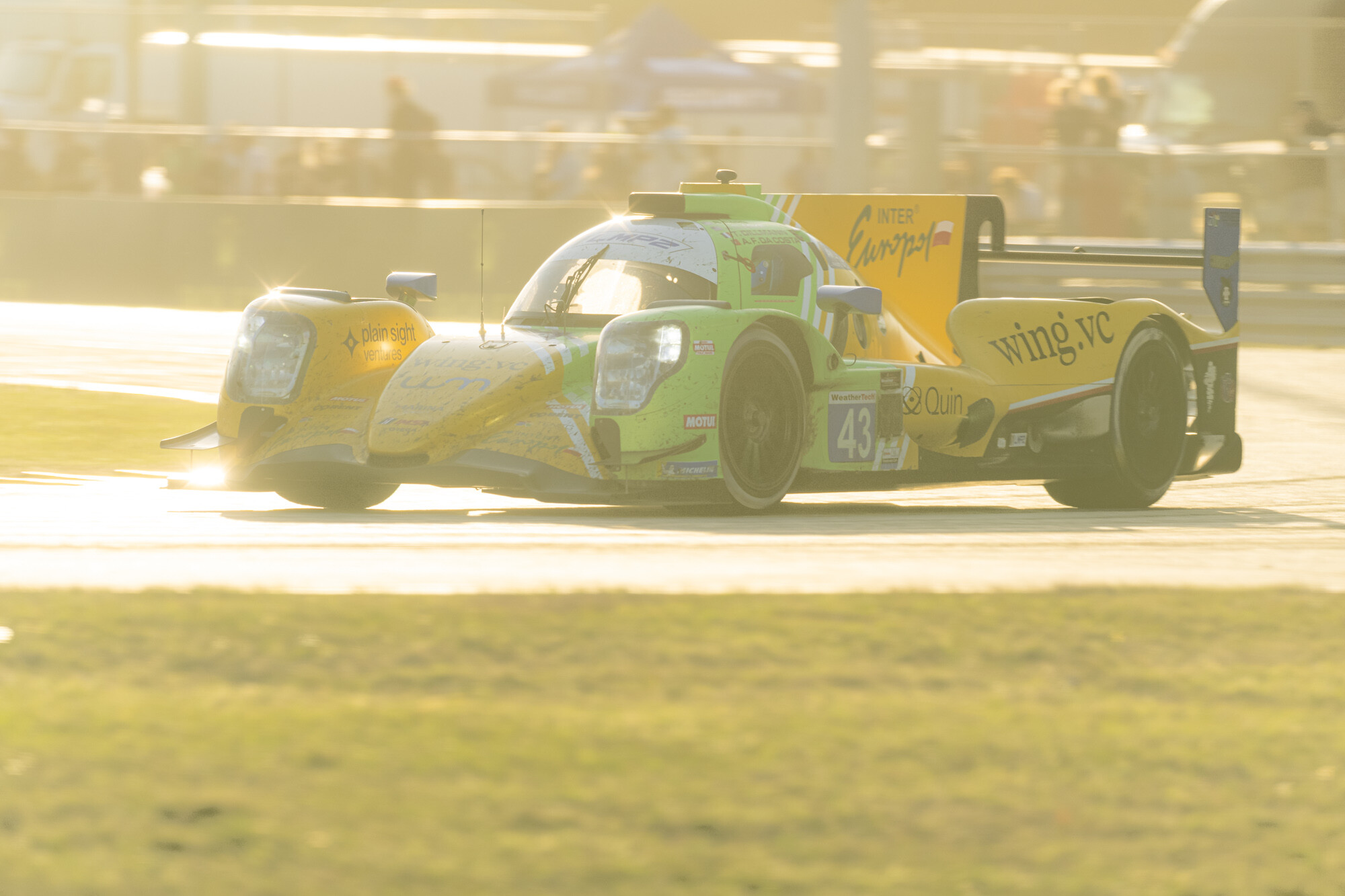
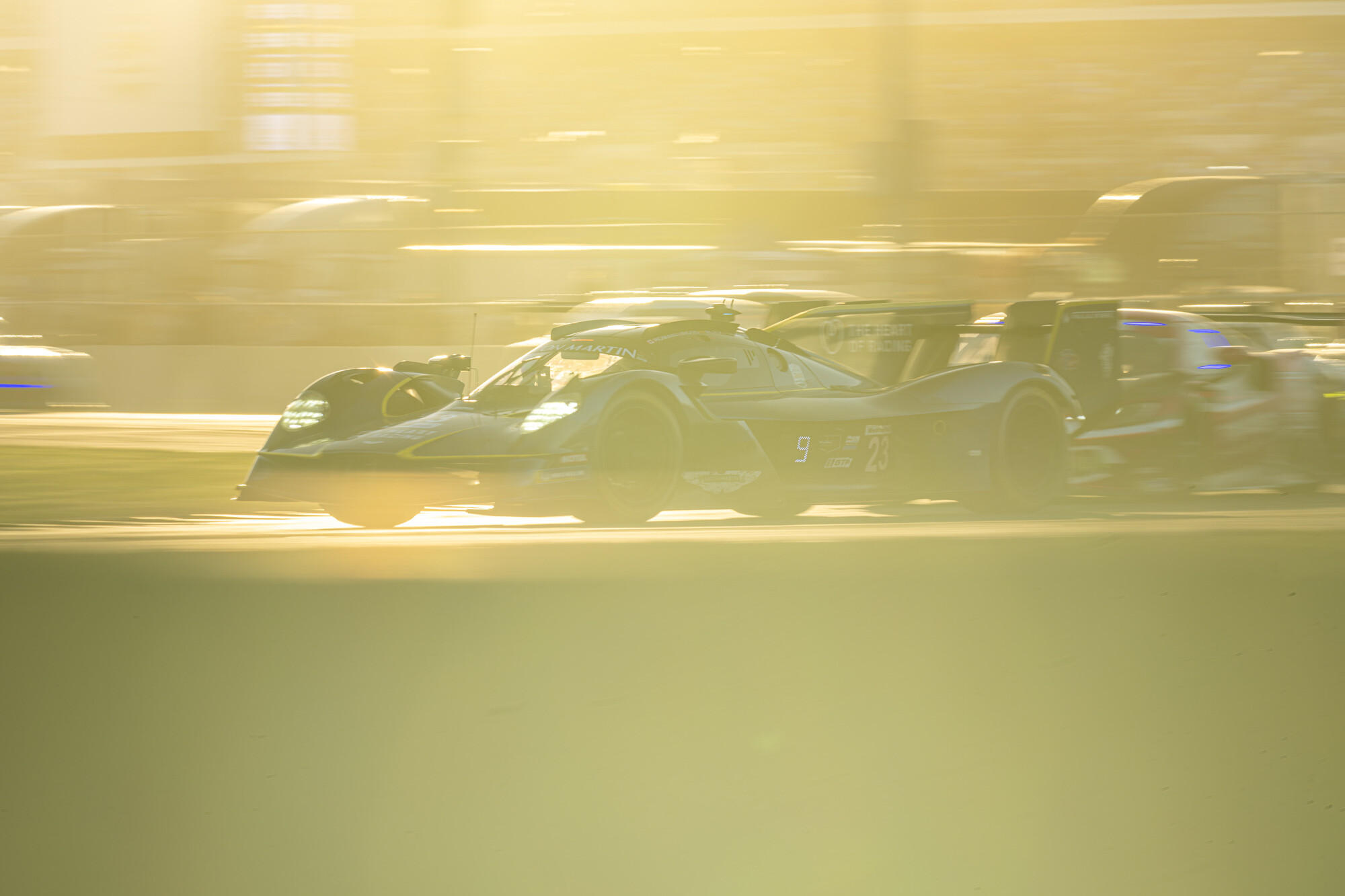
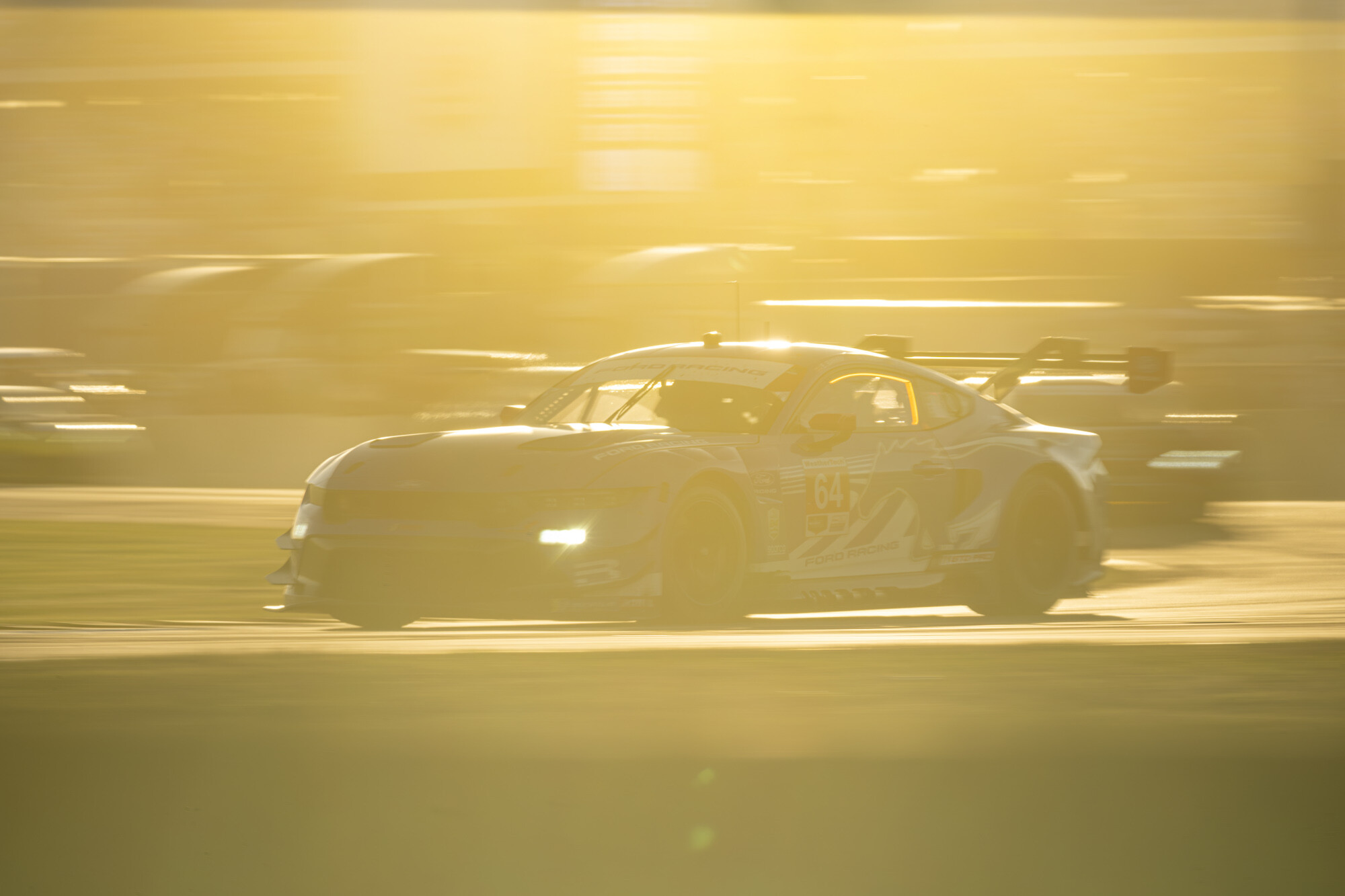
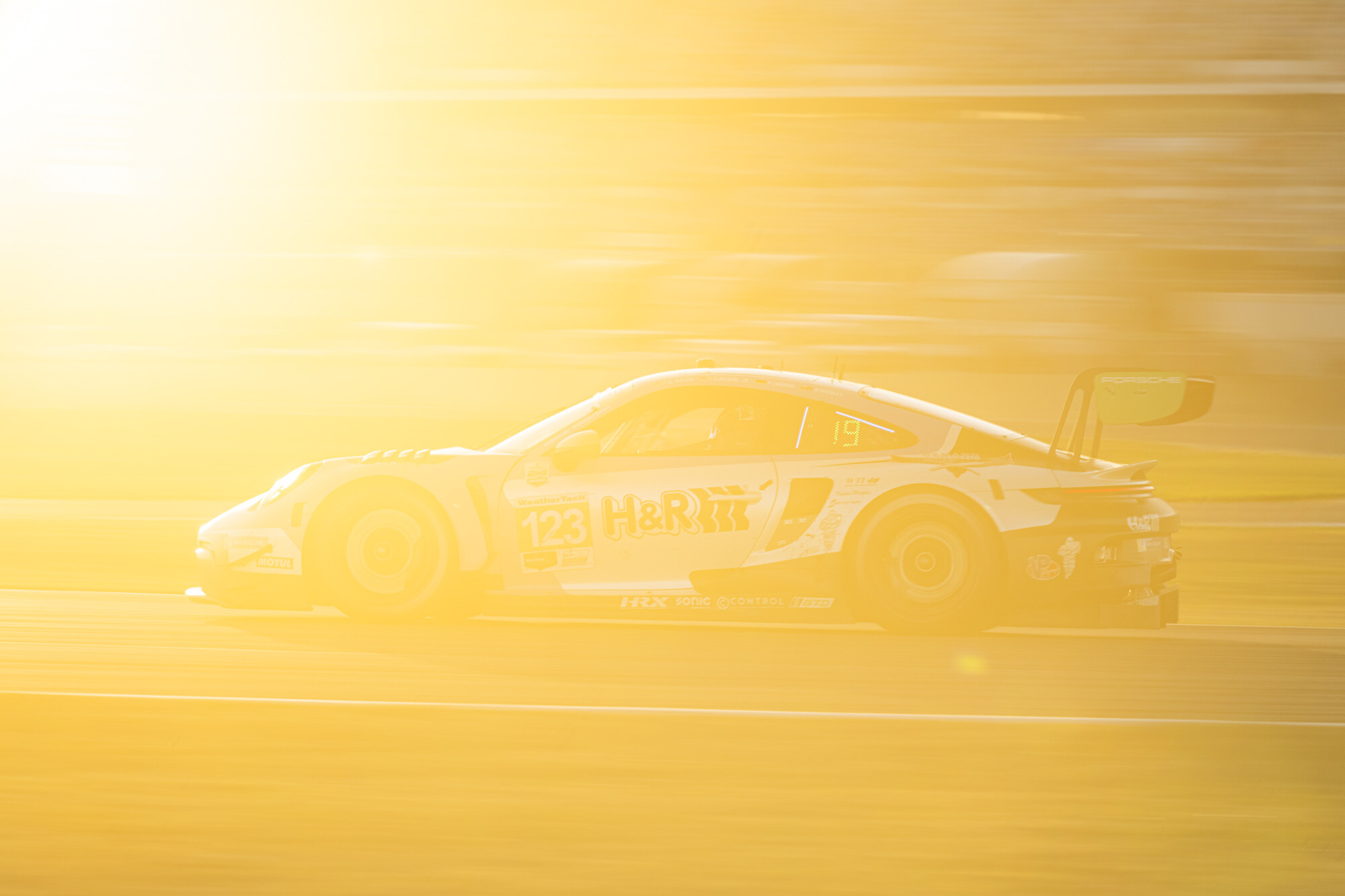
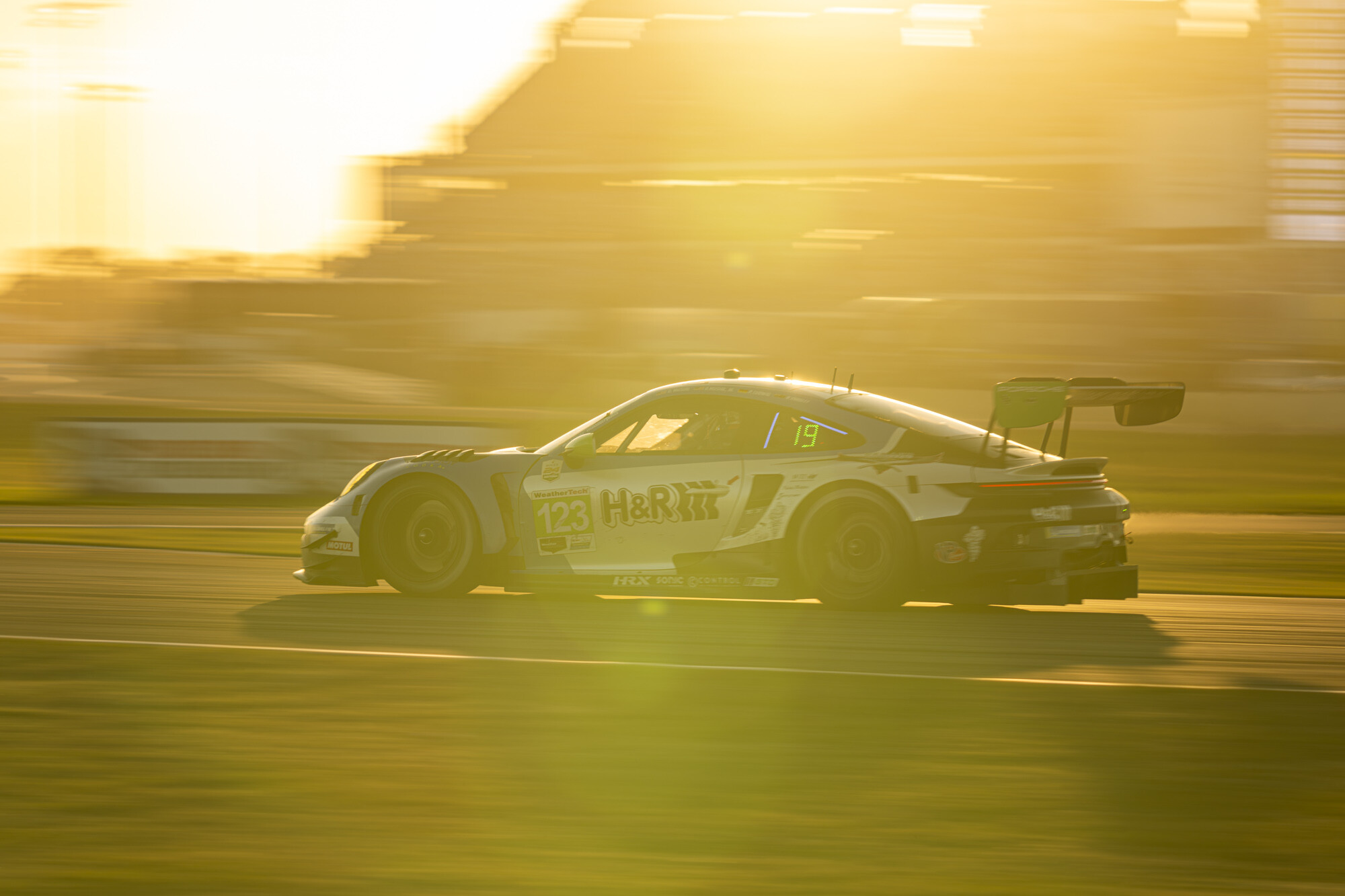
Sunset at Daytona is often one of the best photographic moments of the race.
After sunset, the next prime photography event at Daytona is the 10 pm fireworks display. This is the signature photo everyone wants from the race, and the best place to shoot is at the entrance to turn 3, not far from where I shot the sunset. This spot lets you capture cars braking for the turn (glowing brake rotors!) with the Ferris wheel in the background and fireworks behind it. It is the ultimate Daytona shot.
Except for this year, because a thick blanket of fog started to envelop the track around 9 pm. Many of the higher fireworks were obscured by fog, leaving the sky a colorful glow rather than a discernible fireworks show. But that's part of shooting live events — you don't have much control, you just shoot what you can and try to make it work.
I went with a 35mm lens on my a9 II, and my 70–200mm on the a1 II. Some of the wide angle shots worked quite well, but the 70–200mm was great. Framing is key: you need to be tight enough to capture the car in detail, yet also include the Ferris wheel and fireworks. Then, of course, do all of it at as slow a shutter speed as you possibly can to make it look cool.
I struggled mightily this year with panning shots at shutter speeds less than 1/20 of a second. Most of my best shots from the fireworks were at 1/40, with a handful at 1/15. Shutter speed is the real difference between less-experienced photographers like me and pros who have been doing this for 10 years or more. The veterans routinely capture sharp images at shutter speeds under 1/10 of a second.
It takes a lot of practice, and I am just not there yet. The positive is that when I first tried to photograph this race two years ago, I couldn't get any quality shots at shutter speeds under 1/80 of a second, so I have made progress.
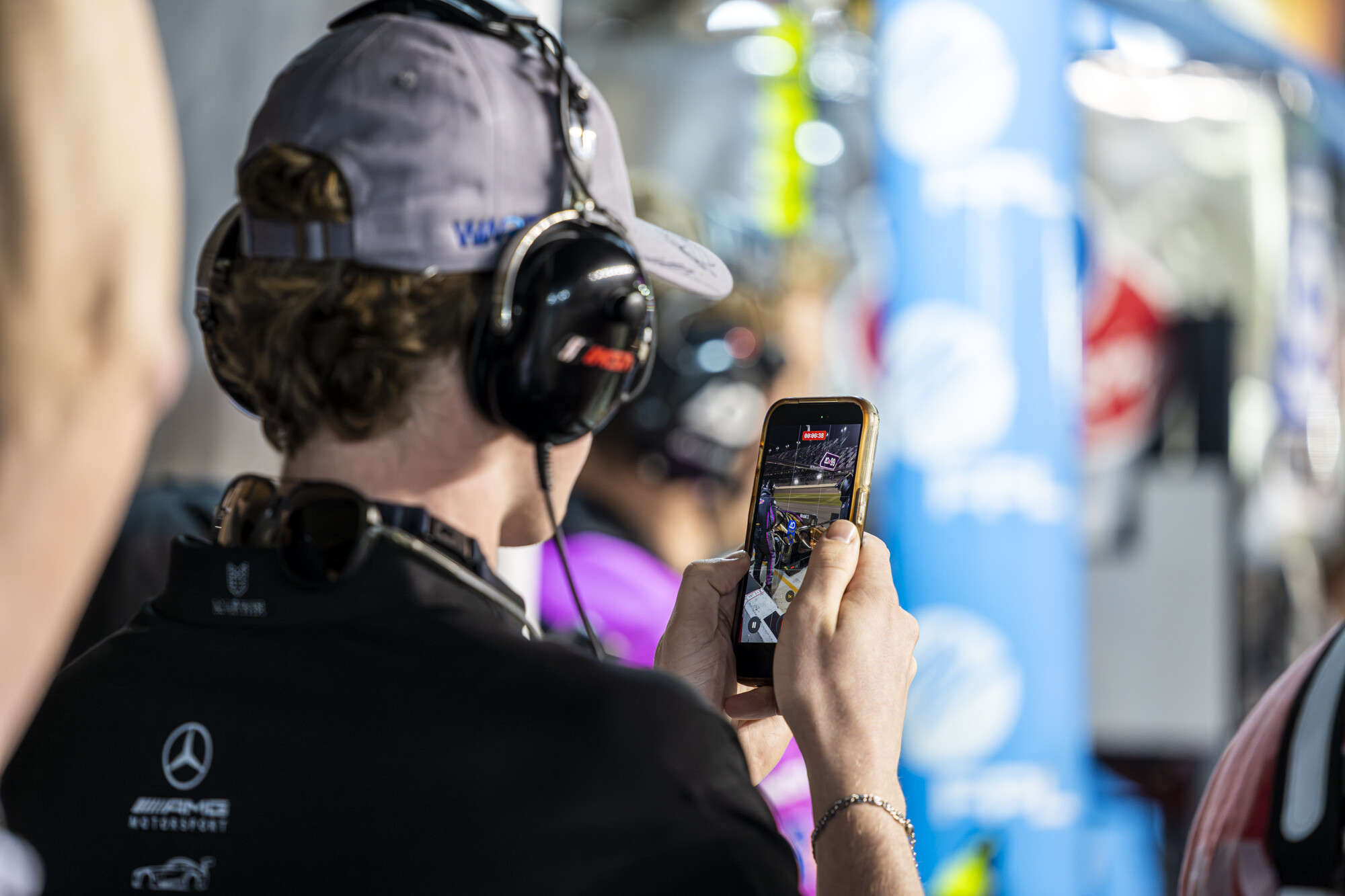
A fan films a pre-fireworks pit stop on his phone.
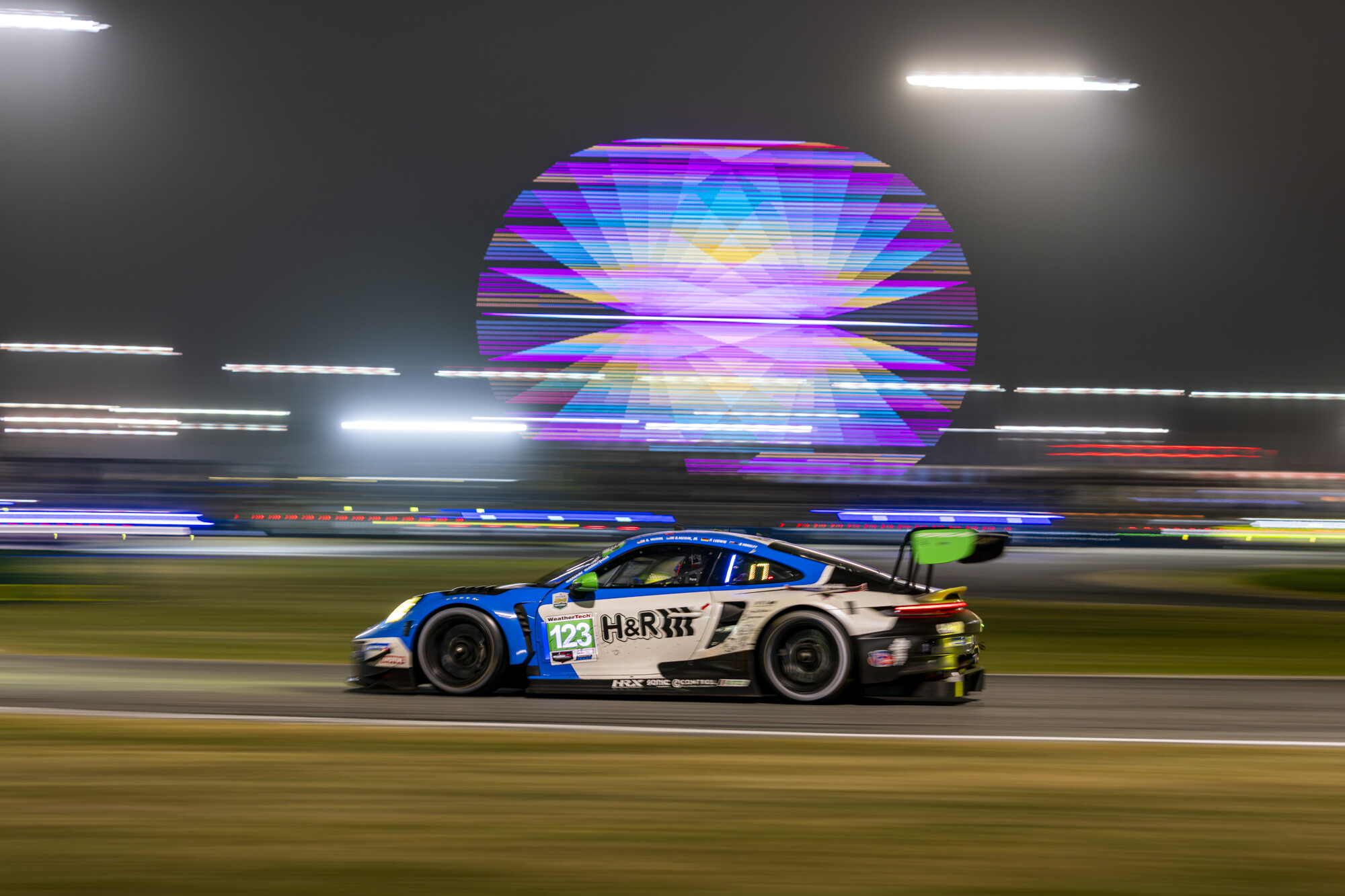
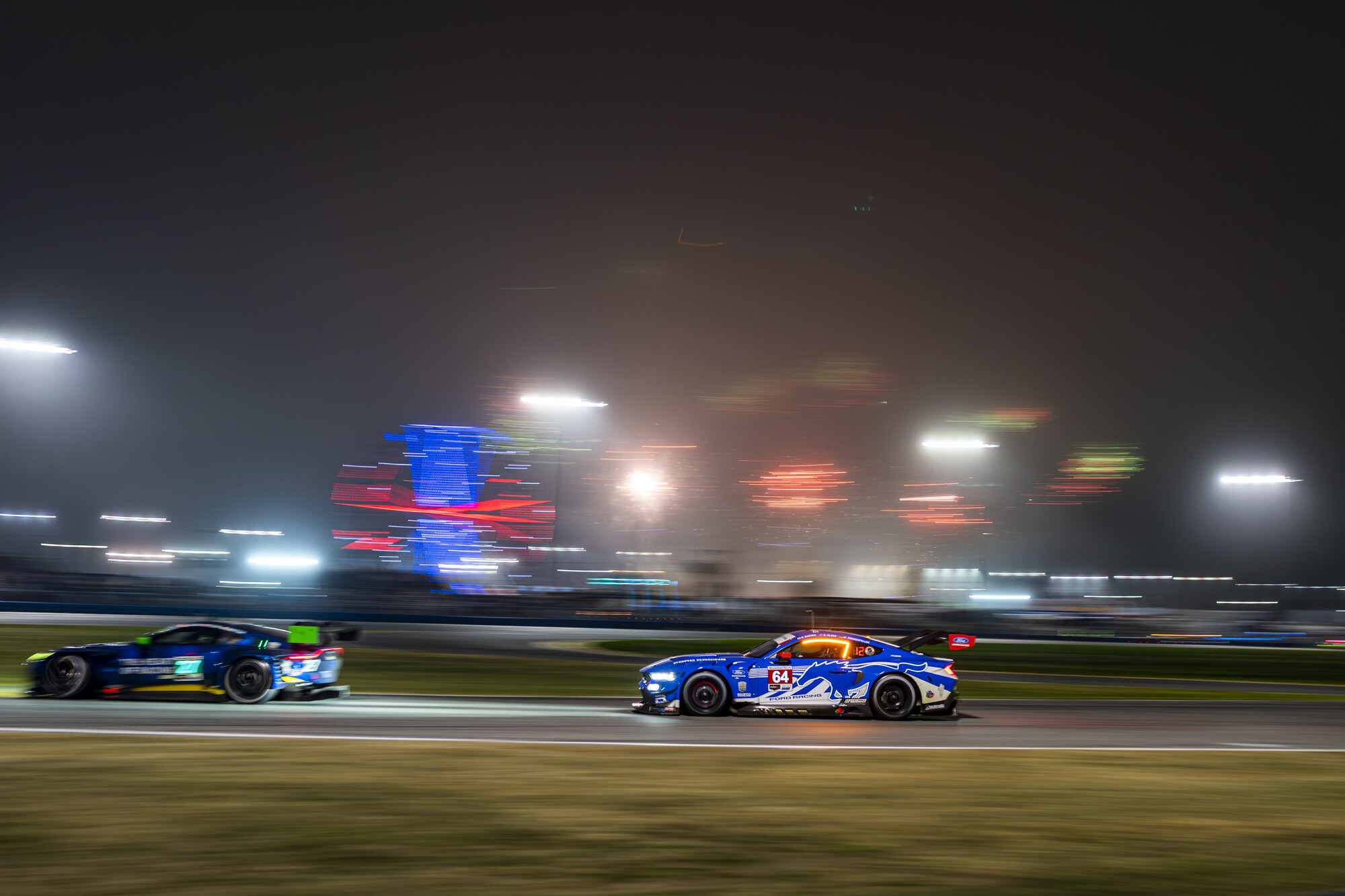
The fog obscures the fireworks display, but it still makes for an interesting photo.
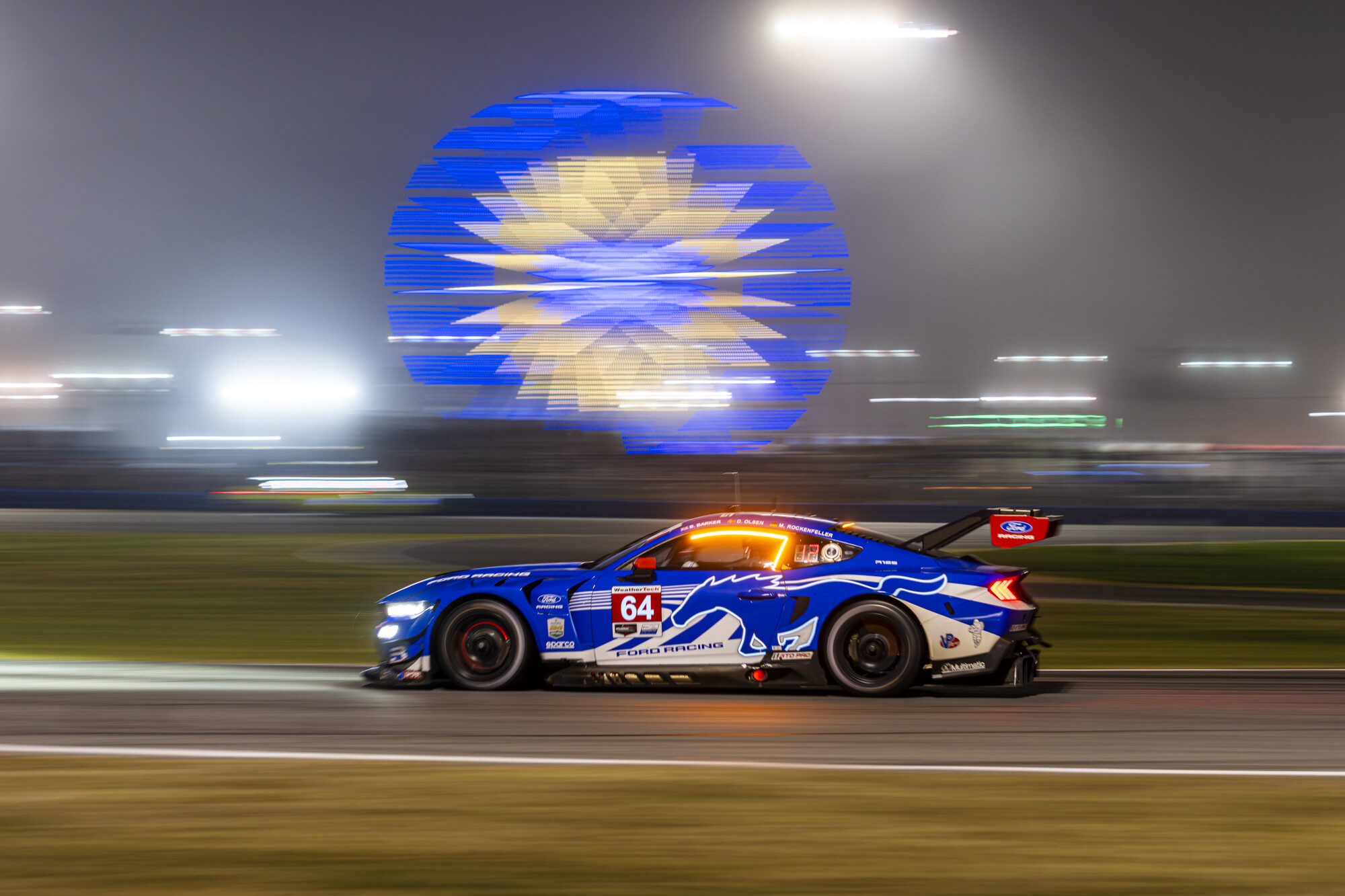
The No. 64 Ford Mustang captured at 1/30 of a second to distort the Ferris wheel behind it.
The long night at Daytona makes for fantastic opportunities to shoot. Whether it is in the pit lane or trackside for the fireworks, the night is spectacular.
The long night at Daytona makes for fantastic opportunities to shoot. Whether it is in the pit lane or trackside for the fireworks, the night is spectacular.
Once the fireworks ended, it was back to the media center to cull and edit. My editorial content deadlines are more flexible than those of other photographers, but I don't waste time. I treat everything as if I were shooting for a team that wants my photos as soon as possible.
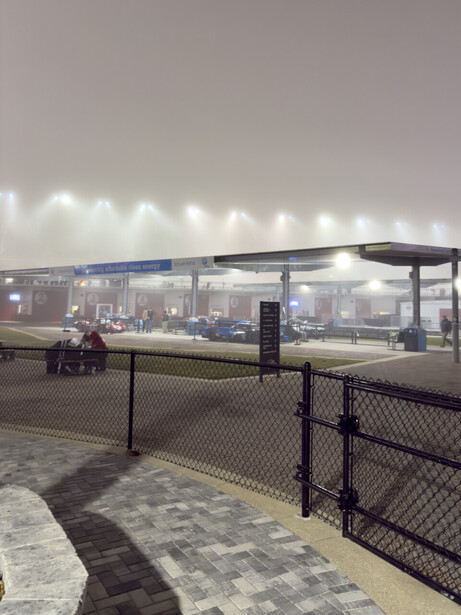
Soon after, the race was brought under caution due to poor track visibility. The drivers were struggling to negotiate the series of turns known as the Le Mans Chicane, as well as the high-banked turns that follow, and it was unsafe for them to drive at speed. At the ground level, I could see a few hundred feet at most. I can't imagine what it looked like inside a race car at 180 mph.
Once the fog set in, I knew it would stay for a while based on what happened the morning of the race. I was staying at an RV park about five minutes from the track, so around 2:00 am, I went back for some rest. The race was still under caution when I returned at 6:30 am.
While those who stayed captured some spectacular images of the fog, I felt it was best for me to get some sleep. Shooting a 24-hour race is a constant balancing act between getting the shot and taking care of yourself.
I have stayed up for over 38 hours straight at this event before, and it is not kind to your body. If that's what you need to do to get everything for your clients, you find a way. I didn't have that requirement, so I chose a few hours of sleep and a shower.
The fog also ruined the third key photo moment of the 24-hour race: sunrise. Typically, the Daytona sunrise is pretty spectacular; this year, it was nonexistent. The conditions merely went from dark and foggy to light and foggy.
Visibility was good enough for the race to return to green-flag conditions around 7:30 am. I walked to the high-banked turns of Speedway turns three and four to capture the cars as they rocketed through what was left of the fog. The funny thing about fog is that the closer you get to what you are shooting, the thinner the fog appears. However, the fog was still thick enough that at a distance, you couldn't see the car well enough to capture it. I did the best I could and got some shots I was happy with.
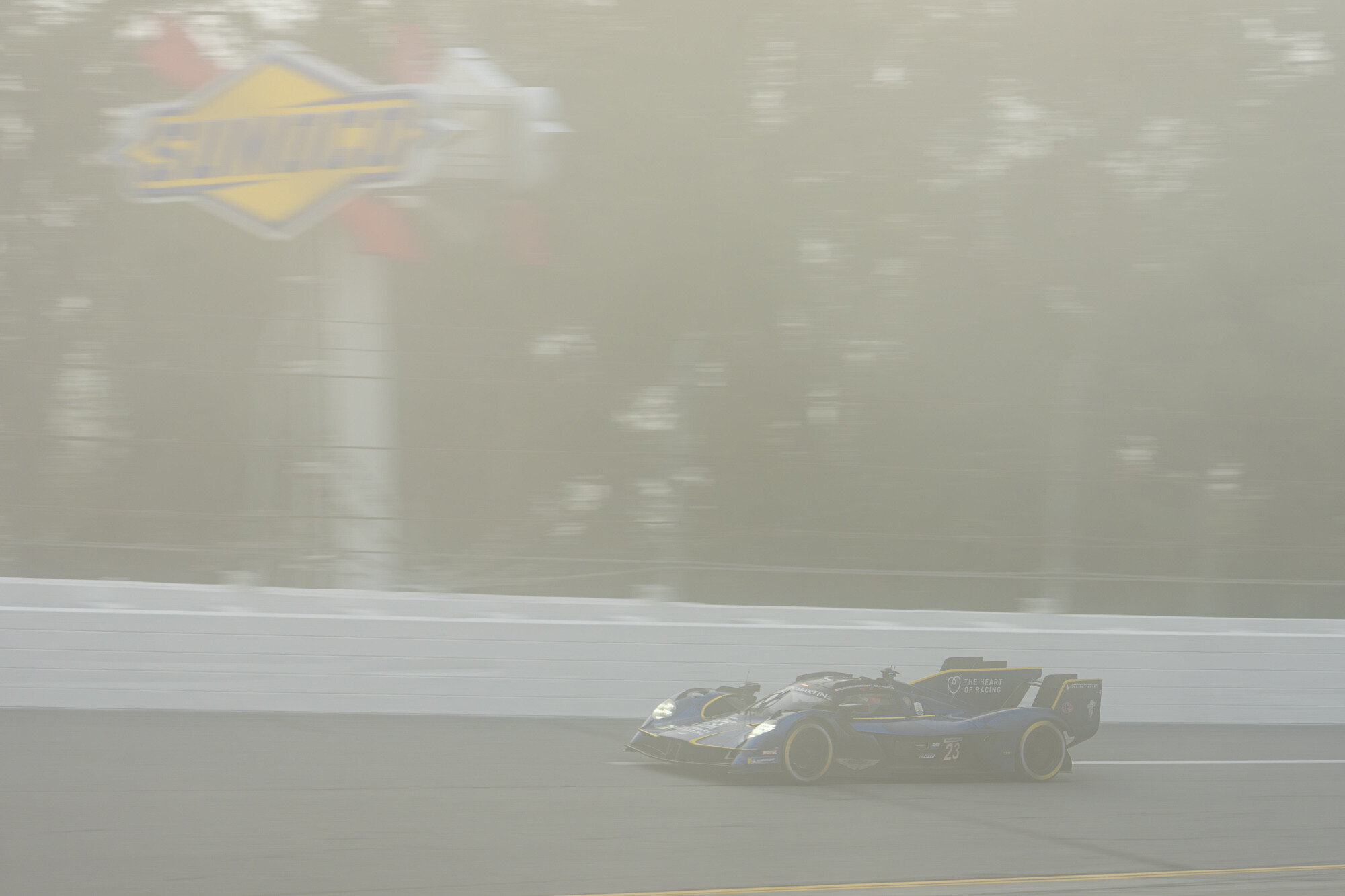
The Heart of Racing Aston Martin Valkyrie in Speedway turn three during the last of the thick fog.
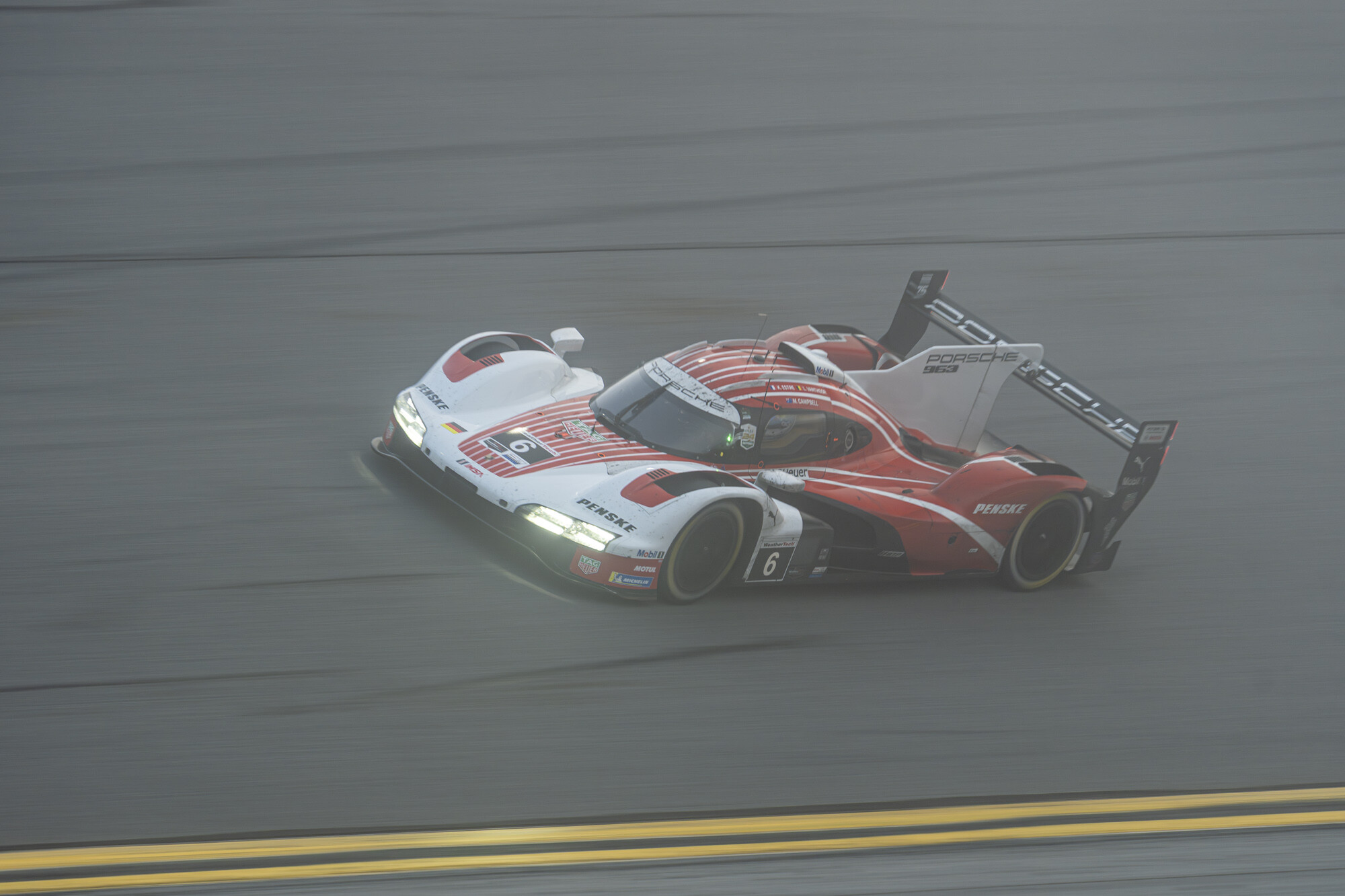
The No. 6 Porsche Penske on the high banking as the morning fog burned off.
The fog slowly lifted late in the morning.
I spent the final hour of the race in the pit lane. I focused on capturing pit stops and crew members, and, of course, the winning car as it crossed the finish line.
With one of the factory Porsche prototypes in the lead near the end, I knew I had to be close to victory lane to capture the celebration and trophy presentation should they hold on for the win.
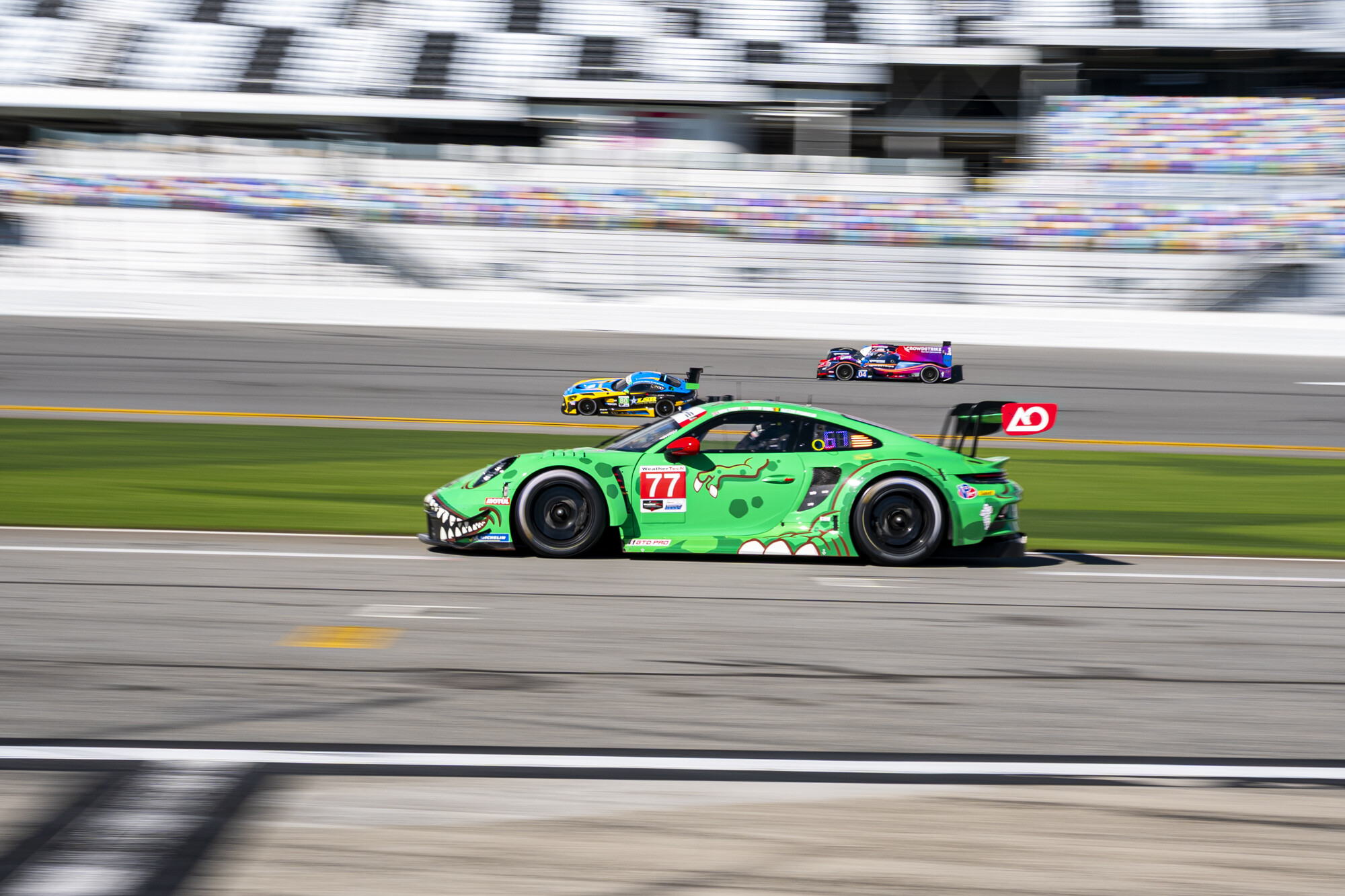
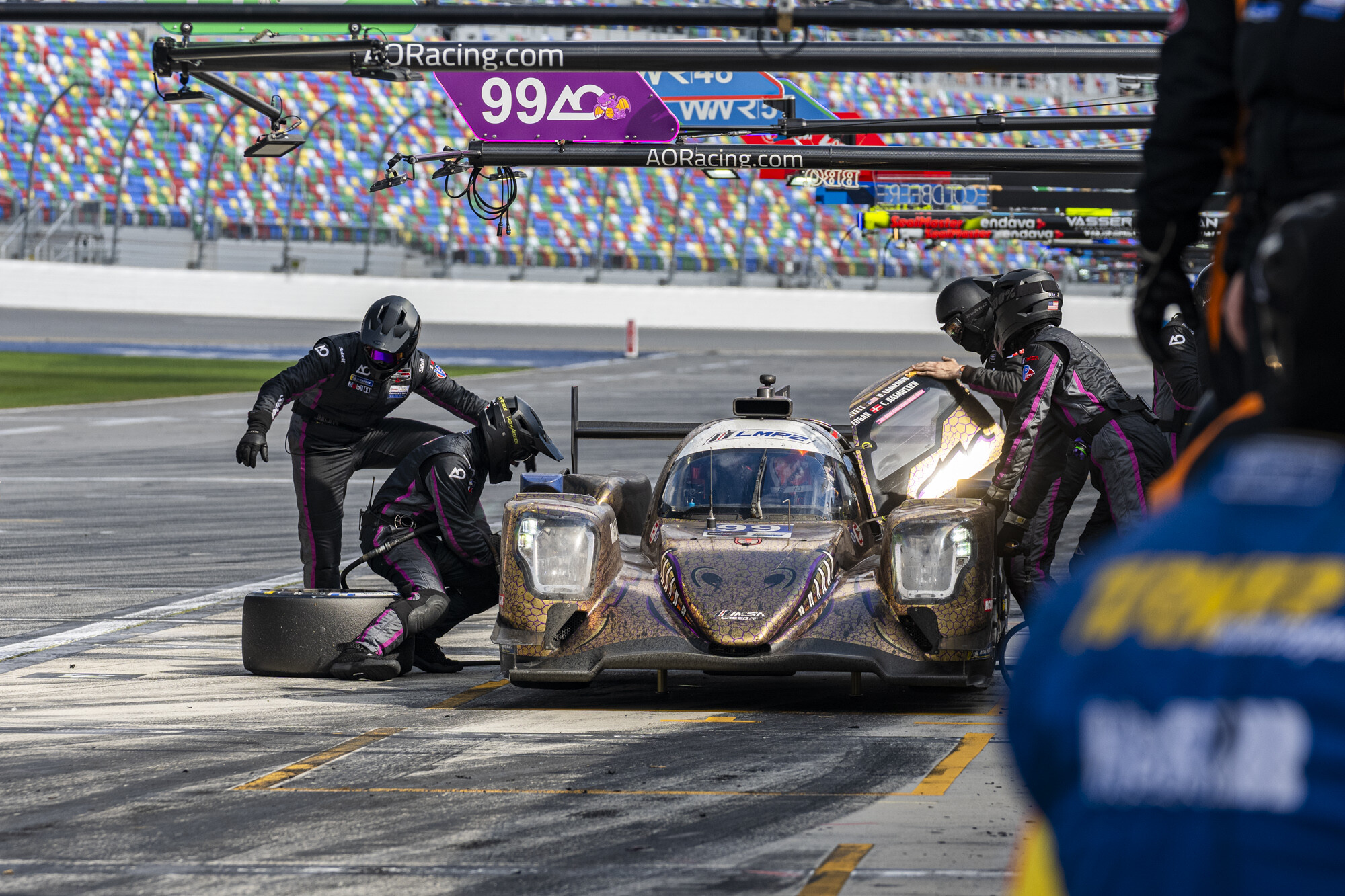
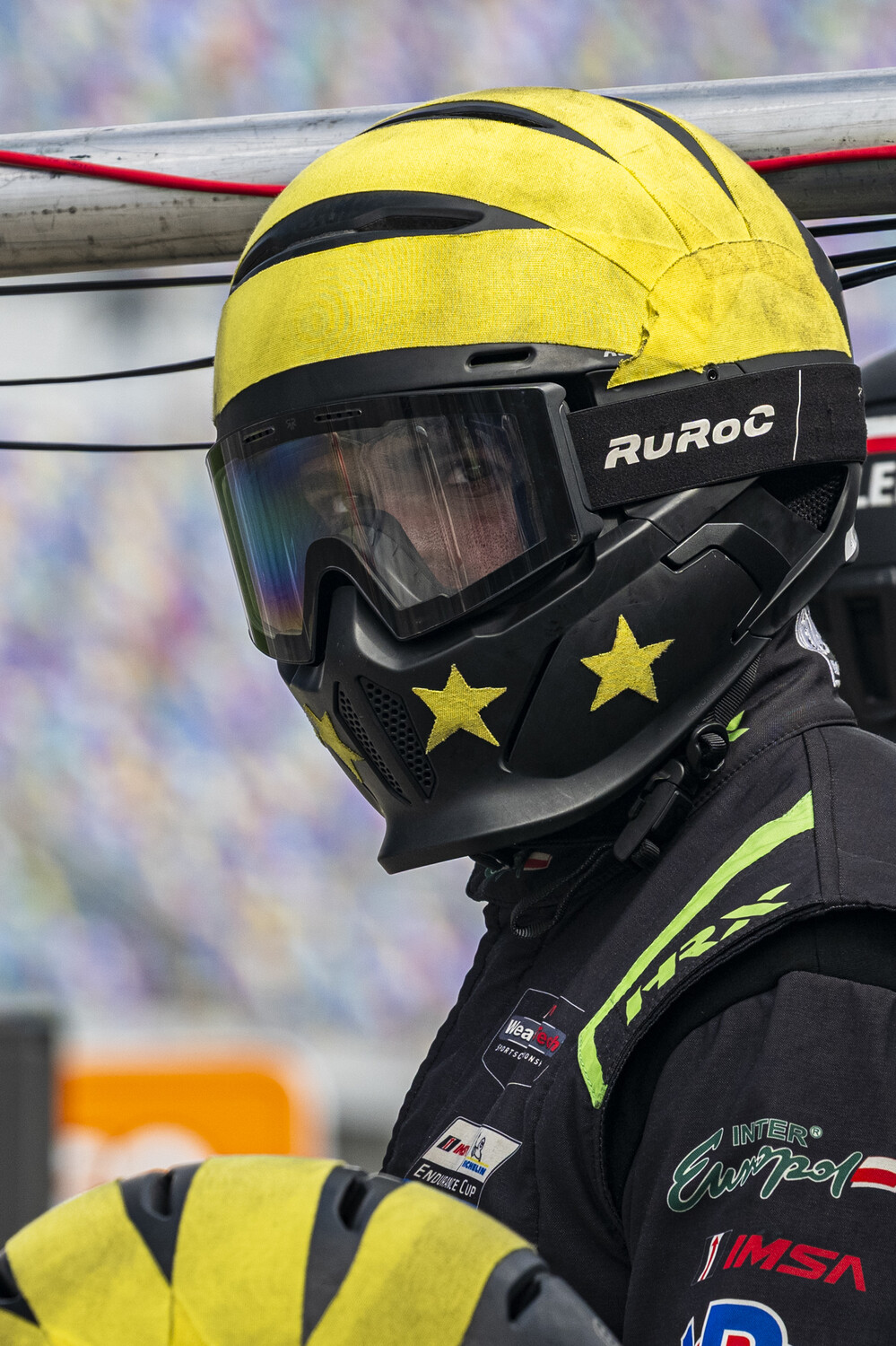
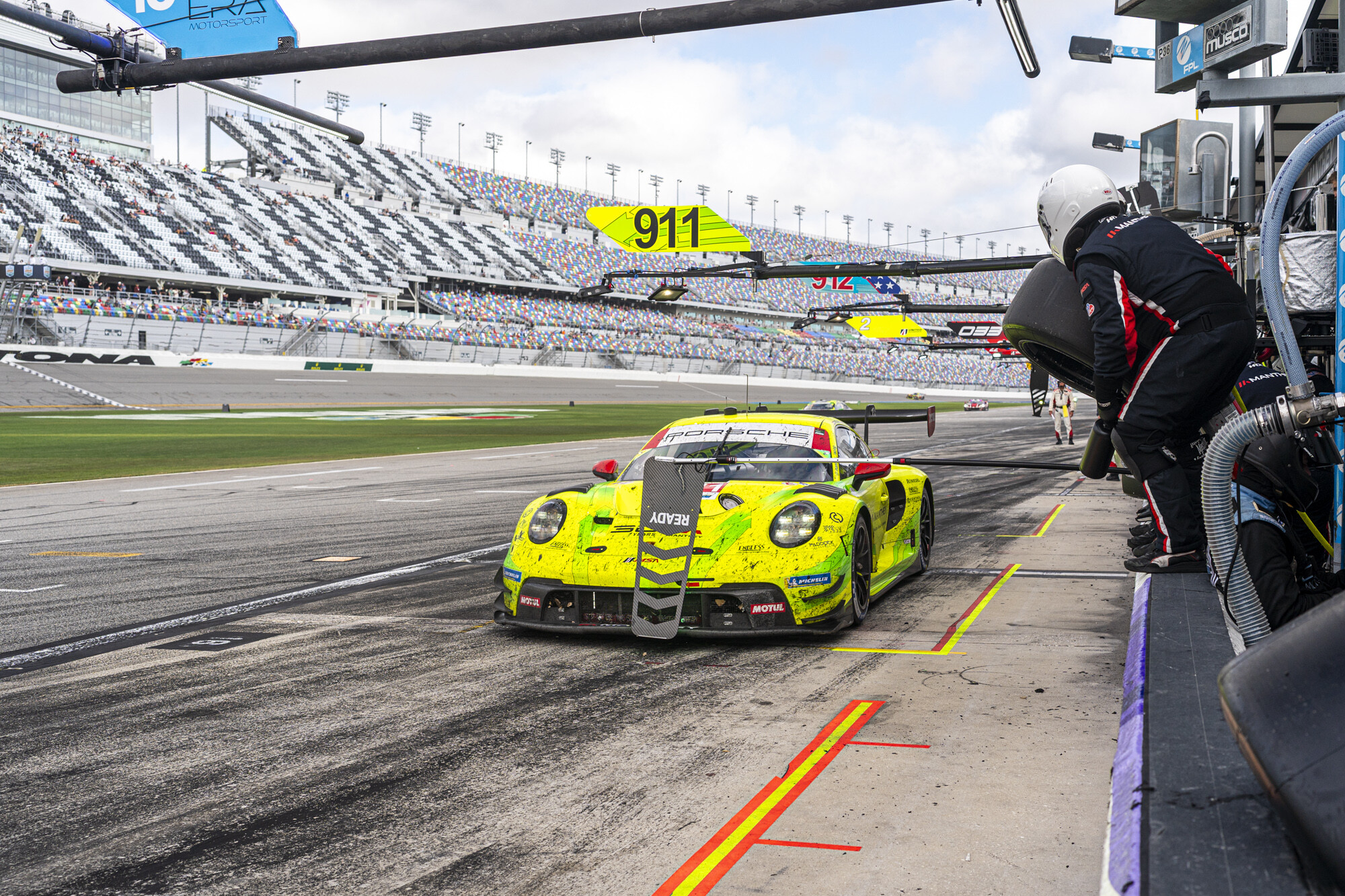
The pit lane gets very busy in the final hours of the race.
As soon as I captured the winning car crossing the finish line with the checkered flag waving, I rushed to victory lane to get a position that would afford me the best sightline for photos. I was one of dozens of photographers doing the same thing, as were hundreds of team members, supporters, sponsors, and family members — not to mention the personnel there to orchestrate the celebration.
Unless you are one of the handful of prioritized IMSA photographers, you have to make the most of the situation and capture the best photo you can. I focused on the key moments of celebration and emotion to tell the story. It was the winning team's third consecutive Rolex 24 victory, but only one driver, Felipe Nasr, has been on the team each time. He was animated and quite emotional, so I focused on him.
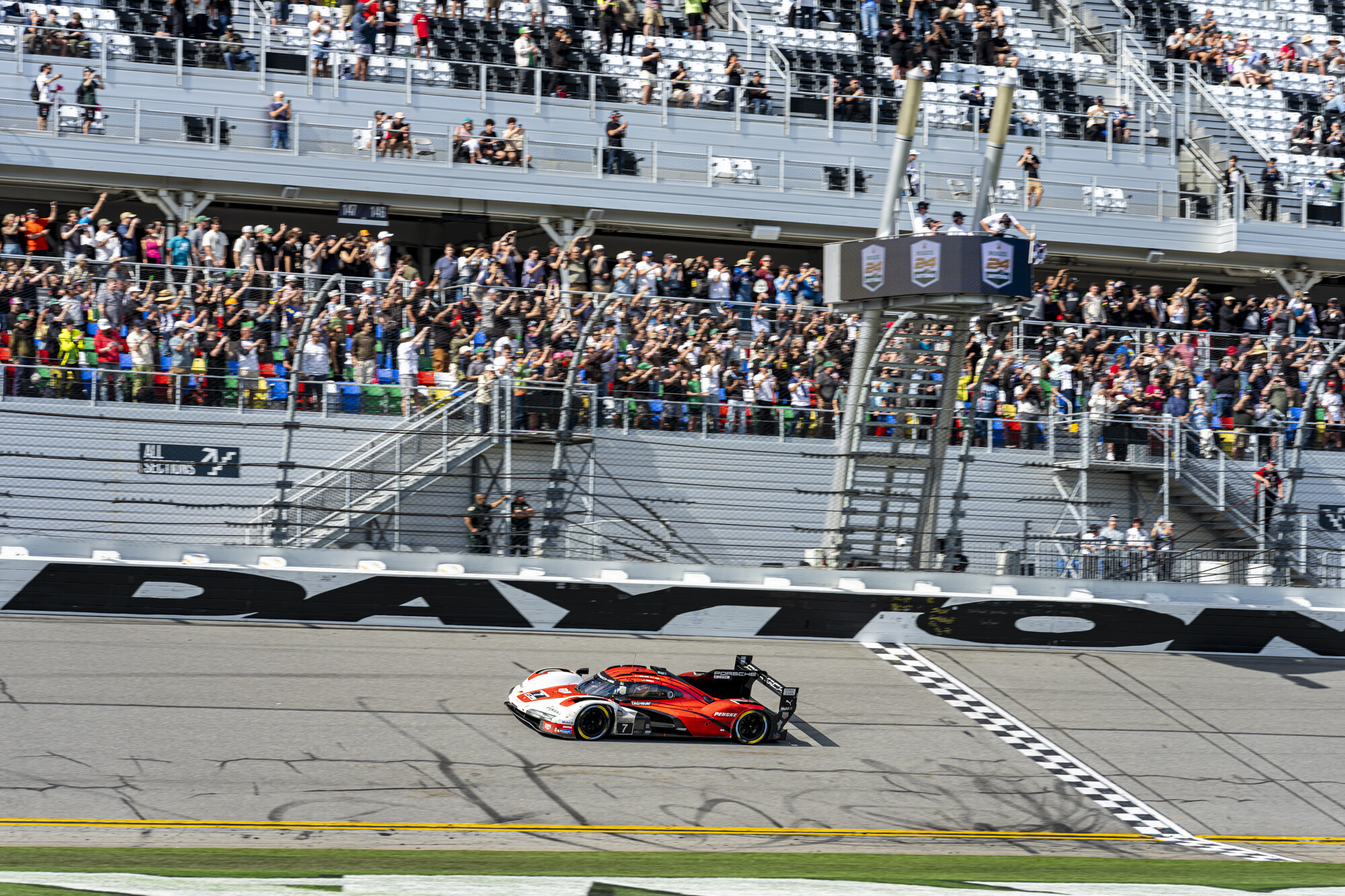
The No. 7 Porsche Penske car wins the 2026 Rolex 24 at Daytona.
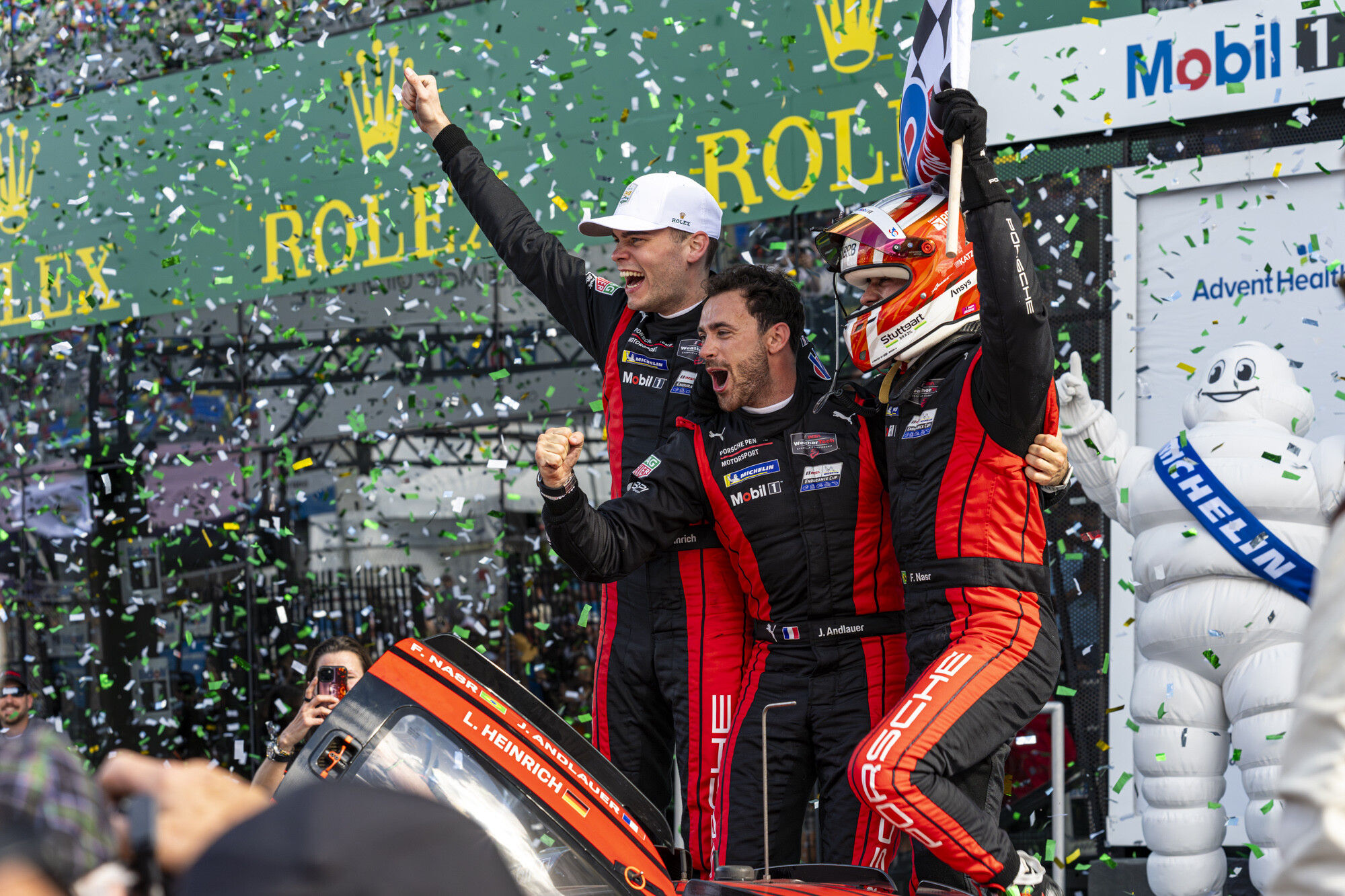
Felipe Nasr, Julien Andlauer, and Laurin Heinrich celebrate their victory at Daytona.
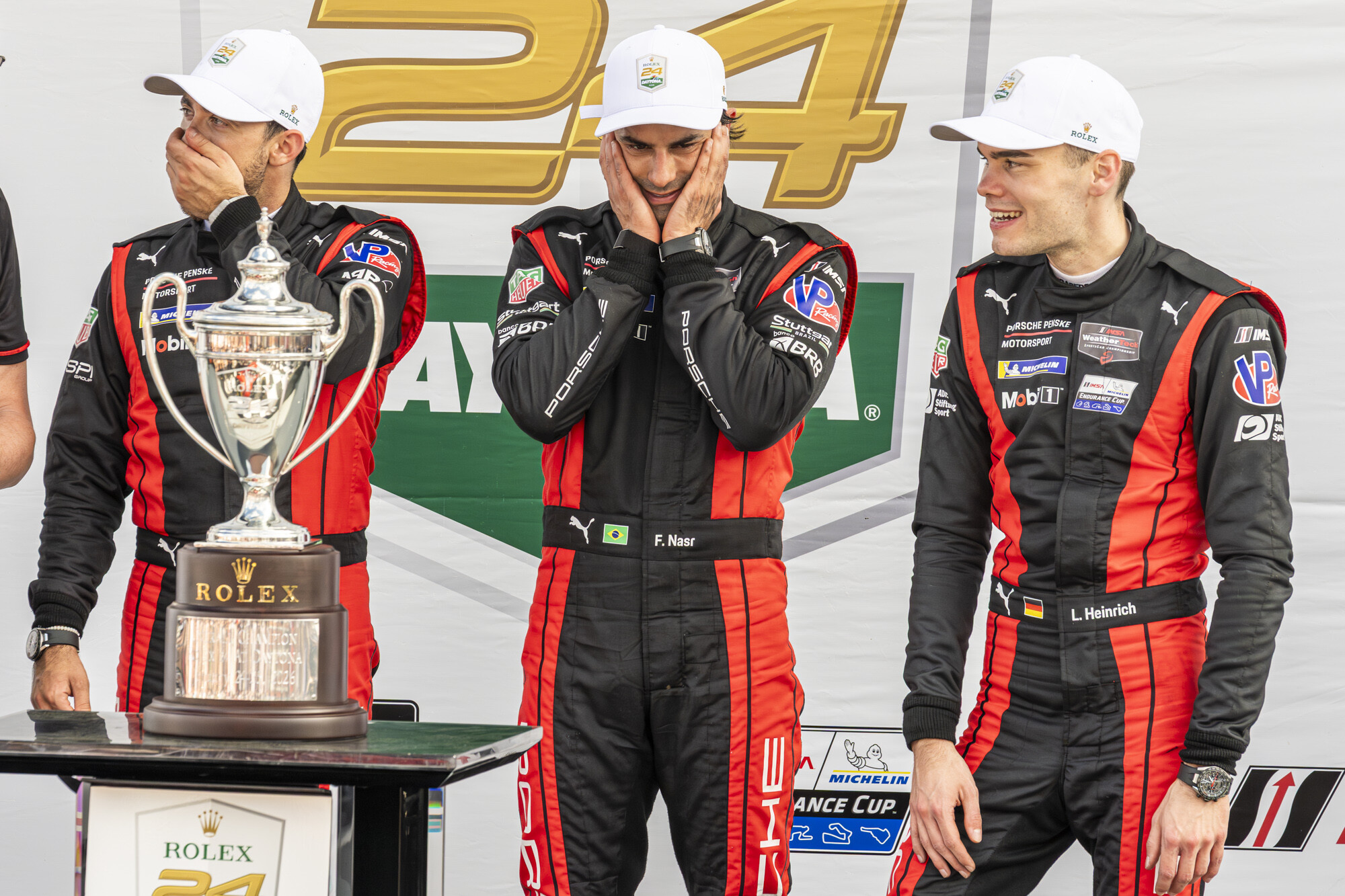
The realization of winning one of the biggest endurance races in the world for the third time in a row sets in on Felipe Nasr.
Victory after 24 hours of racing is an emotional thing, even if you've been there before.
The photographer's room slowly empties after the race as everyone has different requirements and travel schedules. If you work for a team that didn't finish on the podium, your day can wrap up quite quickly. If you are capturing a winning team, you could be at the track into the evening.
The next race on the schedule is the 12 Hours of Sebring in March, seven weeks after the Rolex 24 at Daytona ends. This is one of the largest gaps in the season between events. I will review my photos from Daytona, create a personal priority list of elements I need to improve for Sebring, and then try it all again.
2 Comments
I love "behind the curtain" pieces like this; especially when it relates to an area of photograph that's so foreign to me. Excellent work and honestly reminds me of the portion of Hunter Thompson's Fear and Loathing in Las Vegas as he covered (more or less) the Mint 400.
Incidentally, I noticed you're based in Nashvegas. Originally from west Tennessee myself. Small world here in the Fstoppers writer pool.
Thank you very much, that’s high praise! I’m like most people in Nashville nowadays, originally from somewhere else but call it home now 😁