The Canon EOS R6 Mark III steps into a crowded full frame market with a 32-megapixel sensor and internal 7K open gate recording. If you shoot both stills and video, this body lands right where detail, file size, and real-world handling collide.
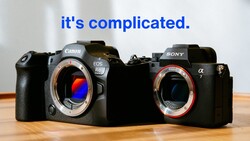
Coming to you from Gerard Needham, this candid video walks through eight weeks of daily use with the Canon EOS R6 Mark III. Needham moved over after shooting Sony for paid work, with some time on Nikon and Fujifilm bodies as well. The draw here was simple: 32 megapixels in a body that does not drift into bloated file territory. You get room to crop without stepping into the headaches that show up with ultra high resolution sensors, like amplified camera shake or massive raw files that slow down your workflow. That middle ground matters when you deliver client work and still want flexibility in post.
He spends time on how the raw files respond in editing, and this is where the conversation gets practical. Using Lightroom with the Adobe Color profile, Needham aims for consistent color across brands rather than leaning on manufacturer profiles. The difference he points out is tonal response. The R6 Mark III files roll highlights into midtones in a way that flatters skin, giving portraits a smoother look straight out of the gate. The tradeoff shows up in shadow recovery. If you miss exposure, you will not pull back as much detail as you might from a Sony or Nikon file, so exposure discipline becomes nonnegotiable.
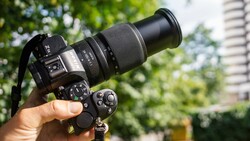
Handling is another area where the R6 Mark III earns respect. The grip feels right with longer lenses attached, and the layout favors function over flash. JPEG previews on the rear LCD look polished, which helps when a client glances at the screen mid-shoot. Reliability also gets a nod. Canon bodies carry a reputation for holding up under steady use, which eases your mind when paid assignments stack up. Spec sheets across brands have largely leveled out, so the daily shooting experience starts to matter more than marginal gains in buffer depth or autofocus percentages.
Video is where this camera shifts from solid to intriguing. Internal 7K open gate recording changes how you frame when you deliver in multiple aspect ratios. Shoot once horizontally, then crop vertically without losing breathing room. That flexibility counts on commercial jobs that demand 16:9, 1:1, and 9:16 from the same setup. The camera also records internal raw video, giving access to full sensor readout and white balance adjustments in post. Those files are large and demand storage and processing power, so Needham explains why he settled on 7K open gate at 25 fps in C-Log 2 for most work rather than raw.
Then comes the friction point: RF lenses. Canon offers high-end glass that performs beautifully, but pricing climbs fast. Third-party full frame RF options remain restricted. Needham tested the Canon RF 45mm f/1.2, attracted by the wide f/1.2 aperture and modest price, and found compromises in chromatic aberration, corner softness, and build details like the lack of a hood in the box. Autofocus speed and aggressive profile corrections raised further concerns. His workaround involves adapting older EF lenses for their character, accepting imperfections in exchange for look and cost control.
The result is not blind praise or dramatic dismissal. It is a clear picture of a body that delivers strong stills, flexible video, and a shooting experience that feels settled, paired with a lens ecosystem that forces harder choices than some competing mounts. Check out the video above for the full rundown from Needham.




Join the Fstoppers community for free
-
Post comments and join in the discussions
-
Browse the site ad-free
-
Share your work and get featured in the community
-
Compete in the photo contests for fun and prizes
No comments yet