Leica has turned the Q3 into a dedicated black and white tool with the Q3 Monochrom digital camera, and it is a very different proposition from simply converting color files later. For anyone who cares about tone, low-light performance, and staying unobtrusive, this kind of purpose-built body can change how seriously photographers treat monochrome work.
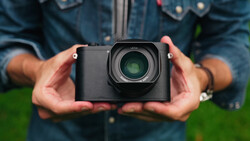
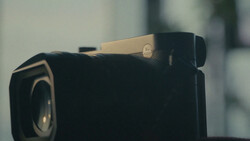
Coming to you from mathphotographer, this thoughtful video walks through the unboxing and first setup of the Leica Q3 Monochrom digital camera and immediately shows how Leica has leaned hard into a stealth look. You see the pitch black body, the new leather texture that replaces the geometric pattern of the color Q3, and the missing red dot that keeps the front as quiet as possible. Small touches stand out, like the monochrome engraving on the top plate and the pale accent color on the shutter dial and power indicator instead of the usual red. The video also shows how the lens hood and the included cosmetic ring change the front profile, which matters if you want a tighter, more compact silhouette in the bag or on the street.
From there, the video moves quickly into what actually separates this camera from the standard Q3: the dedicated monochrome sensor with triple resolution and no optical low pass filter. You see how Leica presents the 60-, 36-, and 18-megapixel options differently in the menu, using LDNG, MDNG, and SDNG combinations that can be confusing until someone walks you through them on screen. The video shows the ISO range going up to 200,000 and talks through why a monochrome sensor handles noise differently, especially when you are pushing into concert or night street work. There is also a useful explanation of the contrast detect autofocus system, why phase detect is not available here, and how Leica is leaning on what it calls AI autofocus to keep subject detection responsive.
Key Specs
-
60.3-megapixel effective full frame CMOS monochrome sensor with triple resolution options at 60, 36, and 18 megapixels
-
Native ISO 100 to 200,000, with Leica tuning aimed at low noise black and white shooting
-
Fixed 28mm Summilux lens, f/1.7 to f/16, 11 elements in 9 groups, macro mode down to 17 cm
-
Optical image stabilization in the integrated lens for roughly three stops of handheld flexibility
-
Leaf shutter in the lens, mechanical 1/2,000 s down to long exposures, electronic shutter up to 1/16,000 s, flash sync up to 1/2,000 s
-
Continuous shooting up to 15 fps at full resolution with a deep buffer
-
8K and 4K recording in H.264 and H.265 with 10 bit options, plus ProRes 422 HQ in Full HD and a 30 minute clip limit
-
5.76 million dot OLED EVF and tilting 3" touchscreen LCD
-
Single SD UHS II card slot, USB C 3.2, micro HDMI, Wi-Fi 5, and Bluetooth 5.0
-
BP-SCL6 2,200 mAh battery rated for about 302 shots under CIPA, compatible with wireless charging grips
The video spends time on practical handling that spec sheets never cover. You see how firmly the lens hood now locks in place, why that matters if you carry the camera in a backpack, and how the optional ring can clean up the front when you want a more compact setup. There is a quick but useful segment on screen protection and how a Leica M10 screen protector happens to fit the Q3 Monochrom well enough for temporary use.s. You also get a clear look at the tilting rear LCD in low and high shooting positions, and how the digital frame selector lets you compose as 35, 50, 75, or 90mm while still recording full-resolution files.
On the technical side, the video walks through shutter behavior, explaining why it makes sense to stay on mechanical shutter when possible to avoid rolling shutter artifacts, and when it is worth flipping to electronic to reach 1/16,000 s in bright light at f/1.7. Leaf shutter flash sync up to 1/2,000 s comes up as well, framed around studio and location flash work where being able to keep ambient light under control really matters. There is also a preview of how 8K monochrome video looks in the menus and profile pages, including the different codecs and frame rates, but the video holds back actual footage and grading talk for future episodes. Content Credentials support and the new interface split between photo and video get a brief tour on screen, enough to show that Leica is moving this series toward more serious hybrid use without turning the camera into a menu maze. Check out the video above to see the full walkthrough of menus, autofocus behavior, and real world shooting plans with the Q3 Monochrom.


Join the Fstoppers community for free
-
Post comments and join in the discussions
-
Browse the site ad-free
-
Share your work and get featured in the community
-
Compete in the photo contests for fun and prizes
No comments yet