
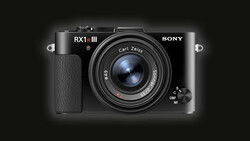
The whispers have turned into reality: Sony has officially announced the RX1R Mark III, and for enthusiasts of high-end compact cameras, the excitement is palpable.
While I haven't had the chance to get my hands on this highly anticipated camera just yet, I was fortunate enough to attend a recent press briefing with the Sony team. This provided invaluable insight, allowing me to gather answers to my own questions and hear the questions asked by other creators. In this comprehensive breakdown, we’ll explore what makes the RX1R III a significant leap forward, dissecting its features, improvements, and where it stands in the competitive landscape of premium fixed-lens cameras.
The Evolution of a Legend: Lighter, Faster, More Refined
Sony's latest iteration of the RX1R series is designed to be a substantial upgrade over its predecessor, the RX1R II. The immediate takeaways are clear: this new model is lighter, promises faster performance, and presents an all-around more refined shooting experience.
A Masterclass in Portability
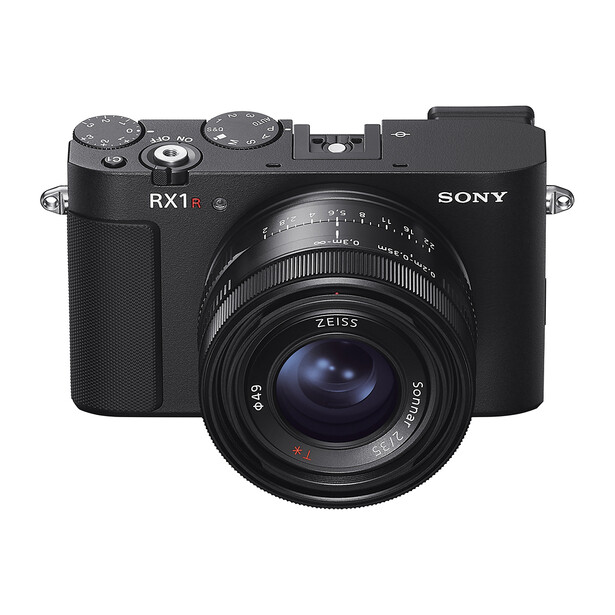
One of the most striking aspects of the RX1R III is its incredibly compact and lightweight design, especially considering its full frame sensor.
- Featherlight Footprint: Weighing in at a mere 17.5 ounces (approximately 496 grams), the RX1R III sets a new standard for portable full frame cameras. To put this into perspective, it's actually lighter than just the body of Sony's own a7CR, a camera already popular for its compact nature.
- Leica Q3 Comparison: For those eyeing the premium compact market, the comparison to the Leica Q3 is particularly compelling. The RX1R III is a remarkable 40% lighter and 45% smaller than the Q3. This significant reduction in size and weight makes it an incredibly appealing option for photographers who prioritize discretion and ease of carrying without sacrificing image quality. It solidifies its position as a true "full frame point-and-shoot" that can genuinely disappear into a small bag or even a coat pocket.
The Enduring Charm of the ZEISS Lens and Leaf Shutter
Sony has made a strategic decision to retain the exact same fixed lens as the previous RX1R II model. While some might desire a refresh, this choice comes with distinct advantages that contribute to the camera's unique character and capabilities.
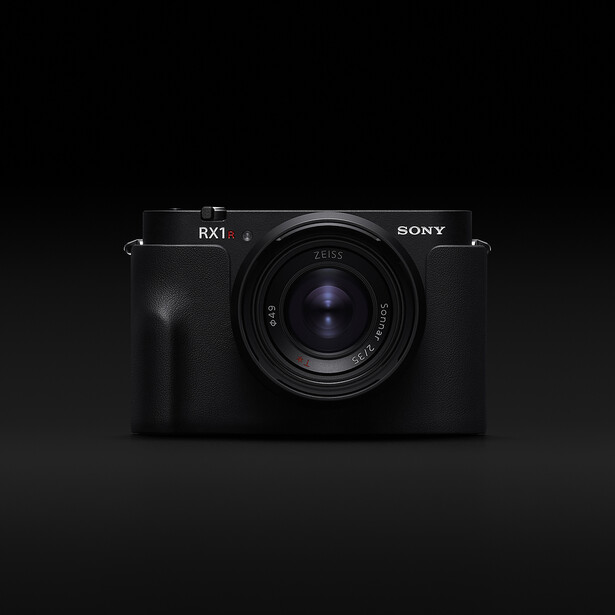
- Characterful Optics: The 35mm f/2 ZEISS Sonnar T* lens is renowned for its optical quality, rendering images with pleasing bokeh and a distinctive "character" that many photographers cherish. This ensures the RX1R III continues to deliver the beloved look of its predecessor.
- The Power of the Leaf Shutter: Perhaps the most significant benefit of this fixed-lens design is the integrated leaf shutter. Unlike traditional focal plane shutters found in most interchangeable lens cameras, a leaf shutter is built into the lens itself. This offers several key advantages. The leaf shutter also provides incredibly quiet shooting, making it ideal for discreet photography in sensitive environments where shutter click noise would be disruptive (e.g., weddings, street photography, quiet events), all while mitigating the drawbacks normally seen with electronic shutters (rolling shutter, banding, etc.). Another great advantage of leaf shutters is their ability to sync flash at every single shutter speed. This means you can utilize flash at speeds all the way up to 1/4000th of a second, even at wide apertures in bright daylight, to balance ambient light with flash or overpower the sun perfectly. This capability is a game-changer for creative lighting on location.
Internal Overhaul: Processing Power and Imaging Prowess
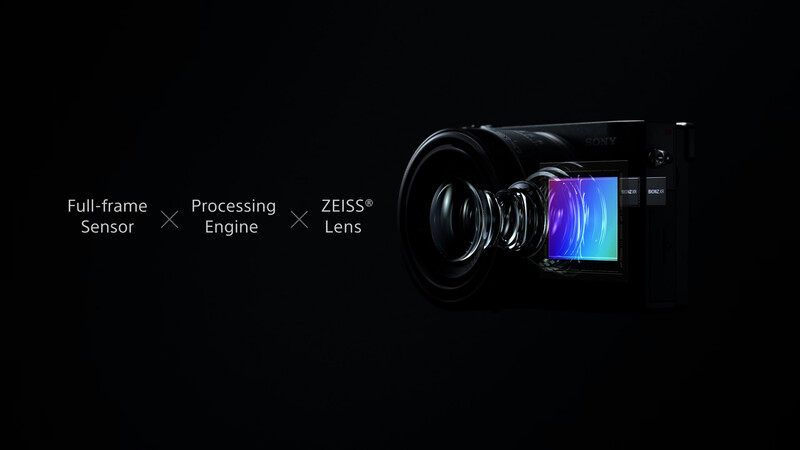
While the external design retains much of its charm, the true revolution within the RX1R III lies in its updated internals. Sony has equipped this compact powerhouse with its latest generation of processing and imaging technology.
Next-Generation Performance Engine
- BIONZ XR Processor: The RX1R III now boasts Sony's cutting-edge BIONZ XR image processing engine. This powerful processor drives significant improvements across the board, from faster overall operation to enhanced image quality.
- Dedicated AI Processing Unit: Complementing the BIONZ XR is Sony's dedicated AI processing unit. This specialized hardware supercharges the camera's intelligent features, leading to:
- Advanced Autofocus: Expect the latest advancements in autofocus performance, including highly accurate subject recognition and tracking capabilities seen in Sony's flagship mirrorless cameras. This means the camera can reliably detect and track a wider range of subjects (humans, animals, birds, insects, cars, trains, planes) with impressive precision.
- Improved Auto White Balance: The AI unit also contributes to more intelligent and accurate auto white balance, ensuring more natural and consistent color rendition in various lighting conditions.
The Perfect Sensor for a Compact King
The RX1R III features the same acclaimed sensor found in the Sony a7R V and a7CR. This high-resolution full frame sensor is, in my opinion, an ideal choice for this specific body.
- High-Resolution Output: This sensor delivers stunning detail and dynamic range, providing ample room for cropping and post-processing flexibility.
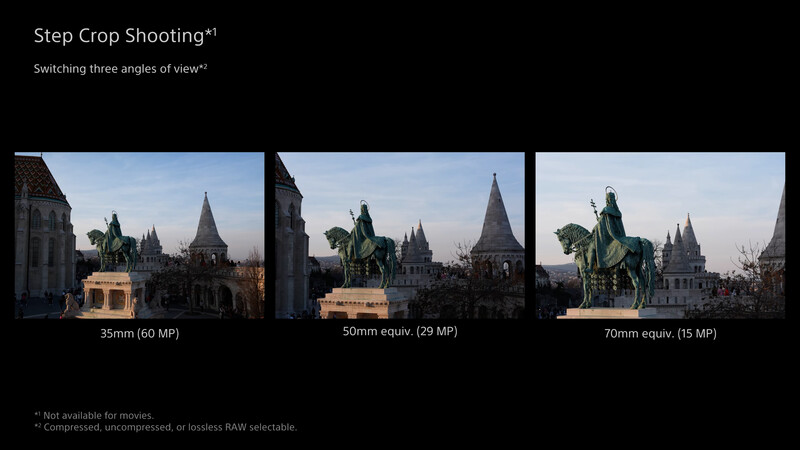
- Intelligent Digital Zoom: A standout feature, similar to those found on cameras like the Leica Q3 and Fujifilm GFX100R, is the new digital zoom capability. This allows users to effectively "crop in" digitally, simulating longer focal lengths (e.g., converting the 35mm field of view to 50mm or 70mm) directly in-camera. Thankfully, this will be the first (to my knowledge) Sony camera that will save the full-resolution raw file and simply write the crop information to the metadata. This means you retain the flexibility in post-production to revert to the uncropped 35mm view if needed, offering an invaluable safety net for framing.
Powering the Experience: Battery and Stabilization
- Upgraded Battery: The RX1R III receives a much-needed battery upgrade. While it doesn't adopt the larger NP-FZ100 battery found in Sony's higher-end mirrorless cameras, it uses the NP-FW50 battery, which is a welcome step up from the RX1R II's smaller cell. Sony specs suggest around 300 images per charge, so we see an increase in the number of images we can capture on a single charge, all while supplying the extra power demand needed for the updated internals.
- No In-Body Image Stabilization (IBIS): As expected, the RX1R III does not include in-body image stabilization. This aligns with the previous model's design and is likely a trade-off for maintaining the camera's remarkably slim profile. While IBIS is always a "nice to have," the lens's leaf shutter design inherently allows for easier handholding at lower shutter speeds compared to cameras with traditional focal plane shutters, somewhat mitigating the absence of IBIS.
Design and Ergonomics: Minor Tweaks and Missed Opportunities
Sony has opted for a cleaner, more minimalistic design compared to the RX1R II, which includes some notable changes to the physical controls.
- Simplified Front Design: The front rocker switch, previously used for selecting focus modes, has been removed. While this contributes to a sleek aesthetic, it does remove a direct control point.
- Custom Button Conundrum: With only three dedicated custom buttons (excluding the rear thumb wheel), there's a missed opportunity for greater user customization. I personally wish Sony had utilized the vacated space from the rocker switch for an additional custom button—or left the switch for easy and mechanical access to changing focal lengths (35mm, 50mm, 70mm options maybe).
- Exposure Compensation Dial: The new model features a classic +/-3 exposure compensation dial. While functional, I would have preferred a blank dial, similar to those on the a9 III or a7CR. A blank dial would allow for a wider exposure compensation range (e.g., +/-5 stops) or even unlock additional customization options, such as cycling through the new digital crop modes, aspect ratios (if added in future updates, akin to the GFX100R), or the new film simulations.
- Film Simulations: A very welcome addition is the inclusion of new film simulation options. While Sony's offerings are still in their infancy compared to Fujifilm's robust suite, it's an exciting first step. This feature has the potential to be a significant turning point for in-camera looks on Sony bodies with future firmware updates, offering creators more creative control directly in-camera. An ideal setup would also allow users to import LUTs (already available for video) to use for still images. While I love the idea of having more film simulations to play with, an ideal setup for me would be the ability to use my own personal style that I use when editing client or personal work.
Shutter Speed Limitations and Video Capabilities
- Max Shutter Speed: The RX1R III maintains the same maximum shutter speed of 1/4,000th of a second. However, this max drops to 1/2,000th of a second when shooting wide open at f/2. This is consistent with the Mark II and is an important consideration for photographers planning to shoot in very bright daylight at wide apertures.
- Video Specifications: For video shooters, the RX1R III offers:
- 4K 30p with 10-bit 4:2:2 recording: This provides excellent quality for most video applications.
- S-Log3 gamma curve: For those who prefer to grade their footage, S-Log3 offers maximum dynamic range.
- No Listed Record Limit: While there's no official recording limit, the camera's compact size will inevitably lead to overheating concerns during extended recording sessions. However, an individual who has had hands-on time with the camera reported recording a 50+ minute clip without overheating in what were likely ideal indoor conditions. This suggests it's perfectly capable for shorter clips and casual video use.
The Few Caveats: Screen, EVF, and the Price Tag
No camera is perfect, and the RX1R III has a couple of design choices that might give some potential buyers pause.
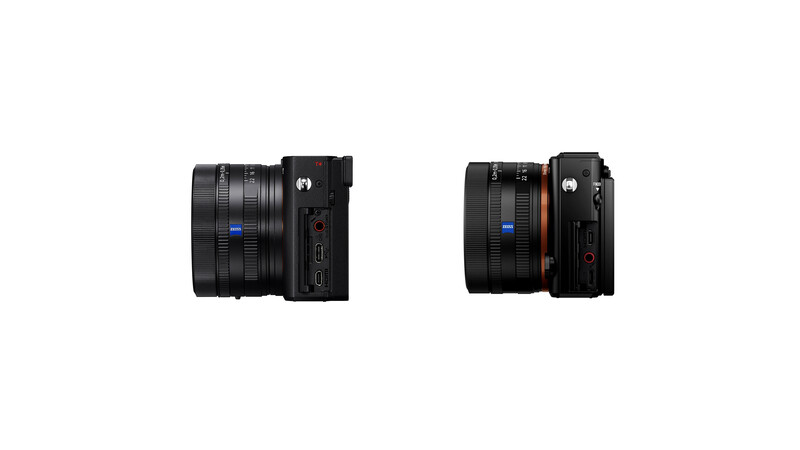
- Fixed Rear Screen: Perhaps the most notable drawback for me is the fixed rear screen. Sony's official explanation points to maintaining a slimmer profile, but given that the RX1R II featured a tilting screen without a significantly larger profile, this feels like a step backward in terms of versatility. A tilting screen is an indispensable tool for shooting from low or high angles, and its absence is a genuine consideration for my workflow.
- EVF Complaints: While I personally find the EVF (electronic viewfinder) on the RX1R III (which is the same as my a7CR) perfectly adequate, some users have already voiced complaints about its quality. If EVF performance is a critical factor for you, it's worth investigating further. But official word is that the hardware for higher resolution EVFs was too large to fit within the body.
The Elephant in the Room: Price
The ultimate deciding factor for many will undoubtedly be the price. The Sony RX1R III is positioned as a very high-end compact camera, coming in at a hefty $5,099. While this price tag places it firmly in the luxury camera segment, it's important to consider its competitive landscape. It remains significantly more affordable than the Leica Q3, while offering a lighter, smaller form factor and, arguably, superior performance. For those seeking the ultimate in full frame compact photography with an emphasis on portability and advanced features, the RX1R III offers a compelling value proposition within its niche.
In conclusion, the Sony RX1R III represents an exciting evolution for the series, packing cutting-edge technology into an incredibly portable body. Its blend of high-resolution imaging, advanced autofocus, leaf shutter benefits, and thoughtful design choices makes it a strong contender for photographers who demand uncompromising quality in a discrete package. The price and fixed screen are points of contention, but for the right user, this compact powerhouse could be the perfect photographic companion. I eagerly anticipate getting my hands on a unit to fully explore its capabilities.


Join the Fstoppers community for free
-
Post comments and join in the discussions
-
Browse the site ad-free
-
Share your work and get featured in the community
-
Compete in the photo contests for fun and prizes
17 Comments
'The King of Everyday Carry'??
It's the smallest, lightest, and fastest full frame camera on the market. So I feel like that's a fair statement.
cant really be the king of everyday carry, when it has no IBIS, no tilting rear screen, hobbled video function, an old battery system, and no evidence of proper weather sealing. The king of everyday carry has to be one of three cameras, depending on price point and personal requirements. Q3 overall. X100 if you cant afford the Q3, and GR4 if you want something that is truly pocketable. I chose a q3. There is no way I could wear the compromises of this Sony, particularly at that price. And anyway, for street, I prefer 28mm
The lack of ibis is fine for me. The battery is as big as you can get with the much smaller body compared to the Q3. I'm super sad it does not have a tilting screen. I also would prefer 28mm, but 35mm is more then acceptable. I had the Q3 for a while and the AF was garbage
Not sure why you struggled with the q3 AF. Works well for me.
My thoughts here
https://fstoppers.com/reviews/leica-q3-beautiful-yet-questionable-camer…
If you can live with a single focal length, a mediocre lens (if it's the same lens...), and a reduced feature set then yeah. But it's not for me.
At this price it's died for me. I than could get a Leica.
Maybe a used one
It's too big to fit in a pocket, so it's going in a pouch...in which case the difference in size and weight from, say, an a7CR or GFX100RF makes no difference to me. For that kind of money and use, I'd go for the GFX.
I tried so many coat-pocketable advanced compacts over the years, but I rarely carried them. My LX100 is a tad more pocketable than the RX1R, but even that usually wound up in a pouch and not a pocket, so for EDC I upgraded my iPhone instead. If I want something better, my a7CR in a very small pouch on a shoulder strap works great. The only pocketable compact I have any interest in is a GR, but I don't want it bad enough to shell out $1,000 for one.
That's why I keep my X70.
What good is 61MP with a >12 year old lens originally designed for a 24MP sensor?
None of the Zeiss lenses from that period hold up at that resolution.
The king of everyday carry is the GR. period. that's everyday carry. it fits easily in the pocket.
In terms of crop sensor cameras, that's definitely top of the list!
If the GR had a flip screen like my X70, I'd consider it. As it is, I keep my trusty X70.
Fixed screen is a real bummer.
We just got the GF100RF and love it, but something smaller like this RX1RIII would be lovely. I also have a now 10(!) year old RX100IV which I still use on a regular basis for walking around...still working like a champ!