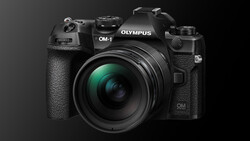
When you’re choosing between two cameras like the OM System OM-1 Mark II and the OM System OM-5 Mark II, the differences aren’t just about specs. It’s about how each body handles your rhythm, your pace, and the kind of moments you chase. These two share the same design language, but they live in slightly different worlds once you start shooting.
Coming to you from Chris Baitson, this engaging video walks through the OM System OM-1 Mark II and the OM System OM-5 Mark II in real conditions: wet, windy, and completely unfiltered. Baitson starts with the OM-5 Mark II, taking it to the coast for a round of wildlife and long exposure tests. He calls it a travel camera, something compact enough to throw in a bag with a M.Zuiko Digital ED 9–18mm f/4–5.6 and forget it’s there. The OM-5 carries over most of the modern OM System features, including AI tracking, in-body image stabilization, and computational modes, yet it feels built for ease, not speed. When Baitson turns it toward a breaking wave, the buffer lag shows its limits compared to the OM-1 Mark II. It can get the shot, but only just.
Later, Baitson switches to the OM-1 Mark II for the same test, this time aiming to freeze the crest of a wave against the cliffs. The camera reads faster, focuses sharper, and reacts with that extra bit of punch you notice instantly. He highlights how its high-speed capture and cleaner high ISO output make a difference in those fleeting moments. While the OM-5 feels easygoing, the OM-1 Mark II clearly means business. The test isn’t about lab performance; it’s about whether a camera keeps up when the scene changes faster than your patience.
The weather turns, of course. Rain hits hard, and Baitson digs into what that means for durability. Both bodies are weather-sealed, but lens choice matters. The OM-1 paired with a M.Zuiko Digital ED 40–150mm f/4 PRO stays solid under the drizzle, while the smaller M.Zuiko Digital ED 14–42mm f/3.5–5.6 EZ on the OM-5 isn’t fully sealed. It’s a subtle but important detail: weather-sealing only matters when the entire setup is sealed. He shows how that can be the difference between staying out another hour or heading back to the car.
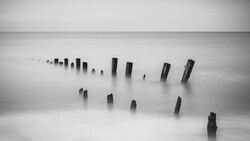
Baitson also compares the Live ND features in both cameras, using a sea stack as a static subject. The OM-1 Mark II supports Live ND up to ND128, while the OM-5 tops out at ND64. It’s not a night-and-day difference, but it limits how much motion blur you can push straight from the camera. His real-world setup shows the OM-1’s edge in consistency. You see the added control and the smoother gradient in water trails when the exposure stretches past two seconds at f/8.
By the end, Baitson sums up the choice in simple terms: the OM-5 Mark II for travel, the OM-1 Mark II for serious work. The OM-5’s smaller form and lighter weight make it ideal for casual days, but if you’re chasing performance and reliability, the OM-1 Mark II’s extra headroom pays off. Check out the video above for the full rundown from Baitson.




Join the Fstoppers community for free
-
Post comments and join in the discussions
-
Browse the site ad-free
-
Share your work and get featured in the community
-
Compete in the photo contests for fun and prizes
No comments yet