In Defense of the Profoto B10
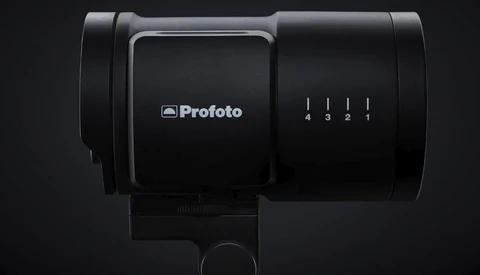
Listen, I know what you're all thinking. "Whoa, it looks cool. The modeling light is even bi-color. But it costs how much?" I get it, but bear with me.
Listen, I know what you're all thinking. "Whoa, it looks cool. The modeling light is even bi-color. But it costs how much?" I get it, but bear with me.
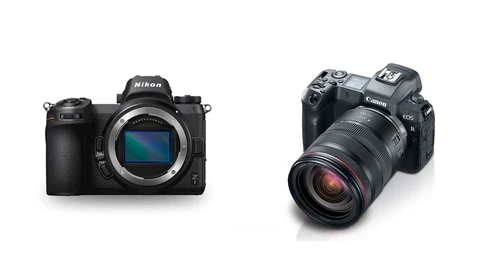
2018 has been quite a year for new equipment releases. We’ve seen Sony’s impressive a7 III, the Nikon Z6/7, and now the Canon EOS R, among many others. Specifically, these new mirrorless cameras continue to bring up one question for me, and that is: have we lost our minds?
Are you on Instagram? Yes? Do you want to learn more about good lighting and technology used to create beautiful images? Of course you do. Go follow the ASC.
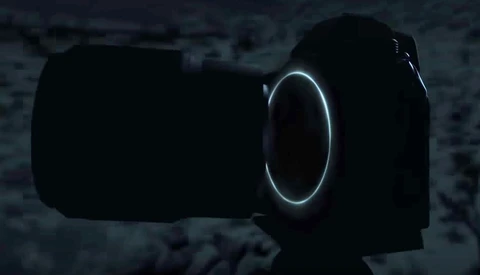
All I’ll say, is that I owned the original a7 and it kinda sucked. Is Nikon going to get it right the “first” time? Or will next week's supposed announcement of the Z-series cameras begin a long cycle of trying to one up themselves while trying to keep up with the major mirrorless players?
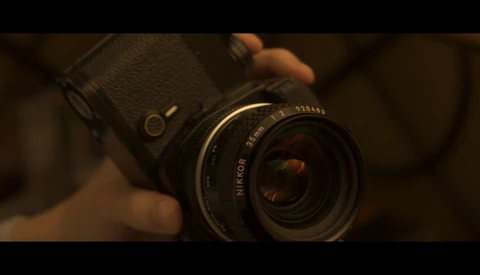
Way back when the Canon T3i was the camera to have, I dabbled in video just enough to get frustrated and quit. Years later and after a lot of trial and error, I’ve made the switch almost entirely to creating short films and commercial work. Here are the big takeaways from my experience.
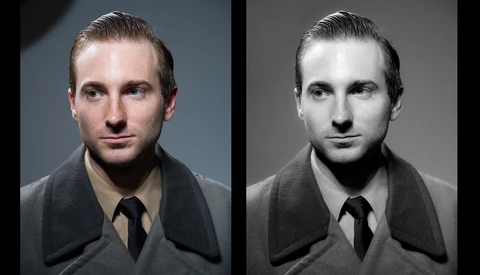
With modern cameras having incredible resolution and dynamic range, we all obsess over sharpness and the tonality of our images and how flexible the raw files are. But when broken down, what really makes a good portrait? Is it the perfect focus on the eye or a subtle transition of highlight to shadow from a massive softbox? As with all things, what defines a good portrait can go out of style.
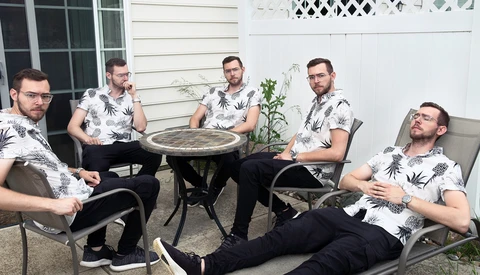
In various forms of photography, being able to composite several photos into one final image is an important skill set. In the world of portraiture, composites are often used to create group shots in which the lighting situation is difficult or not every subject of the photo is available at one given time.
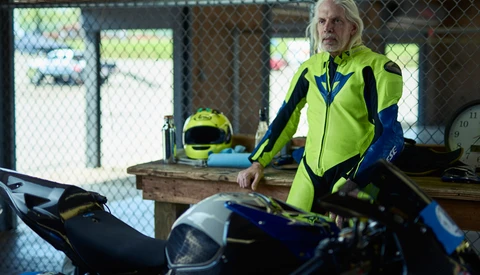
I recently travelled to the local racetrack with my brother for an open track day and decided that while he was out riding, I would try to make a few portraits of the other attending riders. I spent plenty of time ahead of the trip planning lighting, gear, locations, and more. This is a step by step walkthrough of how I created this series of portraits.
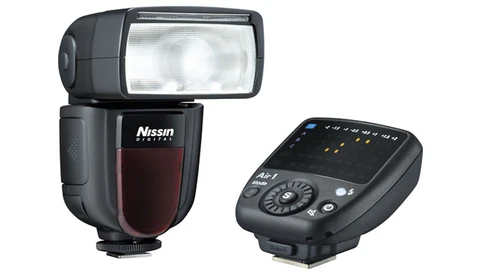
Fuji is, at this point, the last major manufacturer to not have TTL, high-speed sync, and wireless control support from most major lighting manufacturers. Profoto and Elinchrom have now made wireless remotes specific to Canon, Nikon, Sony, and Olympus. Fuji, even with their new medium-format monster, the GFX 50s, has yet to get such love from the lighting community.
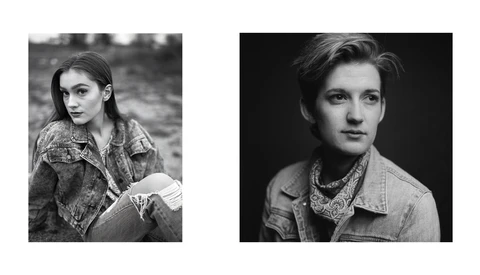
The film versus digital debate has raged on for over a decade now. Digital cameras are so capable that it seems silly for anyone to go back to an archaic medium like film. Film is slow, expensive (sort of), lacks many game-changing features found in today's digital cameras, and has lower resolution (sort of).
Almost every photographer has created some sort of personal project in their time. In fact, many photographers’ work is comprised entirely of personal projects. Rarely though do I see projects that are truly personal. I mean that in the sense of their projects having a real emotional connection to the photographer that easily shows through in their images.
Are you a fashion or beauty photographer looking to get your work out into the world? Well PDN (Photo District News) is at it again with their annual fashion and beauty contest. The Look is a contest, open to anyone, that aims to showcase the most talented fashion and beauty images from around the world. Entries are now open and running until June 8th, 2017.
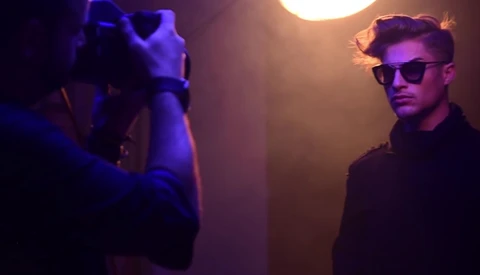
Fstoppers is at it again with another amazing tutorial. This time, Clay Cook is bringing his talent as an advertising and editorial photographer to the table. Based in Louisville, Kentucky, Cook has worked for a variety of local, national, and international clients.
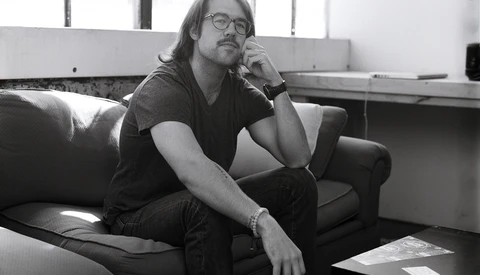
There’s no phrase I dislike more in the photo world than "I’m a natural light photographer." Believe me, I love natural light more than anything. It’s simple and easy to work with, and you don’t need to worry about bringing a ton of gear with you. But very rarely will just unmodified natural light work.
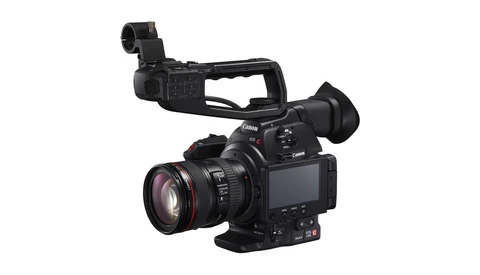
Like many photographers during the digital revolution, the idea of being able to capture high-quality video with my stills camera has always been enticing. Filmmaking is a different way to tell a story entirely, because of the addition of context.
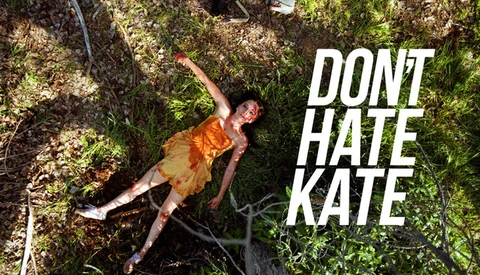
I started my journey in photography back in 2011. Since then, there are only a handful of photographers that I have really paid attention to in terms of actively keeping up with their work. One of those photographers is Commercial Photographer Dave Hill. His work has taken a more drastic turn in just a few years than any photographer that I’ve followed.
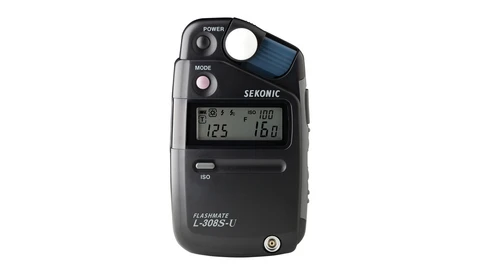
While it certainly wasn't my first time using one, a recent shoot I did for TEDx at the Ohio State University made me realize how much easier life is with a light meter. For almost all the time I've spent behind cameras, I've been creating portraits. And for most of that time, I've been using flash.
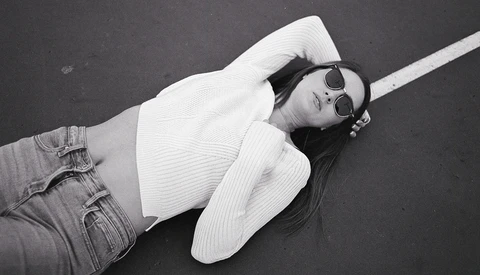
This is more or less the camera that started film photography for me. Since developing an appreciation for Joey L’s work, I wanted to shoot medium format. The focus falloff and rendering was just so surreal compared to full-frame and crop-sensor cameras that I had been shooting with. Unfortunately, the cost of entry was a little steep for a digital back.
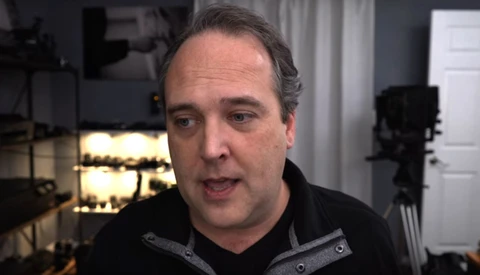
Many of you are familiar with Ted Forbes and his popular YouTube channel, "The Art of Photography." Personally, I’ve always appreciated his candid nature and helpful attitude towards anyone and everyone on their photographic journeys.
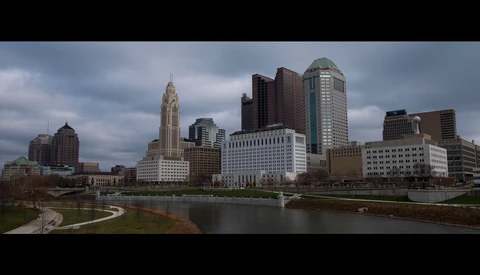
I’ll admit that I’m in a creative rut. And like any photographer that feels frustrated, there’s only one thing to do: go in a different direction. For well over a year I’ve been shooting hardly anything besides studio portraits. While I love that genre and the work that I’ve created in that time, I feel like my work has hit a wall creatively.
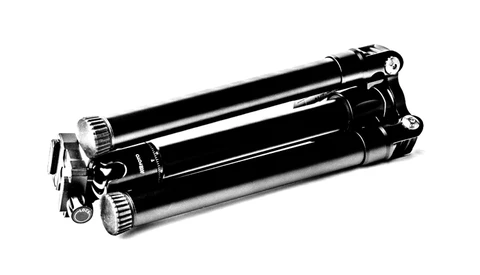
The idea of a travel tripod causes hesitation. On one hand, you have a size that makes bringing a tripod on location no longer a physical strain. On the other, these tripods tend to be thin, causing them to be less sturdy than larger, thicker tubed tripods. The key to a good travel tripod is striking a balance of size and strength.
I have had the blessing and curse of having too many photos to edit in the past few months. I've had plenty of opportunities to improve my work with the high frequency of shoots, but it's caused me to feel buried. During a typical shoot, I'll take between 250-400 photos. With each light setup, I'll take a few shots to ensure it's just how I want it, then I'll start directing my model.
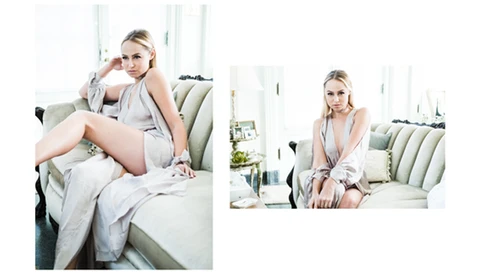
Some of you might not consider what you do as art, but as a photographer, you're an artist. A lot of small pieces and parts come together to make your images what they are, and that process of deciding everything from the model, to the clothing, the lens choice, to the lighting, is an artistic one.
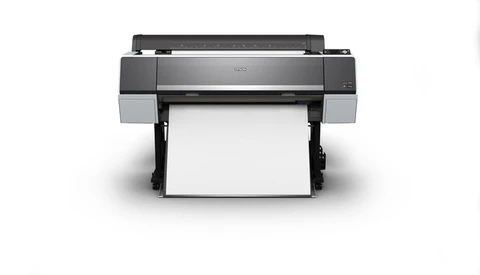
Camera resolutions are soaring in recent years, with Canon unleashing a 50-megapixel DSLR and Phase One showing off the new XF 100MP back. The unending argument of why manufacturers bother with such resolution swirls around one thing: printing. Photographers argue that a higher resolution camera will produce a better print with more detail.
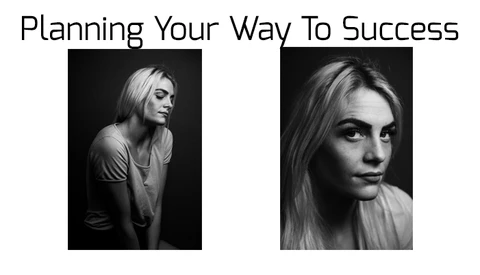
The beauty of studio shooting is that you have absolute control over every aspect of your final image. From makeup, to the general lack of ambient light to deal with, to the subject in front of your camera, everything is up to you. This can bring some challenges _ namely, you as the photographer are also the director of the entire shoot.
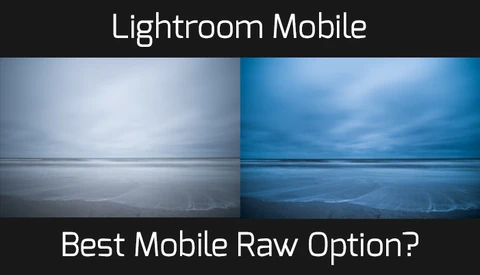
I know that all of the iPhone 7 hype is on the portrait mode and DNG file capture that the new camera has, but I was particularly interested in another aspect of iOS's photo capability. Having been stuck on a Nexus 6 for the past year and a half, I missed out on a lot of the new tricks that the iPhones were offering.
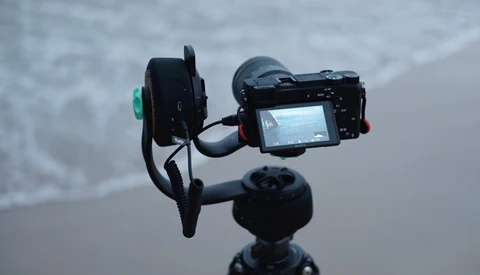
I always enjoy a good time-lapse. Making them is a hobby of mine, as I love getting to relax and work at the same time. Leaving your camera stuck on a tripod or Gorillapod doesn't always give you the most dynamic shot I've found. Fortunately, there are ways to add some depth to your time-lapse film without having to lug around several backpacks worth of gear.
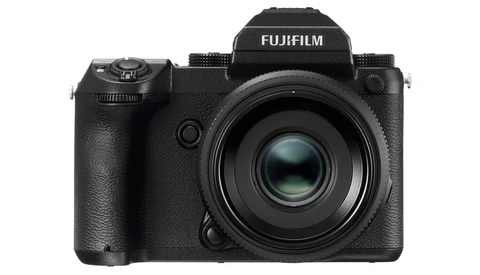
Since the days of film, medium format has been far from reach for many photographers. Even working professionals can have trouble justifying the high price point of these systems: when used, they can be $8,000-10,000. Medium format film bodies, while cheap now, were always several thousand away from even the most exorbitantly priced 35mm bodies.
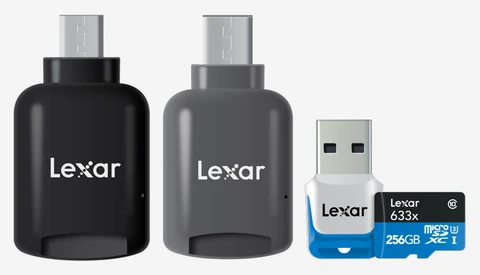
I've always seen SanDisk and Lexar as the two main companies when it comes to camera media. Having used Lexar for some time now, I'm always excited to see what the company releases given my success with them in the past. This week they have shown a few new products for a variety of uses from CCTV to action cameras, to still photography and filmmaking.
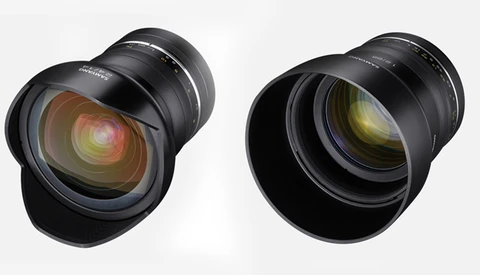
In the United States, you might know them better as Rokinon. Samyang Global, the Korean optics manufacturer, has announced two new lenses that may come as a bit of a surprise.
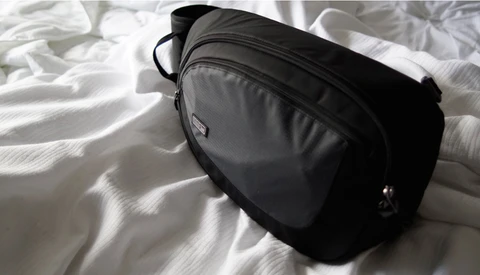
Traveling as a photographer can be difficult. The issue we always seem to encounter is a lot like G.A.S.; we want to have the right lens for every shot, and we don't want to miss out. The key to circumventing this issue is planning. While some of the best shots can be unexpected, you have to have an idea of what you're looking for.
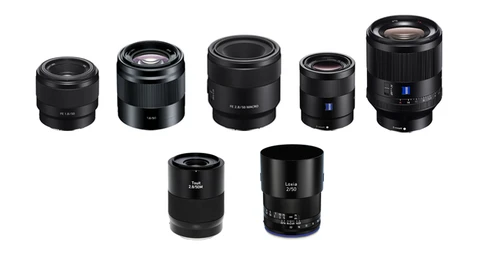
Sony has created a few gems when it comes to lenses in the past few years, with the 90mm Macro and 16-35mm f/4 potentially being some of the best in their class. 50mm for some reason seems to be their favorite focal length to produce, seeing as they now have seven different "normal" lenses with the release of their new 50mm Macro this morning.
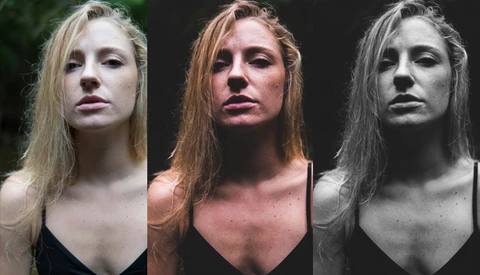
I'll preface this by saying that I am in no way bashing the Instagram community, other photographers, or their style. I got to be curious about why these Instagram portrait photographers were gaining such popularity. If you search any of the various Instagram "superhubs," you'll see this style crowding the pages.
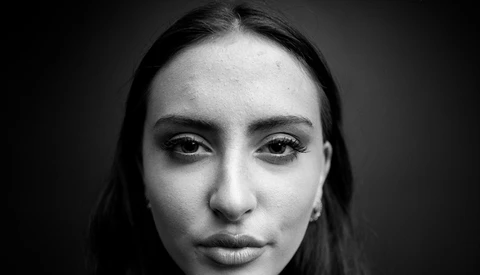
I have always preferred simplicity when it comes to lighting portraits.
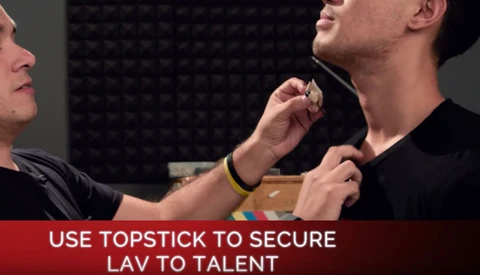
In the wide world of video, one of the most important aspects of production is the sound quality. Sound sells the realism behind your favorite movies and TV shows. In fact, a lot of what you hear when you watch the latest blockbuster or HBO hit series isn't "real." It's created by Foley artists in a studio and mixed in later.