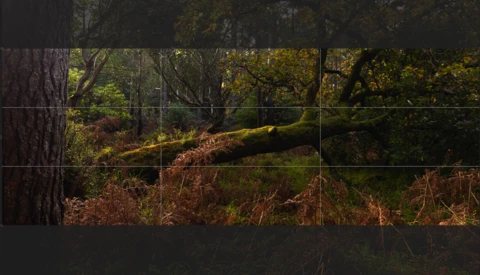
How to Get the XPan Panoramic Look on Any Digital Camera
There’s a lot of talk about the Hasselblad XPan, usually centered around the price and the mystique behind that panoramic format. The camera has earned its reputation, and the images it produces have a distinct character. But when you look closely at what makes XPan photographs stand out, it becomes clear that the look is not locked behind a rare film camera. The biggest element of the XPan aesthetic is the aspect ratio. However, it is something that any digital camera can replicate with careful planning in the field and some straightforward work in post. I set myself an experiment.
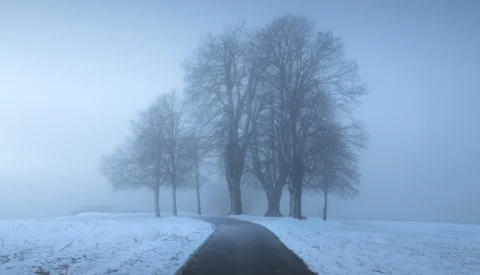
How to Use Lightroom to Enhance a Winter Photo
Lightroom Classic can make a winter scene look clean and accurate, but that is not always the look you want. If your snow scenes keep feeling bland or strangely “digital,” this edit shows how to use white balance and local control to push mood without wrecking the file.
Latest Gear Reviews


Active Contests
7
269
Enter your Best "Dark" or "Low-Key" images
Welcome to the April Critique the Community! For this contest/critique, we are doing another abstract theme that should allow more photographers to enter. For this month we want to see your most "dark" or "low key" photographs.

5 Reasons Your Photos Look Fake (And How to Fix Them)
We all want our photos to pop. That desire drives us to experiment with sliders, presets, and AI tools that promise to transform our images into something extraordinary. But there is a fine line between "enhanced" and "radioactive," and most of us have crossed it without even realizing it. Your desire to make a better image is not the culprit. The problem is that when you push too hard, the image loses its anchor in reality, and the viewer stops looking at the subject and starts looking at the editing itself.
Fstoppers Exclusives




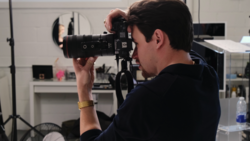
Nikon’s New 24-70mm f/2.8 S II: The Real-World Tradeoffs Nobody Mentions
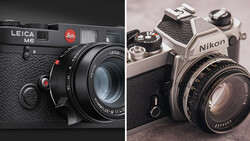
A lens like the NIKKOR Z 24-70mm f/2.8 S II tends to become the default choice when you need one zoom that can handle tight streets, indoor light, and quick portraits without swapping glass. If you shoot travel, events, or hybrid photo and video, the real question is not whether this range works, but whether this specific version earns its weight and cost in your bag.

Three Budget 85mm Lenses, One Clear Winner, and a Surprise Runner-Up
Cheap 85mm lenses can look like an easy win until you start noticing the tradeoffs: size, focus behavior, background rendering, and how hard you have to work in post. If you shoot portraits on Sony E mount, this comparison matters because small differences at 85mm show up fast in faces, hair, and specular highlights.

Canon EOS C50 First Impressions: Open Gate, Raw, and the Real Tradeoffs
The Canon EOS C50 sits in a tricky space: small enough to rig like a compact cinema body, but spec’d like it expects real jobs. If you shoot paid video, wildlife, or talking-head work, the C50’s mix of open gate, internal raw, and practical I/O can change what you carry and what you skip.
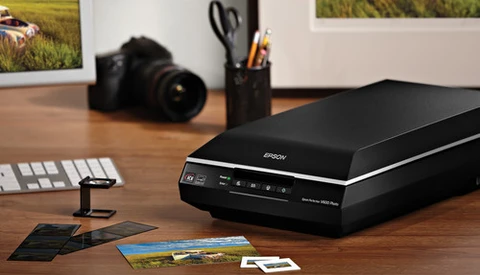
Your Flatbed Scanner Isn’t the Problem: How To Get Lab-Level Results at Home
If you spend any time in film forums, you’ll see a familiar pattern: someone buys an Epson V600, scans a roll they’re really excited about, and immediately decides the scanner is trash.

Why Your On-Camera Flash Looks Bad and the Exact Settings That Fix It
Most flash photos fail because the background and the subject are fighting each other. This video shows how a few deliberate camera choices decide which one wins before the flash even fires.

The Most Anticipated Camera Releases of 2026: What Will We See?
The camera industry enters 2026 at a crossroads. Several long-awaited successors are finally approaching their expected release windows, while other cameras we have been hoping for may never arrive at all. Here's what you can expect.

Skip the Excuses—Imaging USA 2026 Is Where Photographers Grow Up
Ready to level up your photography in 2026? The year’s most significant creative jumpstart is happening at PPA’s Imaging USA, and you don’t want to miss it.
The Fujifilm X100VI in 2026: The Pocket Camera That Still Handles Real Work
A lot of people are eyeing a smaller, simpler setup going into 2026, and the Fujifilm X100VI keeps coming up for a reason. If daily carry has started to feel like a chore, the question is whether a fixed-lens compact can get you shooting more without feeling like a compromise.

Adobe Photoshop AI Credits: Which Tools Drain Your Balance Fast
AI in Photoshop and Lightroom now comes with a meter running in the background, and it is easy to burn through credits without realizing which button did it. If you shoot and edit photos for clients or personal work, that uncertainty can change how you plan edits, what you try first, and what you avoid touching at all.
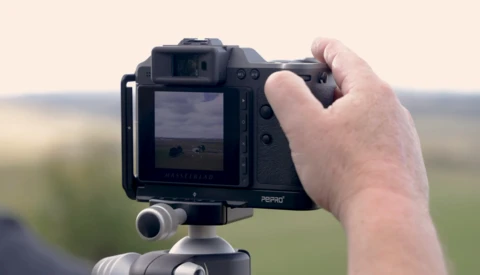
Stop Traveling, Start Returning: The Repeat-Location Method That Actually Works
You keep chasing new locations, but the bigger lever is often the one you ignore: returning to the same place until it starts paying you back. Fritz lays out why a familiar spot near home can outproduce a “bucket list” trip once you stop treating it like a one-and-done scene.
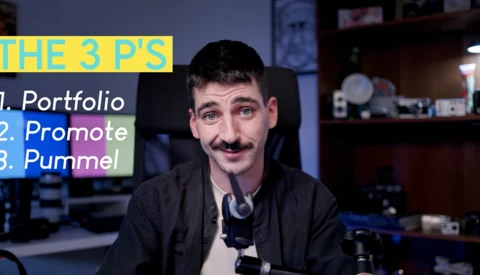
How Commercial Work Can Replace Wedding Income
There is a common assumption in our industry: if you want to turn your passion into a paycheck, you have to shoot weddings. It’s the "big machine" of the craft. It’s where the money is, sure, but it’s also where the burnout lives. I’ve often sat there—perhaps while nursing a coffee or staring out over a landscape that doesn't pay me back or pay the bills—wondering if there’s a way to be a "professional" without the high-stakes drama of a bridal suite at 8:00 AM.
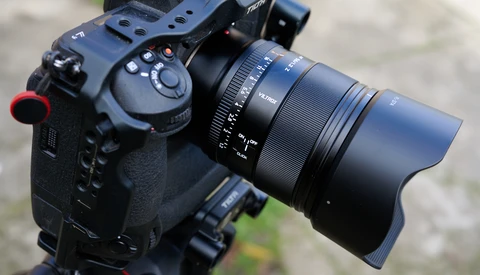
Hands On With The Viltrox 56mm f/1.2 Pro
When it comes to lenses these days, we are spoiled for choice. For crop-sensor shooters, Viltrox has just made the decision a little harder with the 56mm f/1.2 Pro.
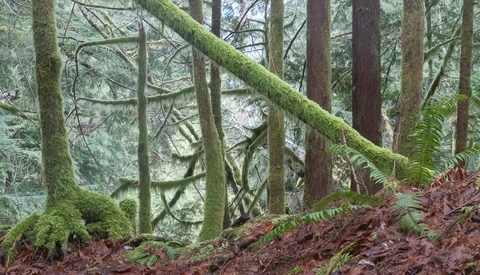
The Beginner Landscape Photography Tips I Wish I’d Ignored
Beginning landscape photographers get bombarded with tips and advice—some helpful, some confusing, some that just get in the way. Here are the five pieces I really wish I hadn’t taken so seriously when I was starting out.

How to Quickly and Easily Edit a Portrait in Lightroom
Portrait retouching in Lightroom often stalls when you get stuck doing the same careful selections again and again. This video puts the spotlight on a faster path using Lightroom Classic’s built-in AI masking, with results that still look like a human made the calls.
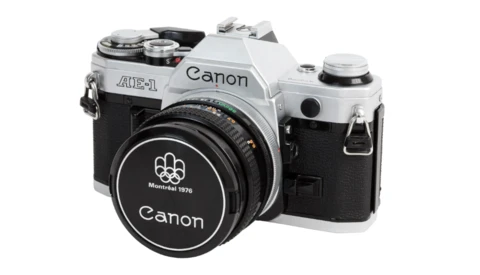
Will We Finally See Canon's Retro Camera This Year?
For years, the idea of a retro-styled Canon mirrorless camera lived in the realm of wishful thinking. Forum threads speculated. Rumor sites teased. And Canon stayed silent, content to let Fujifilm and Nikon own a market segment that seemed to grow more lucrative by the quarter. But something has shifted.
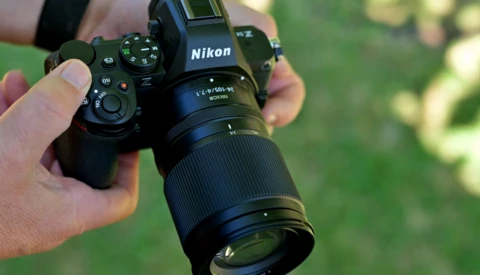
A Look at the New Nikon NIKKOR Z 24-105mm f/4-7.1 Lens
A new kit-style zoom always raises the same question: will it stay on the camera or will it end up in a drawer? The Nikon NIKKOR Z 24-105mm f/4-7.1 lens is pitched as the kind of light, compact choice that makes carrying a full frame body feel less like a commitment.

The Soft “Window Light” Setup That Actually Holds Up
A clean “window” look in a home studio usually comes down to one thing: how you spread and soften flash before it hits your subject. In this video, the entire setup revolves around a big diffusion wall, and it answers a question you’ve probably wrestled with after a few too-contrasty test frames.
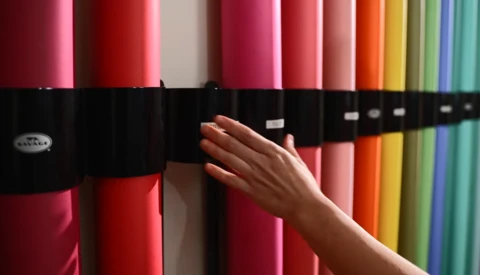
How to Better Organize Your Photo Studios
A cluttered studio turns simple decisions into scavenger hunts, and that bleeds into the work. Here's how to fix the issue.
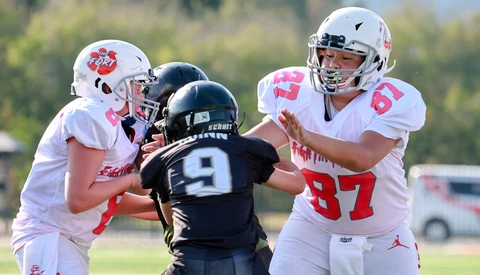
Why I Shoot JPEG for Youth Sports (And Don’t Miss Raw)
By the time I pack up my monopod and walk off the field on a Saturday, my memory cards are loaded with a thousand frames. By Sunday morning, parents are already texting to ask when the gallery goes up. That’s the job: move fast, stay consistent, and tell the story of the game without spending the rest of the week dragging sliders. That’s why I shoot JPEG—on purpose, not by accident, not because I don’t know what Raw can do, but because the work I do doesn’t require me to excavate shadows five stops deep. It requires timing, clear color, and a fast delivery.

The Affordable Viltrox AF 85mm f/1.4 Pro: Autofocus, Sharpness, and Real Portrait Results
An 85mm f/1.4 lens lives or dies by how it performs wide open, especially when faces fill the frame and focus errors have nowhere to hide. The Viltrox AF 85mm f/1.4 Pro lens aims to deliver reliable sharpness, controlled background blur, and usable autofocus at a price that undercuts many familiar options.
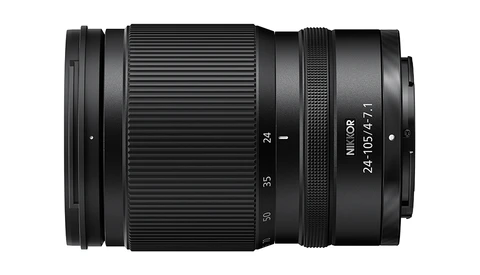
Nikon Introduces New NIKKOR Z 24-105mm f/4-7.1 Zoom Lens
A new featherweight contender has entered the ring for Nikon full frame cameras: the versatile NIKKOR Z 24-105mm f/4-7.1 4.4x zoom.
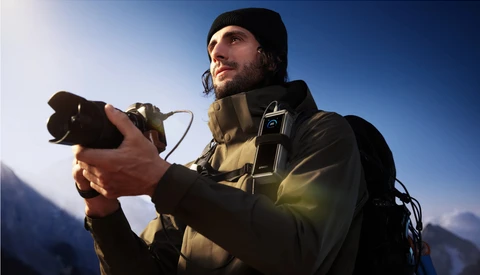
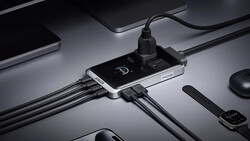
The Anker Prime Power Bank (20K, 220W) Review: A Power Bank That Finally Keeps Up With Your MacBook
A power bank that charges your MacBook Pro at full speed and refills itself in under an hour. That is not marketing copy; that is what the Anker Prime Power Bank (20K, 220W) actually does.