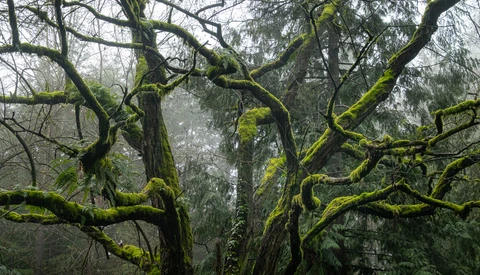
How Photography Is the Art of Editing
Did you edit that picture? Was it Photoshopped? These questions miss the point. Editing is a part of the photographic process from the outset, before the shutter is even fired.
Below are the most bookmarked articles by our members.
Did you edit that picture? Was it Photoshopped? These questions miss the point. Editing is a part of the photographic process from the outset, before the shutter is even fired.
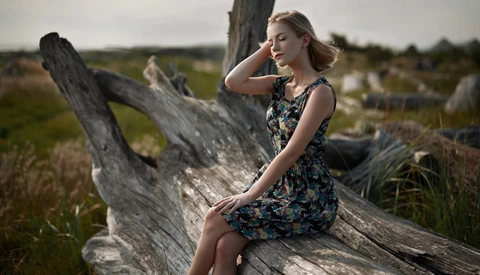
When you start out, it’s easy to believe that more lenses, more megapixels, and more gear will make your photos stronger. Over time, you realize the opposite often holds true. The way you see and think while shooting carries far more weight than how much equipment you bring with you.
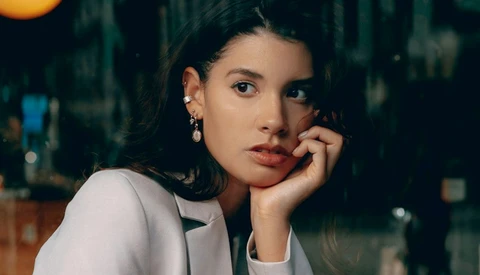
Skin retouching is one of those techniques that can make or break your image. Done poorly, it looks artificial and distracting. Done well, it elevates a portrait without stripping away natural character. Learning how to work on both the tiny details and the larger tones is what separates basic cleanup from professional-level editing.
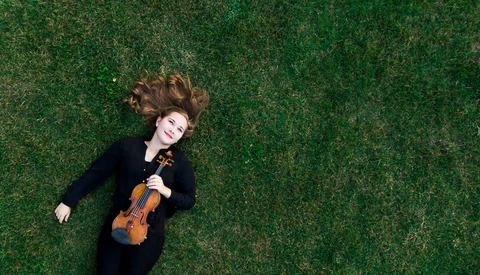
The gear keeps getting smarter, but that doesn’t make photographers better. Here are the timeless skills no camera will ever master for you.
We’ve reached the limits of physics, but not of imagination. The next great leap in photography will come from computation, not optics.
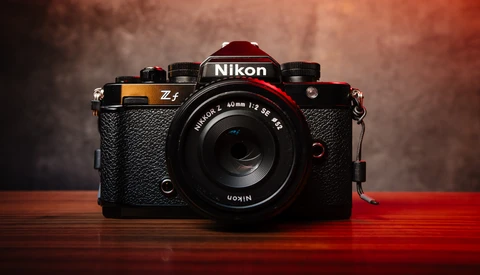
For photographers seeking the perfect balance between in-camera creativity and personal style, the quest often leads to a crossroads. On one hand, you have the instant gratification of in-camera film simulations offered by brands like Fujifilm, which deliver stunning, ready-to-share images straight out of the camera. On the other hand, there's the professional's need for a consistent, personalized aesthetic, often achieved through meticulous post-processing and custom presets.
A 50mm lens often gets dismissed as plain and uninspiring. It sits between wide and telephoto, which makes it easy to overlook, but if you know how to use it, it can bring surprising depth and atmosphere to your images.
Photo competitions offer a fantastic opportunity to showcase your work to an international audience, enhance your portfolio, and, ideally, advance your photographic career. At the same time, the winning images of many competitions often seem intimidating.
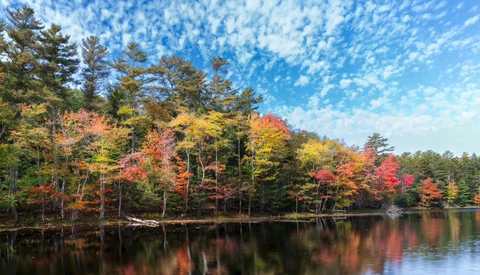
Autumn color looks rich in person and often collapses on screen. Precision editing brings back depth, shape, and believable color that survives the jump from trail to monitor.
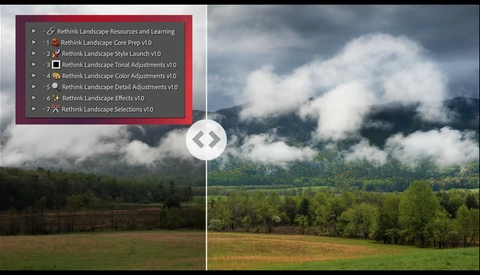
The Rethink Landscape Toolkit for Adobe Lightroom and Adobe Camera Raw aims to transform the landscape photographer’s editing process and introduce a consistent workflow and an array of flexible tools to improve your photo editing. What is in the toolkit, and does it really help with the editing process?

Here are five podcasts you should be listening to right now. Hit play, grab your coffee, and get inspired. When I am walking or driving, I’ve got five that I always snare in my podcast catcher. You’ll love them no matter what kind of photography you do.
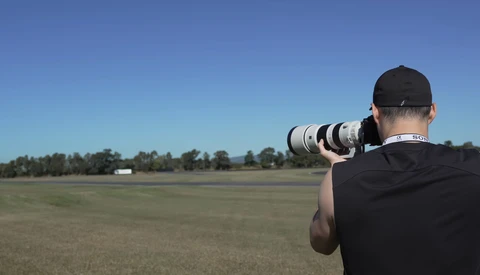
When you’re working on your craft, it’s not always easy to know where you stand. You might think you’re still at the beginner level, but your habits and results may already show you’ve moved on. Recognizing those shifts matters because it changes how you should approach learning and practice.
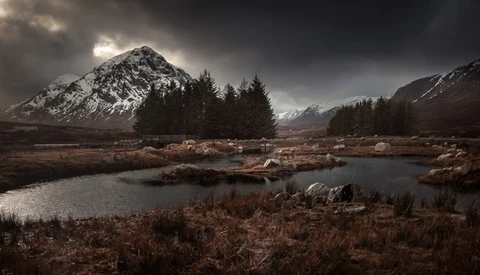
Wide angle lenses can make the biggest landscapes look small and dull. You’ve seen it yourself: mountains that felt huge when you were standing there shrink to a disappointing background when viewed on your screen. That gap between how it looks in person and how it looks in the photo is the problem this video tackles.
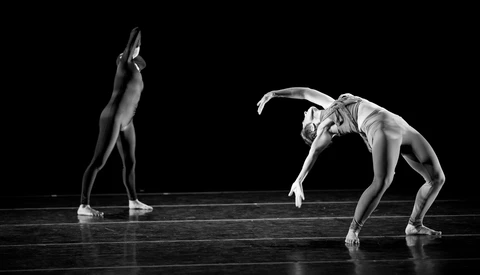
You bought all that autofocus and stabilization for a reason. Don’t handcuff it with a timid ISO. If the choice is “clean noise” or “clean motion,” pick motion every time; blur is forever, noise is negotiable.
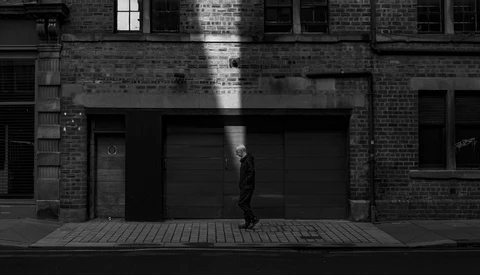
The term "the decisive moment," made famous by renowned photographer Henri Cartier-Bresson, describes the fraction of a second when the significance of an event unfolds in front of the lens. However, in today's "spray and pray" digital age, it begs the question: Has the essence of the decisive moment been lost?
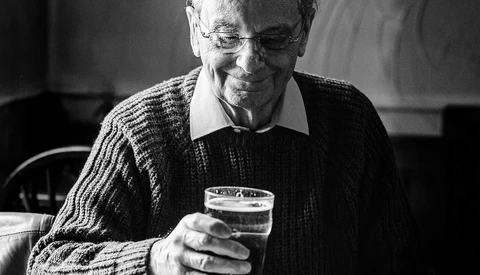
Shooting portraits in natural light, if you get it right, can be very rewarding. You can easily create beautiful, moody, and very natural photos—with just a camera in your hand and a willing subject in front of you. Here are some thoughts that may help you get the best possible results.
Lightroom Classic hides powerful features in plain sight that can dramatically speed up your editing workflow. Even experienced users regularly miss these tools, leading to slower editing sessions and frustrating workarounds that could be avoided entirely.
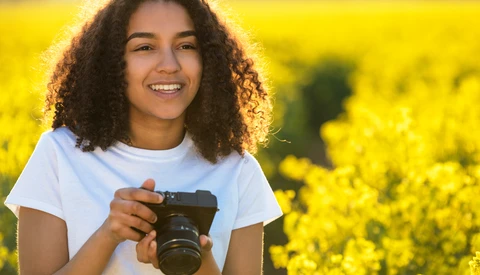
Picking up a camera is a powerful tool for improving your psychological well-being, with benefits that extend far beyond just capturing pretty pictures. From reducing anxiety levels to fostering genuine human connections, photography is emerging as an unexpected form of therapy that's accessible to anyone with a smartphone or camera.
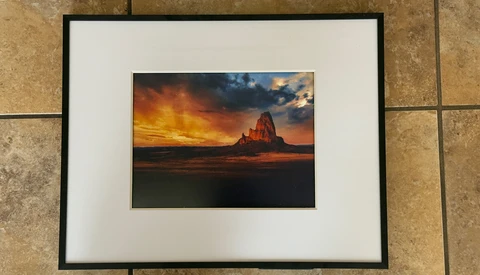
Here's something a little different to display your photos. It's the Aluratek ePaper frame. Photos look like printed photos, and this 13.3" Wi-Fi-connected frame can run for about a year after a charge through its built-in USB-C port.
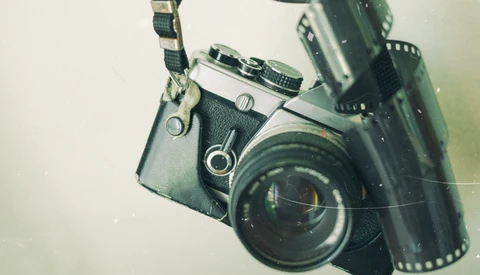
Film photography is experiencing an unprecedented renaissance, and choosing the right 35mm camera can make your analog journey all the more enjoyable. Whether you're a seasoned photographer returning to your roots or a digital native ready to embrace the magic of film, these 10 exceptional cameras represent the perfect blend of reliability, features, and value for modern shooters.
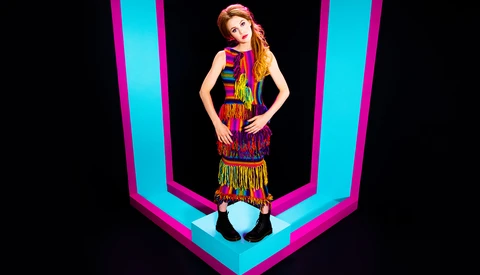
Many photographers know the frustration of walking away from a shoot where everything looked right—but something still felt off. The lighting was clean, the model nailed every pose, the gear performed flawlessly—and yet, the images don’t land the way they should. Here's why.
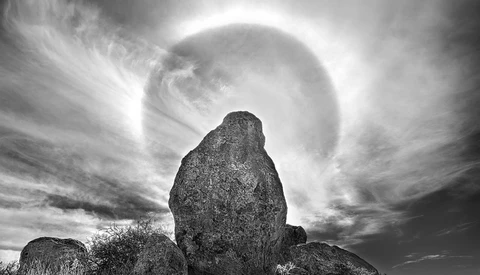
The question becomes: how does a photographer think? I don’t know how everyone else thinks, but I can tell you my process.
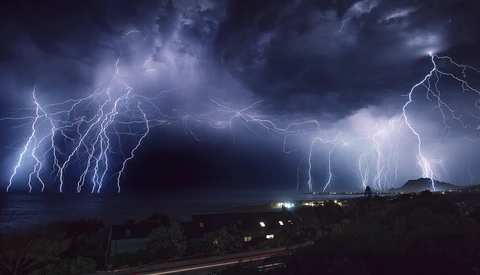
As a landscape photographer, I find joy in exploration, seeking out compositions that have yet to be captured and waiting for the perfect light to illuminate them. Often, it leads to frustration when the weather turns bad and forces me to retreat to the car for shelter. However, learning to embrace the elements of nature and using them to your advantage to tell a story will ultimately yield a greater payoff.
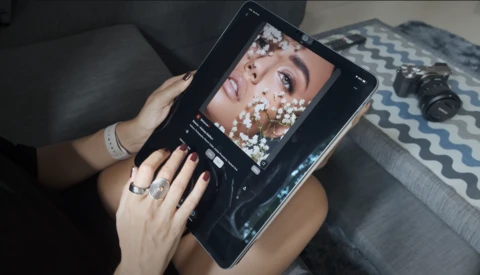
The constrictive algorithms, toxicity, and competitive atmosphere of some social media platforms can be a drain on your creativity as a photographer. By contrast, the platforms that foster a sense of community and support can be great portals for photographers to connect and share their work.
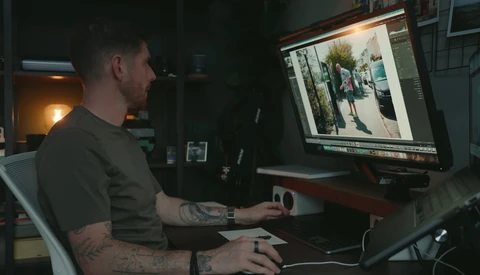
Editing photos doesn't have to feel like a chore you dread. Instead, it's possible to streamline your approach and eliminate the clutter that's keeping you stuck at the desk.