Most Bookmarked Articles

Below are the most bookmarked articles by our members.

Log in or register to add your own bookmarks.

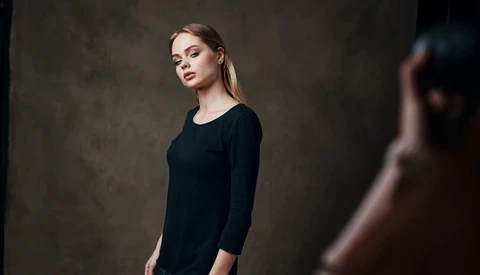
9 Most Common Beauty Photography Mistakes

I would like to wrap up my Secrets to Crafting Top-Quality Beauty Portraits series in a quick roundup on the most common mistakes I have been noticing beginner Beauty photographers make.

I will sure talk more about Beauty photography in the future, but I'd like to summarize a few things at this point.


Eleven Beautiful Architectural Photographs And How They Were Made

As I continue my articles on interior, architectural, and real estate photography, I thought it would be interesting to see different approaches to shooting these types of subjects. So, for this month's article, I've invited a number of professional interior, architectural, and real estate photographers to share their images and techniques with everyone who reads Fstoppers.

HDR Vs. Flash For Interiors And Real Estate Photography

I know that many of our readers are real estate photographers or have at least tried their hand at real estate photography. The most common method used to create 'good enough' real estate photos is HDR: whether it is tonemapping or exposure fusion, HDR is definitely the most-used method for real estate and beginner interior photographers. In this post, I'll do a comparison between tonemapping, exposure fusion, single on-camera flash, and multiple off-camera flash, and show you the benefits (or disadvantages, rather) of each.

The Guide To Pricing Commercial Photography Part 2: Production Costs

Welcome back to our series on pricing your commercial photography. A few weeks ago we released Part 1 of the series which explored the benefits and pitfalls of working for free. As we explored the topic it became evident that working for free has its place but in order to create a sustainable and professional industry we must educate our community on the importance of properly pricing their work. Thus in Part 2 we will begin by showing you my personal approach to laying out a commercial invoice and the thought process behind the layout.

How to Organize 10,000 Photos Without Losing Your Mind

Somewhere around the 5,000-photo mark, most photographers realize they have a problem. The images are scattered across three folders on a laptop, two external drives, a phone, a cloud account, and a memory card they forgot to import. There is no naming convention. There are duplicates everywhere. The folder called "Misc" has 800 files in it. And the idea of finding a specific shot from two years ago feels roughly as achievable as finding a specific grain of sand on a beach.

The Shutter Speed Rule Most Beginners Don't Know About

There is a simple rule that will immediately reduce the number of blurry handheld photos you take, and most beginners have never heard of it. It is called the reciprocal rule, and it gives you a minimum shutter speed based on the focal length of your lens. The math takes about two seconds. The payoff is permanent.

A Beginner's Guide to What Every Camera Mode Actually Does (and When to Use Each One)

Look at the top of your camera. Somewhere on the body, probably on a physical dial, you will find a cluster of letters that might as well be hieroglyphics if nobody has ever explained them: P, A (or Av on Canon), S (or Tv on Canon), and M. Nikon, Sony, and OM System use P/A/S/M. Pentax mirrors Canon's labeling with Av and Tv. Some cameras throw in a green rectangle, a handful of icons depicting tiny people or mountains. Here's what they all mean.

10 Camera Settings You Should Change Right Now (and Never Touch Again)

Every camera ships with default settings designed for the broadest possible audience. Those defaults are tuned for safety, not precision. They prioritize avoiding catastrophic failure over delivering optimal results, which is fine if you're handing the camera to a tourist but actively counterproductive if you're trying to produce professional work.

10 Lightroom Mistakes That Are Ruining Your Photos

Lightroom is the most widely used photo editing application in the world, and for good reason. It is powerful, nondestructive, and flexible enough to handle everything from a casual vacation gallery to a professional wedding shoot. But that flexibility comes with a cost: there are dozens of ways to make your images look worse instead of better, and most of them feel like improvements while you are doing them.

File Formats Decoded: Raw, DNG, JPEG, TIFF, PNG, HEIF, and When Each Actually Makes Sense

Every photographer makes decisions about file formats constantly, yet most of us operate on habit, hearsay, or whatever our camera defaulted to when we first pulled it out of the box. The problem is that choosing the wrong format at the wrong stage of your workflow can quietly destroy your editing flexibility, balloon your storage needs, break compatibility with clients and labs, or degrade your images in ways you won't notice until it's too late. This guide breaks down what each major format actually does under the hood, what it preserves, what it throws away, and when you should reach for each one across capture, editing, delivery, and long-term archiving.

The Complete Photographer's Guide to Memory Cards: Specs, Speeds, and What Actually Matters

Memory cards are the most overlooked purchase decision in photography. We agonize over camera bodies for months, research lenses obsessively, and then grab whatever SD card is on sale at checkout. This approach works fine until you're shooting a wedding and your buffer locks up during the first dance, or you're recording an interview and the camera stops mid-sentence because your card couldn't keep up.

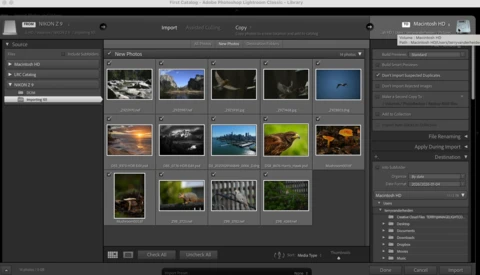
A Beginner's Guide to Creating a Lightroom Catalog

Catalog problems rarely start with editing. They start the first time you import a card, pick the wrong destination, and build a library that is spread across places you did not intend.

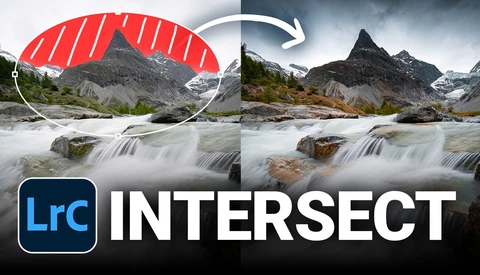
Intersect Masks: The Control You’re Missing in Lightroom

Masking in Lightroom can be the difference between an edit that looks clean and one that looks like you forced it. If you rely on quick global sliders, this is the kind of skill that quietly fixes the problems you keep seeing in skies, edges, and small details.

The Lightroom Object Selection Trick That Beats “Select Subject”

A clean subject mask can make the difference between a shot that looks alive and a subject that looks pasted onto the frame. When Lightroom grabs the branch, the background, and half the subject in one sloppy selection, your edit turns into cleanup work instead of creative control.

How to Rescue a Dark Photo in Lightroom Classic

Night scenes in near darkness look dramatic, but they are some of the easiest images to ruin with missed exposure, motion, and noise. If you shoot moving subjects at night, you probably have a folder of frames that feel too dark and too messy to bother editing.

10 Movies About Photography Worth Watching

There's no shortage of documentaries about famous photographers, but narrative films that put photography at the center of their stories are a different breed entirely. These movies explore what it means to capture images, whether as art, obsession, escape, or evidence. From Hitchcock's voyeuristic thriller to quiet Swedish dramas, here are 10 films that every photographer should see.

Stop Asking Clients “What’s Your Budget?” Here’s the Better Approach

An inquiry hits your inbox. "We love your work! What are your prices for a wedding?" Your heart races. You're afraid of scaring them off with a number that's too high, or worse, undervaluing yourself with a number that's too low. You're tempted to fire back the one question that quietly wrecks your positioning more than almost any other: "Thanks! What's your budget?"

A Pro's Guide to Building a Reputation That Commands Higher Prices

Picture this: A new photographer finishes building their portfolio, registers their LLC, files their DBA paperwork, and suddenly announces to the world, "I need a brand." They spend $500 on a beautiful, scripty logo from a designer on Fiverr or 99designs. They pick some carefully curated "moody" color presets for their Lightroom catalog. They commission a sleek website with parallax scrolling and a cool animated loading screen. They launch their Instagram with a consistent grid aesthetic. They call it a day, sit back, and wait for the high-end clients to roll in.

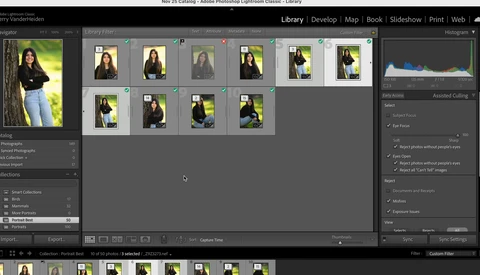
Cut 1,000 Shots to 100 Keepers With Lightroom’s New Tool

Lightroom Classic 15.0 adds Assisted Culling that uses AI to find sharp, usable frames fast. If you shoot people, sorting by “eye focus” and “eyes open” cuts wasted time and keeps soft poses from sneaking into client picks.

Even Out Blotchy Skies With One Slider

Lightroom’s fall update adds a small control with big impact on color control. If you fight uneven skies or blotchy foliage, this new option helps you smooth or separate tones without wrecking the rest of the frame.

5 Common Beginner Portrait Photography Mistakes

We all want those stunning portraits, but what subtle errors are creeping into your shots and holding back your potential? Let’s see the five most common blunders in portrait photography and how to elevate your work instantly.

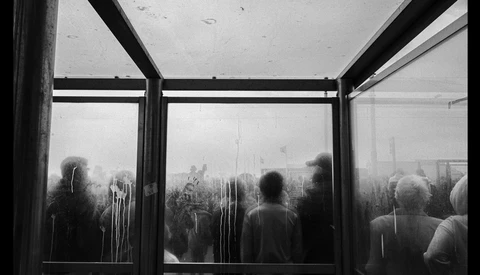
The Lightroom Sliders That Define Black and White Photography

Black and white photography lives or dies by how well you handle contrast. The right balance of tones separates lifeless gray from depth and emotion. When editing, three tools in Lightroom decide which side your images fall on: clarity, texture, and dehaze.

Mastering Flash: Essential Tips That Change Your Portraits

Flash is one of the trickiest but most rewarding parts of portrait photography. The way you use it can completely change the look of an image, and without at least a basic understanding, it’s easy to miss out on control you could have over your shots.

5 Signs You're Not Ready for Professional Photography

Professional photography isn't just about taking good pictures – it's about delivering consistent, high-quality results under pressure while managing client relationships, business operations, and technical challenges that would overwhelm most hobbyists. Too many aspiring photographers make the costly mistake of transitioning to professional work before they've developed the foundational skills, business acumen, and professional discipline that successful commercial photography demands.