

Here's a truth that many photographers would rather ignore: what separates thriving professionals from those who merely own expensive gear isn't mastery of f-stops and shutter speeds.
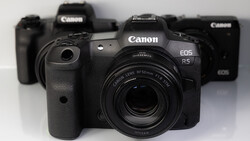
What separates them is interpersonal expertise. While online communities obsess over whether the Nikon Z9 outperforms the Canon R5, profitable photographers are busy honing entirely different abilities that have zero connection to ISO performance or lens sharpness.
Our industry has perpetuated a harmful belief that technical mastery automatically leads to business prosperity. This false narrative has created armies of photographers who can flawlessly manipulate exposure settings, achieve razor-sharp focus at wide apertures, and discuss the nuances between systems, yet find themselves unable to secure bookings, guide subjects naturally, or handle the human complexities that define every meaningful photoshoot.
The brutal reality is that photography, regardless of its technical foundation, operates as a relationship-driven profession. Whether you're creating executive portraits or capturing ceremonies, your prosperity depends far more on your capacity to understand, connect with, and motivate people than on your command of any specific imaging technology.
The Hard Truth: Technical Proficiency Is Just the Starting Line
Photography's technological revolution has completely transformed professional expectations. During Edward Weston's era of 8x10 view cameras, technical mastery created genuine competitive barriers. The intricacies of large format systems, chemical processing, and manual calculations meant that technical skill alone could distinguish professionals from hobbyists.
Examine the business headshot sector, where technical demands remain relatively consistent. No matter what you're using, achieving precise focus, balanced exposure, and appealing illumination is routine for any skilled practitioner. The distinguishing factor becomes your talent for helping anxious professionals project confidence, communicating effectively with time-pressed executives, and producing outcomes that satisfy brand requirements, all capabilities unrelated to camera mechanics.
Client Relations: The Cornerstone of Professional Achievement
The photographer-client relationship commences well before any equipment appears. Initial meetings, proposal development, and continuous dialogue create the framework for every successful engagement. Yet numerous photographers approach client interactions with the same systematic, technical perspective they apply to camera settings—a fundamental misreading of human psychology and commercial dynamics.
Decoding Client Psychology and Requirements
Clients engage photographers to resolve challenges, not to admire technical craftsmanship. A brand manager commissioning product photography doesn't evaluate whether you create bokeh with a Tamron 70-200mm f/2.8 or a Sigma 85mm f/1.4 Art. They care whether images effectively convey their product benefits, whether the session minimally disrupts operations, and whether you can deliver consistent quality under deadline pressure.
This understanding demands photographers cultivate cognitive empathy: the capacity to perceive situations from others' viewpoints. When a communications director requests "documentary-style images that appear spontaneous yet refined," they're expressing specific messaging objectives, not aesthetic preferences. The photographer who can interpret these needs and convert them into executable creative strategies demonstrates value extending beyond technical performance.
Successful client communication also requires comprehending organizational decision-making structures. The initial contact person may lack final approval authority, and their concerns might contrast sharply with ultimate project approvers. A junior brand coordinator might emphasize cost management, while the art director prioritizes creative alignment, and the operations manager focuses on efficiency. Navigating these conflicting priorities demands diplomatic finesse and strategic communication that many technique-focused photographers never acquire.
Controlling Expectations and Project Boundaries
The most prosperous photographers excel at expectation calibration: establishing realistic parameters while preserving client excitement. This process begins during initial consultations and continues throughout project development. It demands transparent communication regarding deliverables, schedules, technical constraints, and potential obstacles that might surface during execution.
Consider this frequent scenario: a client desires "editorial-quality lifestyle photography" for a regional advertising campaign with limited resources. The technically-oriented photographer might emphasize how they can match image quality using a Pentax 645Z with D FA 90mm f/2.8 instead of costlier Phase One systems. The interpersonally skilled photographer addresses the actual challenge: defining "editorial-quality" within budget realities and managing expectations about production value, location access, and post-processing scope.
This expectation management prevents the scope expansion and client disappointment that damage many photographer-client partnerships. It also demonstrates professional maturity and business understanding that clients value equally with creative talent.
Crisis Communication and Problem Resolution
Equipment malfunctions, weather disruptions, and unforeseen complications are unavoidable in professional photography. The photographer's response to these situations frequently determines whether client relationships endure or become cautionary examples circulated throughout industry networks. Technical troubleshooting abilities matter, but crisis communication skills matter more.
When primary equipment fails during a corporate gathering, the photographer's immediate reaction establishes the tone for entire crisis management. Displaying panic, criticizing manufacturers, or showing visible frustration signals unprofessionalism and undermines client trust. The competent photographer seamlessly transitions to backup systems, clearly communicates the situation to stakeholders, and modifies shooting plans without disrupting event flow.
This crisis communication demands advanced preparation and emotional control extending well beyond technical knowledge. It also requires building adequate redundancy into equipment packages and workflow processes to minimize client impact when failures occur.
Subject Guidance: Mastering Human Dynamics
Professional photography frequently involves directing individuals with minimal camera experience. Whether collaborating with executives, families, or experienced models, the photographer's ability to create connection, offer clear guidance, and manage the psychological aspects of being photographed directly influences the technical quality of resulting images.
Establishing Connection and Confidence
When a subject positions themselves before your camera, complex psychological processes begin. Most individuals feel exposed when photographed, even in professional settings. They worry about their appearance, fear looking uncomfortable, and often doubt the photographer's ability to represent them favorably. The photographer who can rapidly build trust and ease will reliably create superior images compared to someone depending solely on technical skills to compensate for subject anxiety.

This connection process becomes especially vital when photographing individuals uncomfortable with their appearance or inexperienced with professional sessions. A nervous manager scheduled for professional headshots will produce improved expressions and more authentic body language when working with a photographer who can effectively manage their concerns. This might involve explaining procedures clearly, offering gentle posing guidance, and providing sincere encouragement about their photogenic qualities.
Facilitating Authentic Expressions and Genuine Emotion
The distinction between technically adequate portraits and memorable ones often depends on the photographer's ability to evoke genuine expressions from subjects. This skill combines psychology, timing, and interpersonal communication in ways no camera adjustment can duplicate.
Professional photographers develop methods for helping subjects access authentic emotions and expressions. This might involve asking targeted questions that trigger genuine responses, creating situations that generate natural reactions, or employing humor strategically to help subjects relax. With families, the challenge involves coordinating several people, managing children's attention, and capturing moments of sincere interaction between family members.
These guidance skills become even more essential when collaborating with professional talent who must convey specific emotions or brand messages. A lifestyle photographer creating imagery for a healthcare organization needs to help models express concepts like "compassionate competence" or "reassuring expertise"—abstract qualities requiring skillful direction to translate into visual communication.
Coordinating Group Dynamics and Multiple Participants
Photographing groups presents exponentially greater interpersonal challenges than individual sessions. Each additional person introduces new personality dynamics, competing egos, hierarchical relationships, and coordination difficulties that can disrupt even technically flawless setups.
Corporate group photography specifically requires understanding organizational dynamics and professional relationships. When photographing a company's leadership team, the photographer must navigate personality conflicts, status hierarchies, and individual insecurities while maintaining diplomatic neutrality. The session coordinator might have different priorities than the chief executive, and individual leaders might have competing concerns about their representation in final images.
Successful group direction demands organizational abilities, clear communication, and the capacity to maintain authority without appearing authoritarian. This might involve establishing clear protocols for shot sequences, managing timing efficiently to minimize disruption to busy schedules, and tactfully addressing individual concerns without derailing the overall session.
Wedding photography presents different but equally complex group dynamics. Family relationships, cultural expectations, and high emotional investment create situations where interpersonal abilities matter as much as technical proficiency. The photographer who can navigate family politics, manage diverse personality types, and sustain positive energy throughout extended, stressful events will consistently produce superior results compared to someone focusing exclusively on technical execution.
Team Leadership and Collaborative Management
Many professional photography projects involve multiple contributors: assistants, stylists, makeup artists, location coordinators, clients, and various technical specialists. The photographer's capacity to lead these teams, coordinate diverse personalities, and maintain productive working relationships directly affects project outcomes and long-term career development.
Collaborating With Creative Professionals
Fashion, commercial, and editorial photography often demand coordinating complex creative teams where each member contributes specialized knowledge and potentially conflicting creative perspectives. The photographer typically functions as both creative director and project coordinator, requiring leadership abilities extending far beyond camera operation.
Consider a commercial lifestyle shoot involving a makeup artist, hair stylist, wardrobe coordinator, and several assistants. Each team member possesses professional pride, creative opinions, and specific working requirements. The makeup artist might prefer consistent tungsten lighting for color evaluation while working, but the photographer intends to use strobes for actual image capture. The stylist might have strong convictions about garment presentation that conflict with the photographer's compositional preferences. Managing these competing interests requires diplomatic leadership and clear communication protocols.
Successful photographers learn to establish their creative authority without undermining team members' expertise. This involves clearly communicating the overall creative concept, soliciting input from specialists within their domains, and making decisive creative choices when conflicts emerge. It also requires understanding each team member's working needs and incorporating their requirements into the overall production plan.
Supervising Assistants and Equipment Teams
The photographer-assistant relationship often determines the efficiency and quality of professional shoots. A capable assistant can dramatically enhance shooting productivity, while a poorly managed assistant relationship can create stress and technical problems that compromise the entire project.
Effective assistant supervision requires clear communication about expectations, systematic training on equipment protocols, and the ability to delegate responsibilities appropriately. When working with strobes, for example, the photographer must ensure their assistant understands power cycling procedures, positioning protocols, and safety requirements. This knowledge transfer involves both technical instruction and interpersonal communication skills.
The most successful photographer-assistant relationships develop over time and require mutual respect and clear role definition. Experienced photographers learn to leverage their assistants' capabilities effectively, providing appropriate independence while maintaining overall creative control. This might involve training assistants to handle specific lighting configurations, manage equipment logistics, or even interact with clients in suitable situations.
Resolving Conflicts in High-Pressure Environments
Professional photography often occurs under significant time constraints, budget limitations, and high stakes that can generate interpersonal conflicts. Weather delays, equipment failures, and competing creative visions can escalate into serious problems that threaten project completion. The photographer's ability to manage these conflicts professionally determines whether challenging situations result in successful projects or career-damaging disasters.
Effective conflict resolution requires emotional regulation, clear communication, and the ability to separate personal feelings from professional problem-solving. When a key team member becomes difficult or uncooperative, the photographer must address the situation diplomatically while maintaining project momentum. This might involve private conversations to understand underlying concerns, adjusting working arrangements to accommodate personality conflicts, or making difficult decisions about team composition when necessary.
Time management abilities become particularly important when conflicts arise during active shooting. A disagreement about creative direction or technical approach cannot consume the limited time available for image capture. Skilled photographers learn to postpone non-essential discussions, focus on critical decisions, and address interpersonal issues during appropriate breaks in the shooting schedule.
Business Development: Networking and Relationship Cultivation
Photography careers are constructed on relationships as much as portfolios. The ability to develop and maintain professional networks, generate referrals, and build lasting client relationships often determines whether photographers achieve sustainable business success or struggle with inconsistent income and project flow.
Developing Professional Networks
The photography industry operates heavily on referral relationships and personal recommendations. Creative directors, brand managers, and marketing professionals often select photographers based on trusted recommendations rather than cold portfolio evaluations. This reality makes networking abilities essential for career development and business growth. Effective networking involves genuine relationship development rather than transactional self-promotion. Successful photographers invest time in understanding other professionals' challenges, offering assistance when appropriate, and maintaining regular contact without overwhelming busy colleagues. This might involve attending industry gatherings, participating in professional associations, or simply maintaining consistent communication with past clients and collaborators.
Social media platforms have created new networking opportunities, but they require strategic approach and authentic engagement. A photographer's Instagram presence or LinkedIn profile should demonstrate both technical capabilities and professional personality. The ability to engage meaningfully with other professionals' content, share insights about industry developments, and showcase work in ways that generate genuine interest requires social skills that complement technical proficiency.
Client Retention and Referral Development
Acquiring new clients costs significantly more than retaining existing ones, making client relationship management crucial for business sustainability. The photographers who build long-term client relationships understand that exceptional service extends well beyond delivering technically excellent images. Post-project communication, proactive problem-solving, and genuine interest in clients' business success create the foundation for ongoing relationships. When a corporate client's marketing objectives evolve, the photographer who understands their changing needs and can adapt services accordingly is likely to receive additional projects. This requires business understanding, strategic thinking, and relationship maintenance skills that many technically-focused photographers never develop.
Managing Business Relationships and Expectations
Professional photography involves complex business relationships with clients, vendors, collaborators, and industry professionals. Managing these relationships effectively requires understanding different personality types, communication styles, and business priorities. Corporate clients often have different communication preferences and decision-making processes than creative agencies or individual consumers. A financial services marketing director might prefer detailed project documentation and formal communication protocols, while a boutique design studio might value informal collaboration and flexible creative development. Successful photographers adapt their communication style and business processes to match client preferences without compromising their own professional standards. Vendor relationships also require ongoing attention and strategic management. Building positive relationships with equipment rental facilities, labs, retouchers, and other service providers can provide competitive advantages during busy periods or emergency situations. These relationships are built through consistent professionalism, timely payments, and mutual respect rather than purely transactional interactions.
How Interpersonal Skills Directly Influence Technical Results
The connection between interpersonal abilities and technical photography outcomes is often overlooked by photographers focused on equipment and camera settings. However, the quality of photographer-subject relationships, team coordination, and client communication directly influences the technical excellence of final images in measurable ways.
Subject Comfort and Image Excellence
The correlation between subject comfort and image quality is undeniable yet frequently underestimated. When subjects feel anxious, self-conscious, or uncomfortable with the photographer, this emotional state manifests in physical tension, forced expressions, and body language that no amount of technical skill can overcome. A portrait captured with perfect exposure will still appear awkward if the subject's discomfort is visible in their expression and posture.
Skilled photographers understand that technical perfection means nothing if the subject appears uncomfortable or unnatural. The ability to create a relaxed, collaborative atmosphere directly impacts expression quality, posture, and the subtle visual elements that separate compelling portraits from technically acceptable but forgettable images. This relationship between rapport and image quality becomes even more critical when working with non-professional subjects. Corporate executives, families, and individuals uncomfortable with being photographed require significantly more interpersonal skill to produce natural, engaging results. The photographer who can quickly establish trust and comfort will consistently achieve better technical outcomes than someone who relies solely on camera settings and lighting setup.
Team Efficiency and Creative Results
Well-coordinated creative teams produce superior work more efficiently than groups hampered by communication problems or interpersonal conflicts. When photographers can establish clear creative direction, delegate responsibilities effectively, and maintain positive working relationships, the entire team functions more productively and creatively.
Consider a complex commercial shoot involving multiple lighting setups, wardrobe changes, and location moves. The photographer's ability to communicate efficiently with assistants about equipment setup, coordinate timing with stylists and makeup artists, and maintain clear creative direction throughout the day directly impacts both the quantity and quality of images produced. Poor communication or interpersonal friction can result in technical mistakes, missed creative opportunities, and time management problems that compromise the entire project.
The relationship between team dynamics and creative output is particularly evident in fashion and commercial photography, where multiple creative professionals must coordinate their efforts seamlessly. The photographer who can facilitate collaboration, manage competing creative visions, and maintain productive energy throughout long shooting days will consistently produce superior results compared to someone who focuses solely on technical camera operation.
Client Communication and Project Perception
Clear client communication about creative vision, technical limitations, and project expectations directly impacts the perceived quality of final deliverables. When clients understand the photographer's creative process and feel confident in their expertise, they're more likely to appreciate the final images and consider the project successful.
Conversely, poor communication can undermine even technically excellent work. If a client expects one style of imagery but receives something different, their disappointment will overshadow technical quality. The photographer's ability to align client expectations with creative vision through clear communication prevents these misunderstandings and ensures that technical excellence translates into client satisfaction.
This communication aspect becomes particularly important during the post-production and delivery phases. Clients who understand the photographer's editing process, delivery timeline, and technical considerations are more patient and appreciative of the final results. Those who feel uninformed or surprised by aspects of the delivery process may focus on minor technical issues rather than overall image quality.
Specific Skill Development Strategies
Developing interpersonal skills requires the same systematic approach that photographers apply to mastering technical camera operation. Just as photographers practice exposure techniques and study lighting patterns, they must actively work to improve communication, leadership, and relationship-building capabilities.
Communication Abilities Training
Effective verbal communication involves more than simply explaining technical processes or creative decisions. Professional photographers must learn to adapt their communication style to different personality types, cultural backgrounds, and professional contexts. This requires studying basic psychology, practicing active listening techniques, and developing empathy for others' perspectives and concerns.
Many photographers benefit from formal presentation skills training, particularly those who regularly pitch projects to corporate clients or present creative concepts to decision-makers. The ability to articulate creative vision clearly, respond confidently to questions, and handle objections professionally can be the difference between winning and losing significant projects.
Written communication skills are equally important for email correspondence, project proposals, and contract negotiations. Clear, professional writing demonstrates competence and attention to detail that clients associate with overall service quality. Photographers should invest time in developing business writing skills that complement their creative capabilities.
Leadership and Team Coordination
Leadership skills can be developed through studying management principles, observing successful creative directors, and practicing delegation and coordination techniques. Many photographers find value in formal business education or leadership workshops that provide frameworks for managing creative teams and complex projects. Understanding different personality types and working styles helps photographers adapt their leadership approach to individual team members. Some assistants work best with detailed instruction and close supervision, while others prefer autonomy and general direction. Stylists might respond well to collaborative creative development, while clients prefer clear decision-making and confident creative direction. Project management skills become increasingly important as photographers take on larger, more complex assignments. Learning to create realistic timelines, coordinate multiple stakeholders, and manage resources efficiently requires systematic study and practice that extends beyond photography-specific knowledge.
Conflict Resolution and Problem-Solving
Conflict resolution skills can be developed through studying negotiation techniques, practicing diplomatic communication, and learning to separate emotional responses from logical problem-solving. The ability to remain calm and professional during equipment failures, weather delays, or creative disagreements often determines whether challenging situations become complete disasters or manageable problems. This emotional regulation requires self-awareness and stress management techniques that can be learned and practiced systematically. Problem-solving skills involve both creative thinking and logical analysis. When faced with technical challenges, time constraints, or resource limitations, skilled photographers can quickly evaluate options, make decisive choices, and implement solutions without becoming overwhelmed or indecisive.
Business Development and Networking
Networking skills can be improved through studying relationship-building techniques, practicing small talk and professional conversation, and learning to identify mutual interests and opportunities for collaboration. Many photographers find value in joining professional organizations, attending industry events, and participating in online communities where they can practice these skills in low-pressure environments. Business development requires understanding sales principles, learning to identify client needs, and developing the ability to present creative services as solutions to business problems. This involves studying marketing fundamentals, practicing proposal writing, and learning to quantify the value of creative services in business terms. Customer service skills involve anticipating client needs, exceeding expectations systematically, and maintaining positive relationships throughout long project cycles. These skills can be developed through studying service industry best practices and implementing systematic follow-up and relationship maintenance procedures.
Emotional Intelligence and Self-Awareness
Perhaps most importantly, photographers must develop emotional intelligence: the ability to recognize, understand, and manage their own emotions while effectively perceiving and responding to others' emotional states. This foundation underlies all other interpersonal skills and determines how effectively photographers can build relationships, lead teams, and navigate challenging situations.
Final Thoughts: The Human Element in Photography
As artificial intelligence and computational photography continue advancing, the technical barriers to creating professionally acceptable images will continue diminishing. Camera manufacturers are already incorporating AI-powered autofocus, automated exposure optimization, and intelligent scene recognition into consumer-level equipment. AI-powered editing tools can perform complex retouching tasks that once required specialized expertise.
This technological evolution suggests that interpersonal skills will become even more important as differentiators for professional photographers. When cameras can automatically optimize technical settings and AI can enhance images with minimal human input, the photographer's value proposition shifts entirely toward creative vision, interpersonal relationships, and professional service quality.
The photographers who recognize this trend and invest systematically in developing social skills will position themselves for long-term success in an increasingly automated industry. Those who remain focused exclusively on technical mastery may find themselves competing with increasingly sophisticated automated systems that can replicate technical excellence but cannot build relationships, navigate complex interpersonal dynamics, or provide the human insight that drives compelling creative work.
The challenging reality for many photographers is that camera operation represents perhaps one-fifth of professional photography success. The remaining four-fifths involves skills that have nothing to do with aperture settings, lens selection, or post-production techniques. These interpersonal skills (communication, leadership, empathy, conflict resolution, and relationship building0 determine whether photographers build sustainable careers or struggle with inconsistent work and client relationships. The most successful photographers understand that their cameras are simply tools for implementing creative visions that emerge from human collaboration.
Mastering these social skills requires the same dedication and systematic practice that photographers apply to technical proficiency. It involves studying psychology, practicing communication techniques, and developing emotional intelligence through real-world experience and honest self-reflection. Most importantly, it requires recognizing that professional photography success depends more on the photographer's ability to connect with, understand, and influence people than on their mastery of any particular camera system or technical technique.
The photographers who embrace this reality and invest in developing comprehensive interpersonal skills will thrive regardless of technological changes or industry evolution. They understand that while cameras capture light, photographers capture human experiences—and that distinction requires skills no algorithm can replicate.


Join the Fstoppers community for free
-
Post comments and join in the discussions
-
Browse the site ad-free
-
Share your work and get featured in the community
-
Compete in the photo contests for fun and prizes
5 Comments
Have you ever wondered, Alex, how you would capture your subject person's love of music in a photograph? How can you show that? Something which takes the emotional impact of the image beyond a person simply holding an instrument?
I recently photographed a concert where people were playing musical instruments and what I was trying to do is capture expressions on their faces.
Thank you, Alex, for raising such an important topic again.
This is actually one of the main reasons I stepped away from portrait photography as a business — the communication barrier. I was fortunate enough to photograph some of the most well-known public figures in the country. But I always felt that true connection — the kind that makes an outstanding portrait — is much harder to build without full fluency. Especially when every second counts.
The photographers who truly succeed aren’t just skilled with a camera — they create emotional safety within minutes. They sense the client’s nervousness, respond with presence, and establish a quiet, almost intimate rapport that lets people truly show themselves.
That moment — when someone relaxes and drops the mask — is what makes an outstanding portrait. Cameras, lenses, and lighting setups come second.
I'm a part-time professional photographer but I'm also a part-time therapist. I keep both jobs as one is probably the safest job in the world and photography. Money can be fickle up and down specially in a small environment. A lot of the talk in this particular article is almost therapist talk? It's about relationship you've got nothing and I mean nothing if you don't have relationship with your clients you should know the name of the dog. You should know the name of their wife and where they live and sometimes it's hard to retain all of that but that's the level you need to get to if you want regular clients to come back.
Alex,
Thank you for another epic Fstoppers Original! I love these types of articles. You aren't trying to promote a product to generate referral link income. You aren't trying to cross-promote by linking to another site or video.
You are actually doing a LOT of hard work yourself, as this type or writing requires an immense amount of time, organization, and attention to detail, and I greatly appreciate that.
Any time someone performs a labor of love, which takes great effort but promises very little or no return on the investment, well that is the kind of content I treasure the most. Thank you for not being about the money or the number of clicks.