Architectural and design photography pays more than standard MLS listing work and runs on a completely different mindset. If you are tired of tight timelines, volume pricing, and rushing from house to house, this shift changes who hires you and how you get paid.
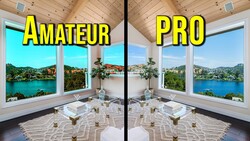
Coming to you from Nathan Cool Photo, this practical video lays out the real differences between residential real estate and architectural and design photography. Cool explains that the gear and software are not wildly different, which removes a common excuse. The bigger shift is priorities. In listing work, speed rules. In architectural and design work, craft comes first. You slow down, charge by the hour instead of offering packages, and set minimum rates. You also get paid for revisions and future edits, even months later when a designer updates finishes or branding. That alone reshapes how you think about your time and your value.
Cool also breaks down scheduling and turnaround. Instead of scrambling to deliver next-day images for a listing, clients often book weeks in advance. Some schedule months out. There is no rush to get in and out of the property. You might spend four hours refining compositions in a single kitchen and deliver only a handful of final images. That sounds inefficient if you are used to MLS volume, yet the billing model supports it. You are not helping sell a house fast. You are helping market a business long term, whether that is an interior designer, remodeling company, or hospitality brand.
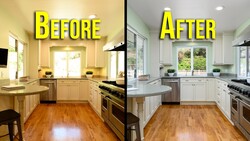
The creative control shifts as well. Listing platforms restrict what you can alter. Architectural and design work allows far more flexibility in post. Changing colors, removing outlets, refining finishes, and shaping light is part of the process. You collaborate on site with designers and builders who care about how every line and surface looks. Instead of running to all four corners with a wide angle lens, you focus on featured elements. You shoot with intention, guided by how the client plans to use the images in portfolios, ads, and submissions. That collaboration sharpens your eye fast.
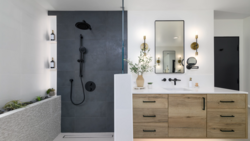
One of the more useful parts of the video is the transition strategy. Cool is blunt about what not to do. Do not cold call. Do not spam. Do not approach design clients before your work matches their expectations. Start by shooting your current listings differently. Slow down. Refine lighting. Polish your editing. Concentrate on kitchens, bathrooms, and strong living spaces where craftsmanship shows. Build a separate portfolio from those stronger images. Even exterior architecture around town can become portfolio material if it shows precision and composition. Then think ahead to print brochures and in-person meetings, which are far more common with remodelers and designers than open-house networking.
There is also discussion about marketing materials, researching local companies, and why remodelers are often the easiest entry point if they are still relying on phone snapshots, along with insight into pricing structure, revision policies, and how to present yourself without looking like another listing shooter. Check out the video above for the full rundown from Cool.


Join the Fstoppers community for free
-
Post comments and join in the discussions
-
Browse the site ad-free
-
Share your work and get featured in the community
-
Compete in the photo contests for fun and prizes
No comments yet