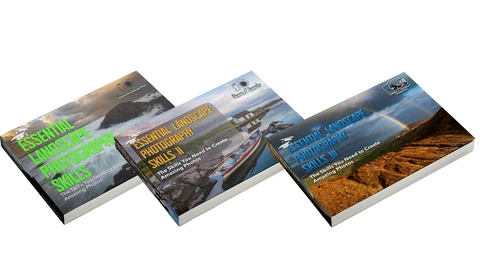
Landscape Photography

Landscape photography rewards patience, planning, and a willingness to be in the right place at the right time — which is harder than it sounds. This section covers the full landscape photography workflow: scouting locations, reading light, choosing the right filters and focal lengths, managing long exposures, and processing raw files to reflect what you actually saw and felt when you pressed the shutter.

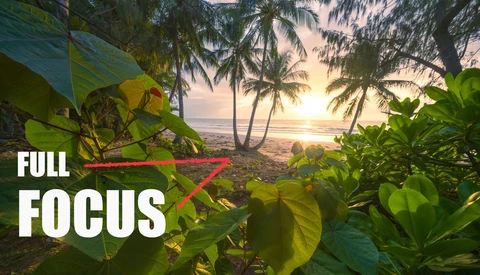
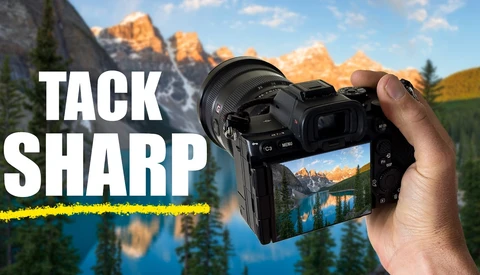
Tripod-Free Focus Stacking in Photoshop: Real Limits, Real Results

You can get a sharp foreground and a sharp horizon without living at f/16, and without turning your hike into a tripod march. This video shows how focus stacking in Photoshop can clean up the usual weak spot in wide landscape shots, the near stuff that never lands in focus.

This Image Enhancer Beats the Competition

Among the many AI-powered image enhancement tools, the one we show in this article is the first to come close to a one-click solution for print preparation, with nearly no additional cleanup required.

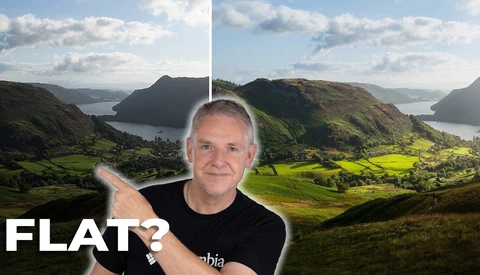
The Hidden Reason Your Landscape Photos Feel Busy and Flat

Standing in front of a landscape that feels unreal can make your brain short-circuit, and your photos often show it. This video breaks down a method for getting past that frozen, everything-is-important feeling without turning the moment into a checklist.

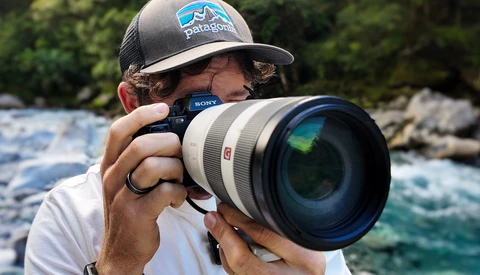
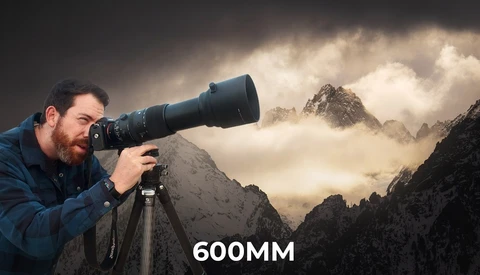
Telephoto Landscapes: The 100-400mm Trick That Fixes Empty Frames

A telephoto lens can turn a messy landscape into a clean, intentional frame, especially when the scene feels too big and too busy. If mountains keep looking flat or your wide angle keeps dragging clutter into the shot, this approach changes how you see distance.

Photography Is Not a Competition

Photography is often spoken about as if it were a competition, measured by likes, awards, or comparisons with others. Yet at its core, photography is a deeply personal practice. The way we see, decide, and capture moments is unique to each of us, shaped by our experiences, timing, and attention. Understanding this distinction is essential to sustaining a meaningful and fulfilling relationship with the creativity that photography allows.
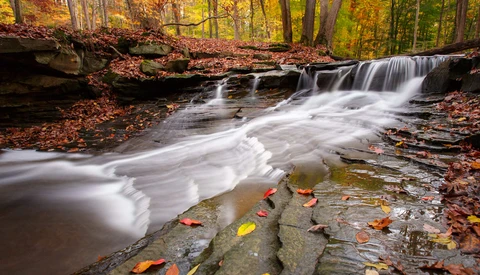
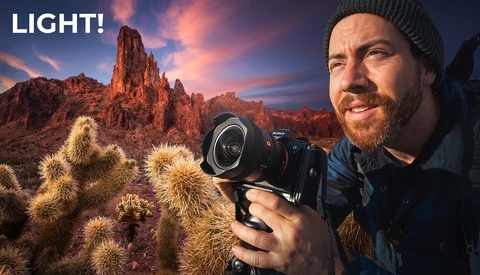
How to Get the XPan Panoramic Look on Any Digital Camera

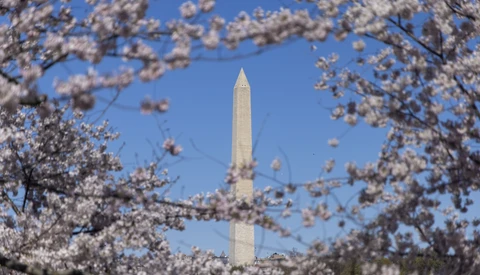
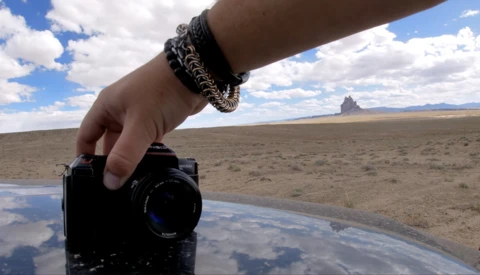
There’s a lot of talk about the Hasselblad XPan, usually centered around the price and the mystique behind that panoramic format. The camera has earned its reputation, and the images it produces have a distinct character. But when you look closely at what makes XPan photographs stand out, it becomes clear that the look is not locked behind a rare film camera. The biggest element of the XPan aesthetic is the aspect ratio. However, it is something that any digital camera can replicate with careful planning in the field and some straightforward work in post. I set myself an experiment.
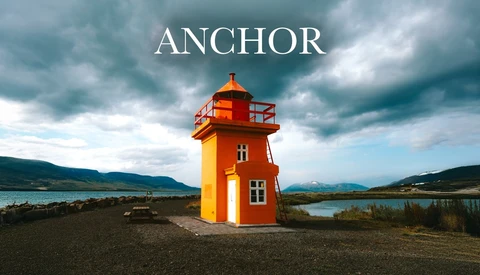
The Beginner Landscape Photography Tips I Wish I’d Ignored

Beginning landscape photographers get bombarded with tips and advice—some helpful, some confusing, some that just get in the way. Here are the five pieces I really wish I hadn’t taken so seriously when I was starting out.

Before You Buy the Sony a7 V

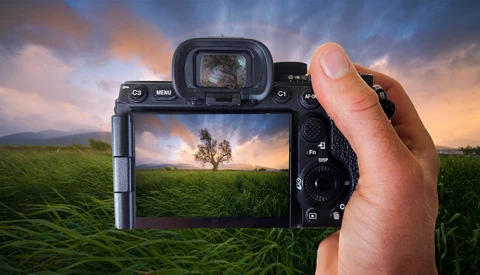
While gear reviews can offer a lot of secondhand insight and opinion, there’s nothing like being able to try out the camera for yourself. While there is no way for us to let everyone interested try out the camera physically, this might be the next best thing.

Landscape Photography With an Insanely Wide Lens

Ultra-wide lenses can make a forest scene feel bigger than it looks in real life, but they also punish lazy framing. If you want depth, clean lines, and a clear subject when the light is low, the choices you make within a few feet of the camera start doing most of the work.

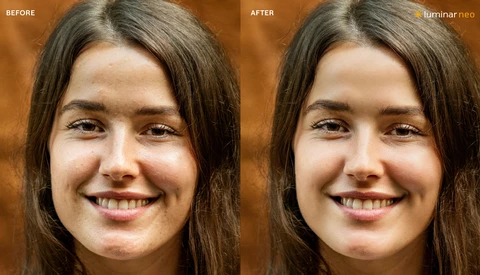
Luminar Neo Adds a Slick AI Assistant

Current owners of Luminar Neo are getting a holiday update with some new and unique features. Besides the usual bug fixes and some speed increases, Neo has added what they call an AI Assistant.

Seven Simple Fixes for Flat Wide Angle Landscapes

If you are wondering why your wide angle lens photos don't quite reflect the expansive vistas you experience and feel, this article is for you. You could be making errors that produce flat images, preventing them from capturing the scene's true essence.

Micro Moves That Make a Landscape Photo Click

Small composition choices decide whether a frame feels settled or slightly off, even when the scene looks “good enough.” If you rely on instinct and move on fast, you can miss the quiet fixes that turn a decent shot into one you actually want to keep.

The Hidden Reason Landscape Photography Hooks You So Hard

Landscape photography started as a practical workaround for early cameras, and it has quietly turned into something closer to a personal ritual. If you keep chasing big scenes but feel unsure what you are really chasing, this video puts language to that tension.

Why Your Landscape Photos Feel Random and How to Fix That Fast

Gesture in the landscape sounds like a soft, artsy idea until you start noticing it and realize it can fix the stiff, random feel that shows up in a lot of your frames. If you care about making landscapes that feel alive instead of assembled, this will change what you look for before you ever touch the tripod.

A Simple Habit That Fixes Your Landscape Photos Faster Than New Gear

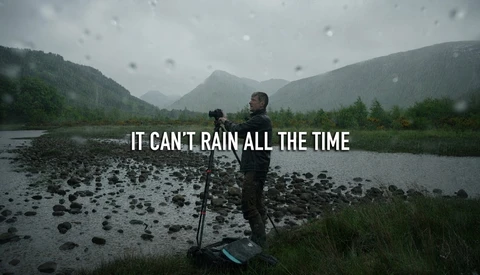
A lot of your best landscape work depends less on dramatic light and more on whether you show up when the weather looks boring. This video is about building that habit, then using simple choices to turn gray conditions into frames you actually want to keep.

Lightroom Masking Tricks to Create Cinematic Landscape Light

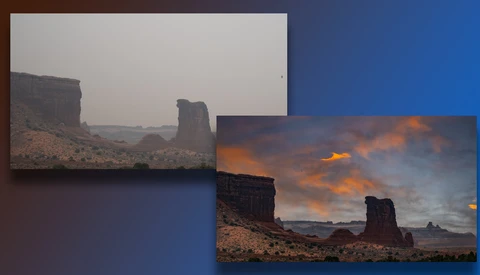
Turning a flat landscape raw file into something moody and dramatic is often the difference between an image you forget and one you remember. When you see how far a single frame can go in Lightroom with careful cleanup, masking, and color work, you start to rethink what is actually possible in post.

A Natural Lightroom Workflow For Landscape Photos

Editing a raw landscape file in Lightroom often decides whether an image feels lifeless or close to what you saw on the trail. This video walks through a complete landscape workflow that keeps the edit grounded in reality instead of turning everything into neon drama.

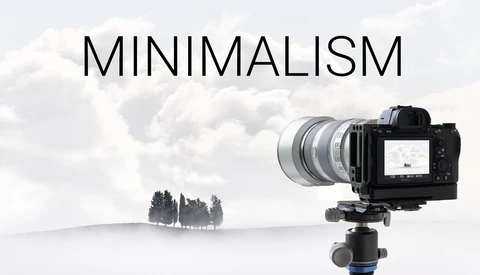
Stop Crowding Your Landscapes: The Power of Negative Space

You are taught early to fill the frame, pack every corner with mountains, clouds, and texture until nothing feels empty. The video above argues that if you never leave room around your subject, your landscapes can start to feel crowded, noisy and harder for viewers to read at a glance.

Don’t Buy a New Camera, Buy This Instead

The times when you had to buy a new camera to take your photography to the next level are long gone. Cameras haven't been a limiting factor for most genres of photography for many years now. Other types of equipment are much more critical.

4 Tripods That Give You the Best Bang for Your Buck

Choosing a tripod can be agonizing. The good news? You don’t need to empty your wallet to get one. As a night photographer, I'll reveal four great tripods for photography that nail the sweet spot for stability, functionality, weight—and yes, price. After all, if a tripod can survive a night photographer’s abuse, it’ll be more than good enough for you.

Hard Truths Landscape Shooters Learn Too Late

Landscape photography punishes lazy habits and vague plans. If you want images that stand out among other photographers instead of blending into the scroll, you have to confront some blunt lessons about light, gear, and how much effort you are actually putting in.

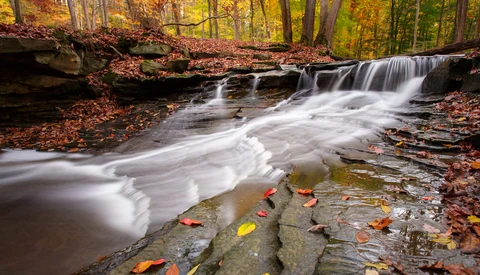
Why Your First Waterfall Composition Is Usually Wrong

Shooting waterfalls in dramatic conditions forces you to think beyond the postcard shot and make deliberate decisions about space, timing, and tension in the frame. You see quickly that composition, focal length choices, and the weather you usually curse are what separate generic images from work that actually holds attention.

f/2.8 vs f/4: Can You Actually See the Difference?

f/2.8 vs f/4: Is the difference worth the upgrade? Let’s see how Mark Denney thoroughly investigates a long-standing debate among photographers: whether the premium price of a fast f/2.8 lens is truly justified over a more affordable f/4 lens, especially for landscape photography where apertures are typically closed down.

Stop Using a Wide Angle Lens for Landscape Photography

You may be reaching for the wrong glass to capture those stunning landscapes, trading intentional composition for uninspired vastness. Let's discuss why swapping out your go-to wide angle lens for a telephoto or mid-range lens could be the secret to creating truly compelling, focused photography.

How Bad Weather Made My Best Landscape Photos Possible

In my new YouTube video, Shooting Epic Landscapes in Terrible Weather, I take you behind the scenes of one of the most intense stages of my award-winning project ENLIGHTEN. The episode is about a lesson I learned the hard way: how to work with difficult weather and why those conditions often lead to the most powerful images. Here’s the full story behind that shoot.

5 Essential Tips to Improve Your Autumn Landscape Photos

Every year, photographers start flocking to forests, woodlands, and landscapes known for their beauty at the start of fall. The almost luminous greens of summer begin to fade into brilliant orange, red, and yellow as the air turns colder. Autumn is that short-lived season that tests the patience and timing of every photographer. But to truly capture the fleeting beauty of autumn, you’ll need a good plan and strategy before you leave the warmth of your house.

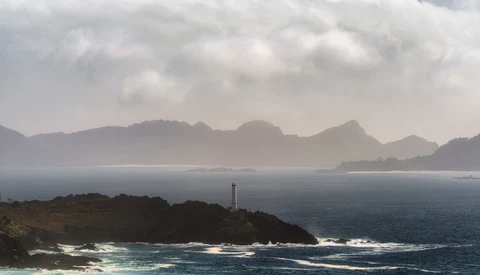
Stop Checking Forecasts: This AI Predicts Your Perfect Seascape

Every seascape photographer knows the frustration: a stunning location, epic waves, and a sky on fire—but the tide is all wrong. Forget endlessly checking charts. What if you simply received an alert at the exact moment when light, water, and tide align for your masterpiece? A revolutionary new tool does exactly that.

Canon’s Hidden Gem: The 135mm f/2 and Why You Should Own It

Modern mirrorless lenses are beautifully crafted technological masterpieces. Yet, these lenses come at an expense. What if investing in older technology provides a comparable, if not more pleasing, result at a fraction of the price of its modern-day equivalent?

Concrete Steps to More Effective Landscape Photographs

Photographing the landscape can be hard work—at times, very hard work. It entails rising well before daylight, in most cases, and working in sometimes very harsh conditions. Most of the time, you will be out in the woods until well past dark, waiting for just the right moment, which may not come—even after your most valiant efforts. It makes sense, then, to do everything you can to stack the odds in your favor. Here are some thoughts on that.

How To Use Shadows for Better Photography: A Guide

Let’s talk about shooting from the shadow side, where light rakes across your subject at an angle, transforming ordinary photos into cinematic images by adding dramatic contrast and dimensional depth.

This One Simple Habit Improved My Photography More Than Any New Gear

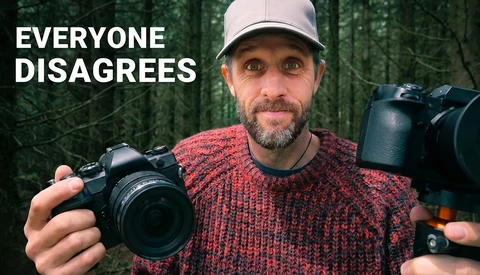
Some people might totally disagree with me on this one. Many photographers will say that upgrading your equipment, traveling farther, or chasing the perfect light is what pushes your work forward. I don’t believe that anymore. The biggest improvement in my photography didn’t come from buying new gear or visiting remote locations — it came from a simple habit: regularly returning to a familiar place to practice.

The Secret to Photographing Fungi: It’s All About Focus

Every year when autumn arrives and the woodlands start to transform, I find myself turning my attention away from the sweeping landscapes and down to the forest floor. The change feels fitting — literally and figuratively — because photographing fungi is all about paying attention to the smallest details. It’s a slower, more deliberate process, where every small adjustment matters.

How Light, Weather, and Patience Create the Perfect Autumn Shot

Autumn in the Utah mountains transforms the landscape into a mosaic of color, and few capture that transformation like Michael Shainblum. In his latest video, he explores how to find order in chaos, turning the overwhelming range of fall tones into cohesive, striking compositions. The focus isn’t on grand vistas but on patterns, textures, and subtle interplay between color and light.

How To Prevent Bright Pixels: The Metering Technique Most Photographers Miss

Let’s discuss the importance of capturing well-exposed images in camera to prevent difficulties during post-processing. This can be achieved using various metering modes available on cameras and understanding their impact on exposure settings; however, there is one specific metering mode that can be particularly effective in avoiding bright pixels in your images.

The Secret to Choosing the Right Lens for Landscape Photography

Landscape photography often brings a big questions: what focal length to use. This choice shapes how a scene feels: its depth, focus, and emotion. Picking the right lens isn’t about numbers on a barrel. It’s about how you want the viewer to see.

The One Tool You’re Not Using Properly in Landscape Photography

Understanding the histogram is essential for any landscape photographer who wants to master exposure and achieve their creative vision. The histogram provides a visual representation of the tonal range in your image, allowing you to make informed decisions in-camera and during post-processing.