Landscape Photography

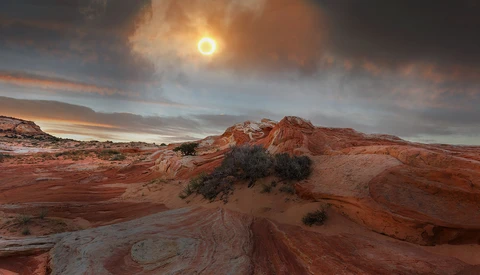
Landscape photography rewards patience, planning, and a willingness to be in the right place at the right time — which is harder than it sounds. This section covers the full landscape photography workflow: scouting locations, reading light, choosing the right filters and focal lengths, managing long exposures, and processing raw files to reflect what you actually saw and felt when you pressed the shutter.

When Does a Photograph Stop Being a Photograph?

Capturing reality was never photography's sole purpose—it always flirted with imagination. But in an age dominated by digital tools and AI, how far can we push photographic art before it stops being photography? 
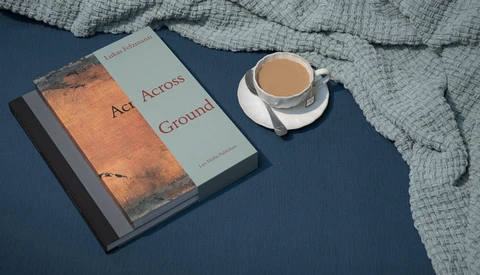
Uncovering California’s Quiet Beauty with Lukas Felzmann’s Across Ground

Set aside the rush of daily life to unwind with a photobook that invites you into California’s diverse landscapes. Lukas Felzmann’s Across Ground beckons photographers and art lovers to sit down, silence distractions, and immerse themselves in its poetic exploration of nature and culture.

What Nature Taught Me About Photography—and Life

If there is one thing I have learned over the many years of photographing nature, it’s that she waits for no one. One of the biggest lessons in nature photography is being out in nature at the right place and the right time. 

Turning Ordinary Conditions into Stunning Landscape Photos

The way you handle natural light shapes your landscape photography, determining whether an image feels captivating or merely ordinary. Knowing when and how to harness specific types of light is key to transforming your shots from standard captures into something more meaningful. 

Leave No Trace: How to Be an Ethical Nature Photographer

After nearly 20 years of traveling and photographing the outdoors—both as an enthusiast and a professional—I’ve noticed a frustrating trend: people leaving behind their crap (both literal and figurative) and showing little regard for the environment. 

The Power of Failure and Mistakes in Landscape Photography

As a landscape photographer, I've often found that some of my most valuable lessons come from moments of failure. Over the years, I’ve encountered countless setbacks—blurry images, blown highlights, and misjudged lighting conditions. While these moments can be frustrating, they’ve ultimately shaped my skills and perspective.  

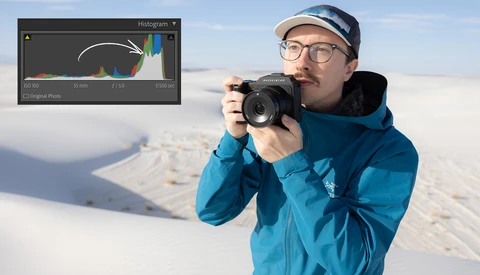
The Exposure Advice That Transformed My Photography

Photography can be simplified down to the art of capturing light, and we all learn to capture that light correctly for perfect exposure. But what if that is actually hurting our creativity and work? This advice changed how I take photos. 

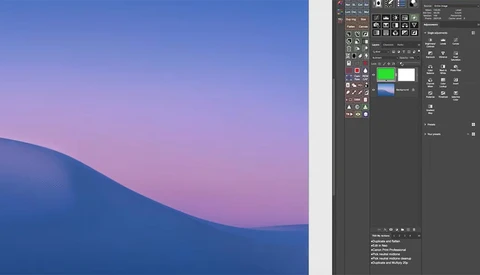
How to Get Great Colors Using Photoshop

If you want to learn how to get better colors in your photos, then this video by Todd Dominey is for you. 

He shows several color grading techniques you can use in Photoshop to improve the look of your images. All of them use layer blend modes, so you will learn not only how to enhance your photos but also how blend modes work.

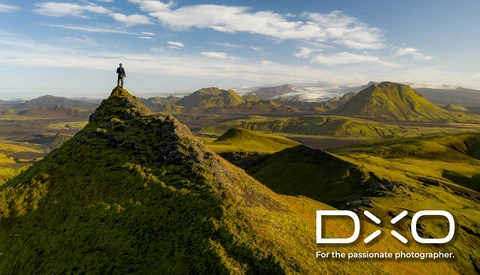
DXO PureRAW 5 Adds Local Adjustments, Expanded Performance

I have to say that on many days, I find myself using a DxO product—most frequently, their PureRAW software, which looks at my image metadata in my RAW files and gives me a near-perfect image, correcting my sensor/lens combination, sharpening, and removing imperfections like vignettes and ringing. DxO has more than 100,000 camera/lens combinations covering almost any gear.

Exploring a Feature Rich Environment for Landscape Photography

Some natural environments are filled with interesting and unique compositions for landscape photographers. It can be like being a kid on a playground. How do you make sense of it all and distill the scenes down to images for your portfolio? 

Landscape Photography Tips to Take Your Images to the Next Level

Strong landscape photography isn’t just about finding a beautiful location—it’s about how you compose, frame, and time your shots to create something extraordinary. Weather and light can be unpredictable, but knowing how to work with what you have can make all the difference. 

How to Turn a Mundane Subject Into a Memorable Photo

Long exposure photography transforms everyday scenes into something surreal. But pulling off the perfect long exposure shot isn’t as simple as setting a long shutter speed. Conditions, composition, and even patience play a huge role in making it work. 

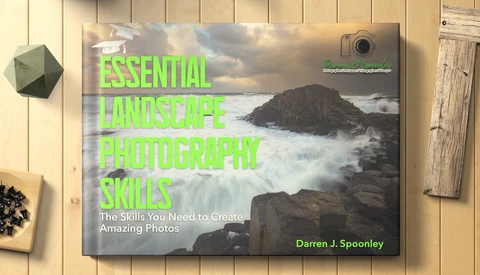
Why I Decided to Give My New E-Book Away for Free (and How You Can Get Your Copy!)

Giving away a book for free might seem like a strange decision. After all, writing a book takes months of work—planning, researching, writing, editing, and refining. Then there’s the effort that goes into designing the layout, selecting images, and making sure the final product is something worth reading. So why give it away when I could sell it? 

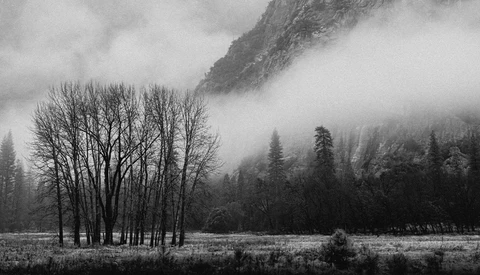
How Winter Storms Transform Yosemite's Most Famous Views

Winter storms create unique opportunities for dramatic landscape shots that most never get to capture. The combination of rain, fog, and shifting weather patterns transforms familiar vistas into ethereal scenes, offering fresh perspectives on even the most photographed locations. 

Unlimited Depth of Field at Any Aperture

What if you could control perspective distortion and focus with pinpoint accuracy at any aperture? Dive into the world of tilt/shift lenses and learn how pros use the Scheimpflug Principle to create stunning images. 

How to Adapt When the Weather Ruins Your Shot

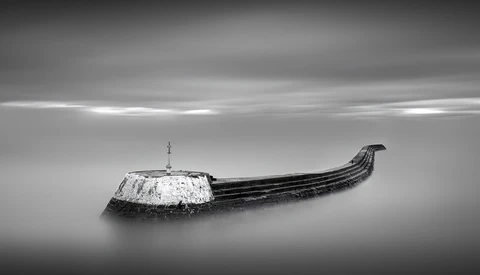
Long exposure photography transforms water and sky into something almost surreal, turning movement into soft streaks and blurring away distractions. If you shoot seascapes, finding the right balance between exposure time, composition, and conditions can be the difference between a flat image and a striking one.

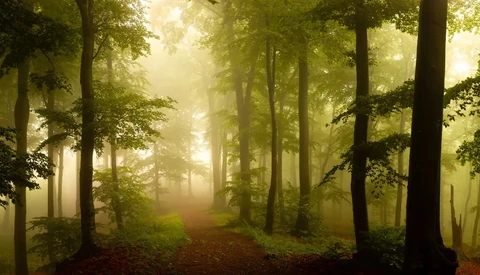
Mastering Foggy Forest Photography: A Simple Approach

Finding the right conditions for photographing forests can make or break an image. Fog, light, and composition all play a role in transforming a chaotic scene into something visually compelling. If you’ve ever struggled to create strong forest images, focusing on these elements can help. 

Why Choosing the Right Profile Matters in Editing

Choosing the right profile before editing can change the way your image looks and how much control you have over the final result. Different profiles apply varying levels of contrast, saturation, and tonal adjustments, making them a critical first step in post-processing. 

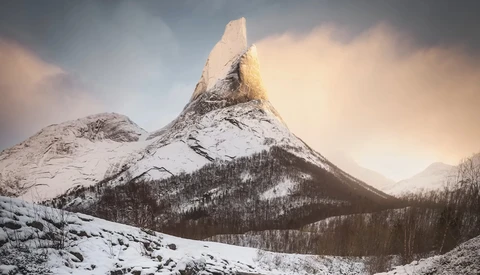
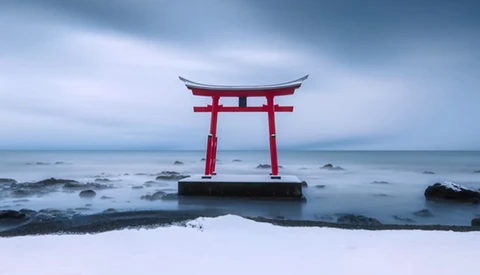
Minimalist Winter Photography

The stark contrast of winter between the white snow and dark skies brings out compositions that wouldn’t be possible in other seasons. If you’re drawn to clean, simple images, this kind of environment offers an opportunity to refine your eye and experiment with composition in new ways. 

Do These 5 Things Instead of Buying New Gear

We are bombarded with videos and articles talking about the latest and greatest gear. No wonder we, as photographers, start to think we need new or better gear to improve our photography. But instead of buying gear, start practicing these five things to really improve your landscape photography. 

Why Telephoto Lenses Can Improve Your Landscape Photography

Wide angle lenses dominate landscape photography, but they aren’t the only option. Telephoto lenses offer a different perspective, bringing compression, depth, and new composition possibilities. They let you isolate details, enhance layers, and create a more immersive feel in vast environments. 

The Wonderfully Atmospheric Urban Landscapes of Greg Girard

Canadian photographer Greg Girard left Vancouver in the 1970s to explore Southeast Asia with his camera. His colorful, atmospheric landscapes showed us a very different and unfamiliar part of the world that, for Westerners at that time, was much less traveled and even less well known. 

Mastering Black and White Photography: Essential Techniques

Black and white photography forces you to see light, texture, and form in ways that color photography doesn’t. Stripping away color makes you focus on contrast and composition, helping you create images with depth and mood. If you’ve never spent a day shooting only in black and white, it’s a great way to train your eye. 

How to Improve Your Landscape Photos

In this video, Markus Albert describes three essential ingredients for appealing landscape photos. 

In a recent article, I shared my opinion about what makes a great photo. I explored the importance of light and composition and tried to answer which of the two is more important.

How to Capture Fog Like a Pro

Fog transforms a landscape, softening edges and adding depth, but photographing it requires careful planning. Light, shutter speed, and composition all play a role in how the final image turns out.  

The Photographer Working at the Edge of the World

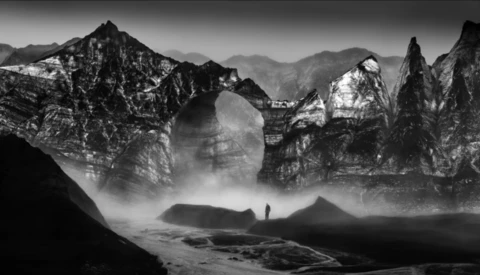
In one of the most inhospitable regions of the world, where life exists on a knife’s edge, Ragnar Axelsson has spent four decades photographing the beauty of its frozen landscapes and, more recently, the impact of climate change on the lives of the hardy people who call this frozen wilderness home. 

How to Make the Most of Flat Winter Light

The winter landscape doesn’t have to be dull. It offers a unique palette of muted colors and soft light that can create striking images. However, capturing the subtlety of these scenes requires attention to tone, contrast, and composition.  

The Black and White Advantage

There’s nothing quite like the solitude of my darkroom at dawn, the hum of my enlarger in the background, and the image slowly appearing on paper in my hands. For me, photography is more than capturing a moment—it’s a meditative journey into light, shadow, and form. 

7 Tips to Simplify Your Landscape Compositions

One of the best things you can do as a landscape photographer to improve your photographs is to master your compositions. For many, working on composition is difficult, with the pieces never quite coming together, even after watching videos and reading articles. These seven tips aim to change that. 

A Smarter Way to Edit Landscape Photos in Lightroom

Editing landscape photos can feel overwhelming with all the tools available, but you don’t need to use most of them. The key is knowing which adjustments actually make a difference. A few simple changes can turn a flat raw file into something that reflects the scene as you remember it. 

A Landscape Photographer's Advice: Learn to See the Beauty All Around You

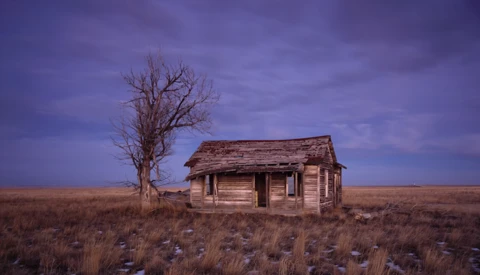
Places of emptiness and desolation might not immediately demand the attention of the photographer, but they have a haunting beauty that is all too easy to overlook. For one landscape photographer, the quiet magic of these neglected spaces has often been the source of his inspiration. 

A Photographer's Guide to Maximizing Each Season's Opportunities

As a landscape photographer based in Ireland, I've come to realize that capturing a compelling image is about more than just pointing a camera at a beautiful scene. It's about understanding the subtle nuances of light, atmosphere, and the rhythms of our natural world. It’s about feeling the crispness of the air in autumn or the gentle warmth of a summer evening. 

The Key to Stunning Landscape Shots: Timing and Patience

Capturing dramatic landscape images isn't just about finding a great location. Timing, light, and composition play a huge role in transforming a scene into something special. Understanding how light interacts with natural elements can give your shots a unique depth and atmosphere. 

How a Mid-Range Zoom Can Elevate Your Landscape Photography

The right lens can make or break your landscape photography. A mid-range zoom gives you the flexibility to frame shots without constantly switching lenses, helping you stay in the moment and capture what’s in front of you. If you want a versatile setup that lets you adapt on the fly, you’ll want to take a closer look at this approach. 

Discovering Mexico Beyond the Tourist Lens: A Photographer's Journey to Hidden Gems

Picture this: rays of sunlight streaming through the pristine waters of an ancient cenote, forming a mesmerizing light display found nowhere else on Earth. Or a golden-hued petrified waterfall at sunrise, untouched by crowds. This is a side of Mexico rarely seen—far removed from the iconic shots of Chichén Itzá or the bustling shores of Cancún. 

This New Netflix Series Is a Visual Feast and an Inspiration for Photographers

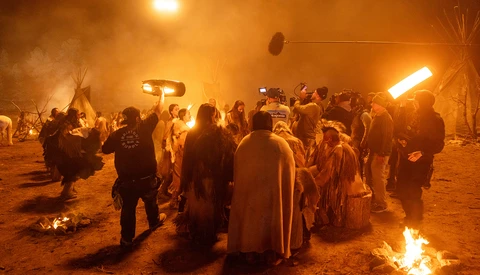
With the convergence of film and television production technology and the willingness of streaming services to fund their own major projects, cinematic epics are now being made for the small screen as well. Blurring the line between movies and TV, this new Netflix series is visually stunning. 

Common Mistakes in Landscape Photography

Landscape photography isn’t just about capturing a scene. It’s about guiding the viewer’s eye, balancing composition, and controlling light. Small adjustments can make a big difference, and knowing what to look for will take your images to the next level. 

The Known, The Unknown, and the Transcendent

A few years ago, a friend of mine, a symphony maestro, was walking with me through my studio/gallery and remarked that I should compose a book, the title of which would be “The Known, the Unknown, and the Transcendent.” Tom was a true intellectual, a visionary who never allowed a conversation to descend into petty differences and discussions about equipment, etc.

Seven Beginner Photography Mistakes You Should Avoid

In his latest video, landscape photographer Mads Peter Iversen shares seven photography mistakes beginners make. 

He includes technical mistakes, camera settings, equipment choices, and general tips for making the most of your photo shoots.

Is This the Best Camera Mode?

From fully automated shooting modes to full manual and a variety of semi-automatic modes in between, which is best for your photography? Is using manual mode the only way to go? Or are there better modes to help you focus on your creativity instead of the technical aspects of the camera? 
How to Shoot Film for Landscape Photography

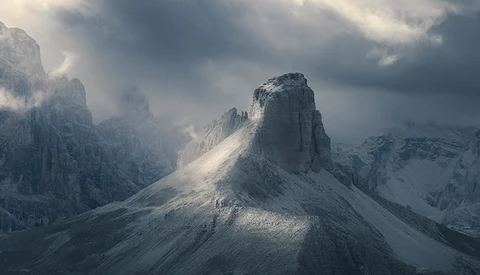
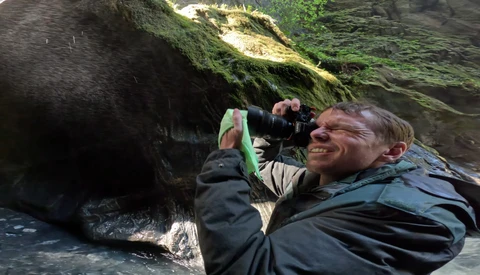
Film photography offers a unique approach to capturing landscapes. Unlike digital, it forces you to slow down, consider each shot, and make deliberate choices. This makes it an excellent way to refine your skills and understand exposure, composition, and light in a deeper way. 

The Challenge of Finding the Perfect Shot in Freezing Conditions

Winter photography presents unique challenges. The cold can drain batteries, make gear difficult to handle, and test your endurance. But the reward is stunning landscapes, crisp light, and serene conditions that transform familiar locations. 

5 Essential Techniques for Advanced Landscape Photography

When starting with photography, you'll find many tips and techniques to understand, from the basics of shutter speed, aperture, and ISO to composition and lighting. However, today, we will focus on five techniques worth checking out when you embark on your first landscape photography trip.