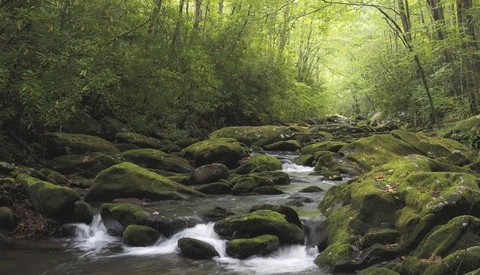
Landscape Photography

Landscape photography rewards patience, planning, and a willingness to be in the right place at the right time — which is harder than it sounds. This section covers the full landscape photography workflow: scouting locations, reading light, choosing the right filters and focal lengths, managing long exposures, and processing raw files to reflect what you actually saw and felt when you pressed the shutter.

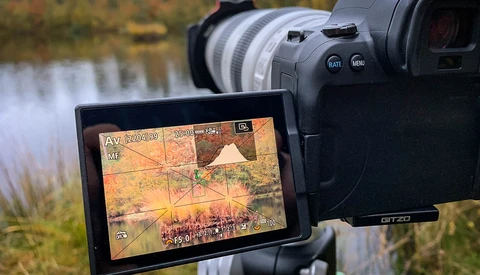
Dealing With Photography Gear Failure in the Field

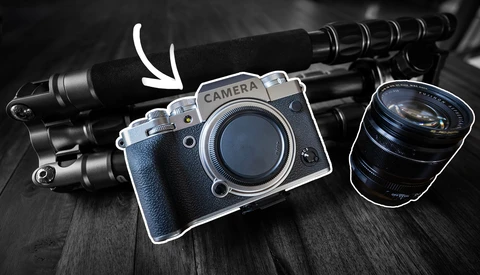
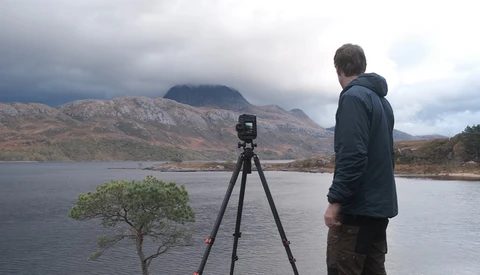
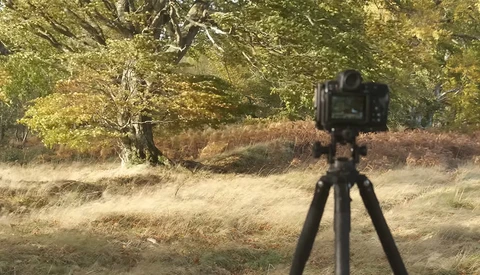
If you have been a photographer long enough, you have had a piece of photography gear fail you in the field. Maybe it is a lens that stops focusing, a camera shutter that breaks, or a tripod leg that gets loose—any number of things can potentially impact an outing. Are you prepared for this? 
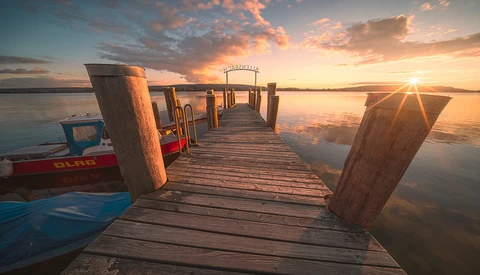
How to Remove Distractions to Improve Images in Lightroom

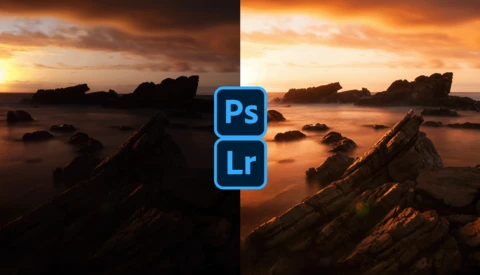
Distracting elements can take away from the impact of your photos, and cleaning them up is an essential part of editing. Using Lightroom’s tools, you can remove unwanted objects, adjust colors, and refine details, all without needing advanced software like Photoshop.  

Editing Landscape Photos in Lightroom: Basics to Advanced Techniques

Editing is a critical part of landscape photography, letting you shape images into representations of what you saw—or imagined—in the moment. Whether you aim for realistic refinement or experimental creativity, post-processing helps you discover what matters most in your work. 

Simple Tips for Tack-Sharp Landscape Images

Landscape photography demands precision, especially when it comes to focus. Getting the entire frame sharp, from the foreground to the background, depends on knowing where to place your focus and how to adjust for your scene. 

Creative Landscape Photography Techniques for Iconic Locations

Landscape photography often challenges you to adapt, experiment, and make the most of fleeting light and dynamic conditions. This helpful video showcases practical strategies for improving your compositions and embracing unpredictable environments. 

Full Frame vs. Micro Four Thirds: A Practical Landscape Comparison

Choosing the right camera for landscape photography often comes down to balancing image quality, portability, and usability. Full frame and Micro Four Thirds systems both have their strengths, but how do they hold up in real-world shooting conditions? This comparison puts two Panasonic cameras—a 47-megapixel S1R and a 20-megapixel GX9—through their paces to see how they fare. 
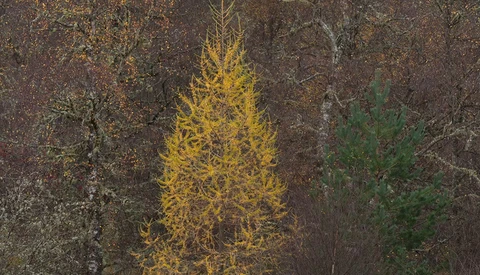
Using Lightroom Masks to Create Custom Vignettes

Custom vignetting can subtly improve your images, drawing attention to your subject in a way that looks natural and intentional. Instead of relying on preset sliders, creating custom vignettes in Lightroom lets you control exactly how light and shadow interact with your composition.  

Where Is The Best Focus Point in a Landscape Photo?
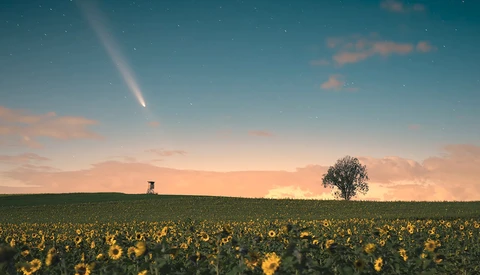
Focusing in landscape photography is often trickier than you might think. As with many things, there are more ways than one to achieve the desired result. The best way is also determined by personal preferences. This guide will help you make the best choice. 

How to Transform a Fall Photo Using Lightroom

If you want your photos to stand out with a bold, cinematic feel, creating a darker aesthetic can help you achieve that. Here's how to achieve that in Lightroom. 

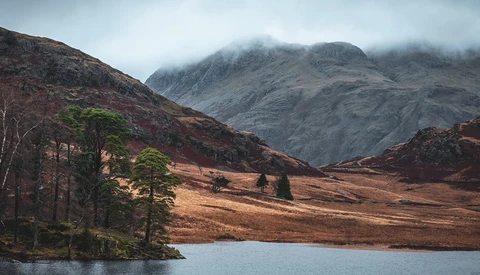
Why Smaller Sensors Excel in Landscape Photography

Weather and location can make or break a landscape photography session, but the equipment you bring often gets too much credit—or blame. Many believe you need a full frame camera to capture stunning landscapes, but that’s not the case. Smaller sensor systems can deliver exceptional results, even in less-than-ideal conditions. 

Finding Beauty in Simplicity: A Guide to Minimalist Landscapes

Minimalist landscape photography thrives on subtlety, turning limited elements into striking compositions. When conditions aren’t ideal for grand scenes, the minimalist approach offers a chance to focus on textures, forms, and simplicity.  

Stop Wasting Money on Landscape Photography: 2025 Gear Guide

What if I told you that all you really need to start—or even succeed—at landscape photography is incredibly little? It might be hard to believe, considering the most popular photography content is centered around cameras, lenses, and gear.

Is This the Most Comfortable Backpacking Camera Bag?

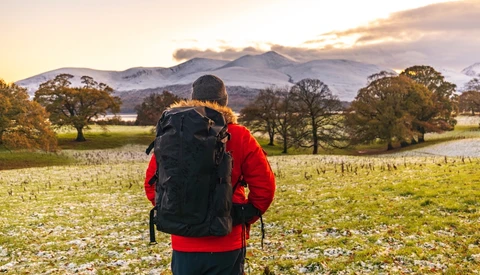
When it comes to camera bags for landscape photography, several vital components are needed to ensure they perform as expected. Will this Fernweh 50L bag from WANDRD tick all the necessary boxes? In this review, we will find out! 

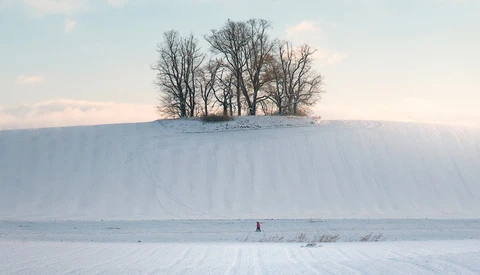
Transforming Snowy Scenes With Composition and Editing

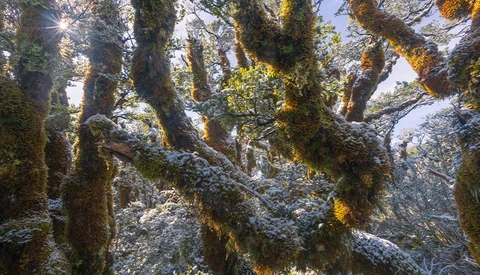
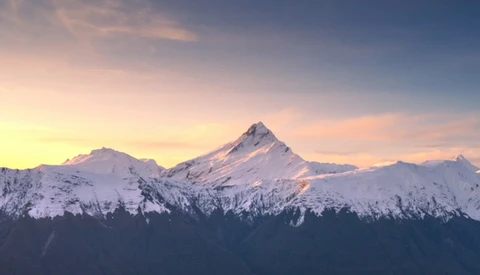
Understanding how to approach dynamic, unpredictable conditions is critical when you're out in the field. That means learning how to adapt and react to weather and light, especially in challenging environments like snow-covered mountains and shadowed forests. These are places where details emerge slowly, requiring careful observation and thoughtful composition. 

Editing Ideas For Midday Landscape Photography

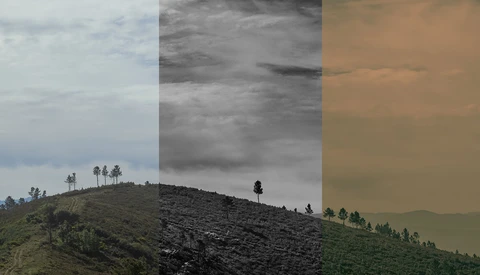
Rumor has it landscape photography on bright sunny days with blue skies is not a good idea. I would disagree. Here are a few ideas for editing photos shot in the midday sun that might just inspire you to go out and shoot more in bright conditions. 

Overcoming Barriers in Landscape Photography: Insights and Tips

Landscape photography presents unique challenges, but mastering them can lead to stunning results. One of the biggest hurdles isn’t technical—it’s psychological. Many struggle with motivation, making it hard to leave the house and commit to a shoot. Whether it’s the early mornings or the uncertainty of success, the mental barriers often outweigh the physical ones. 

Are You Making This Exposure Bracketing Mistake?

As landscape photographers, we know exposure bracketing is our friend when we face a high-dynamic-range scene with bright highlights and dark shadows. But are you making this mistake when you set your camera up for bracketing? 

Mastering Telephoto Lenses for Landscape Photography

A telephoto lens opens up unique opportunities in landscape photography. Its ability to isolate subjects and create compression makes it an invaluable tool, especially for capturing distant elements with dramatic impact. 

Five Ways to Grow as a Landscape Photographer

Exploring landscapes goes beyond simply capturing a beautiful scene. To develop your craft, you need to balance creativity, mindfulness, and experimentation. This process isn’t just about technical skills but about shifting how you interact with your environment and your art. 

Are You Struggling With Sharp Landscape Photos?

A frequent challenge for landscape photographers is capturing sharp images. There are several nuances to sharp landscape photography photos; there is more to it than just always using an aperture of f/11 or so. This video looks at some of those nuances to help you get sharp images. 

How to Create Sharp Long Exposure Photos With Moving Elements

Long exposures are a fantastic way to simplify your scene and draw attention to your subject. But moving objects in the frame, like swaying trees or shifting boats, can blur and distract from the final image. This technique shows you how to manage motion while preserving sharpness, offering a practical approach for challenging conditions. 

Is This the Best Landscape Photography Camera?

What is the best camera for landscape photography? Is there a best landscape photography camera? Typically, one would want a high-megapixel camera with great dynamic range, something easy to use in the field, and something that can handle harsh environments. Is this the best landscape photography camera? 

The Camera Hack You Never Knew You Needed!

Landscape photography, often romanticized as a calm pursuit, is, in reality, a demanding test of patience. Unlike studio photography, where they control the lighting, backdrop, and subject, we landscape photographers must yield to nature’s rhythm.

Color Contrast in Lightroom for Stunning Fall Photos

Color contrast can completely transform a landscape photo, adding depth and drama that draw in the viewer. This tutorial explores how to use Lightroom to balance color tones for maximum effect in autumn shots, from the initial HDR merge to targeted adjustments that bring out the richness of each part of the image. 

The Trials and Tribulations of Experimenting With Infrared Photography

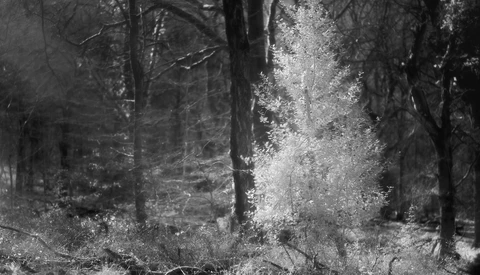
A few months ago, I explored a new photography challenge and invested in an infrared filter for landscape photography. I could've bought an already converted used camera, but after looking at what was available on the used market and specialist conversion services, investing in a filter seemed to be at a more appealing price point and the best of both worlds.

Mastering Landscape Photography Techniques in Fiordland

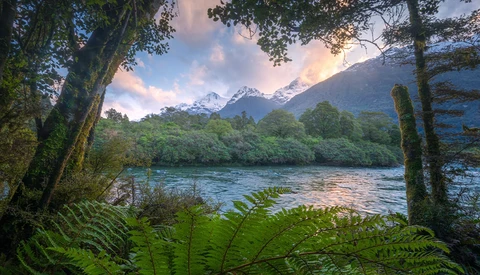
Capturing the raw beauty of landscapes often means venturing off the beaten path and braving the elements. Understanding how to work in diverse and challenging environments, while also learning to find compositions within these unpredictable settings, is invaluable.  

Three Steps to More Expressive Landscape Photography

Often, photographers get caught up in capturing reality, aiming to recreate what they see as accurately as possible. However, a more impactful approach might be to embrace creative expression, using your camera as a tool to convey mood and atmosphere rather than just the physical details.

A Beginner’s Guide to Editing Landscape Photos in Lightroom

Creating a strong image is more than just pointing a camera—it’s a detailed process of planning, capturing, and finally, editing. The editing stage in particular is where you bring out the colors, light, and mood you intended, creating a finished piece that truly reflects the moment and story you envisioned. 

Don't Fall for the Lies That 'Real' Photographers Want to Tell You

The best thing about the internet is that there are so many sources of photography education out there. The worst thing about the internet is... that there are so many sources of photography education out there. So how do you sort facts from lies told so often that they’ve acquired the status of fact? 

Mastering Landscape Photography Challenges

Landscape photography often comes with challenges that aren’t always apparent until you’re in the field, and knowing how to handle them can make all the difference in your shots.  

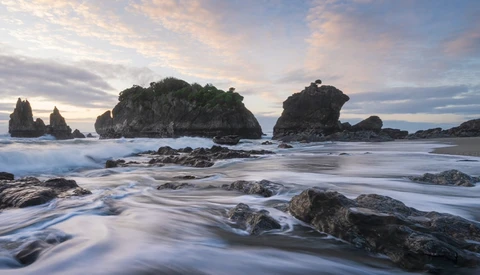
Eight Steps To Capture Motion Blur Seascapes

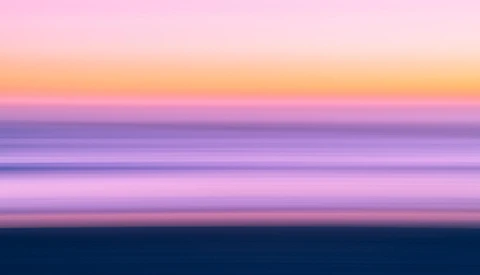
If you’re looking for a new, creative way to shoot landscapes, this may be the video for you. Tom Woods' video might inspire you to capture your own motion-blur seascapes or use this technique for another creative landscape scene. 

5 Tips for Capturing Stunning Forest Scenes

Photographing forests isn’t always straightforward. It’s easy to feel overwhelmed by the dense trees, tangled branches, and layers of textures that can make it difficult to find a clear shot. The forest can seem chaotic, but with a few simple techniques, you can transform a seemingly complex scene into a captivating photograph. 

Using Lightroom to Restore Vibrant Colors in Night Photography

When shooting landscapes after sunset, colors often fade, leaving your image looking a little flat and lifeless. But with the right editing techniques, you can bring back some of that warm, vibrant glow, creating a visually compelling result.  

How to Overcome the Challenges of Natural Light

Natural light is one of the most important elements in landscape photography. It shapes the landscape, creates mood, and brings depth to a scene. However, natural light is also highly unpredictable and can either enhance or ruin your shot. For landscape photographers, understanding and ultimately mastering light is crucial, but it comes with several challenges.

Techniques for Balanced and Dynamic Landscape Compositions

While scouting during the day makes sense, it’s not always necessary—sometimes the best shots come from reacting to the light as it changes. Being in the moment allows you to see how shadows fall on the land and create natural compositions. As the final hour of daylight arrives, it’s an ideal time to find frames that bring out the land’s contours, colors, and textures. 

Is Wind Bad or Good for Fall Foliage Photography?

When you're going for that sharp shot of fall foliage, wind can often ruin the picture, causing your subjects to sway and streak across the frame. But what if you could make that work for you? 

Common Photo Editing Mistakes and How to Avoid Them

A well-edited photo can tell a story, evoke emotion, and draw the viewer in. But with so many editing tools and options available, it's easy to fall into habits that detract from the final image. By learning to avoid a few common mistakes, you can elevate your work and create photos that truly stand out. 

In Defense of the Square Photograph

Are squares better? Come with me as we throw a fork in the photographic microwave and investigate why you shouldn't underestimate the 1:1 image format. 

Now… about that microwave.

We begin our little journey into the world of square format photography by addressing the glaring elephant in the room: there is no truly “better” image format when it comes to photography.

Stop Making These Excuses in Your Photography

It’s easy to come back from a photo trip feeling disappointed. Maybe the weather didn’t cooperate, or the light wasn’t what you hoped for. But these frustrations often lead to a mindset that can hold you back from capturing the best images. Sometimes, it's less about external factors and more about the excuses you make that get in your way. 

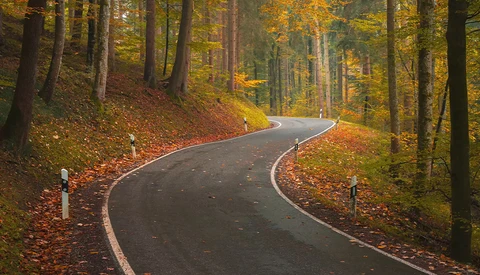
Creative Ways to Capture the Warm Tones of Autumn

Autumn brings a palette of colors that transforms the landscape, making it an ideal time for capturing stunning, warm-toned photos. However, unpredictable weather and fleeting light can complicate your plans, so it’s essential to understand how to make the most of these conditions.