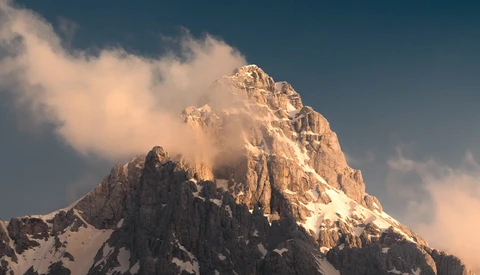
How to Transform Your Landscape Photos With Basic Lightroom Techniques
Transforming a basic image into a stunning photograph often only takes a few simple adjustments. Here's how to pull them off in Lightroom.
Transforming a basic image into a stunning photograph often only takes a few simple adjustments. Here's how to pull them off in Lightroom.
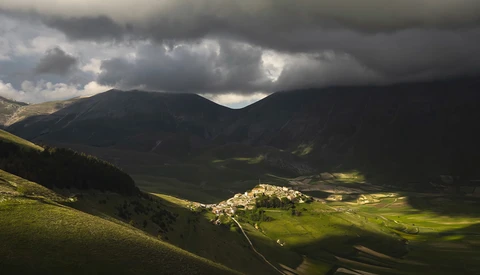
Planning a landscape photography session doesn't always guarantee ideal conditions. Weather changes, plans fall through, and sometimes, the scene isn't what you expected. How you handle these situations can make a big difference in the quality of your photos.
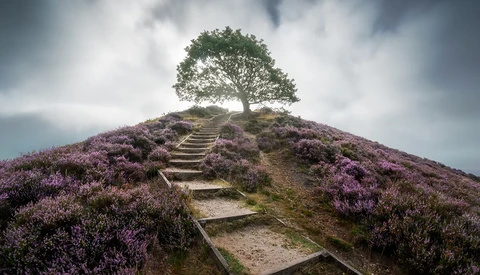
The 16-35mm wide angle zoom lens is often seen as essential for landscape photography. Its versatility makes it a staple in many photographers’ toolkits. Here's how to get the most from it.
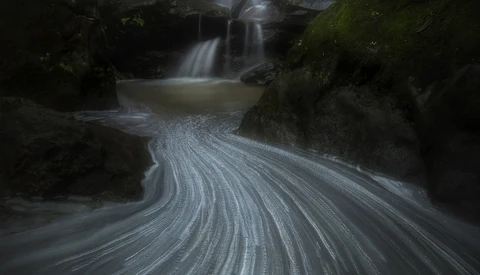
Waterfalls have been a favorite subject in my landscape photography. They are often some of the most beautiful and iconic sceneries in many national parks and mountain regions around the world.
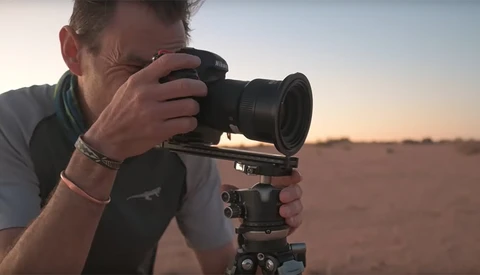
Have you ever wondered why some panoramas won't stitch? The problem is often parallax, and in this video, Emil von Maltitz shows an effective way to avoid it.
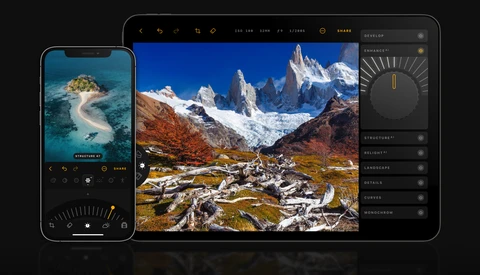
It was inevitable, I think. We've already seen a version of Luminar on an iPad, but most people are taking photos on their smartphones, which often have better cameras, so editing directly on an iPhone just makes sense.
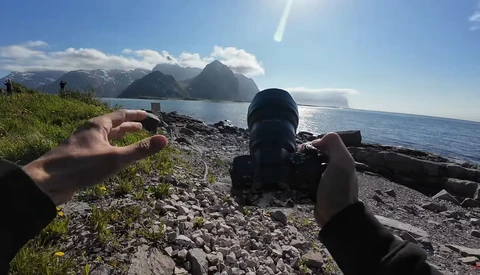
I'm not a landscape photographer.
Neutral density filters (ND filters) are crucial tools, reducing the amount of light entering the lens. This allows you to achieve longer exposures even in bright conditions, creating stunning effects with moving elements like water and clouds.
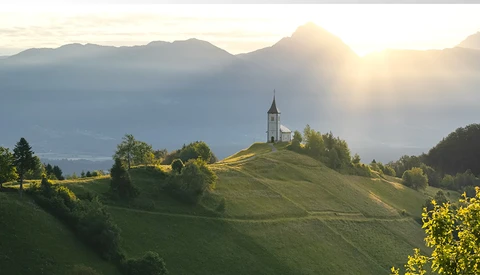
Lightroom has some powerful masking tools it pays to take advantage of. This fantastic video tutorial will walk you through using some of those capabilities.
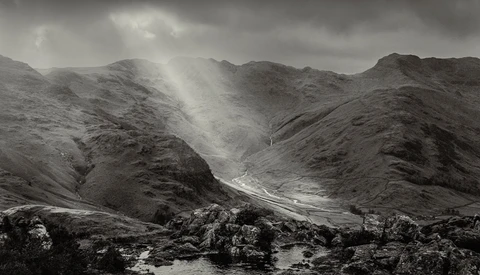
As landscape photographers, we shouldn't be avoiding bad weather. Instead, we should be actively seeking it out. Bad weather creates some of the most interesting and dramatic skies. It brings an atmosphere and mood to photos that simply can't be captured on sunny days with puffy clouds and blue skies.
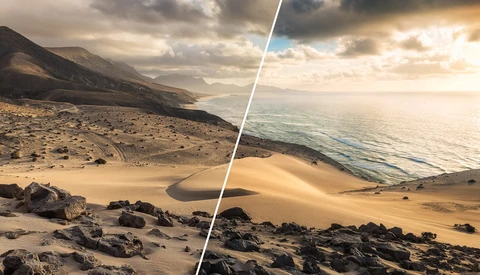
Do the colors in your photos sometimes look wrong, but you don't know how to correct them? This article and video can help. I show you how to get brilliant colors in your images.
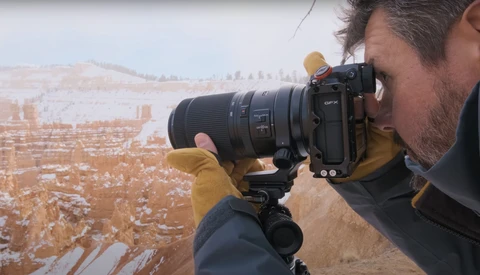
Some landscape photographers enjoy getting out into nature by themselves and away from others—the introvert. Other landscape photographers enjoy heading out with others and carrying the conversation—the extrovert. Did you know you can tell which personality you are by your favorite lens?
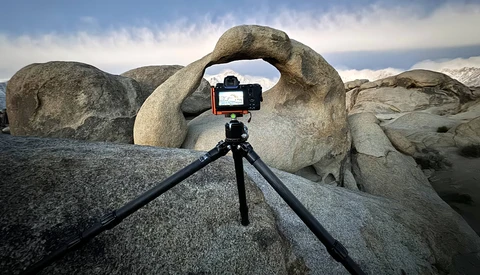
As photographers looking to improve our craft, we watch YouTube videos, buy online training, read articles, and maybe even take a class or two. We can pursue our quest for information and consume all of these trainings and never see a marked improvement. The key to getting better? Get those reps in.
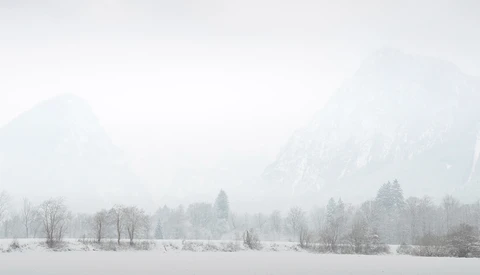
Landscape photography often hinges on unpredictable elements. The weather, light, and fixed positions of natural features make capturing the perfect shot a challenge. You can't move mountains or adjust the sky, but you can increase your chances of success with careful planning and the right tools.
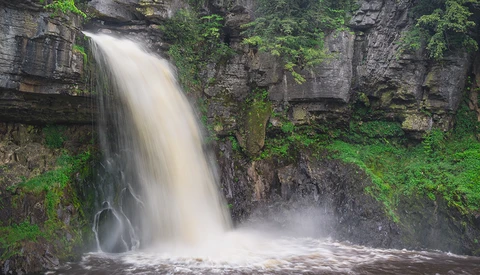
Wet weather can be a test of resilience and creativity. Rainy days might not be what you planned, but they offer unique opportunities to capture the landscape in a different light.
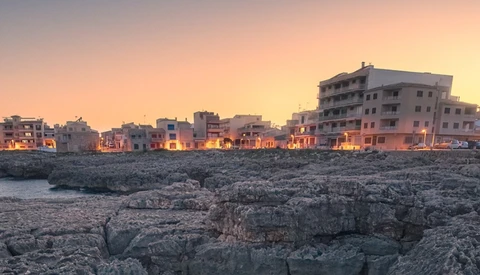
Enhancing a sunset sky in an image can make a significant difference, bringing out vibrant colors and warm tones that captivate the viewer. Here's how to do it.
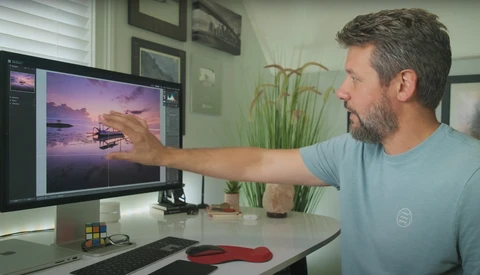
Exposing for the highlights is age-old advice in landscape photography. However, that technique can cause other areas of the photograph to be underexposed. You can always use the exposure slider in Lightroom to increase the exposure, but is that really the best way to fix the exposure in the image?
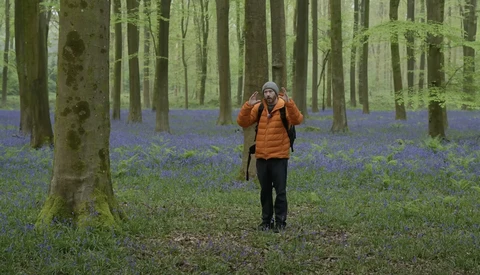
Woodland photography is hard enough for landscape photographers, but what about when there isn’t any fog? Fog is the cheat code for this type of photography, but do you just need to head home when there isn’t any fog? We find out in this video.
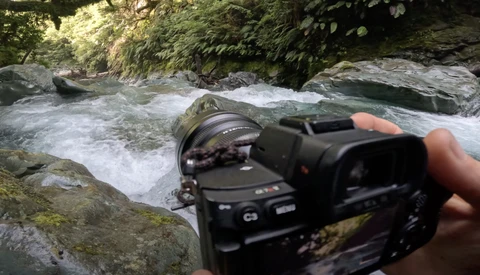
In today’s world of social media and YouTube, it is easy to think every time a photographer goes out, they come back home with portfolio-ready images. If you begin to believe this, it can impact your own landscape photography. This video looks at the real truth behind landscape photography.
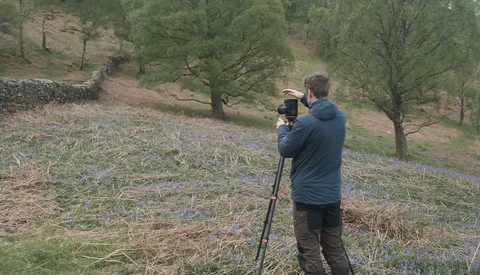
Mastering photography requires not just technical skills, but also a keen eye for opportunities and the right mindset. One key piece of advice can significantly impact your approach to photography, the famous: "f/8 and be there." This concept emphasizes the importance of being present and ready to capture moments, regardless of perfect conditions.
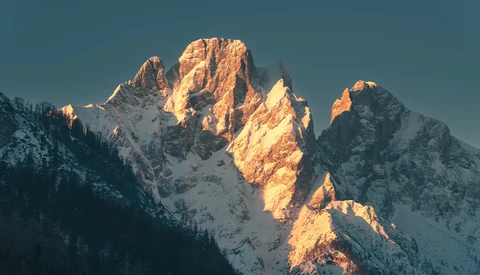
Planning is a crucial part of landscape photography, often being the foundation of a truly compelling image. Proper planning can make the difference between an average shot and a keeper. This tutorial focuses on how to effectively plan your shots, particularly how to predict weather conditions to enhance your landscape photos.
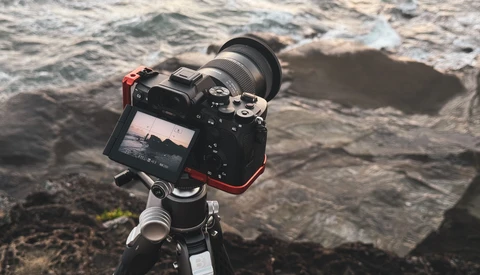
Filters are simple tools, but as our workflow becomes more intent-driven, the use and efficiency of these simple tools become more crucial than expected. Filters are helpful tools, but in a fast-paced situation, they can cause delays or even failures. This simple solution might prevent that.
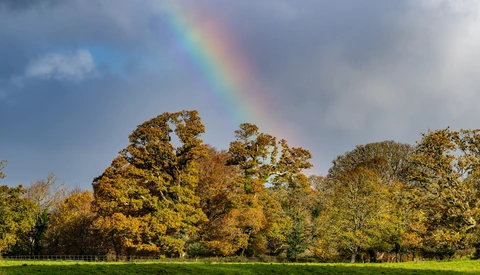
Woodland photography, while rewarding, presents a unique set of challenges when it comes to shooting and bagging some banger shots. From intricate compositions to unpredictable lighting conditions, capturing the flow of forests requires skill, patience, and adaptability.
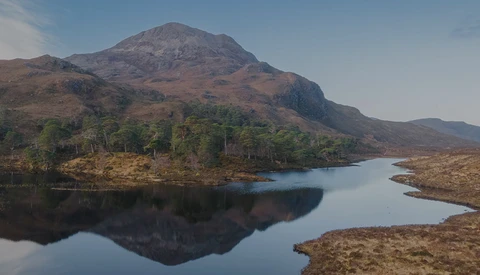
Composition is crucial in landscape photography because it's one of the few aspects a photographer has complete control over. Understanding how to arrange elements within the frame can significantly elevate a photograph from average to extraordinary.
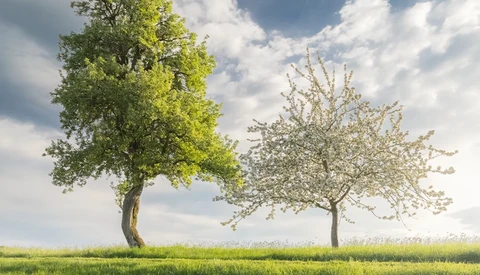
The Orton glow effect gives landscape photos a soft, ethereal quality that draws viewers in. This helpful video tutorial will show you how to create it in Lightroom.
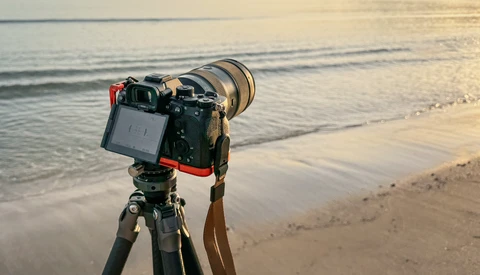
Having a zoom lens trinity is the most common approach to making sure that you have all the necessary ranges covered. But what if one lens can let you significantly lessen the amount of gear you bring?
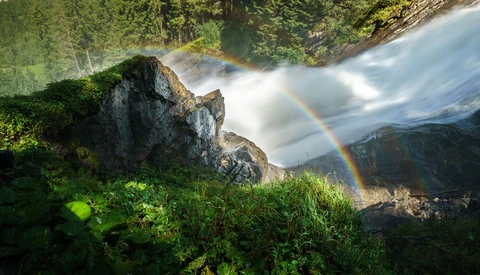
It’s always fun to take pictures of a waterfall. It doesn’t matter if the waterfall is small or huge. The movement of the water, the mist around it, and the patterns in the water are amazing subjects to capture. I have 10 suggestions for a variety of creative waterfall photos.
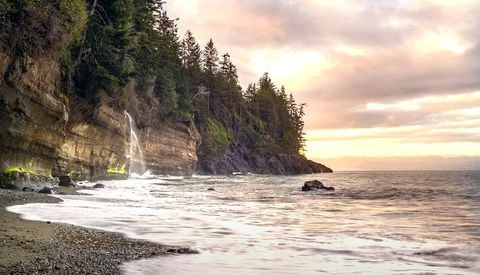
The ability to transform a raw image into a final piece is a crucial skill for any landscape photographer. If you're new to editing your images and need a little guidance, check out this fantastic video tutorial.
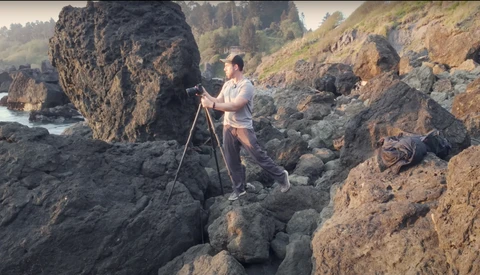
Some people think great landscape photographers are just lucky, always at the right place at the right time. The reality is great landscape photographers are persistent. Making portfolio-worthy images often entails repeat visits to areas to find the ideal composition paired with stunning conditions.
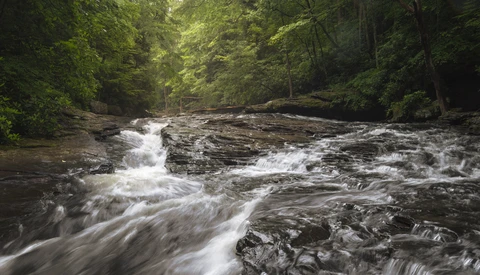
YouTube has made it easier to improve your landscape photography. Videos are available about any facet of the topic you could want to explore. Are you confused about a technique? There is a video for it. But can you really learn everything about landscape photography from YouTube?
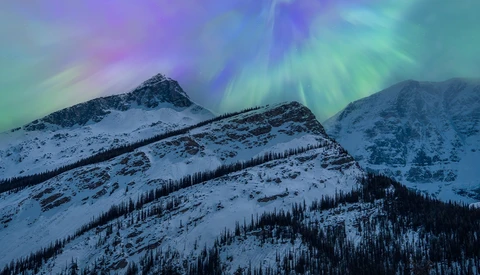
Mastering landscape photography requires not only technical proficiency but also a keen eye for composition, an understanding of light, and the ability to tell a story through your images. This helpful video tutorial will put you on the right track.
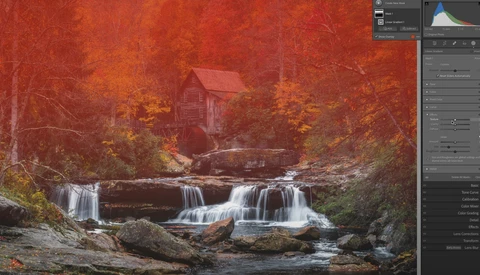
Landscape photographers look forward to days with foggy conditions, which help create interesting scenes to photograph. But timing your outing with those types of conditions isn’t always possible. Using Lightroom, you can use several techniques to enhance the atmosphere of your photos.
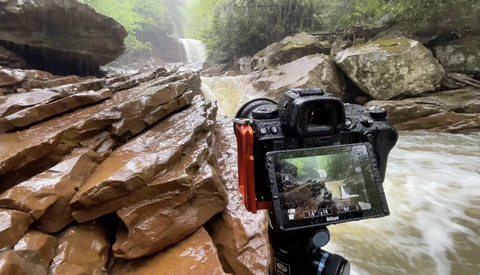
Embracing inclement weather, such as rain, can help add interest to your landscape photographs. Rain can add richness to colors, atmospheric mist, or even dark, moody clouds for grand scenes. But how do you protect your camera gear in these conditions? Here are five tips to help keep your camera safe.
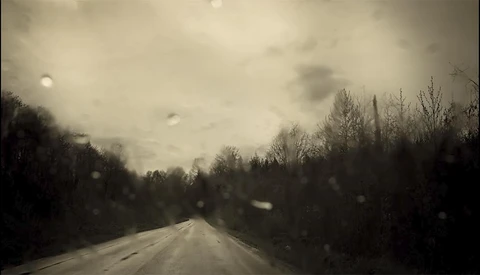
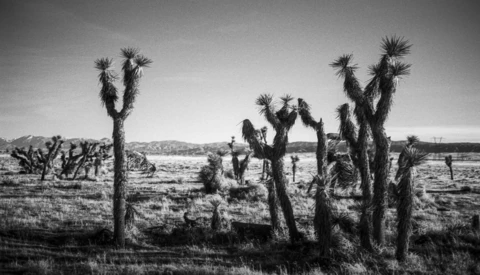
Whether you’re shooting for fun or for work, in the rush of modern life it can be all too easy to lose sight of the joy of photography. In this short, meditative interlude with no words, there’s plenty of inspiration to be found in just watching another photographer enjoying their own photography.
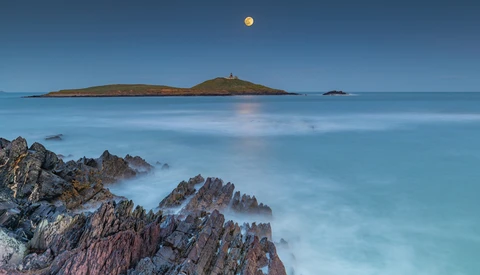
In landscape photography, there is a powerful reason why it's important to have a go-to location, which cannot be overstated. While the attraction of venturing into new and potentially uncharted territory may be strong, there also exists meaningful value in revisiting familiar spots time and again.
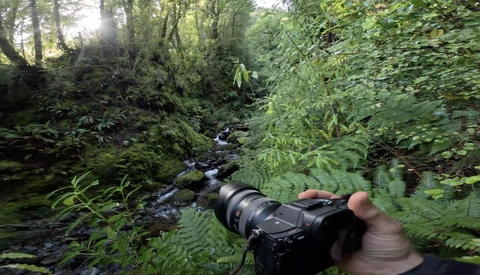
Are you wondering what makes some landscape photographers' photos stand out more than others? It all begins with how you make the photograph in the field, but it doesn't stop there. Understanding the editing process helps carry the vision through to the final photograph.
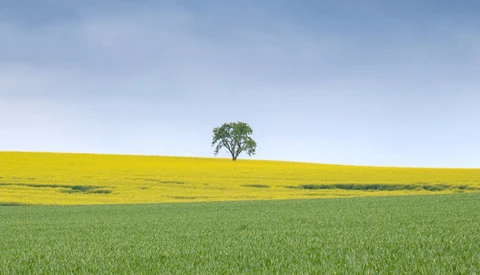
Landscape photography often aims to capture the vastness and beauty of natural scenes. However, achieving depth and dimension in these photos can be challenging, especially when dealing with flat lighting or a lack of contrast. Fortunately, post-processing tools like Lightroom offer powerful techniques to enhance your landscape images and bring them to life.
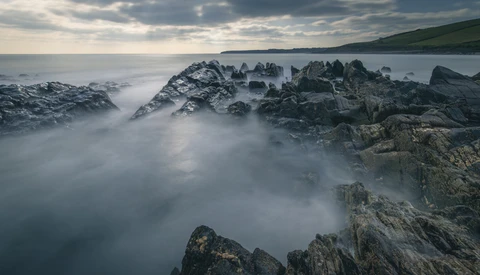
As a landscape photographer, the chase to capture stunning images of breathtaking scenes is a continuous journey. Yet, in the middle of this mission for the perfect shot, lies a crucial aspect often overlooked—the necessity of challenging ourselves and getting out of our comfort zone.
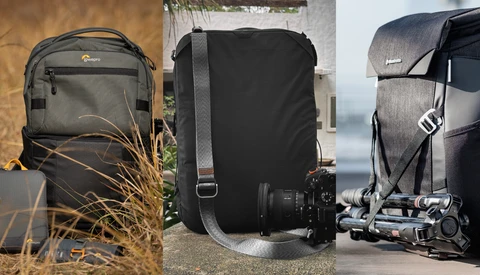
It’s 2024. The number of options available to use when choosing gear and accessories has rapidly grown. Have you considered these crucial factors?
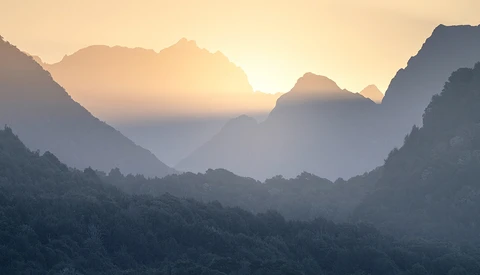
Landscape photographers often seek out specific weather conditions, such as dramatic storms or vibrant sunsets, to create impactful images. However, clear sky days, often considered less ideal due to the lack of dramatic light and clouds, can also offer unique opportunities for capturing stunning landscapes.
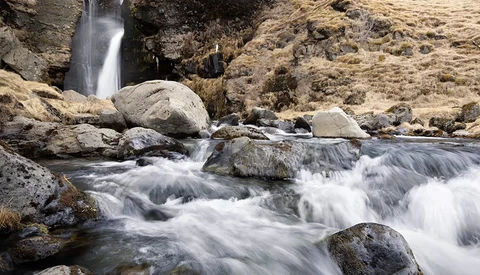
As photographers, we often grapple with the question of whether to pursue our craft alone or in the company of others. Both approaches offer unique benefits and challenges, and the ideal balance varies depending on individual preferences and creative goals.
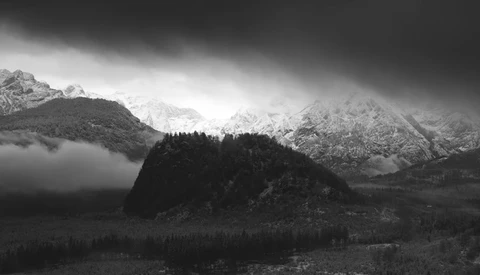
Landscape photography often hinges on the ability to capture fleeting moments of dramatic weather. While planning for ideal conditions is important, embracing unpredictable elements can lead to truly unique and impactful images. Understanding how to anticipate and work with challenging weather conditions is a valuable skill for any landscape photographer.
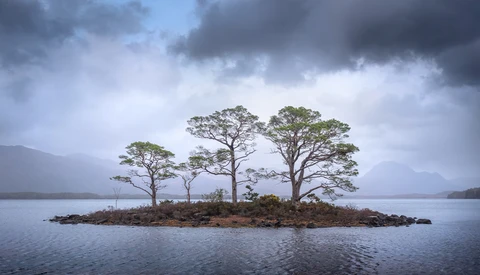
Landscape photography often hinges on ideal weather conditions, but overcast skies and stormy forecasts shouldn't deter you from capturing stunning images. With careful planning and a positive attitude, challenging weather can present unique opportunities for compelling compositions.
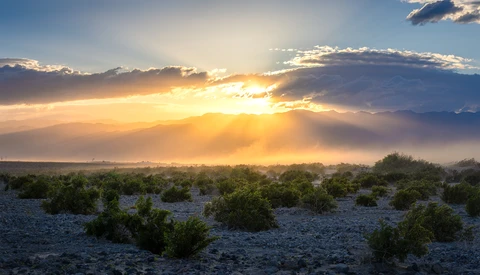
On my most recent photography trip, I was reminded of some key landscape and travel photography lessons. In this article, I want to dive into how you can apply these to your next photography trip.
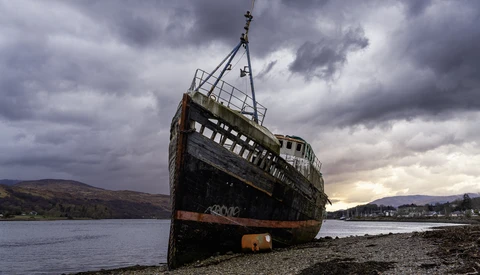
A few months back, I switched systems, mainly due to work-related requirements moving forward. The system I switched to was Sony, namely the a7R IV, so I needed a versatile lens to start with to allow me time to save for another lens after clearing out my bank account.
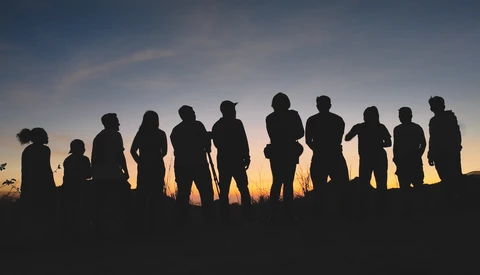
What is a surefire way to become a better photographer? Especially if you’ve learned all the technical aspects of your field of photography, what more can you do to be better?
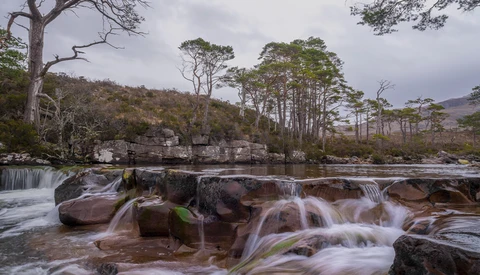
Enhancing your life through landscape photography is not just about capturing breathtaking images; it's also an avenue for personal growth and mental health improvement. Understanding these benefits can profoundly affect your approach to this art form.
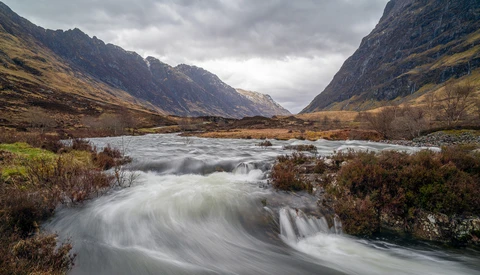
If you’re all about capturing those sweeping landscapes or immersive cityscapes, the Viltrox 20mm f/2.8 lens might just be your new best friend. Available in both E and Z mounts, this surprisingly inexpensive lens quietly snuck under the radar for a lot of people last year. Perhaps because of the price point at only $158, many didn’t consider it, thinking low price, low quality.
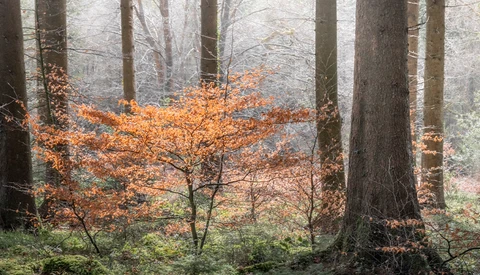
Light: it's the essence of photography. For landscape photographers, understanding and utilizing natural light is paramount. Unlike studio photographers who can manipulate artificial lighting, landscape photographers must embrace the ever-changing dance of sun and shadow, turning it into an ally rather than an obstacle.