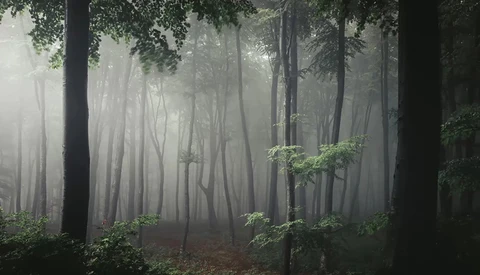
How Light and Shadow Transform Your Landscape Photography
Understanding how light interacts with shadow can transform your landscape images. The ability to recognize and capture high-contrast scenes gives your images depth, drama, and visual impact.
Understanding how light interacts with shadow can transform your landscape images. The ability to recognize and capture high-contrast scenes gives your images depth, drama, and visual impact.
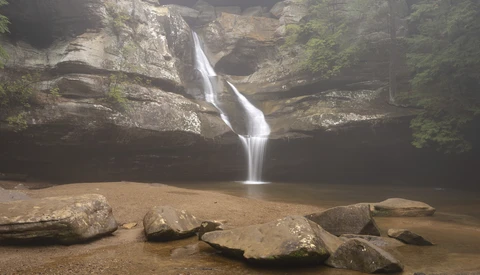
We have all been there as landscape photographers: the alarm goes off, we hear rain or wind blowing against our windows, we glance at the clock, and go back to bed. But by doing so, you may miss out on unique photography opportunities! Don’t let poor weather keep you inside.
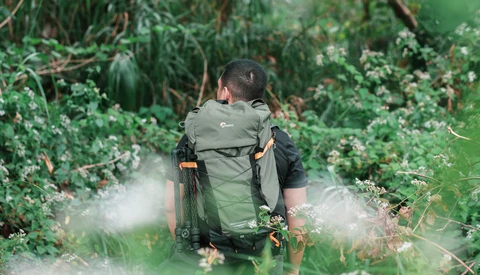
To make a great camera bag for photographers on outdoor adventures, this solution from Lowepro is not entirely a camera bag but a hiking backpack with seamless compatibility with modular camera inserts. This new sub-variant of the Lowepro Photosport backpacks is clearly for serious adventurers.
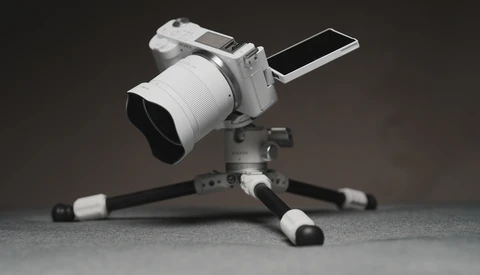
Wide angle lenses used to be necessarily bigger and more expensive in the past. Yet, this affordable and compact option from Viltrox just makes sense.
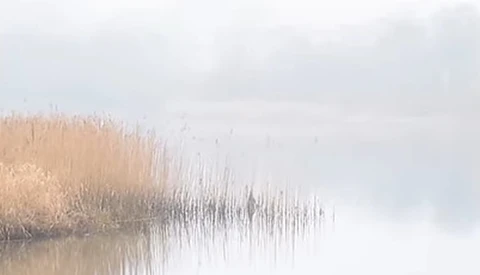
Whether dealing with snow-covered scenes or foggy mornings, knowing how to make the most of unpredictable conditions can help you create better images and enjoy the process more.
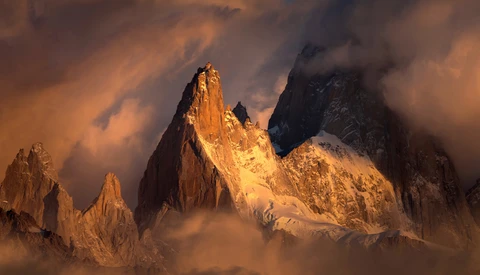
Staying motivated in photography can be challenging, especially when you hit a creative slump. Without a clear sense of direction or purpose, it’s easy to feel adrift, and that lack of vision can make even picking up your camera feel like a chore. Vision isn’t about gear or technical skills—it’s about having something to strive for, a destination to guide your creative energy.
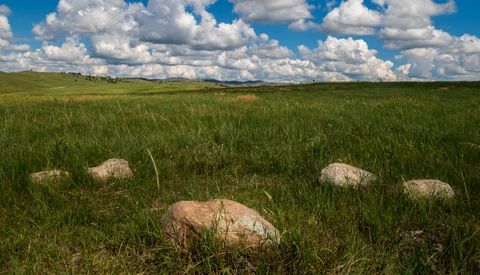
We’re no Michelangelo, and I mean, we're photographers, not sculptors. Photographers have a tough job with our medium; we work with a 2D medium. Creating depth in our images can be challenging, but we can create depth with these five tips.
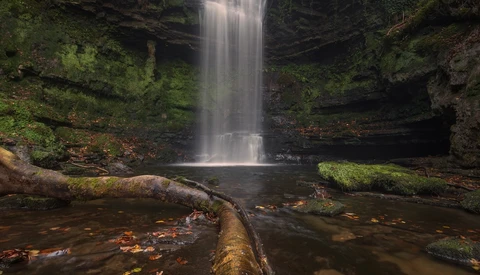
Waterfall photography is often described as one of the most mesmerizing forms of landscape photography. The challenge of capturing the motion of flowing water, along with the contrast of the surrounding still landscape, can create some stunning visual effects. The use of specific camera settings, lenses, and filters plays a huge role in the final result.
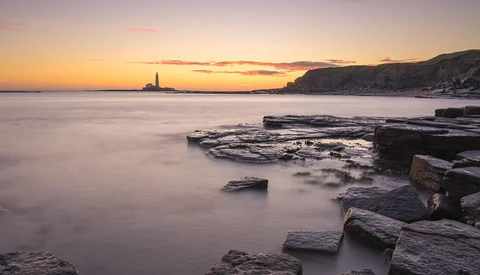
Exploring your local area for landscape photography can be a surprisingly effective way to sharpen your skills and experiment with new techniques. While traveling to new, exotic locations often feels more rewarding, the familiarity of your home patch offers unique opportunities to grow and refine your approach.
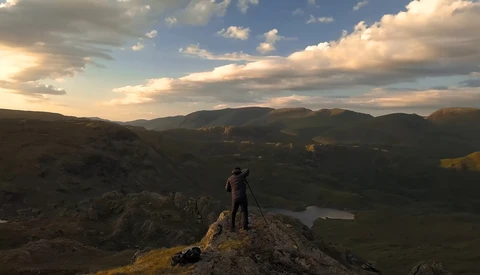
Mistakes are part of growth in any craft, including photography. For landscape photography, where conditions and circumstances can change in an instant, even experienced professionals find themselves relearning old lessons. These missteps aren’t just frustrating—they’re also opportunities to adjust your approach, improve, and refine your process.
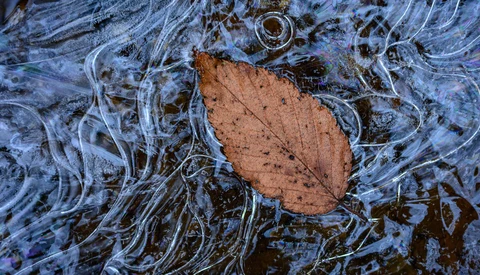
Are you curious about your landscape photography? Or are you just looking for scenic views, composing a picture, and moving on? Being curious about your landscape photography can help you better understand the subject you are photographing and the world around it. Be curious.

Finding the extraordinary in simple scenes is a skill every photographer should develop. A minimalist approach not only creates striking images but also pushes you to think creatively about composition, light, and negative space.
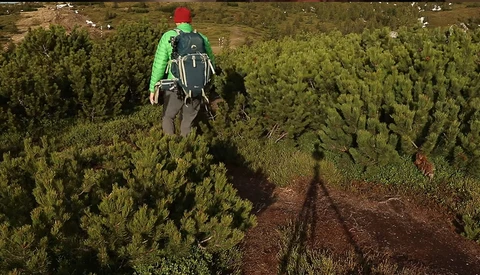
The constant chase for the next photo, location, or achievement can lead to burnout. Balancing your passion with a slower, more reflective approach not only improves your work but also makes the process far more fulfilling.
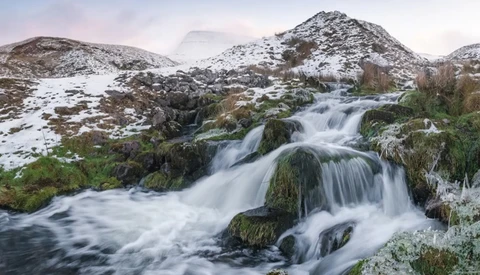
Landscape photography often requires stepping outside your comfort zone, both physically and creatively. The most striking images can demand long hikes, unpredictable weather, and a willingness to embrace the unexpected. These challenges don’t just test your endurance—they add layers of meaning to the photographs you capture.
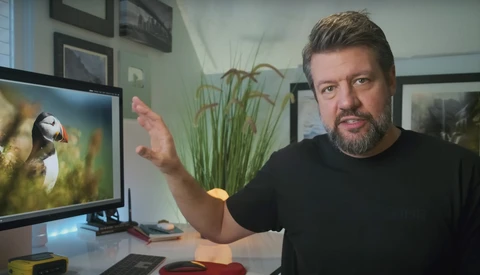
Shutter speed and aperture are two key components of the exposure triangle. Even if you are familiar with their role in proper exposure, you might struggle with when you should prioritize one over the other for the scene you are photographing. What elements should you be considering?
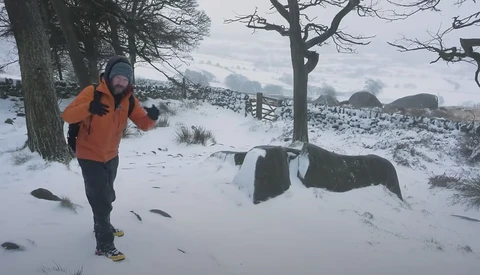
Landscape photographers put their gear through some very challenging environments, from rain to snow to freezing cold temperatures and more. Unique landscape conditions tend to happen in inclement weather, making challenging weather the time to be out. But just how tough is your camera?
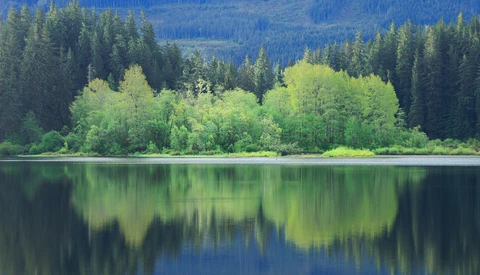
The impact of a photography workshop doesn’t end with the last official event. If you continue to engage with the lessons and inspiration you gained during your time there, you can allow them to shape your photographic journey in meaningful and lasting ways.
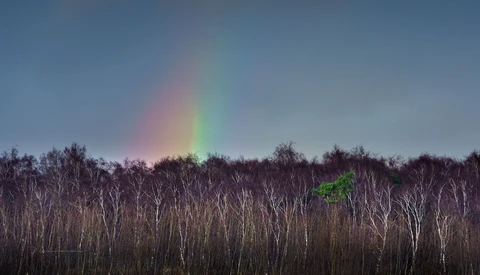
If you’re into landscape photography, shooting with a purpose can help you capture special photos. Why not set such a purpose for 2025? I suggest capturing twelve different natural phenomena. Of course, you can make a list of your own as well.
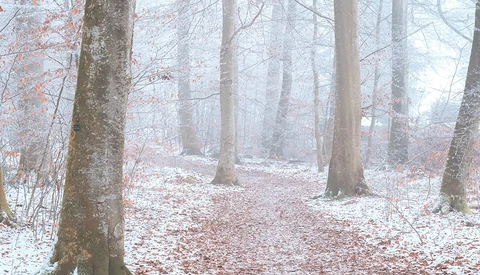
High-key photography is a powerful way to create bright, dreamy landscape images with minimal shadows and a soft, low-contrast feel. Winter is the perfect season to experiment with this style, as snowy scenes and overcast skies provide a natural foundation for high-key aesthetics.
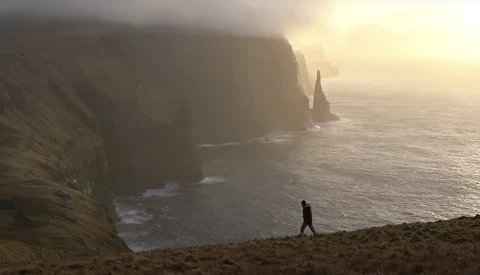
Sunrises and sunsets are cornerstone images for the landscape photographer, presenting opportunities to showcase fantastic scenes in the favorable soft light of the early morning or late evening. The following tips help guide you through successful sunrise and sunset photography from start to finish.
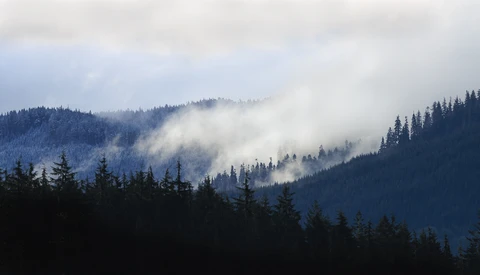
Attending a photography workshop is about more than simply showing up with your camera. It’s up to you to maximize the experience and ensure it’s valuable for you.
In the last article of this series, we explored how to prepare for a workshop. Here, we’ll look at what it’s like to be on one.
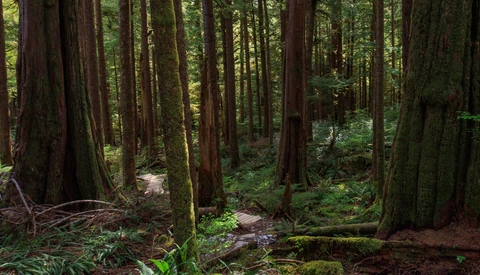
A photography workshop provides an immersive opportunity to dedicate an extended time to your photography. But before embarking on the journey, you’ll want to prepare yourself so that you make the most of the experience.
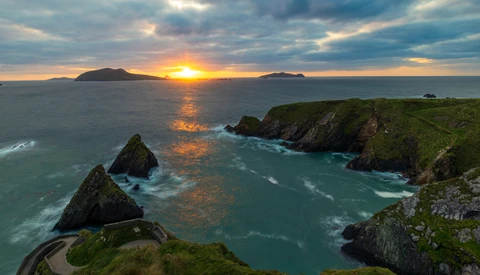
Composition is one of the most crucial elements in photography. It’s what gives your images balance, depth, and impact. Even the most stunning landscape can look flat and uninspiring without good composition. In this article, I will go into the fundamentals of composition and explore how I use different techniques to create visually captivating landscape photos.
Composition in photography can be challenging. It involves a series of rules that some say are to be followed, others say to be broken, and some say to be bent. What exactly are you looking for in a composition? How do the rules play together? Not wasting space in the frame is a great way to start.
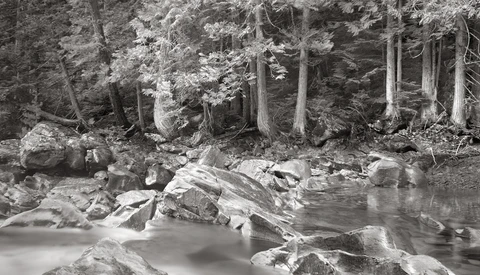
My photographs are hardly ever representative of objective reality, but they are representative of my vision, my artistic interpretation of the scene. In this article, I will talk about why I made a particular photograph, what was done in the camera, and then what I did in the darkroom to realize the finished image—or at least the image as it is right now.
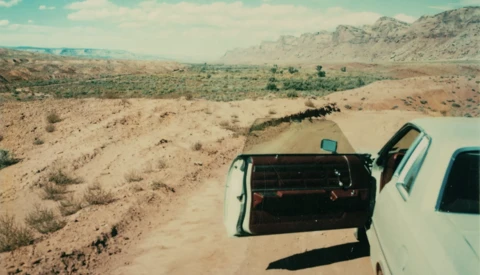
As a filmmaker, there’s no denying that Wim Wenders has a distinctive and immediately recognizable visual style. But did you know that, in the years before his film career really took off, he developed and honed a great deal of his visual creativity working in the medium of Polaroid photography?
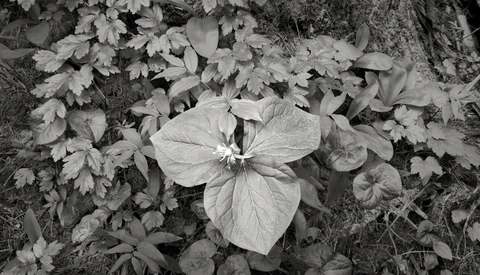
When I began photographing the landscape, the only option was using film, either black and white or color. When using black and white film, most of us used the Zone System or a derivation of it. Even those who cursed it as being too constrictive—it is not—or some kind of voodoo (again, it is not) were using this type of system in some way.
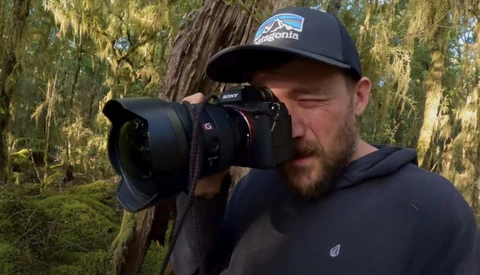
Woodland photography can be one of the more challenging environments for landscape photography. The trees and undergrowth create scenes of chaos that can be hard to organize into compelling images. Follow along as two landscape photographers wander through a rainforest, making photographs.
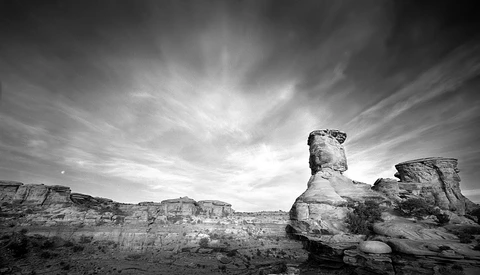
Photographing the landscape can be hard work, at times very hard work. It entails rising well before daylight in most cases and working in sometimes very harsh conditions. Most of the time, you will be out in the woods until well past dark, waiting for just the right moment, which may not come—even after your most valiant efforts.
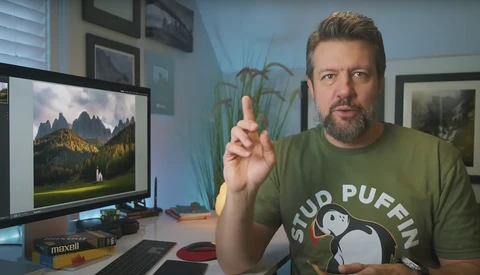
Do you find yourself getting frustrated with your photography in the field? It is easy to fall into routines and practices that could hamper your photography and stifle your creativity. Are you looking for a way to break out of that as we move into 2025? This video provides a practical tip to help!
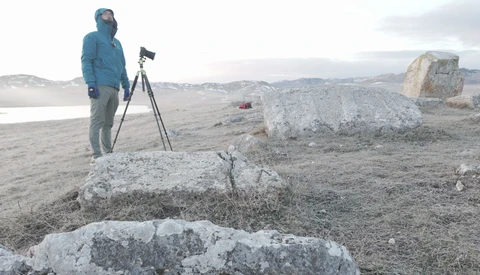
Having infinite resources for many of the locations we frequent for landscape photography is what makes it so accessible to anyone and everyone. The downside is that we tend to plan out everywhere we go, every shot we want to take, and thus we never really get a chance to develop our vision as photographers.
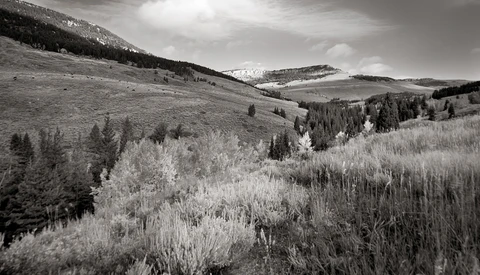
I have had the opportunity of working as an Artist in Residence for the National Park Service four times. The last residency was for Buffalo National River in Arkansas.
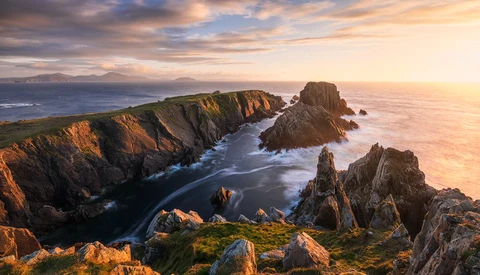
If you like seascape photography, Donegal is for you. As you'll learn in this video, it has some of the most photogenic coastlines in Europe.
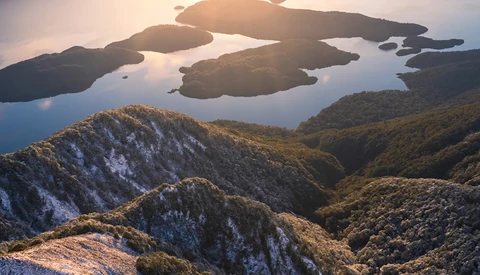
Even with the best gear, a stunning location, and perfect light, your photos can still fall flat. The key lies in composition. It’s a skill that evolves over time and one you’ll always have room to improve.
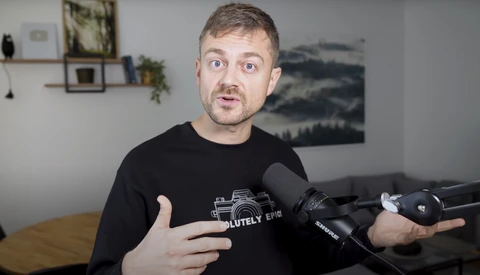
As social media platforms shift more and more toward video content and become fragmented, is interest in landscape photography declining? Using tools such as Google Trends analysis, one can see what people are searching for on the Internet and on YouTube. Is interest really declining?
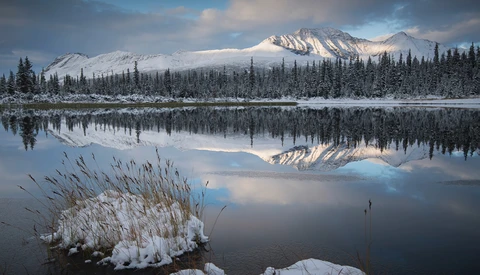
The Canadian Rockies offers a unique blend of challenges and rewards. With towering peaks, hidden lakes, and dramatic light, this region is a haven for those looking to capture untouched landscapes.

This groundbreaking solution for shooting with filters just got an update. The second-generation H&Y Revoring filter offers better controls and more functions.
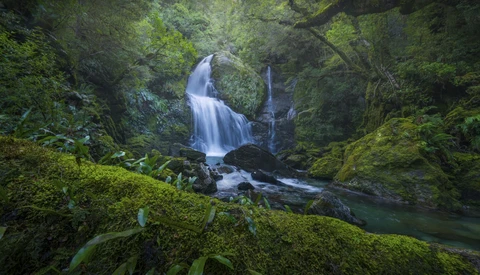
The end of a year and the beginning of a new one is the perfect time to reflect on your photography progression and think about the year ahead. What will you work on improving? How will your approach change? The five tips offered in this video will help you have a strong start.
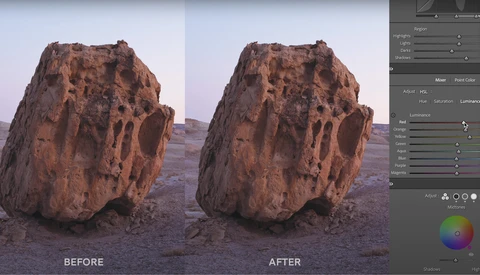
Landscape photos can be spectacular or mediocre, depending on the use of tonality in the image. If you don’t pay attention to the areas of brightness or which colors stand out, you can be at a disadvantage. Understanding luminance and the tools to adjust luminosity can help you improve your images.
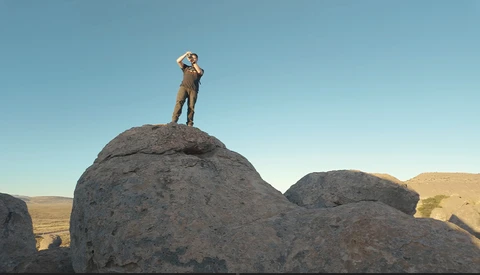
When was the last time you explored with just one lens, focusing solely on its unique perspective? Taking this approach can help you see familiar places in new ways and appreciate the versatility of your gear.
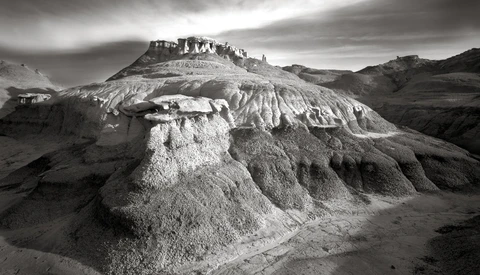
A question arises: Exactly why is it that you still use very large cameras and film when photographing the American landscape? Which is what I do.
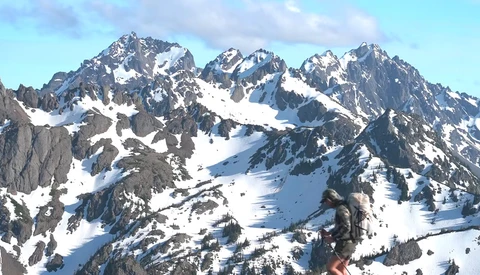
Panoramic photography is ideal for vast mountain ranges and dramatic skylines. It’s also a challenge to do well, requiring thoughtful technique, precise planning, and editing finesse.
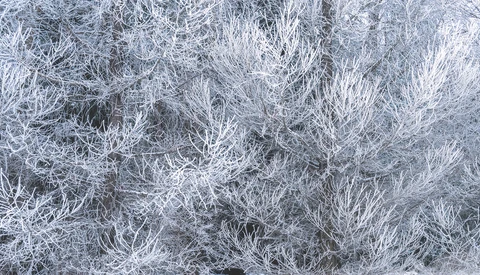
For many, the snow is starting to fly, and the temperature is dropping. That isn’t a reason to put your camera into hibernation for the winter and dust off the dust in the spring. Winter can be a great time to create a few new photographs while keeping yourself and your gear protected. Here are five tips for keeping your camera gear safe and yourself warm!
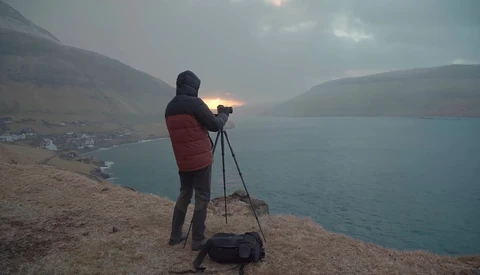
Wide angle lenses can capture expansive views, but using them effectively takes practice. Choosing the right focal length and understanding composition techniques can help you elevate your landscape shots and make the most of this versatile tool.
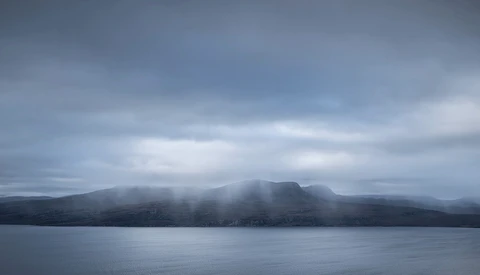
Exploring new landscapes can be thrilling and challenging, especially in unpredictable weather. Finding the right balance between the effort of getting to the location and the payoff is often the toughest part.
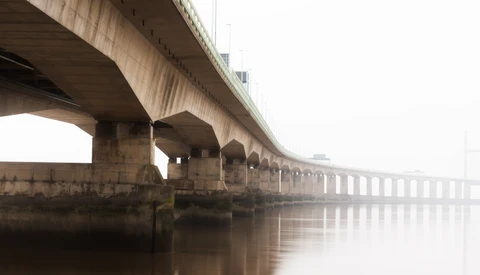
When I first discovered photography, I was immediately drawn to landscape photography. From day one, I started trawling through photography-related sites and looking at how other photographers captured the world. However, I discovered panoramic landscapes when my photography college lecturer brought a Fujifilm GX617 to class one day. When I saw what it could produce, I was hooked.
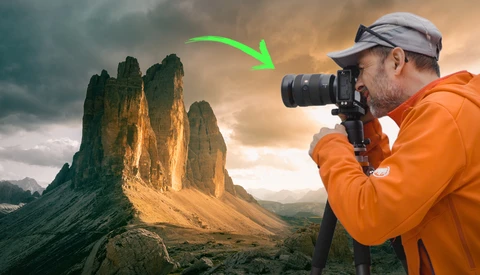
We’ve all been there: a stunning landscape, but the weather forecast was wrong again. Traditional weather forecasts are simply not designed for photographers. But there is a new tool that changes the game.
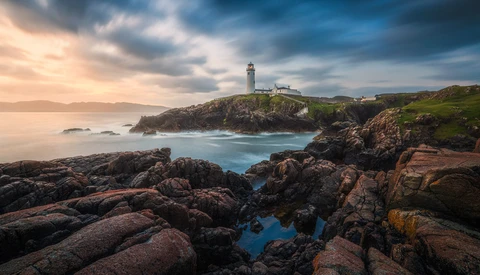
In this article, I share one of the most important things you can do to take better landscape and cityscape photos.
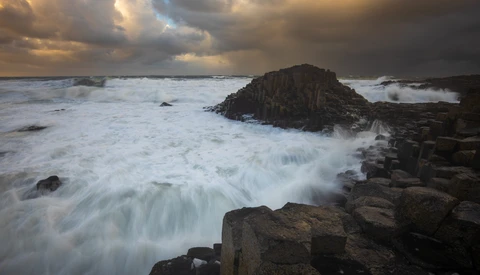
Seascape photography offers a unique blend of challenges and opportunities, with the ocean providing dynamic, challenging, and ever-changing scenes. Over the years, I have learned and practiced how different shutter speeds can dramatically alter the mood and feel of your images. Here’s what I’ve learned and some actionable tips to elevate your seascape photography.
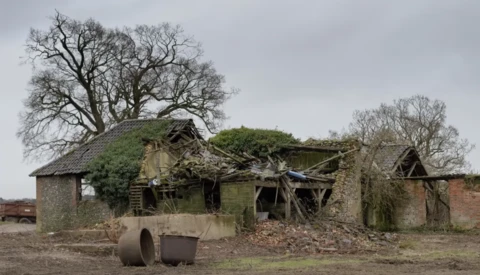
Bright sunshine can be a gift to the photographer, creating deep shadows and contrast that accentuate shapes and forms and lend your images a vivid intensity. But the flat, gray light of an overcast day has its own special ambiance and mood that can be a better fit for more contemplative scenes.