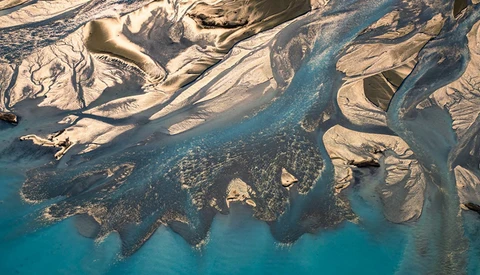
The Overlooked Key to Great Landscape Photos
Landscape photography often gets caught up in gear, settings, and technical tips, but there's a deeper aspect that can easily be overlooked.
Landscape photography often gets caught up in gear, settings, and technical tips, but there's a deeper aspect that can easily be overlooked.
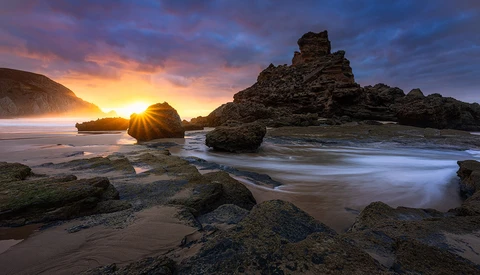
In this article, we'll explore the ingredients for a great photo and find out which are the most important.
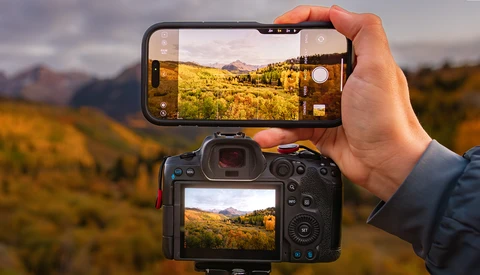
Every year, I compare the new iPhone to my professional camera, the Canon R5. Last year's iPhone 15 Pro had lackluster results, but I can confidently say this year's iPhone 16 Pro has much more to talk about, including a "secret" update that completely blew me away.
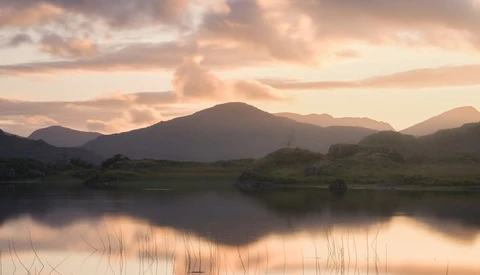
Photographing landscapes is about more than just pretty scenery. It’s about catching the right moment, when light, composition, and subject come together. The unpredictable beauty of Ireland’s diverse terrain offers a perfect canvas to experiment and refine your skills.
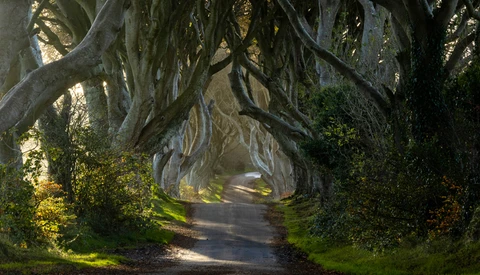
One of the most challenging yet rewarding aspects of landscape photography is finding the perfect location. The right location can elevate your photo from ordinary to extraordinary. However, choosing where to shoot can be a time-consuming process, filled with challenges such as overcrowded tourist spots, difficult terrain, or simply not knowing where to go.
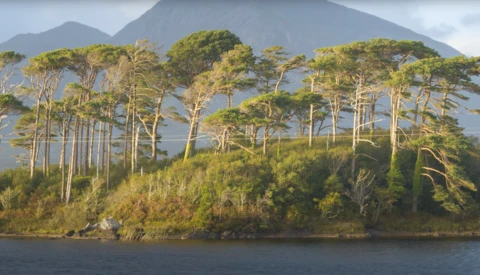
You crest the brow of a hill to behold a magnificent landscape, but as you’re framing it in your camera’s viewfinder, you realize that this stunning scene is intersected by ugly power lines. Is editing them out later in Photoshop an option you would consider, or one that feels somehow dishonest?
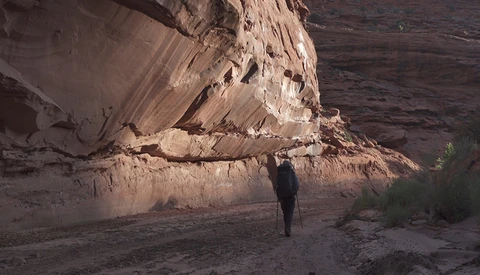
In photography, patience is often the difference between capturing a rushed shot and creating something truly meaningful. This is especially true for landscape photography, where the conditions—light, weather, and atmosphere—change by the minute. Waiting for just the right moment might seem difficult, but it can actually make the process more enjoyable and less stressful.
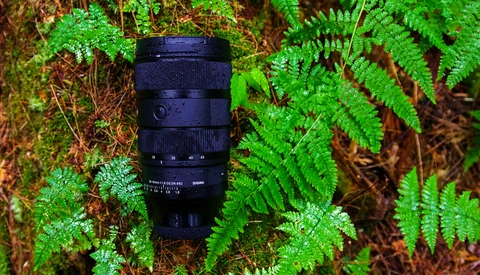
Firsts are always an exciting thing. Now, world’s first? That's another category in and of itself. At Fstoppers, we had the pleasure of testing Sigma's brand new 28-45mm f/1.8 DG DN Art lens for Sony E mount. A behemoth of specs in a tiny package.
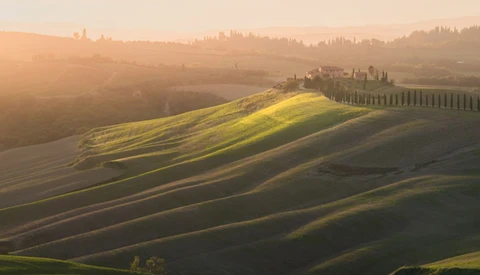
Choosing between zoom and prime lenses can significantly impact how you shoot landscapes. Each type offers unique advantages, but which one fits your needs better depends on what you prioritize—whether it’s convenience, sharpness, or control over your composition.
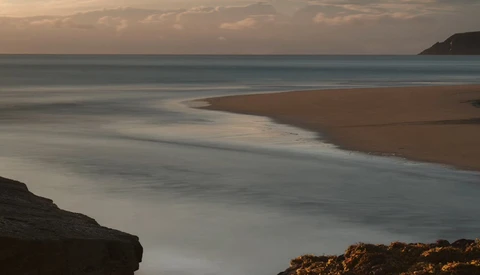
Understanding composition means balancing technical decisions with artistic expression, which gives your images both precision and soul. It’s not just about what you put into the frame but how you arrange those elements to create movement, balance, and engagement.
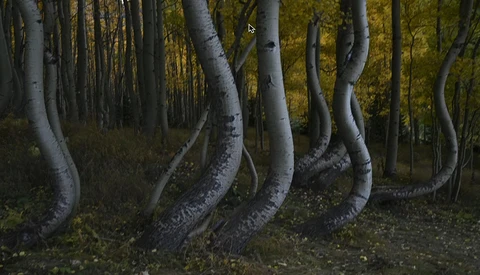
Managing your photos while traveling can be a challenge, especially when you’re dealing with large batches of images from a single shoot. Whether you’re on a multi-day excursion or just out for a quick day trip, having a solid backup and organization plan is key.
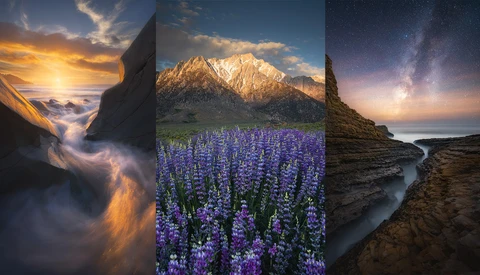
A common misconception in landscape photography is that using the lowest ISO setting always results in the highest quality images. I frequently encounter this question and concern in my YouTube comments. Therefore, I thought it would be the perfect opportunity to share a video and article discussing the importance of ISO.
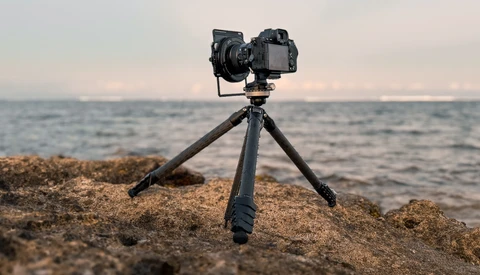
The perfect travel tripod does not exist because photographers have different ways of shooting when we travel. However, this versatile option from Leofoto might be the one that comes closest.
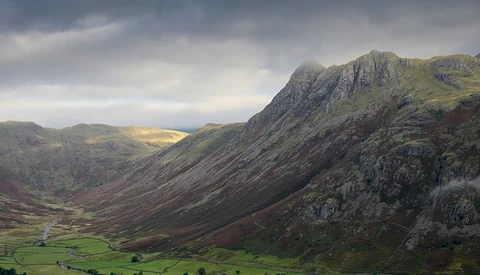
Capturing new landscapes means more than just visiting popular spots. It’s about pushing yourself to explore overlooked areas and finding beauty in unexpected places.
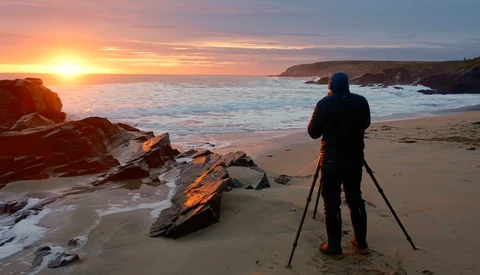
Shooting landscapes, especially at sunrise, is a unique experience that goes beyond simply capturing the light. Being fully present in the moment and letting go of expectations is key to creating expressive and meaningful images.
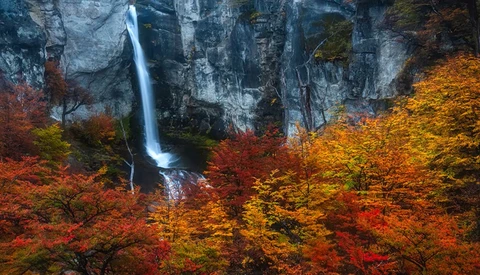
Capturing the essence of a landscape often hinges on timing and conditions. Understanding how to navigate unpredictable weather can make or break your results.
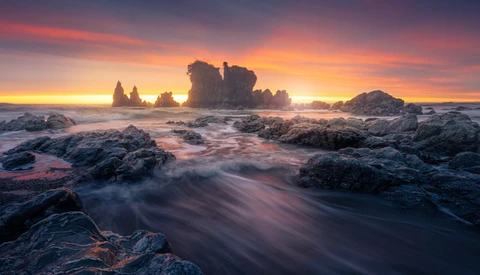
Using an ultra wide angle lens allows you to capture expansive scenes and add depth to your images, making it a valuable tool for any landscape photographer.
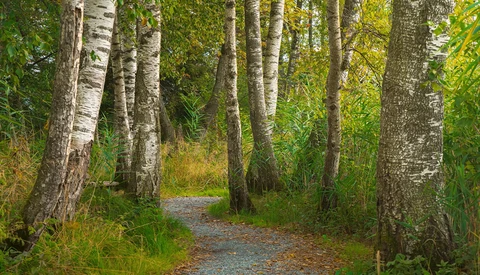
With fall just around the corner, you might be wondering how to make the most of the changing foliage in your photography. One way is through some simple adjustments in Adobe Lightroom that can enhance the natural colors and give your images that warm autumn feel.
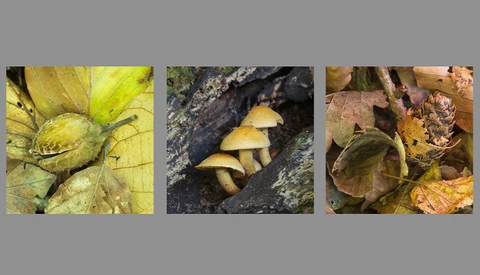
Intimate landscape photography captures the subtle, often overlooked details in nature. This approach offers a new way to explore and appreciate the beauty of small-scale compositions. By isolating textures, colors, and patterns, it enables you to find compelling visuals even in familiar or seemingly unremarkable locations.
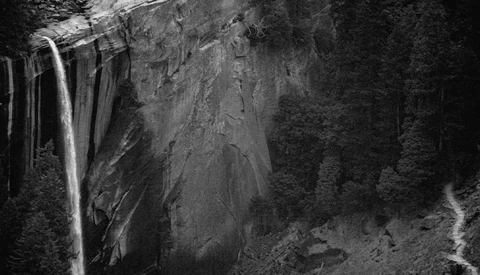
Capturing the perfect moment often means waiting in less-than-ideal conditions and hoping for the light to turn. That’s exactly what happened during this trip to Yosemite National Park. In search of moody, winter-like weather, it became a waiting game against sunny skies and limited time.
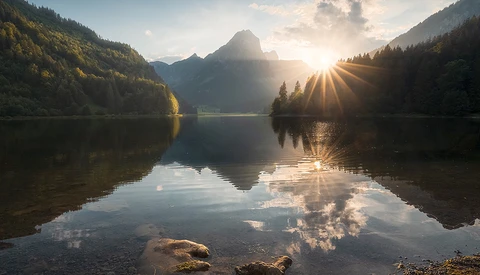
When shooting in harsh lighting conditions, it’s common to encounter issues like lens flares or blown-out highlights. This is particularly relevant if you're trying to capture outdoor scenes with direct sunlight in your frame. In such situations, managing the light effectively can make a huge difference in the quality of your final image.
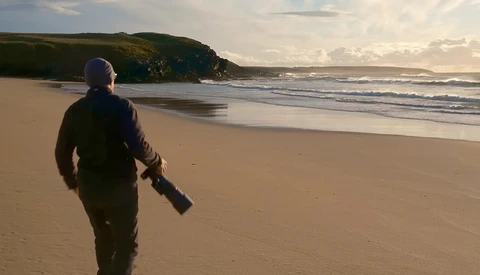
Every photographer has faced it—that sinking feeling of disappointment when things just don’t go as planned. Maybe it’s a matter of expectations, or perhaps a missed opportunity. But these moments are part of the process. Understanding how to handle these frustrations is crucial for anyone serious about photography.
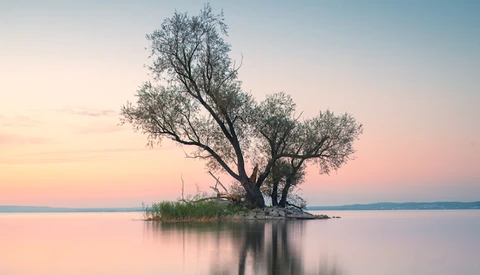
Color grading can take your landscape images from good to great. This video tutorial walks through how to use Photoshop's Color Balance feature to enhance highlights, midtones, and shadows, creating depth and contrast in a natural and subtle way.
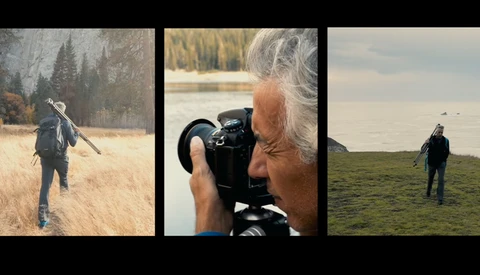
Connecting with nature can have a profound impact on your well-being. Whether you’re standing in front of a tranquil lake or hiking through a dense forest, these moments provide a sense of calm that can’t be replicated elsewhere. While many people see landscape photography as a way to capture beautiful scenes, it’s also a way to experience the healing power of nature firsthand.
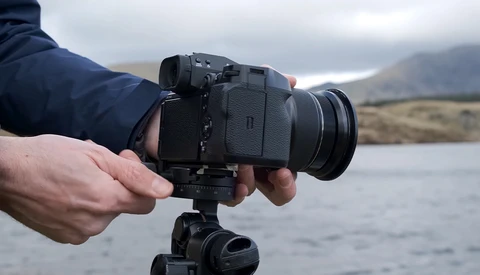
Improving your landscape photography isn’t just about finding a stunning scene—it’s about how you approach that scene with your camera. Whether you’re a beginner or someone looking to refine your skills, these three essential tips will elevate your work.
5DayDeal is back with a photography bundle that's better than ever. This year, Fstoppers is including our tutorial with Elia Locardi, "Photographing the World 2." The full bundle only costs $166 and is 95% off the total value of the bundle.
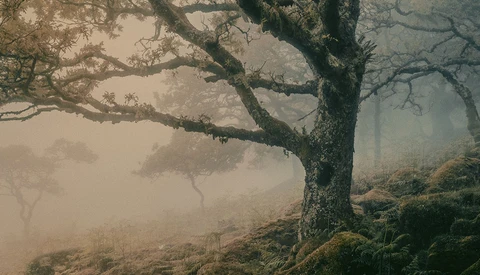
Why do artistic creative types love melancholy so much?
I’ve been asking myself this recently.
Maybe it’s because I’ve spent my entire career seeking out bright, colorful, cheery photos for brands and tourism organizations, and in contrast to this, drab, dull, depressing images are quite appealing to my artistic side and rebellious nature.
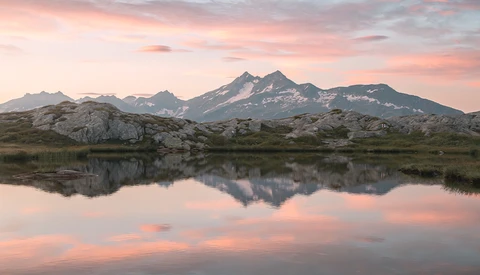
Pastel color grading is a subtle yet powerful way to make your photos stand out, and you can achieve it easily with some simple tweaks in Lightroom. If you’ve ever wanted to experiment with color grading but felt overwhelmed, this method offers an approachable way to elevate your work.
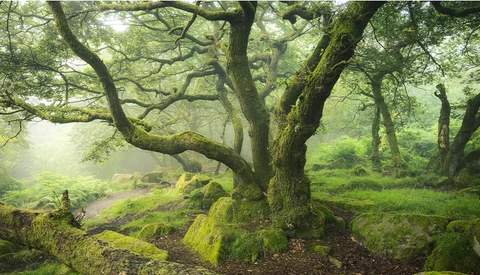
If you want your photos to have that painterly, moody feel, editing is key. It’s possible to achieve stunning results with just a few thoughtful adjustments, even when nature doesn’t provide ideal conditions.
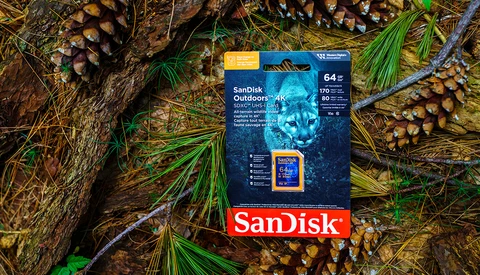
My favorite part about writing for Fstoppers is the chance to try out new and interesting camera gear. Recently, I got the opportunity to try the latest SD cards from SanDisk, the Outdoors series cards. Available in both SD and Micro SD, these are some of the latest tech for strong, durable memory cards. Let’s see how they performed in the field.
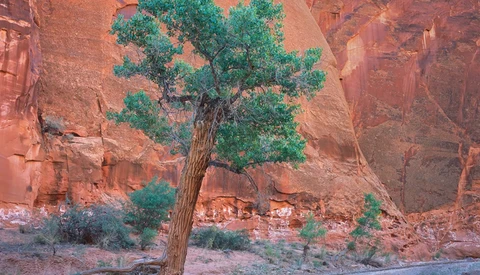
Visual tension is an often overlooked aspect of composition, but it's one you should be paying attention to. It’s about the spatial relationship between objects within a frame and how those objects relate to the edges of the frame.
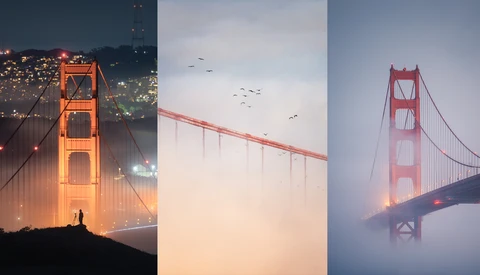
As a long-time resident of the Bay Area, I’ve had the privilege of photographing the Golden Gate Bridge for over ten years. Whether it’s capturing the low fog rolling in or watching the golden light of sunrise and sunset cast its warm glow over the bridge, this landmark never ceases to amaze me.
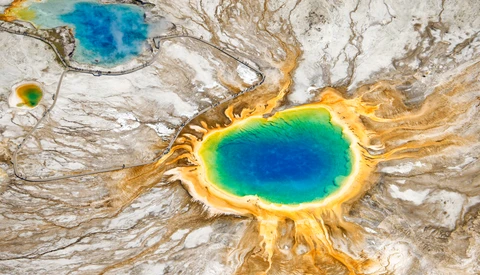
For nearly 30 years, Canon U.S. has partnered with Yellowstone Forever, and I recently received a beautiful photography book based on Yellowstone National Park and Canon's short film "Seismic." In this article, I interview two of the amazing creators behind this project.
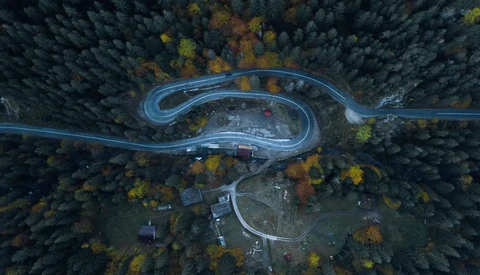
Autumn is a spectacular time for landscape photography. The colors are vivid, the atmosphere is dynamic, and the changing light brings countless opportunities for creative expression.
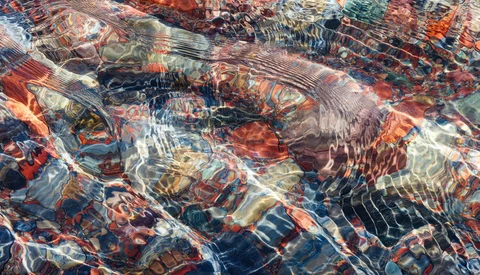
Back for its fourth year, the Natural Landscape Photography Awards has announced the 2024 winners. The competition sets itself apart with an emphasis on its golden rule, “the integrity of the subject should be maintained,” setting the standard for landscape photographers with similar approaches to their photography.
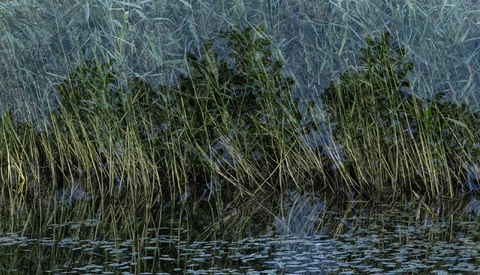
Capturing the beauty of a woodland setting presents a mix of challenges and opportunities. With the dynamic play of light and shadows, it's easy to get overwhelmed by nature’s complexity.
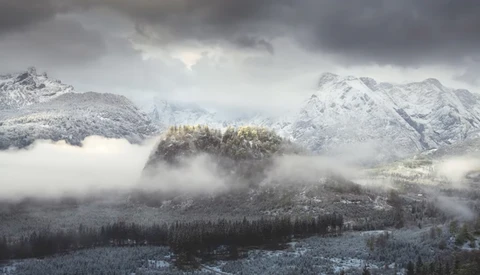
Capturing stunning photos isn’t reserved for world-class professionals. You can take breathtaking shots by focusing on a few key elements, regardless of your skill level or equipment.
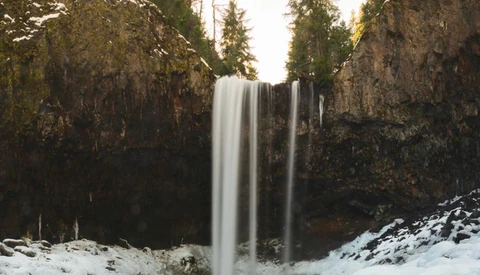
Are you making the most of your landscape shots? Sometimes, even with the best gear, we don’t always capture the scene as well as we could.
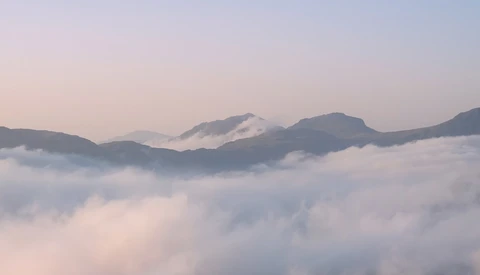
The unpredictability of weather is something you’re bound to face if you spend time doing landscape photography. Sometimes it works in your favor; other times, it’s a frustrating barrier to getting the shot you envisioned.
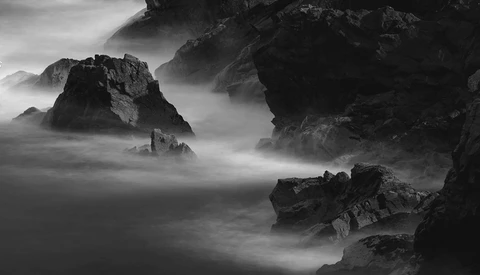
Simplicity in landscape photography is not as easy as it sounds. The natural world is filled with complexity, and it’s easy to get overwhelmed by all the visual elements. However, simplifying a scene can help create more powerful, evocative images, making it easier for viewers to connect with your work.
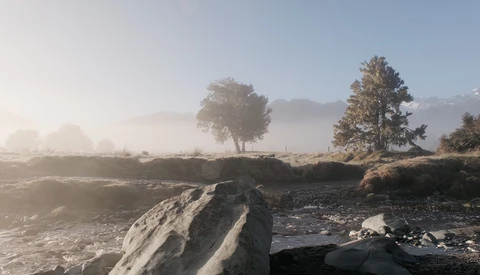
When you’re working on improving your landscape photography, you’re trying to capture more than just a scene—you’re telling a story. From the foreground to the background, everything in the frame plays a role.
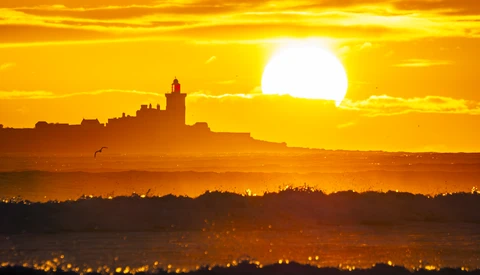
Landscapes are often the gateway drug into other genres. Be careful; it can be addictive and lead you to harder photography. Here’s how to get high from what might seem a benign habit.
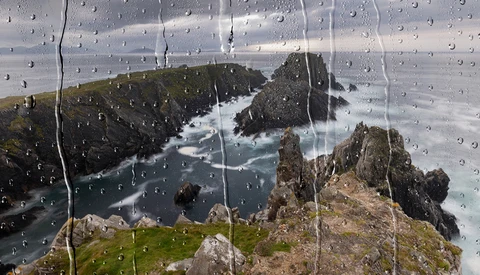
As a landscape photographer, I've come to realize that one of the most important factors that can make or break a shoot is the weather. Landscapes themselves might not change, but the way they appear through the lens can vary dramatically depending on the weather. Understanding how to predict and interpret weather conditions is something I now consider crucial for capturing standout images.
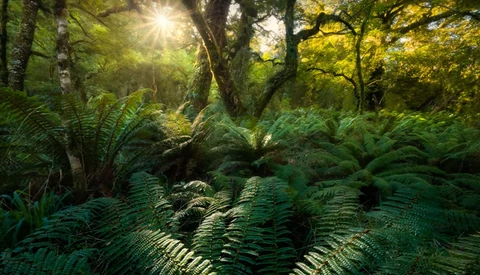
Many photographers find editing frustrating, especially if they’re more focused on capturing the shot than on enhancing it later. However, mastering a solid editing workflow can drastically elevate the quality of your work, giving your photos the polish they need to stand out.
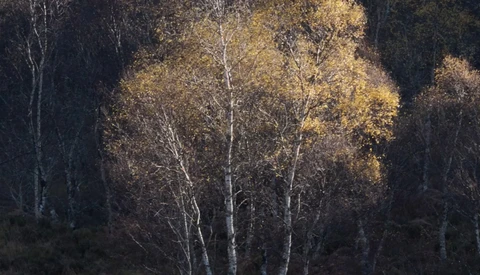
Color processing can be a tricky subject, especially when you want to make sure your landscape photos look natural but still stand out. Whether it’s light, contrast, or the subject itself, each plays a big role in how colors are rendered in your final image.
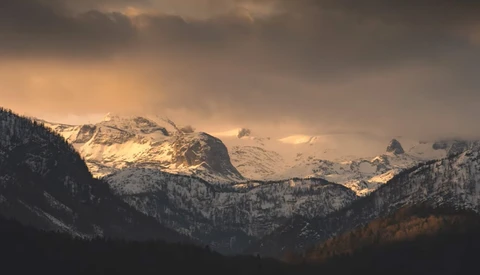
Instagram might have sparked your interest in photography, but it could be leading you in the wrong direction. While it’s easy to be drawn in by the idea of getting more followers and likes, this focus on social media can hurt your progress as a photographer.
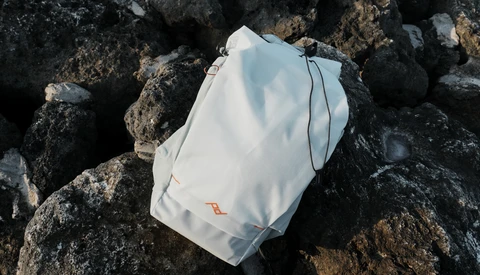
One question we’ve always had about Peak Design is why they didn’t have any bags designed for hiking and outdoor adventures. That all changes today.
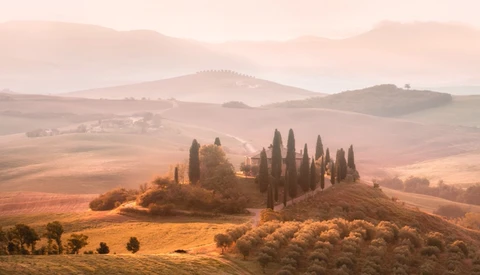
Harsh light can ruin a landscape photo. It’s something you’ve probably faced when trying to capture the perfect scene, only to find that the sun has risen too high, casting harsh shadows and blowing out highlights. Knowing how to deal with this situation is crucial if you want to keep your photos looking their best, even when the lighting isn’t ideal.
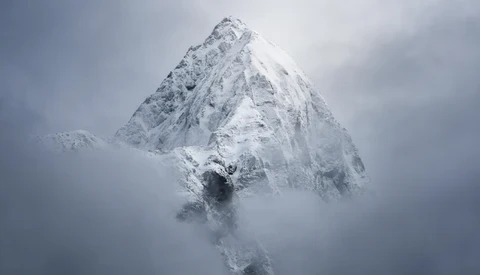
Improving your photography often requires a closer look at the fundamentals. When your images aren’t turning out as you hoped, it’s usually because one or more key elements are out of balance.
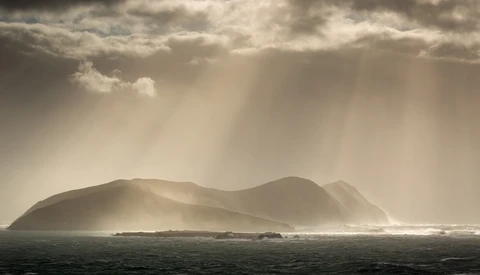
Light is the cornerstone of photography. Without it, there are no images, and in landscape photography, the light's quality, direction, and intensity can make or break a shot. As a landscape photographer, understanding how light works is key to capturing the beauty and drama of nature.