Landscape Photography

Landscape photography rewards patience, planning, and a willingness to be in the right place at the right time — which is harder than it sounds. This section covers the full landscape photography workflow: scouting locations, reading light, choosing the right filters and focal lengths, managing long exposures, and processing raw files to reflect what you actually saw and felt when you pressed the shutter.

A Simple Habit That Fixes Your Landscape Photos Faster Than New Gear

A lot of your best landscape work depends less on dramatic light and more on whether you show up when the weather looks boring. This video is about building that habit, then using simple choices to turn gray conditions into frames you actually want to keep. 
Lightroom Masking Tricks to Create Cinematic Landscape Light

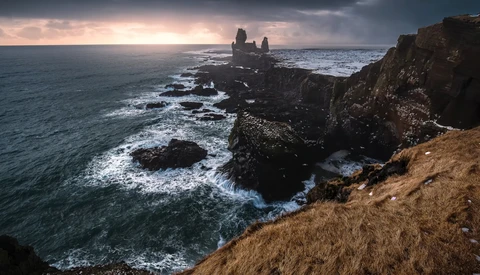
Turning a flat landscape raw file into something moody and dramatic is often the difference between an image you forget and one you remember. When you see how far a single frame can go in Lightroom with careful cleanup, masking, and color work, you start to rethink what is actually possible in post. 
A Natural Lightroom Workflow For Landscape Photos

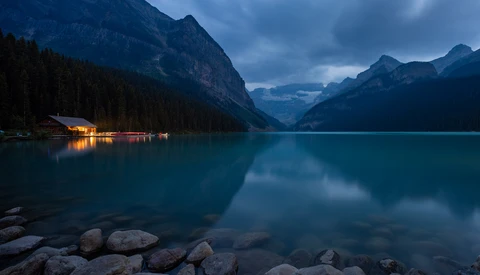
Editing a raw landscape file in Lightroom often decides whether an image feels lifeless or close to what you saw on the trail. This video walks through a complete landscape workflow that keeps the edit grounded in reality instead of turning everything into neon drama. 

Stop Crowding Your Landscapes: The Power of Negative Space

You are taught early to fill the frame, pack every corner with mountains, clouds, and texture until nothing feels empty. The video above argues that if you never leave room around your subject, your landscapes can start to feel crowded, noisy and harder for viewers to read at a glance. 

Don’t Buy a New Camera, Buy This Instead

The times when you had to buy a new camera to take your photography to the next level are long gone. Cameras haven't been a limiting factor for most genres of photography for many years now. Other types of equipment are much more critical. 

4 Tripods That Give You the Best Bang for Your Buck

Choosing a tripod can be agonizing. The good news? You don’t need to empty your wallet to get one. As a night photographer, I'll reveal four great tripods for photography that nail the sweet spot for stability, functionality, weight—and yes, price. After all, if a tripod can survive a night photographer’s abuse, it’ll be more than good enough for you. 

Hard Truths Landscape Shooters Learn Too Late

Landscape photography punishes lazy habits and vague plans. If you want images that stand out among other photographers instead of blending into the scroll, you have to confront some blunt lessons about light, gear, and how much effort you are actually putting in. 

Why Your First Waterfall Composition Is Usually Wrong

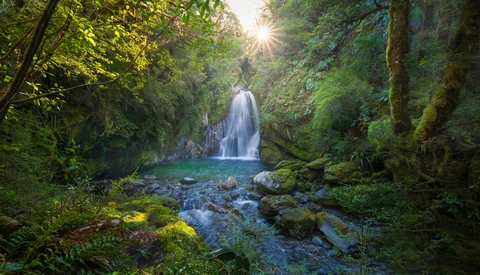
Shooting waterfalls in dramatic conditions forces you to think beyond the postcard shot and make deliberate decisions about space, timing, and tension in the frame. You see quickly that composition, focal length choices, and the weather you usually curse are what separate generic images from work that actually holds attention. 

f/2.8 vs f/4: Can You Actually See the Difference?

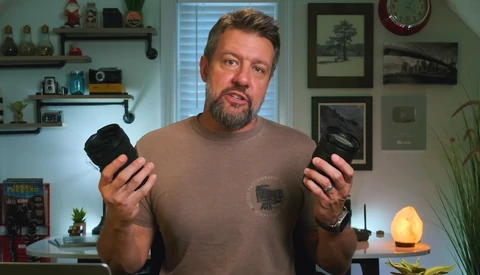
f/2.8 vs f/4: Is the difference worth the upgrade? Let’s see how Mark Denney thoroughly investigates a long-standing debate among photographers: whether the premium price of a fast f/2.8 lens is truly justified over a more affordable f/4 lens, especially for landscape photography where apertures are typically closed down. 

Stop Using a Wide Angle Lens for Landscape Photography

You may be reaching for the wrong glass to capture those stunning landscapes, trading intentional composition for uninspired vastness. Let's discuss why swapping out your go-to wide angle lens for a telephoto or mid-range lens could be the secret to creating truly compelling, focused photography. 

How Bad Weather Made My Best Landscape Photos Possible

In my new YouTube video, Shooting Epic Landscapes in Terrible Weather, I take you behind the scenes of one of the most intense stages of my award-winning project ENLIGHTEN. The episode is about a lesson I learned the hard way: how to work with difficult weather and why those conditions often lead to the most powerful images. Here’s the full story behind that shoot. 

5 Essential Tips to Improve Your Autumn Landscape Photos

Every year, photographers start flocking to forests, woodlands, and landscapes known for their beauty at the start of fall. The almost luminous greens of summer begin to fade into brilliant orange, red, and yellow as the air turns colder. Autumn is that short-lived season that tests the patience and timing of every photographer.

Stop Checking Forecasts: This AI Predicts Your Perfect Seascape

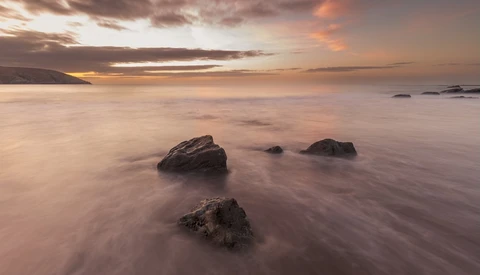
Every seascape photographer knows the frustration: a stunning location, epic waves, and a sky on fire—but the tide is all wrong. Forget endlessly checking charts. What if you simply received an alert at the exact moment when light, water, and tide align for your masterpiece?

Canon’s Hidden Gem: The 135mm f/2 and Why You Should Own It

Modern mirrorless lenses are beautifully crafted technological masterpieces. Yet, these lenses come at an expense. What if investing in older technology provides a comparable, if not more pleasing, result at a fraction of the price of its modern-day equivalent? 

Concrete Steps to More Effective Landscape Photographs

Photographing the landscape can be hard work—at times, very hard work. It entails rising well before daylight, in most cases, and working in sometimes very harsh conditions. Most of the time, you will be out in the woods until well past dark, waiting for just the right moment, which may not come—even after your most valiant efforts.

How To Use Shadows for Better Photography: A Guide

Let’s talk about shooting from the shadow side, where light rakes across your subject at an angle, transforming ordinary photos into cinematic images by adding dramatic contrast and dimensional depth. 

The Secret to Photographing Fungi: It’s All About Focus

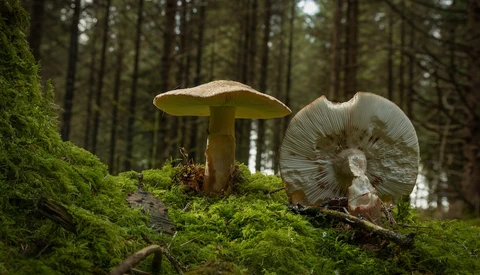
Every year when autumn arrives and the woodlands start to transform, I find myself turning my attention away from the sweeping landscapes and down to the forest floor. The change feels fitting — literally and figuratively — because photographing fungi is all about paying attention to the smallest details. It’s a slower, more deliberate process, where every small adjustment matters. 

How Light, Weather, and Patience Create the Perfect Autumn Shot

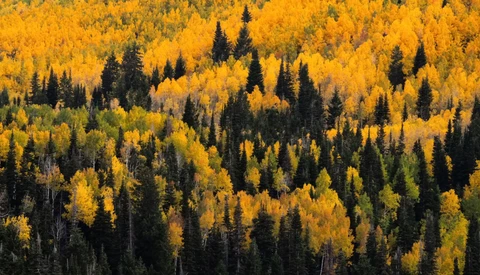
Autumn in the Utah mountains transforms the landscape into a mosaic of color, and few capture that transformation like Michael Shainblum. In his latest video, he explores how to find order in chaos, turning the overwhelming range of fall tones into cohesive, striking compositions. The focus isn’t on grand vistas but on patterns, textures, and subtle interplay between color and light. 

How To Prevent Bright Pixels: The Metering Technique Most Photographers Miss

Let’s discuss the importance of capturing well-exposed images in camera to prevent difficulties during post-processing. This can be achieved using various metering modes available on cameras and understanding their impact on exposure settings; however, there is one specific metering mode that can be particularly effective in avoiding bright pixels in your images. 

The Secret to Choosing the Right Lens for Landscape Photography

Landscape photography often brings a big questions: what focal length to use. This choice shapes how a scene feels: its depth, focus, and emotion. Picking the right lens isn’t about numbers on a barrel. It’s about how you want the viewer to see. 

The One Tool You’re Not Using Properly in Landscape Photography

Understanding the histogram is essential for any landscape photographer who wants to master exposure and achieve their creative vision. The histogram provides a visual representation of the tonal range in your image, allowing you to make informed decisions in-camera and during post-processing. 

Three Ways to Transform Your Black and White Cityscapes

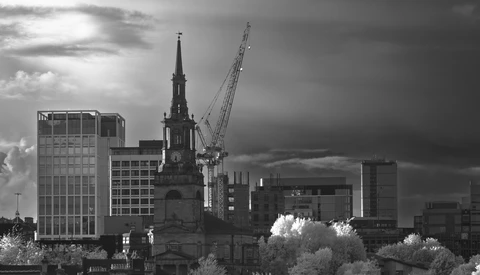
Cityscapes in black and white can give you a completely different way of looking at familiar places. Stripping away color emphasizes structure, light, and movement, and it pushes you to think about form instead of surface details. Black and white also makes you notice what’s often overlooked in a busy city frame. 

An American Is Named Astrophotographer of the Year With a Breathtaking Image

Astrophotography is growing rapidly in popularity. Better and more reasonably priced equipment, computer control, and a heightened interest in what is in the night sky have all combined to expand the number of photographers who do night sky imaging. Some create landscapes, better termed “nightscapes,” while others focus on capturing planets, nebulae, and galaxies. 

Fix Harsh Exposure Imbalances in Lightroom With Simple Masks

A dark subject against a bright sky creates a common problem. The scene loses depth, and important details disappear. Fixing this issue is about more than pulling up shadows; it’s about maintaining the natural look of both highlights and dark areas without sacrificing one for the other. 

The Smartest $30 You'll Spend for Your Camera Bag or Case

We have all been there. It is pre-dawn at a landscape you’ve been waiting for weeks to shoot, or you’re packing up after a wedding reception has ended. You need to find that memory card you just dropped, but your phone flashlight just isn’t cutting it. While a phone flashlight is certainly convenient, it is rarely the right tool for the job. 

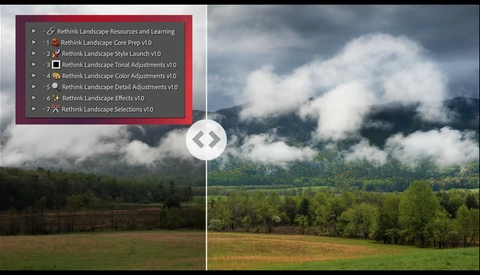
Why the Rethink Landscape Toolkit Is Staying in My Lightroom Workflow

The Rethink Landscape Toolkit for Adobe Lightroom and Adobe Camera Raw aims to transform the landscape photographer’s editing process and introduce a consistent workflow and an array of flexible tools to improve your photo editing. What is in the toolkit, and does it really help with the editing process? 

How Balance Creates Stronger Landscape Photo Compositions

Light doesn’t just make an image; it shapes it. Shade and balance can be the difference between a flat photo and one that feels alive. When you think about your next outing, consider how you’re letting the environment work for you, not just what your camera can record. 

The Ripple Effect of Free Knowledge in Landscape Photography

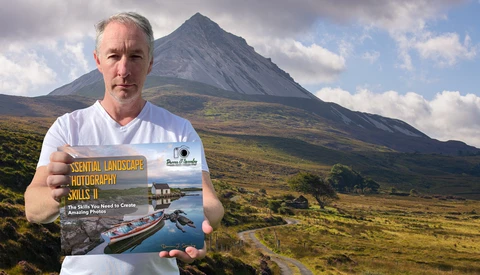
In landscape photography, knowledge is often treated like a guarded secret, but I’ve always believed it should be shared freely. With Essential Landscape Photography Skills Volume 2, I wanted to continue what I started with Volume 1—making valuable lessons accessible to everyone at no cost.

The Secrets to Stunning Wide Angle Landscape Photos

Wide angle lenses can make the biggest landscapes look small and dull. You’ve seen it yourself: mountains that felt huge when you were standing there shrink to a disappointing background when viewed on your screen. That gap between how it looks in person and how it looks in the photo is the problem this video tackles. 

Six Must-Have Apps for Night (and Day) Photography

If you want to find out about six essential apps for night (and day) photography, you've come to the right place. Whether you have iOS or Android, these apps will greatly enhance your photography. The sixth one is surely one that doesn't make it on many photography app lists! 

Clear Outside

Free: Android or iOS