Photography Law & Legal

Photography has a legal dimension that most photographers encounter sooner or later — usually at the worst possible time. This section covers the practical legal issues that affect working photographers: copyright registration and enforcement, model and property releases, contract essentials, licensing terms, and what to do when someone uses your work without permission. Not legal advice, but the informed foundation every photographer should have.

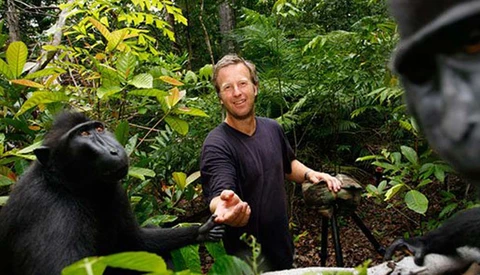
Man Steals Image, Gets Sued, Calls Photographer 'Malicious'

You may or may not know that I occasionally write satirical articles for Fstoppers. This is not one of those articles. An Internet "entrepreneur" was sued for using a copyrighted image, and he now claims the photographer who sued him was "malicious" for doing so.

The Google Pixel 2 Won't Get Unlimited Storage Forever

This week an eagle-eyed Reddit user discovered that Google has set a date in which it won't offer unlimited, lossless storage for Pixel 2 users. Just how much can we expect from them, and what's fair?

Statue of Liberty Drone Ban to Go Into Effect in Six Days

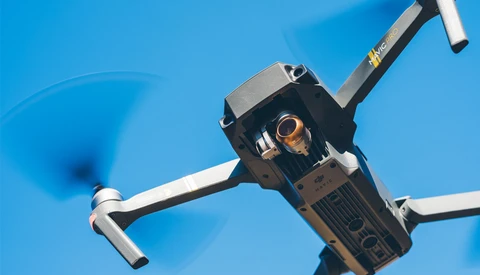
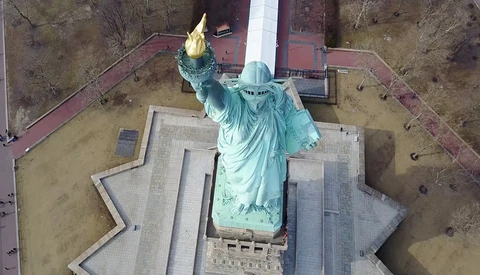
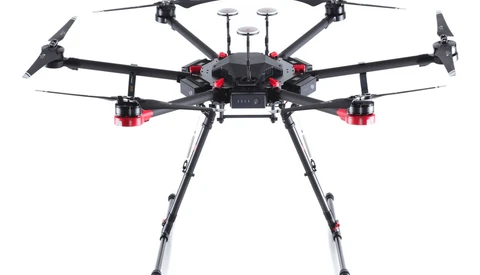
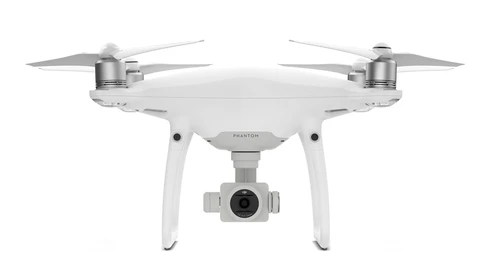
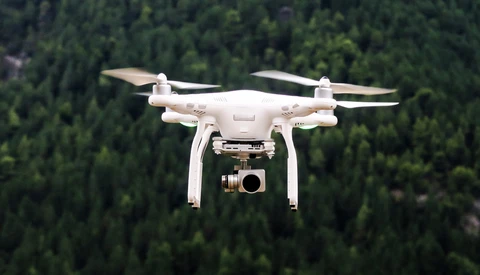
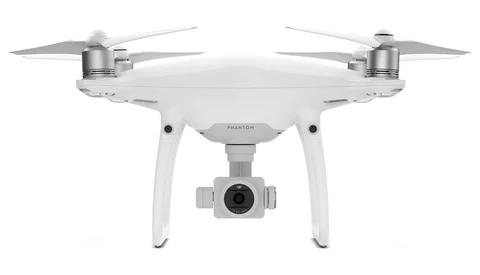
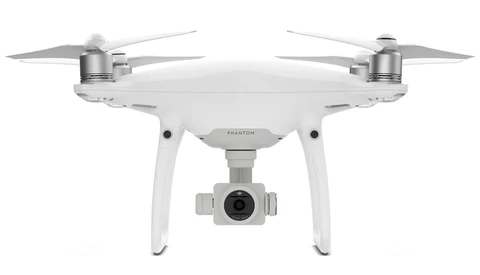
This one is for all you drone enthusiasts out there: you only have six days left to make that epic, viral video of the Statue of Liberty. New drone restrictions for the Statue of Liberty and other U.S. national landmarks go into effect October 5.  
Drone Pilot Wins Potentially Landmark Lawsuit

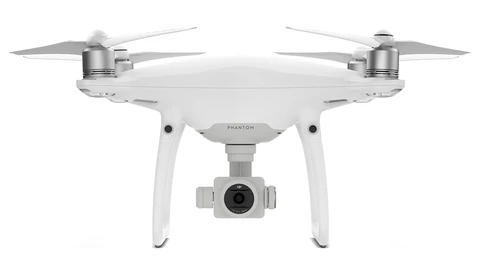
In what could be a seminal case for drone operators in the United States, a Massachusetts man has won a lawsuit that challenged the legality of a local ordinance that restricted the usage of drones and required a registration fee, both beyond the level already set forth by the FAA.

Photographer Contract Woes: Are You Protected?

Let’s face it, in today’s world it is always better to be safe than sorry, especially for artists with demanding clients. I’m a huge believer in utilizing contracts to keep everyone on the same page, but contracts can be difficult when they are severely limiting.

Making Sure Your Photography Business Is Secure During Storms

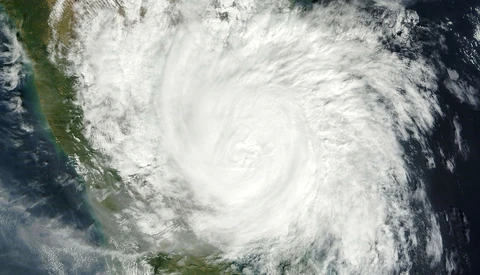
Securing your cameras and laptops for your business during storms is just the start of the preparations that need to be considered before a storm hits. Safe guarding the essentials is not the only issue when storms arise but also the thought of how can you keep your business running if you are not able to work?

Apple May Be Making Moves to Make Phones Harder for Police to Get Into

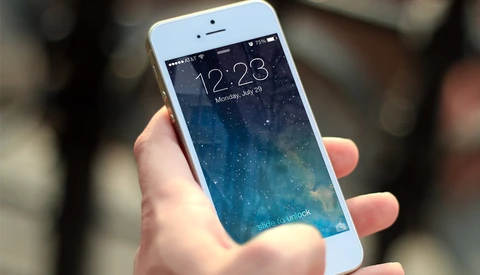
As smartphones continue to become more ubiquitous and increasingly important repositories of anything from vital information to sensitive photos, the legal standing of police accessing the contents of a phone is becoming a more pivotal issue, one which Apple seems to be addressing.

Binded: A Quick and Easy Way to Copyright Your Images

As a photographer, understanding the need and the process for copyrighting images can be overwhelming. Binded, the online company formerly known as Blockai, just released a tool that greatly simplifies the photography copyright process for no additional fee.

City of Los Angeles Bans Photography at Public Park, Violates Constitution

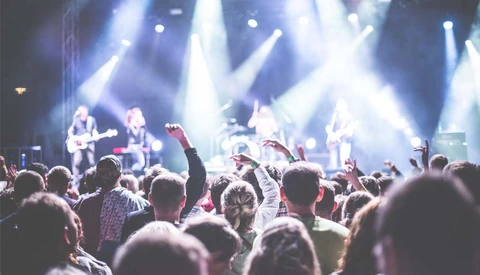
Citing a contractual agreement with a band multiple bands at a free concert series, Los Angeles recently banned photography at any of the upcoming concerts scheduled to be held at a public park. The order violates the Constitution, which protects any United States citizen's freedom of expression in the First Amendment.

The United States Military Can Now Shoot Down Your Drone

If you fly your drone near United States military areas, you'll want to be even more careful than before: the Pentagon has approved and disseminated a new policy that allows military bases to shoot down drones that intrude upon their airspace.
Cameras in the Bins: TSA Implementing New Airport Screening Procedures Affecting Photographers
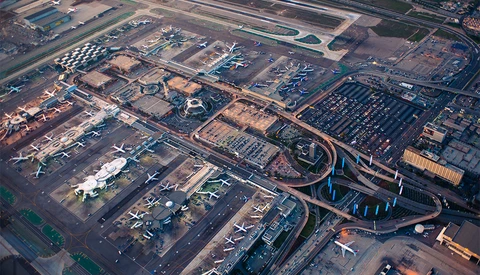
In an effort to improve the security of airline passengers and the nation’s airports, the Transportation Security Administration (TSA) is implementing new, stronger screening procedures for carry-on items that require travelers to place all electronics larger than a cell phone in bins for X-ray screening in standard lanes. These changes could affect photographers traveling with equipment on board by potentially requiring each camera body, some hard drives, speedlights, tablets, audio recorders, and other common electronic equipment to be removed from cases and placed separately in bins for X-ray, slowing the screening process.

Photographer Asking for $75 Million in Copyright Lawsuit Against Procter & Gamble

Procter & Gamble is a household name with nearly 100 brands and associated products under its wings. Tide detergent, Pampers diapers, Bounty paper towels, and the skincare brand, Olay, are all owned by P&G. Marketing these brands has also earned P&G the title of the world's highest-spending marketer (the brand spent over $18 billion last year on promotions, nearly $10 billion of which went toward advertising). P&G certainly has the budget to pay for licensing photography, but apparently lacks the will to do so according to accusations brought by Cincinnati-based photographer, Annette Navarro, who is suing the company for $75 million.

Why Every Photographer Should Pay Attention to Net Neutrality

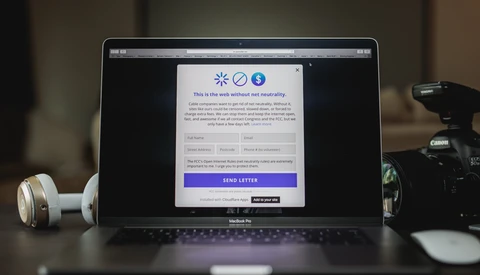
If you haven't been paying attention to the topic of Net Neutrality, now is the time to jump on the bandwagon. To save the long explanation, take a quick visit to Battle for the Net for more info on what exactly is going on and how to add your name to the growing list of independents everywhere in support of Net Neutrality. To see the long list of companies valiantly taking this stand in support of Net Neutrality, check out their post. 

The FAA Is Developing a System for Remote Identification of Drones

Consumer drones continue to grow both in capabilities and sheer numbers at a rate that seems to be outpacing the government's ability to find a way to properly integrate them into the national airspace. As the FAA works to catch up, their newest proposal could be a big step forward.

British Police Make First Arrest via Facial Recognition Camera Van

In a story that's either a case of camera and computer technology taking a step forward or another nail in the coffin of privacy, the South Wales Police recently arrested a man using a mobile automatic facial recognition (AFR) system deployed in a van.

A Week in the Wild - Part 1: Preparing for Photography Wilderness Camping

With the goal in mind to write up a reference for planning a week of photography in the wild, it's almost unthinkable to not include an article about gear an rules about sleeping in the great outdoors. Not on a campsite, not in a hotel or any form of modern comfort, but out in the backcountry, sleeping under the stars. This quickly grew out to be an article to bookmark, because I don't expect you to remember everything about this after a first read.

NYC's 'Freelance Isn't Free' Act Goes Live Today!

Last October, New York City became the place in the country to pass a law protecting the rights of freelance workers. Today the bill known as the Freelance Isn't Free Act, officially went into effect. 

Getting Paid: Seven Tips for How to Handle Photography Invoicing Issues From a Reformed Accounting Clerk

I’ve seen more than my fair share of articles regarding the joys and pitfalls of being paid on time. A very vital part of making a living in any profession is, after all, actually getting paid. But rather than rehash the terrific advice I’ve seen from other shooters about the best way to invoice, I thought I would offer you another perspective. That of the accounting department.

DJI Calls FAA Data 'Poorly Chosen' and 'Deeply Flawed'

DJI recently issued a white paper expounding upon the relationship between the weight of drones and the risk posed by them, asserting that current FAA regulations are based on "poorly chosen data and deeply flawed assumptions." 

Tax Tips for Photographers

It’s that time of year again, and no, I don’t mean last night's Super Bowl. Tax season is upon us and for many creative professionals it can either be a joyous occasion or one filled with dread.

Lily Robotics Sued for False Advertising and Unfair Business Practices

News came yesterday that the Lily drone would not be released and preorders would be refunded. The company indicated an inability to secure the funds needed for a production run, despite having raised $34 million. However, Lily Robotics failed to mention that they are also being sued by the San Francisco district attorney for false advertising and unfair business practices.

Well If This Isn't the Pot Calling The Kettle 'Fade To Black'

I'll admit, I was a little shocked when I came across Henri Kack's Reddit post last week. That's right, the band notorious for taking down Napster in the Northern California Lawsuit filed in December of 1999, is now being accused of using an image from a concert photographer/fan without permission. Released on the band's official Metallica YouTube page on November 17, 2016, in the latest video for their song "Murder One" you can see at 5:33 the image in question. Although altered and animated, it's clear that this is indeed the same image that can be found on Kack's DeviantArt page.

Fifth Lawsuit Filed Against Richard Prince, Artist Notorious for Profiting by Stealing Other Photographers' Work

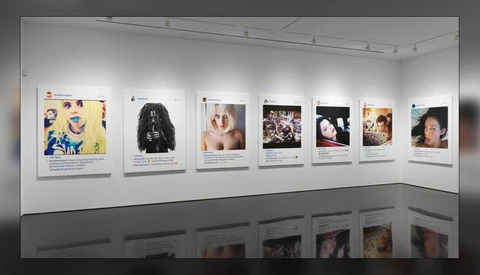
Remember artist Richard Prince? If you don’t know him by name, you’ll know him by scandal. Two years ago, Prince launched a series of photos titled, "New Portraits," which by-and-large consisted of stealing photographers’ work and uploading it to his own Instagram profile, after which he screen-shot the results and printed them out, calling it his own art. Unsurprisingly, his controversial series led to four lawsuits against him. Now, he’s facing a fifth lawsuit involving a photograph of Sonic Youth musician Kim Gordon.

New Legislation That Protects the Rights of Freelancers Passed in New York

Those of us working within the creative industry are often held captive to an unwritten rule: working for free. No other field suffers the same stigma; we don’t expect our laywers, our handymen, or our child-minders to work without payment. So, why is it so often expected that we will?