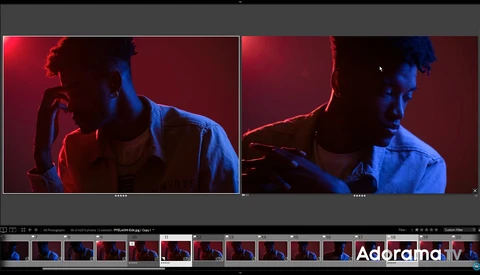
How To Use Gels To Take Your Portraiture To the Next Level
Adding vibrant colors to your portraits with gels is something every photographer ought to know how to do, but more than that, it can create some truly stunning results.
Adding vibrant colors to your portraits with gels is something every photographer ought to know how to do, but more than that, it can create some truly stunning results.
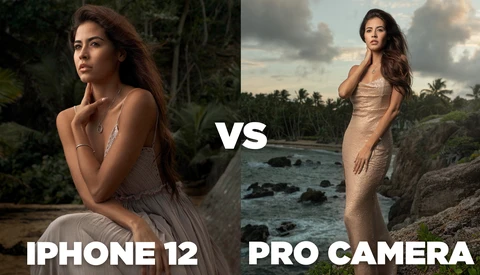
A few days ago Patrick and I posted two images and asked you to vote on your favorite. What we didn't tell you was that one was taken with an iPhone and the other was taken with a Nikon D850. The majority of you chose the iPhone shot as the better photo.
Most beginner photographers are obsessed with figuring out the settings used by their favorite photographers. This video addresses those who ask specifically about flash power, but the answers can be applied to almost any question about camera settings.
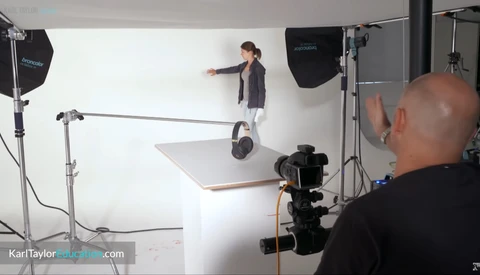
The product shot on a white background is a staple of product photography, but it isn't the easiest shot to get. In this video you'll find some key tips for what you need to do to get those shots, as well as how to light them properly.
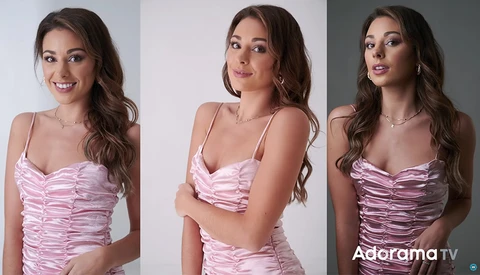
Learning how to effectively diffuse light is one of the most powerful skills any photographer can have, as it leads to softer and more flattering portraits. This excellent video tutorial will show you how to use different kinds of diffused light for better portraits.
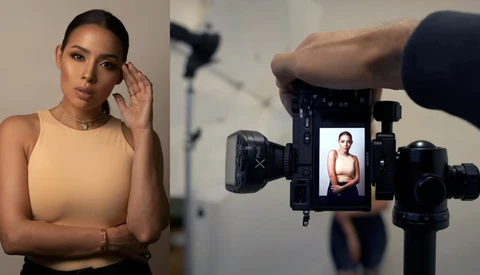
If, like me, you are pondering asking Santa for some lighting gear for Christmas to start putting together a home studio, check out this short video to show you what can be achieved through a very simple setup that’s very affordable.
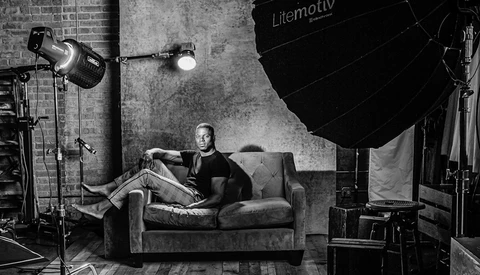
Learning artificial lighting can be tricky, particularly given the abundance of unfamiliar terms. Once you get those down, though, you will find studying and working with artificial light a lot easier. This helpful video will get you up and running with the most commonly used terms in no time at all.
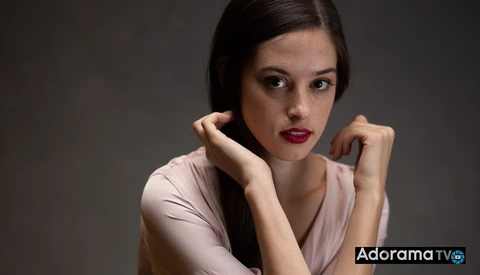
There are a ton of different lighting modifiers out there, and as a photographer, you can very quickly end up spending a lot of money building a library of different tools for specific looks and purposes.
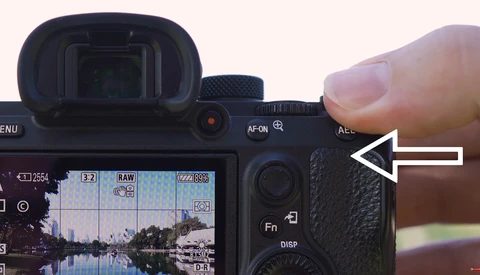
Exposure compensation is a tool that every photographer ought to know how to use effectively. In this video, learn exactly how it works, when to use it, and how to use it.
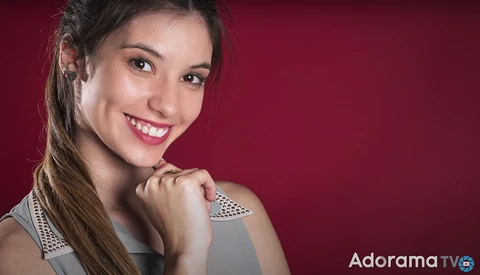
Lighting is one of the most fundamental aspects of a successful portrait, and while we most often focus on getting the key light just right, the accessory lights can be what take a portrait from good to great. This excellent video will show you how simply adding a kicker light can make your portraits better.
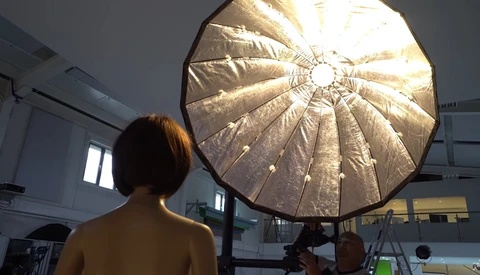
There are many light modifiers available and the selection can become confusing at times. Some areas, in fact, are confusing even when you understand them. The primary suspect is the parabolic softbox.
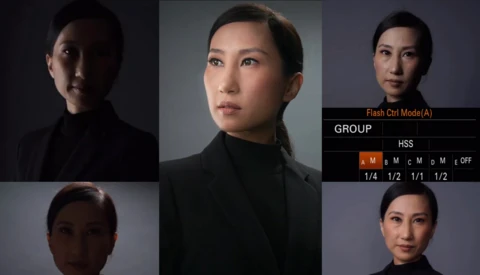
Knowing the purpose of and controlling each light casting on your model is instrumental in portrait photography.
Coming to you from professional portrait and wedding photographer Jiggie Alejandrino, this video breaks down the different components of portrait lighting and illustrates what each light aims to do to your photograph.
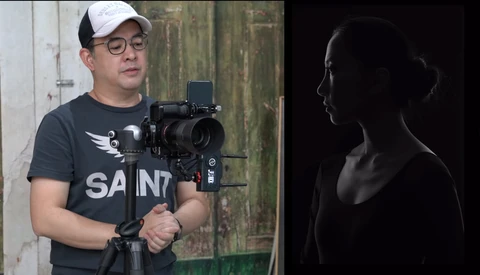
There's a lot that can be done with portraiture, even if you don't have an arsenal of studio lights at your disposal. Here's how you can create iconic, black and white portraits with just one light.
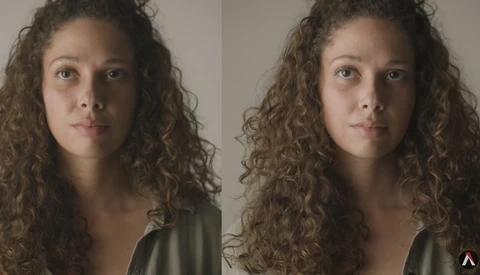
Lighting modifiers are powerful creative tools that can drastically change the look of your photos and videos, but they can also grow very expensive quite quickly. Luckily, if you understand the basics of lighting, you can create a variety of DIY modifiers using basic items and materials you probably already own and save yourself a ton of money in the process.
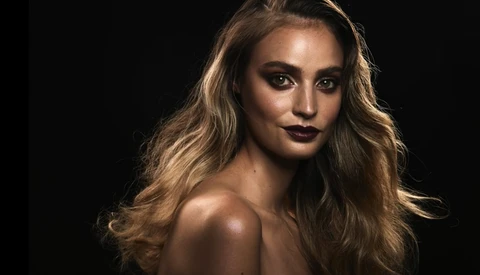
A beauty dish is one of the most popular lighting modifiers for portraits and for good reason, as it can create dramatic, contrasty images that instantly capture the viewer's eye. This fantastic video tutorial will show you three lighting setups using a beauty dish and other modifiers that capture a range of moods.
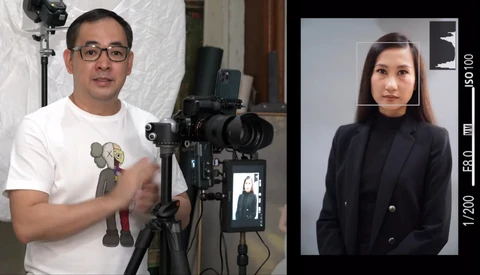
Corporate portraits can not only be shot in a number of different ways, but they are often required to be shot in different ways by your clients. Here are four different lighting setups, depending on how many lights you want to use.
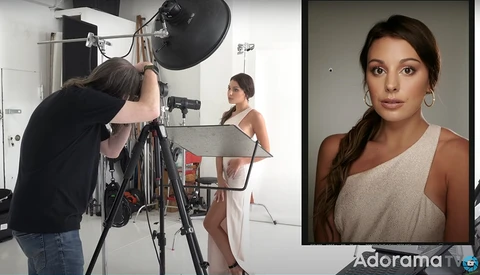
When you are lighting portraits, you might sometimes notice unflattering shadows created on your subject's face. It does not take much to fix that, however; often, just adding a reflector can fix those issues, and this great video tutorial will show you how to do that.
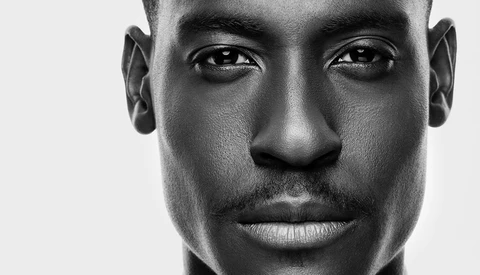
Good black and white portraits are timeless and will always be in style, but they demand a different approach than color portraits. This fantastic video tutorial will show you a few multi-light setups for shooting compelling black and white portraits with dramatic contrast.
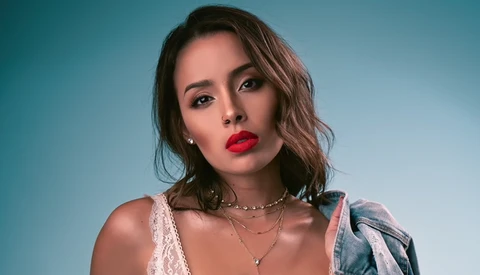
It is always best to start out with one light when you are first learning how to use artificial light, but once you have mastered the basics, you can enter an entirely new world of creativity when you start working with multi-light setups. This fantastic video tutorial will show you a dynamic and professional three-light setup for creating compelling portraits.
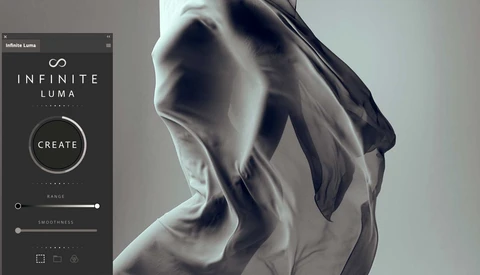
One of the most useful and effective features in Photoshop, is the ability to create masks on different layers. This allows you to perform pin point and localized edits onto your image without impacting the rest of the file. For many photographers, layer masks are crucial and in my view, luminosity masks are one of the more useful ways of creating selections.
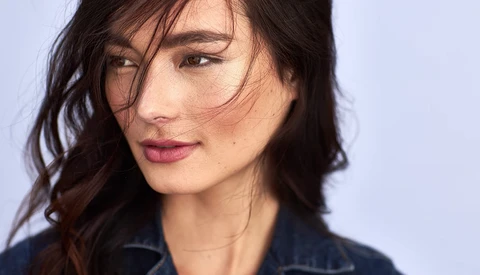
When you think of lighting for portraits in a flattering way, you probably do not immediately gravitate toward the harsh contrast of midday sun. However, you might be surprised by just what you can accomplish when shooting in the midday sun, and this great video tutorial will give you three helpful tips for creating better images with it.
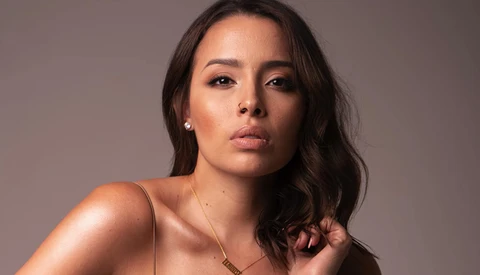
Taking the time to learn proper artificial lighting techniques and setups is crucial to becoming a proficient and versatile portrait photographer. If you are working on learning lighting, check out this fantastic video that details a wide variety of helpful tips and information in just three quick minutes.
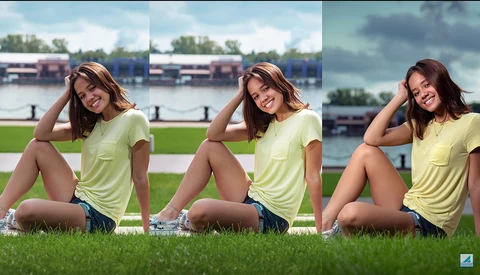
Off-camera flash can be a bit intimidating for a lot of photographers, but it opens an entirely new world of creative possibilities and is well worth learning. This excellent video discusses the benefits of off-camera flash over just natural light and how it can improve your work.
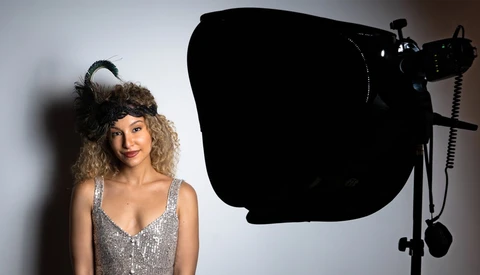
The inverse square law is by far one of the most fundamental and important concepts that every photographer working with artificial light should understand. If that is something you struggle with a bit or you have not heard of it before, this fantastic video will get you up and running in no time at all.
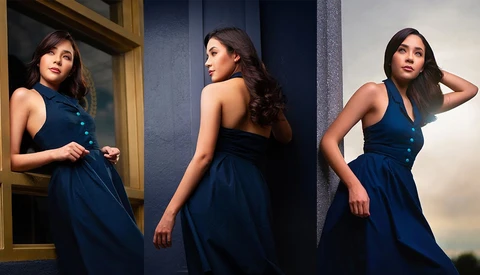
The beauty of artificial lighting is that you can create shots in just about any situation no matter the ambient light, and you can create a wide variety of looks in one location simply by varying parameters like the position of the light or its distance to the subject.
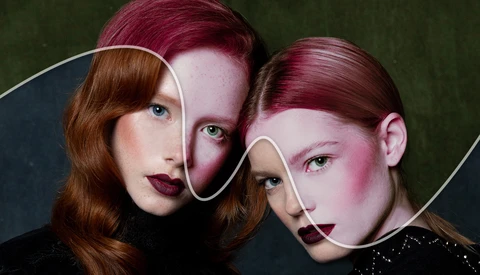
One of the easiest and most beloved methods of color correction is a simple swipe of the white balance temperature slider. It can change the whole tenor of a scene. There are limits to what it can do, however.
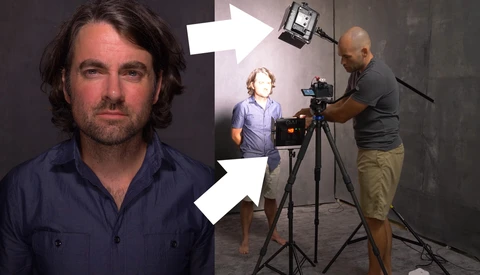
GVM is quickly becoming the first choice for videographers looking for feature-rich, ultra-affordable lighting, but the 560AS LED panel takes things to another level.
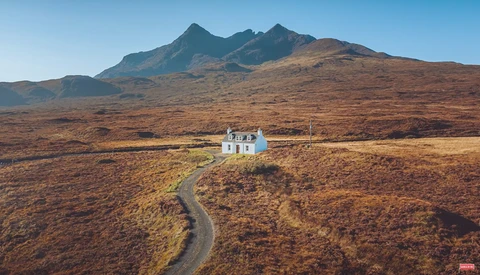
We talk a lot about the importance of good light in photography, but on the other hand, is there even a such thing as "bad" light? This great video discusses the topic and why you might be missing out on images if you sit around and wait only for good light.
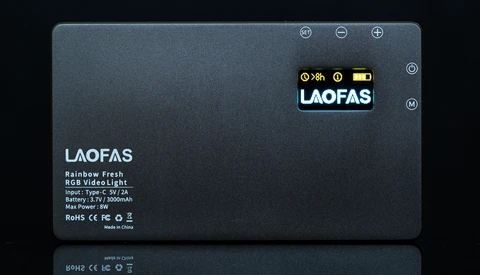
A company called Pergear sent me an LED light for review. For its size and user experience, this light is impressive.
It’s called the LAOFAS Rainbow Fresh RGB LED Video Light. It’s made from metal and it’s very compact. It’s got an array of 28 alternate LED bulb beads that can change the color and tone depending on what you are shooting.
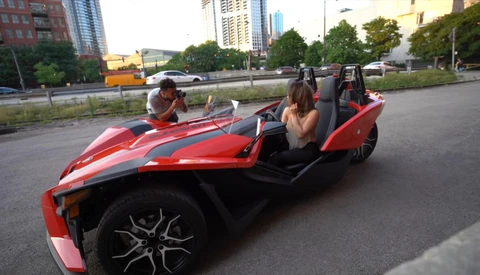
Lighting and composition are two of the most fundamental elements of any photography. But, which plays the biggest role?
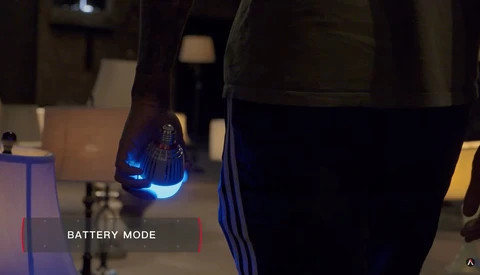
There are a lot of lights out there for filmmakers, but I can't say I've seen anything quite like this before.
Having the ability to work with off-camera flash can make you a far more versatile photographer and enable many new creative avenues that simply are not possible with natural light. This great video follows a photographer as he moves from working with natural light through to multi-light setups with a wide variety of modifiers and techniques, and you are likely to learn a lot from it.
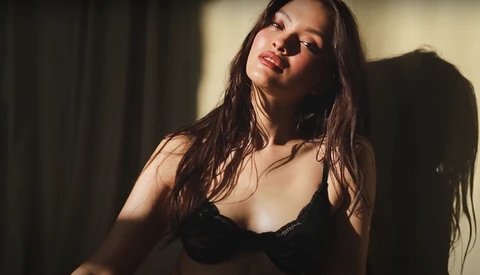
Few creative decisions have a bigger impact on the final look of your photos than your choice of lighting. Direct sunlight, backlighting, and lighting crafted from strobes all have their place, and this excellent video comparison will show you the different images you can achieve with each.
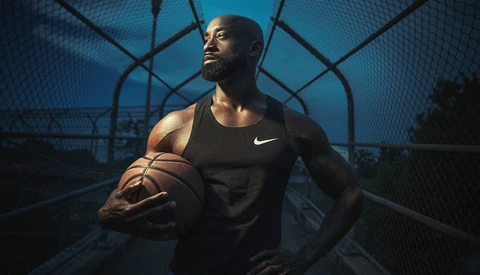
If you've ever wanted to create more dramatic portraits with minimal effort or even completely in-camera with no Photoshop, this video is for you. In this photoshoot, I set out to create a dramatic editorial image that looks like it was shot late at night. The catch: I'm actually going to be taking the photo at 4 pm.
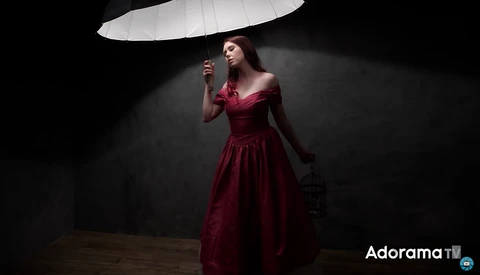
No matter what sort of lighting you are interested in, the subjects you photograph, or the equipment you are using, there are certain physical properties inherent to all light that are crucial to understand if you want to take better creative control of your images.
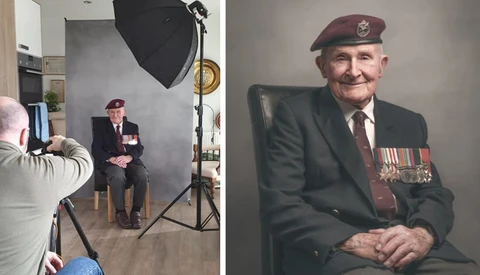
Portrait photographers don’t always have the luxury of working in a nice large studio with loads of room to shuffle strobes and modifiers. If you’ve ever wondered how to get classic, timeless results when shooting in cramped, often improvised spaces, check out this short video.
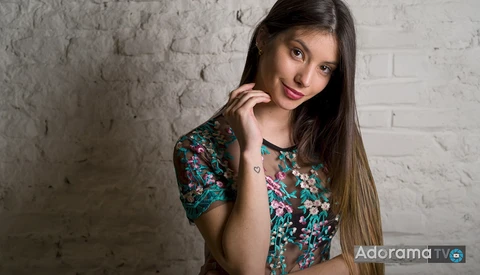
If you are someone who has worked only with natural light, one of the most foreign parts of artificial lighting might be the vast array of modifiers available. How much of a difference do they really make? This great video demonstrates why your choice of modifier matters and the difference they can make in your work.
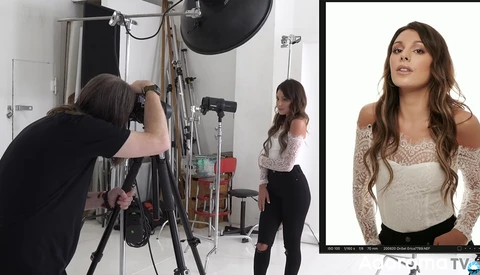
By far, one of the most common types of portraits you will be asked to shoot are those with a clean, white background. It is a simple, elegant, and versatile look that will never go out of style. If you struggle with artificial lighting, this excellent video tutorial will show you how you can easily shoot high-quality portraits with clean, white backgrounds.
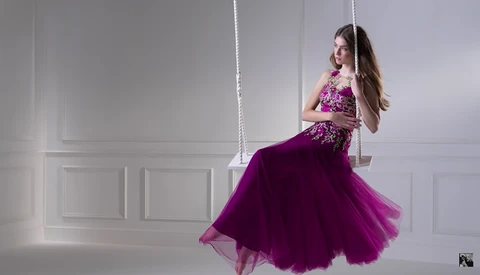
Artificial lighting can be a bit tough for a lot of photographers to master, but once you understand the fundamental behavior of light and some of its basic properties, you will be well on your way to creating better images. If you are new to artificial lighting, this fantastic video details six fundamental lighting facts every photographer should know.

Macro photography is a very rich and rewarding genre, but it also comes with some of the most specific and specialized knowledge and equipment requirements of any photographic pursuit. If you are new to macro photography, check out this fantastic video that discusses a multitude of camera and light settings you need to know for macro photography.
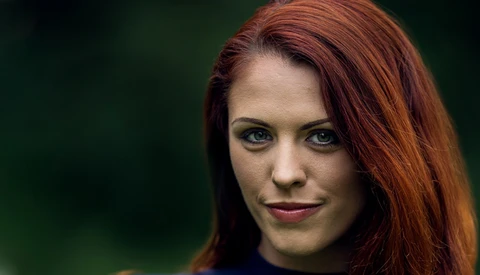
Even with the most elegant composition and innovative creative ideas, a photo will fail if it does not employ good lighting. If that is something you struggle with, this fantastic video will show you six different lighting techniques that will improve your images.
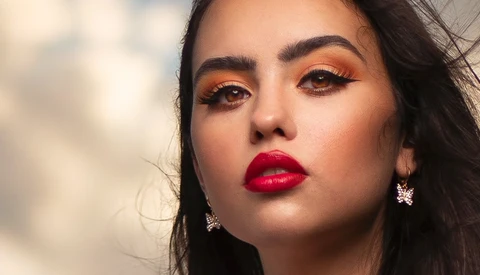
Golden hour portraits are the favorite of many photographers who love the combination of soft, flattering, and warm light with a dramatic sky as a backdrop, and they tend to be a favorite of many clients as well. This awesome video tutorial will show you both how to shoot and edit a golden hour portrait.
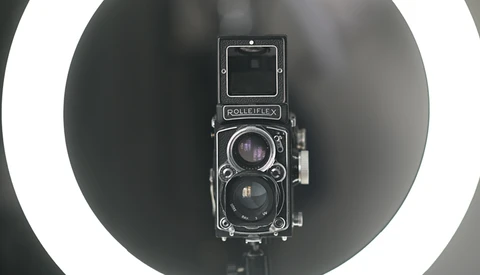
Over the last 10 years or so, I’ve used quite a few different types of ring lights for my portrait and product work. Each had its own particular benefits and drawbacks. Nothing was ever quite “perfect,” but most worked well enough in their given role. This is my review of the very affordable GIM 19” 48W Ring Light.
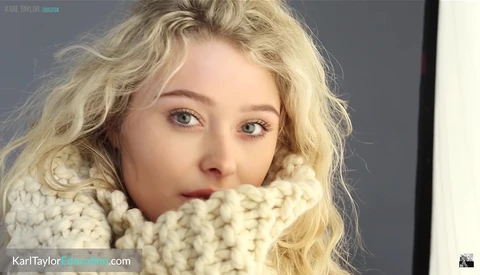
No doubt, any photographer who plans to work in a studio will need to learn proper artificial lighting techniques to realize their creative visions, but flash comes with its own pitfalls and challenges. If you are struggling or new to such techniques, this fantastic video will show you nine mistakes to avoid and how to fix them.
As photographers, we have a huge selection of modifiers at our disposal. Some of the more traditional ones such as a softbox or a scrim may seem somewhat dull, but they both offer very different and useful qualities of light when used correctly.
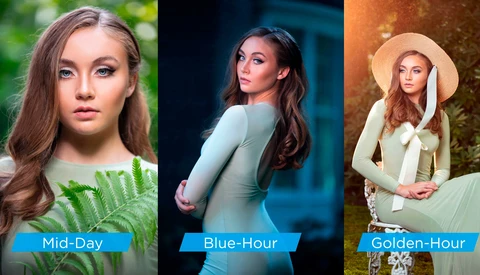
One of the most important things a photographer needs to learn to understand is lighting. Without it, it's essentially not possible to do any kind of conventional photography. Learning how to use different kinds of light sources is also important. Although natural light can be great, being able to use flash effectively is extremely useful.
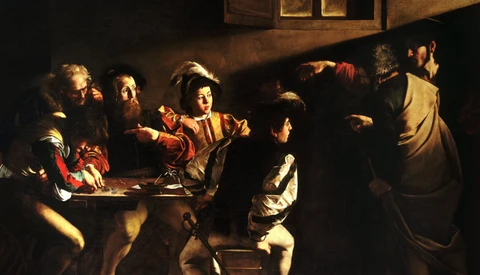
Light has been fundamental to art for centuries predating the camera. However, utilizing realistic and impactful light — an objective of many photographers and artists today — wasn't always the case.
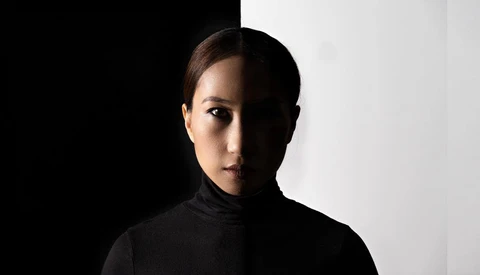
Shooting good portraits at home can be done with the simplest of setups.
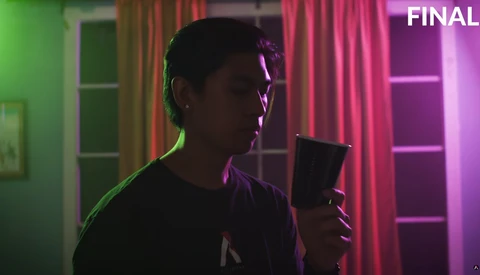
You can never have too many lighting styles, so sit back for just 7 minutes, and learn a few more for future inspiration.
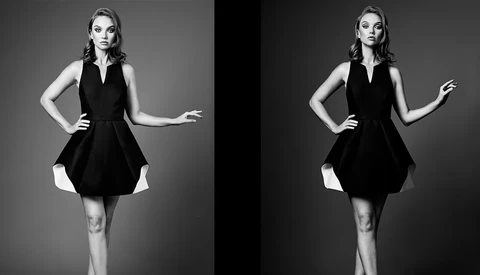
When you work on building a lighting setup for a portrait, you likely think about it from the perspective of adding different lights and modifiers. But as important as adding light is, knowing where and how to take it away is just as crucial to shaping your subject. This great video will show you how to use v-flats to create negative fill and improve the look of your portraits.