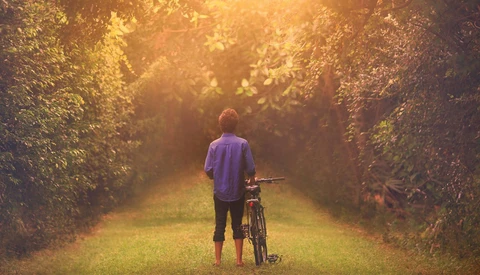
How to Create Captivating Self Portraits
Have you ever had an incredible idea, but couldn't find a model to help you? Learn how to bring your vision to life through the art of self portraits.
Have you ever had an incredible idea, but couldn't find a model to help you? Learn how to bring your vision to life through the art of self portraits.
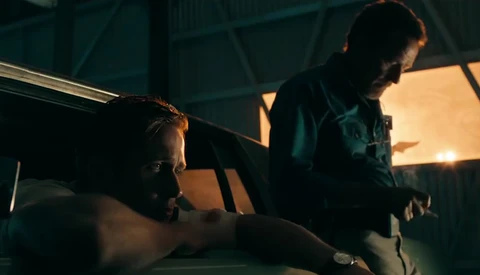
Understanding how to use reflected light and negative fill are two of the most valuable lessons to learn as a photographer. Make sure you have these concepts in your photography arsenal.

If you're ever seen portraits shot somewhere like an arcade or next to a neon sign, you know they offer a neat look full of washes of color that envelop the model. If you don't have access to such lighting, this great video will show you how to recreate the effect at home.
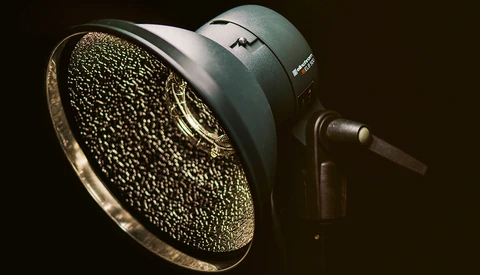
When I first started shooting flash, I would lug my big studio lights and battery packs from location to location. But after a while, this became such a hassle that I stopped doing it. I instead settled for using a hot shoe flash or just shooting with no flash at all. But this may change now that Elinchrom has the new ELB 500 TTL.
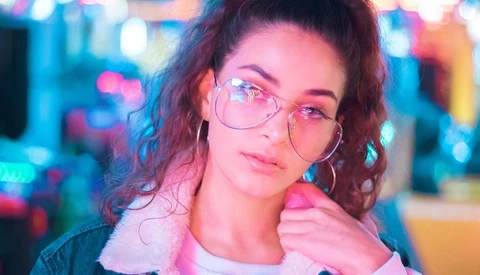
If you've scrolled Instagram for more than a few seconds you've probably encountered portraits shot with very colorful neon lights; bright scenes with 80's vibes shot in arcades or urban downtown areas. If you've wondered how to shoot in a similar style, check this one out.
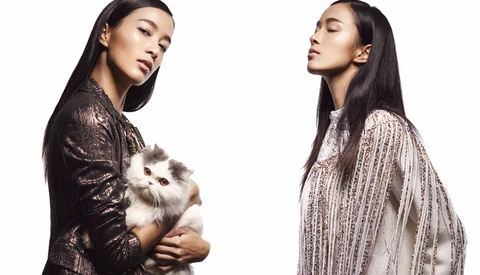
Lighting can be a major pain in the ass and that is especially the case if you're not a technical person, like me. After picking up the camera 7 years ago I am still constantly learning about the many different aspects of lighting.
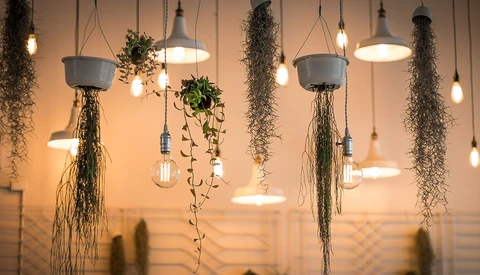
Photographers could talk about soft light and color temperatures all day long, but what could we bring to interior design? Could photographers do a better job than an interior designer?

The first time I shot in this style was accidental to be honest. I'd love to say it was an artistic epiphany but sadly the truth of the matter is that I was too darn lazy to close the windows. However when I took the test shot, I realized I absolutely loved the effect! To think that I was rewarded for my lazine...err....creative moment of clarity!
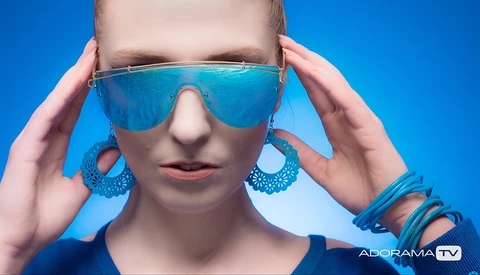
During the conceptual stages of a portrait shoot, when deciding which color palette to incorporate, could less possibly be more? This brief video from Adorama TV features small home studio savant Gavin Hoey showcasing for us how to create effective portraits in studio within a limited color range.
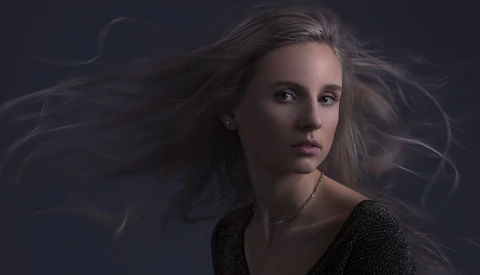
There are endless benefits to using strobes over continuous hot lights, but there is one drawback: sometimes, you may actually want to capture motion blur.
A couple weeks ago, Patrick and I filmed a video where we competed to take the best photo of the same model. For my shot, I decided to capture a moody portrait of Meg with some extremely windy hair.
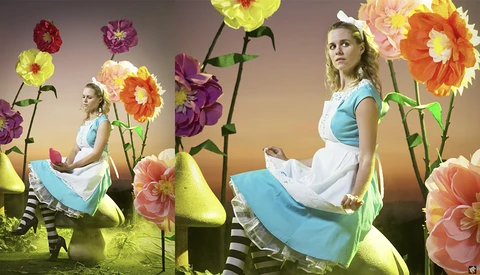
One of the most fundamental skills you can have when it comes to artificial lighting is learning to balance the ambient and strobe. This great video goes behind the scenes of a sunset portrait shoot to show how to do just that to get both a properly exposed subject and background.
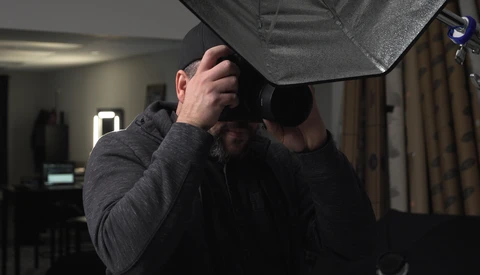
Interested in learning some new lighting setups when using a beauty dish? I've created a video sharing five different ways that I utilize a beauty dish for my studio portrait work as well as discussing some of the benefits of each setup.
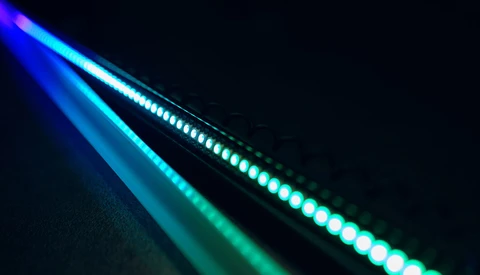
Creating long exposure is fun, but having the right tools to paint magic shapes with light makes it even better. The Magilight by Fotorgear is meant to help you bring to life the most insane long exposure you’ve ever dreamed of. Here is its review.
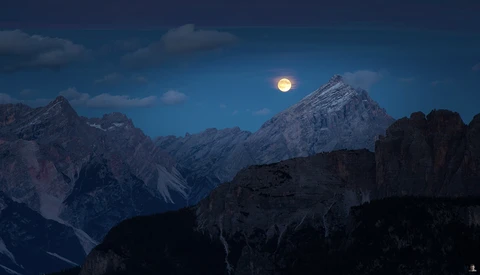
When someone mentions Rembrandt in connection with photography, you almost certainly think of the lighting of portrait subjects. It turns out, however, that we can take quite a bit about how he treated light and composition and apply it to landscape work as well.
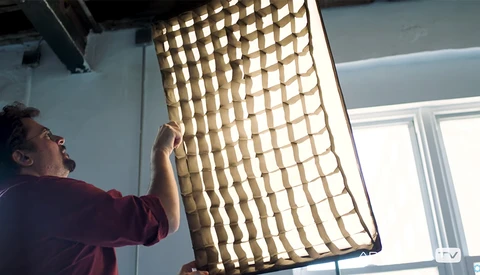
Artificial lighting can be a bit daunting when you're first starting out, with a range of modifiers, setups, and techniques to learn. This great video will introduce you to grids and show you both why and how they're used in artificial lighting scenarios.
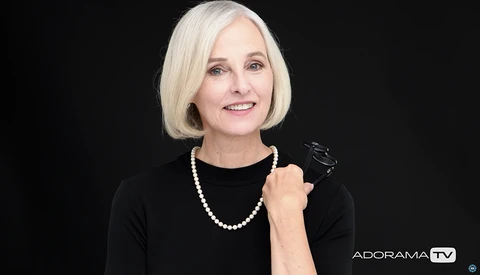
Portraiture is all about bringing out the character of your subject. This great video goes behind the scenes of a shoot, showing you how lighting was designed to match the intended portrayal of the subject and the resulting photos.
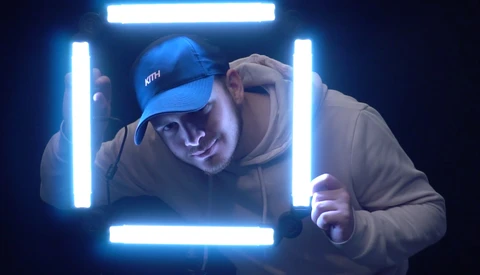
Recently, Spiffy Gear had released a very unique-looking light named Spekular. What caught my attention was its ability to combine, shape, and separate one single "light" in so many different ways. From my perspective, having the variety of options for on-the-go shooting held value. I ended up taking the LED light kit for a spin.
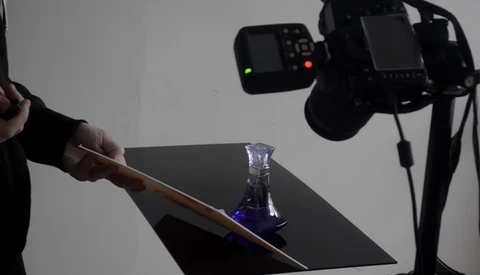
When you think of product photography and lighting, you likely think of intricate, multi-light setups that precisely sculpt every last highlight and shadow. Nonetheless, there's a lot you can accomplish with simpler setups, and this great video will show you how to get a professional shot of a perfume bottle using very minimal gear.
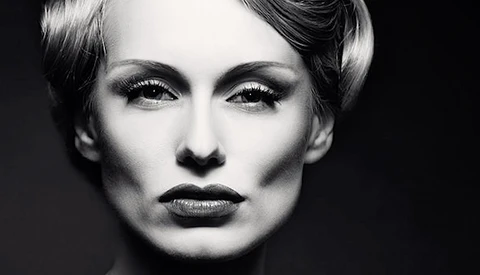
Whether you're shooting stills or moving images, lighting is just about everything when it comes down to it. This excellent guide will show you how lighting shapes and sculpts the face, adding dimension and helping you to tell a story, and how you can use it to better your own work.
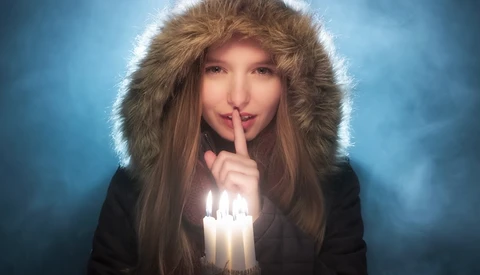
Candlelit portraits are cool, especially when shot inside the studio in a planned way. With a little imagination and a simple technique, you can create vivid candlelit portraits.
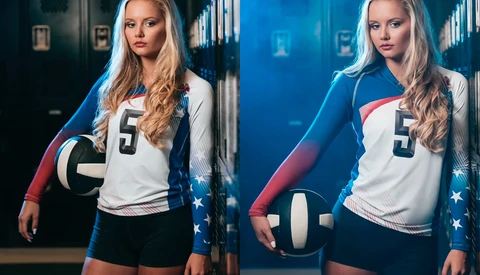
Sometimes the locations we have to work with are a little played out or uninspiring. By using gels and haze to our advantage you really can transform a space dramatically. The great thing about these techniques is that they can be done for very little money.
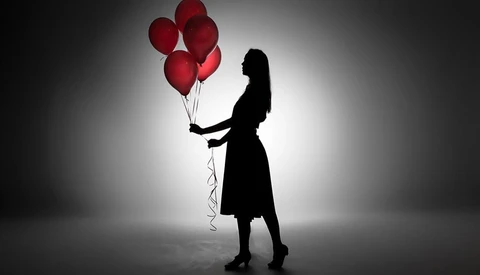
Everyone loves a nice silhouette shot. You can create them outdoors during the dusk and dawn hours. But what if you can create such shots inside your studio space with a single light anytime, any day? This video shows you how to get started.
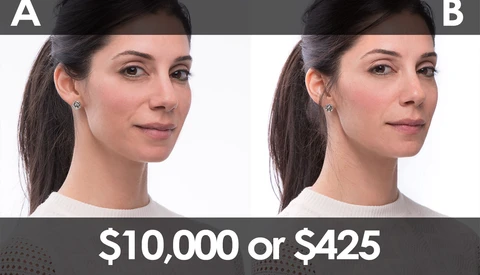
The lust for better photo gear is something every photographer struggles with. In our photography industry, many people swear by the quality of light of this brand verses that brand, but in the end isn't light just light?
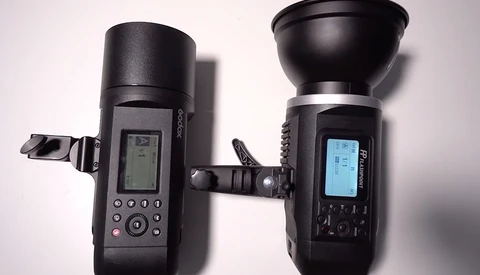
The Godox AD600 Pro Strobe was recently announced to the public. Having myself recently shifted from a fantastic (but also pricey) pair of Profoto B1s to jump into the Godox (Flashpoint in the U.S.) system, I took notice.
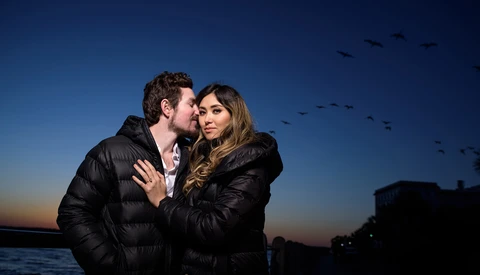
One way to spice up your photography is to add gels to your lights so you can produce colorful and edgy looking imagery. Adding wild colors to your photos can offer a lot of creativity but gels can also be used in a much more subtle fashion to slightly alter the color of your background and sky.
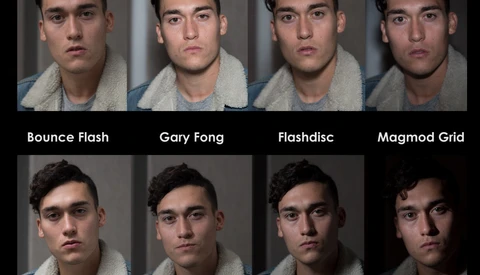
I can still remember the first time I saw the effects of bounce flash. The soft natural light looked unlike anything I had seen from my little point and shoot's direct flash, and the resulting image looked so natural. Soon afterward I was introduced to off camera flash and a variety of light modifiers.
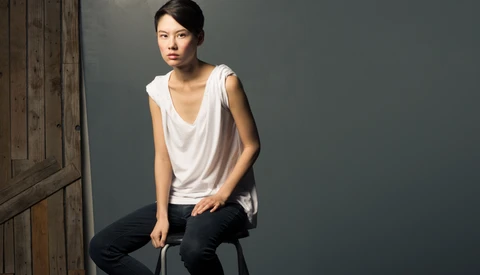
As I set up to shoot an assignment last week, I found myself in a casual conversation with the owner of the location. He was also a photographer, and as I opened my Pelican case and began to set up my strobes, he commented on the fact that he owned the same one. He then lamented the fact that this particular kit was no longer made by the manufacturer.
Several years ago, Fstoppers created a comprehensive tutorial on everything wedding photography. The tutorial includes over 14 hours of content revealing shooting techniques and successful tips on running a wedding photography business. Today, we're offering a free excerpt from the full tutorial to the Fstoppers community.
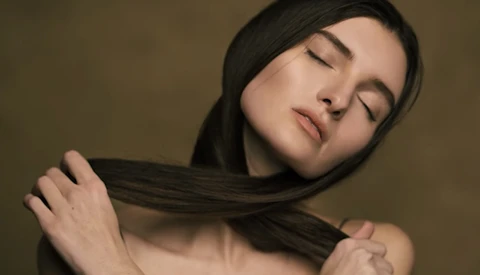
When you think of studio lighting, you probably think of elaborate multi-light setups, and while those certainly have their place, there's no reason you can't create compelling imagery with a single light. This great video will show you how to achieve exactly that.
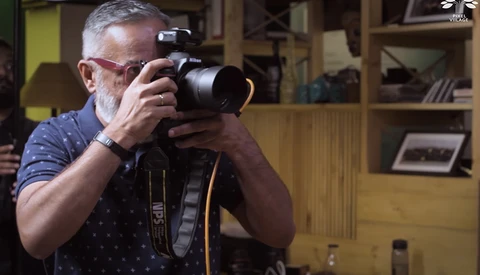
I don't care what anyone says. Math and physics are cool. Nonetheless, I understand that you don't particularly need all the theory when you're lighting a subject; you just need to understand how to get the result you want. These helpful videos will show you just that.
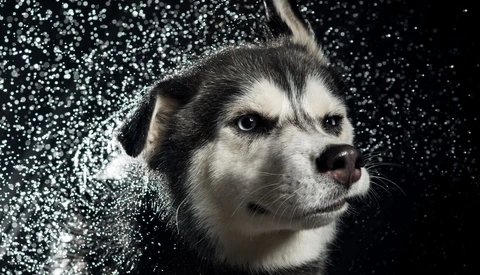
Flash duration is one of those terms you hear in the world of flash photography but may not know exactly what it is, or why it matters. It’s really quite simple, and pretty much exactly what it sounds like. The measurement of time from when the flash begins to fire until it’s completely off is what’s known as flash duration.
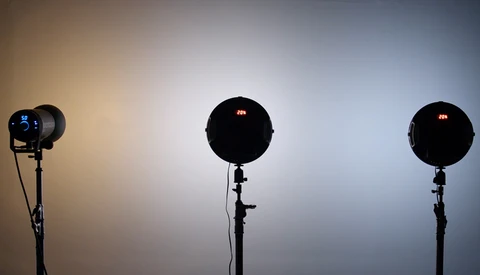
While our brains are conveniently set to auto white balance and our eyes view a properly adjusted color temperature, our cameras, try as they may, are not quite as advanced and sometimes rely on us to provide assistance to them.
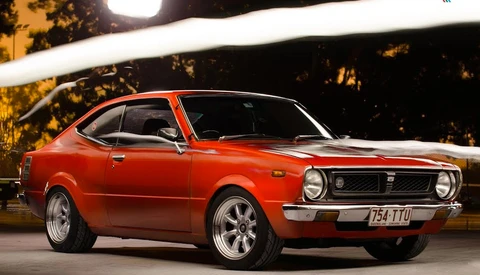
There are several different ways to light your subject in photography. While light painting isn't a new or exclusive technique within automotive photography, it is a fundamental technique car photographers should understand how to use. If you are new to light painting or never used this technique to photograph a vehicle, you may have some questions on where to begin.
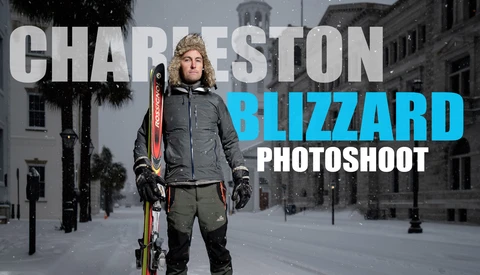
Here we are on day five of our 30 for 30 where we are releasing 30 videos to the Fstoppers YouTube Channel the entire month of January. Yesterday Charleston, South Carolina was hit with the biggest snowstorm in over 25 years. I decided to team up with my crazy friend Bryan Young and take ski portraits around town.
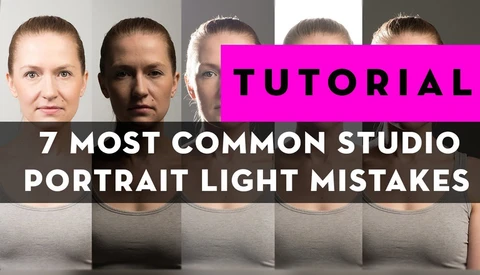
Finland-based commercial photographer Antti Karppinen shares what he thinks are the "7 Most Common Studio Portrait Light Mistakes" and how to fix them. Barring any creative differences, these are pretty good rules of thumb.
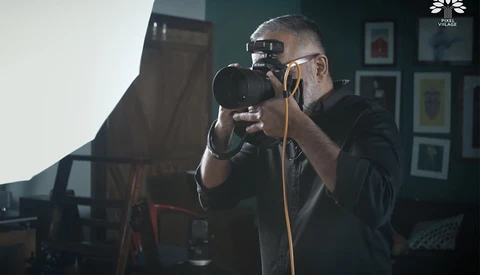
When you're first starting out with artificial lighting, the sheer range of modifier types and sizes can be a bit daunting. This helpful video will show you some of the basic modifiers and how they shape light on a subject and the catchlights they create.
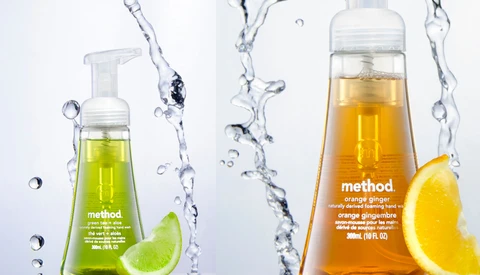
Depending on your project or assignment, commercial photography can allow for some creativity to be added to the photo. Creating splashing in the background or even having the splashes hit the product or subject can be one way to add some interesting factors to the shot. How would you set up the shot?
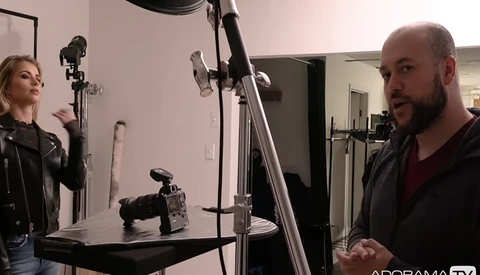
The beauty of a studio space is the ability to carefully craft light exactly as you'd like it to be, giving you the opportunity to get as nuanced as you would like. In this video, you'll move beyond some of the more common three-light setups and see a very precise design and the portraits that were shot with it.
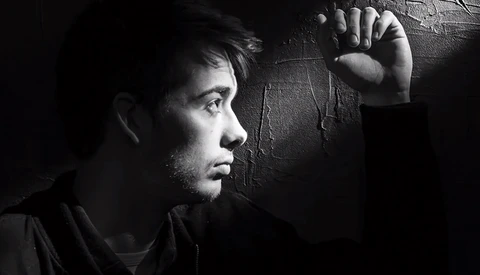
Light is a key factor in photography. It helps shape and create your photo. As the sun changes throughout the day, depending on where you are you may see some thin beams of light fall across the environment. Creating these thin light beams and adding them to your portraits can add some interesting looks.
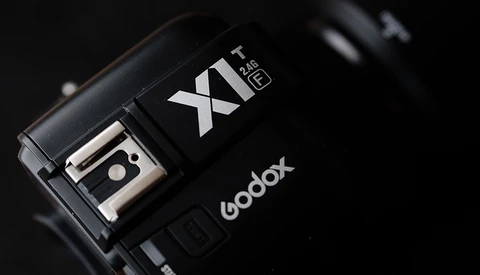
Today, I’d like to take a look at the X1T trigger from Godox specifically as it pertains to their Fujifilm version. The unit is also offered with compatibility for Canon, Nikon, Sony, and Olympus cameras. I have experience with the Canon, Nikon, and Fujifilm versions of this and will give my experience with it on Fujifilm cameras today.
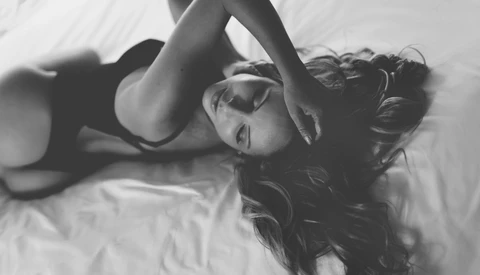
The only times my strobes see the light of day is when they are facing down onto the surface of the water from poolside for my underwater work. In the studio, the amount of natural light that fills the space has created a look and signature feel to my images.
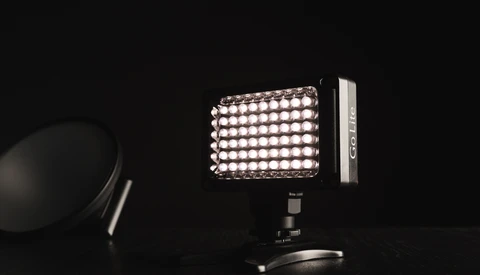
LED lights are becoming more popular than ever, and with super compact, battery-powered options such as the Lowel Go Lite, it’s never been easier to pack them along for the ride, wherever that may take you. In this review I take a look at the versatile Go Lite by Lowel.
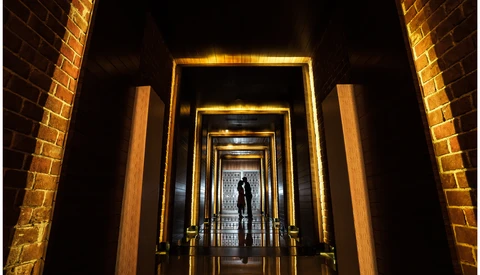
As wedding photographers, we always find ourselves walking the high wire between art and popular demand. But then, is the balance hard to achieve? In my opinion, I’d say it is wise to just put the thought, sincere effort, and presence of mind into your photos. What you capture will be loved equally by the artist in you as well as the couple you shoot - who seek nothing less than spectacular.
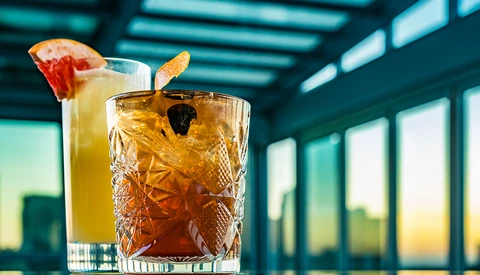
For over a year now, I've been the lead freelance photographer for Stock and Barrel Magazine, a food and beverage publication here in Columbus, Ohio. Often, assignments get thrown my way with not a lot of time to get them done before deadlines hit. That means I get to shoot a lot of places in a very short amount of time.
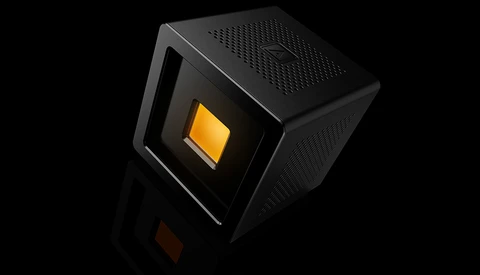
Take a 5.5-inch cube you can hold in your hands and imagine it can put out 30,000 lumens of daylight-balanced light. You change intensities and color temperatures not by switching out the bulb, but by switching out light cards.
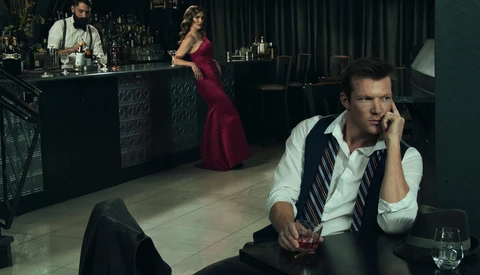
Multi-light setups can seem complex and intimidating for several reasons, not the least of these are all the variables involved. Where do you put the lights? What power settings do you use? How do you balance everything? What if there is ambient light from other sources? Then there’s the cost aspect. How can I afford enough lights for these complex set-ups?
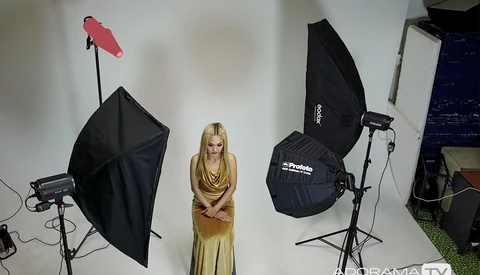
When you're first starting out with artificial lighting, it can feel a bit like trying to speak French in Russian. In between the modifiers, the types of light, and their placement, each setup is a puzzle. This helpful video will describe the main types of lights you'll have in a studio setup and how they relate to each other.
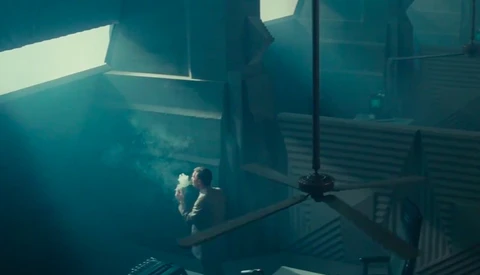
As filmmakers and photographers, we tend to guess how other people shot specific scenes. Depending on our level of experience, we may be right or wrong. In this video we can see the approach of master DPs to deconstructing the cinematography of their favorite moments from "Blade Runner."
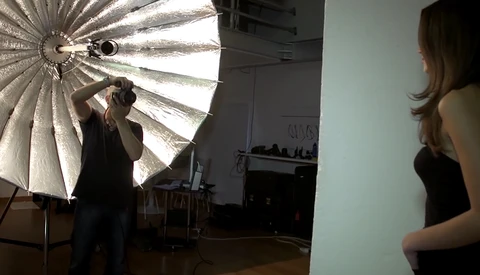
If you shoot a lot portraits or beauty work, you likely spend a lot of your time thinking about lighting, including what the right modifier for the look you're going for is. This very comprehensive and well-explained video will walk you through the standard octabox and beauty dish, as well as the more exotic adjustable parabolic reflector and Satellite Staro.
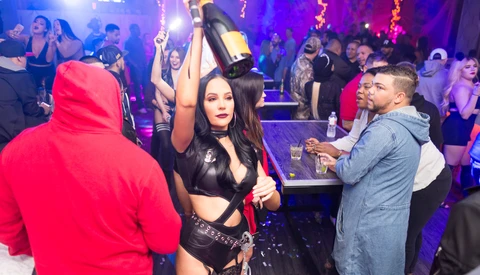
Getting great light in an event setting whether inside or outside is a tough shoot. You have to understand exposure, people are moving sometimes erratically, ambient light is moving over your subjects randomly, and you still have to create sellable imagery. I photograph several nightclubs in Dallas, TX regularly and the imagery I’m creating is their marketing for new patrons.