A Weird AI Camera With a Human Name Is Coming for Your Cell Phone
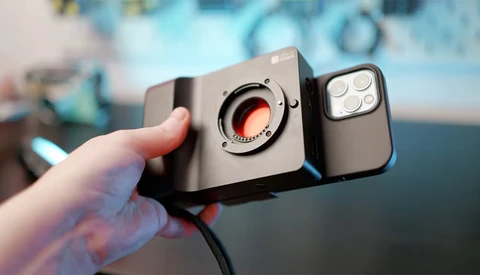
A camera named Alice — yes, Alice — is looking to change the way you shoot photos by marrying a large sensor, artificial intelligence, and your cell phone.
I've long been a fan of Google's Pixel lineup of phones for its photography prowess, but with the release of the Pixel 8 and Pixel 8 Pro, it's clear that photographers are not necessarily the market for what is considered a solid lineup of phone cameras.
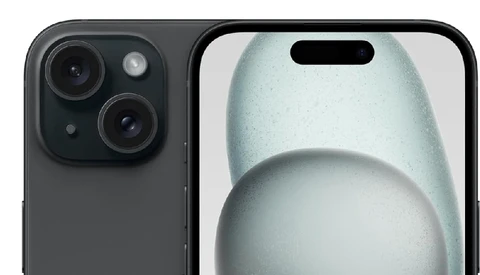
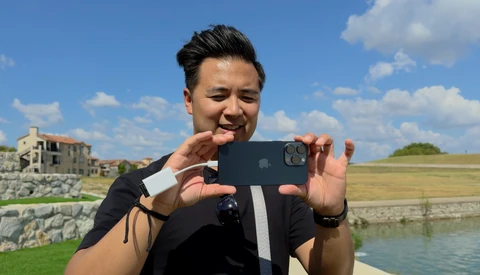
It's a few days after the iPhone 15 and 15 Pro have been made available, and everyone is sharing their opinions about the phone, the cameras, and the new features that Apple has added in their latest and greatest (yet) iPhone release. Something that has always been difficult to get is the raw details of how well iPhone camera sensors perform. This year, one of the features that was highlighted in the Apple presentation was the phone's ability to connect external media via the USB-C port. This allows you to hig- quality video (using the new Apple Log and ProRes codecs) to an external SSD, or as some have experimented and found out, you can even save files to an SD card via an adapter.
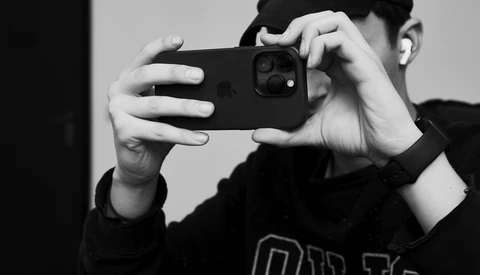
It's another year, and there's another iPhone, but this year's flagship model, the iPhone 15 Pro Max, brings a few new tricks to the table for photographers. The Verge takes a deep-dive into the tech behind the upgrades and what impact it has on the photo quality of the phone.
Smartphone cameras have evolved in the past decade from merely being tools for documentation to being actual devices that can be used for art. With most smartphones getting bigger, what does this small phone actually have to offer?
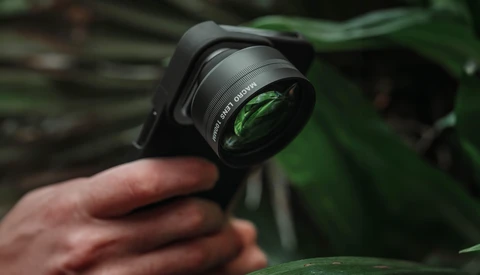
If you've wanted to try macro photography but didn't want to outlay on all the special equipment necessary, you're in luck. If you're an iPhone user, SANDMARC has a 100mm Macro lens you can screw onto your phone, and I put it through its paces.
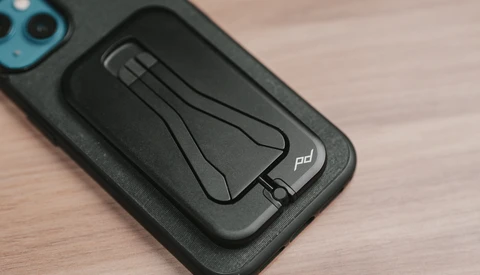
How many smartphone photography tools have you purchased and eventually misplaced or have forgotten about? Maybe these cleverly designed accessories will serve you better.
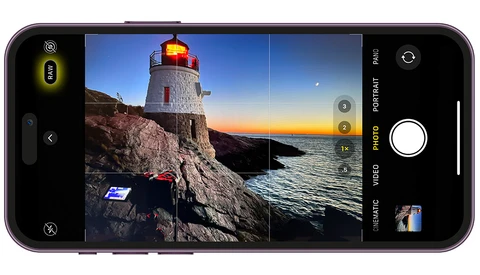
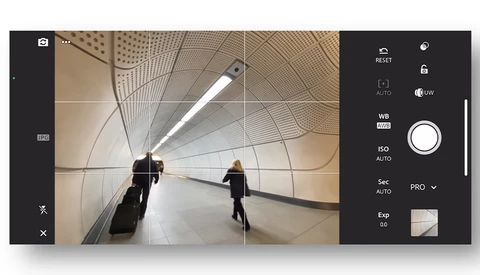
Long exposures are useful to convey a sense of motion in photos, whether that's bodies of water that seemingly look like glass or car taillights whooshing by in a street scene. The iPhone allows you to create scenes like this easily. It's just a bit hidden.
The Pixel Fold is the first foldable phone engineered by Google. I had a chance to preview this feature-packed productivity tool that is actually both a phone, and a tablet in one. In this review, I will discuss the Pixel Fold from a photographer’s perspective, its myriad of camera features, and its use as a productivity tool for creative professionals.
Photography has become an everyday part of our lives, moving from the realm of professionals to the hands of amateurs and enthusiasts. With the continual evolution of smartphone technology, mobile photography has significantly transformed, delivering professional-level results that rival traditional DSLRs. This year, 2023, showcases some extraordinary smartphone cameras, pushing the boundaries of what mobile devices can achieve in photography.
The Google Pixel 7A smartphone offers a lot of features and capabilities at a reasonable price, making it a nice choice for a wide range of users. This great video review takes a look at the phone's photo and video capabilities and the sort of performance and image quality you can expect from it in practice.
Can a $1,000 phone compete against a $6,500 camera? In this video, Gavin Hardcastle of fototripper pits the Sony a1 camera against his Samsung S23 in his usual entertaining but informative fashion.
Google Photos is pushing the boundaries of image editing, testing a new feature that uses generative AI to transform photos in a groundbreaking way. Last week, I talked about Google Photos's revolutionary changes to their search feature, and today, we're going to explore the editing features themselves. Named the "Magic Editor," this innovative tool promises to offer a level of manipulation that allows users to make drastic changes to their photos seamlessly.
A few years ago, the idea of taking quality long exposures on a phone would have seemed absurd, but major advances in the quality of the cameras in phones and in computational photography have enabled numerous techniques that simply were not possible before. This neat video takes you behind the scenes to show you just what you can accomplish with an iPhone.
Photography has often been described as the capture of light on a sensitive medium and its reproduction. But what happens when there's a significant amount of manipulation before the final image can be created? Even more importantly, what happens when this is instantaneous and seamless? Is it a photograph that you've just taken? These are questions that we will have to answer for ourselves in the near future.
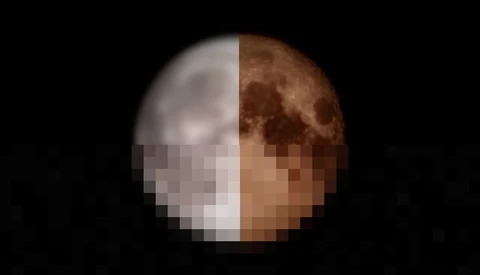
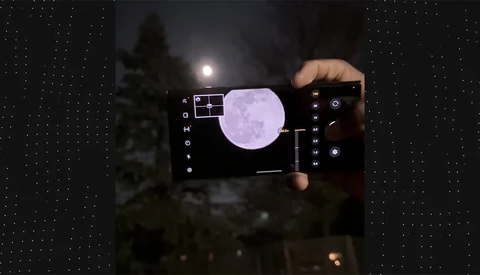
There have been some mighty impressive moon shots taken with cell phones these days, but are they even real? In the case of Samsung's Galaxy S23 Ultra, the answer is: maybe.
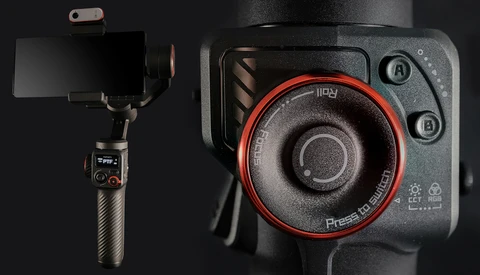
Mobile phones have become more advanced and are capable of capturing high-quality video footage, and with that mobile phone gimbals have also become increasingly popular and are a game changer for content creators, vloggers, and anyone who wants to capture professional quality footage.
In a recent article of mine, I discussed switching from a DSLR to a smartphone for casual photography. Recently, one of my friends reached out to me and asked what camera he should get for a trip he is going to. I told him: to use his phone and gave him some tips. Here are the top 7 tips that every smartphone photographer should know.
The impact of smartphones on photography has been well documented and profound. One lesser-discussed element of smartphones' influence on photography, however, might be the change in what photographers now want and expect from dedicated cameras.
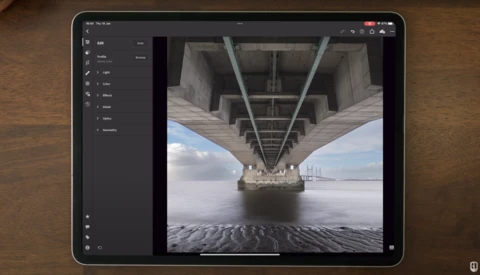
In this video, Glyn Dewis effortlessly explains how he manages to capture the iconic Prince of Wales bridge spanning the border between Wales and England. As a proud Welshman, this was intriguing to me, and as a photographer this is engaging and really shows the potential that mobile technology has to be able to improve the availability and quality of immediate photography.
Lightroom for lefties? No problem. Adobe's latest update is designed to make Lightroom Mobile more accessible for everyone. Glyn Dewis shows us what to do if you're a left-handed user in Adobe's Lightroom and Photoshop.
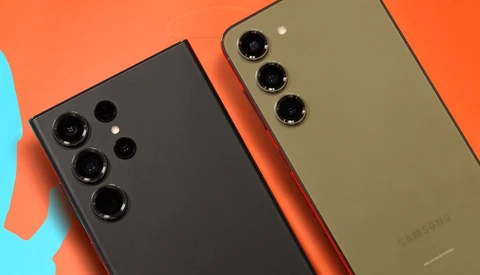
For Android users, it does not get much better than Samsung's Galaxy Ultra series, and the company's latest flagship, the S23 Ultra, continues to raise the bar. This great video takes a first look at the new phones and just how much you can expect from them.
Smartphones have built-in cameras that are more powerful than ever, and most of us have one in our pocket just about everywhere we go. And as the classic saying goes: "the best camera is the one that you have with you." So, what can you do to get the most from your smartphone's camera? This excellent video tutorial features 13 tips sure to help you maximize your results.
I have been very vocal about phones never being able to replace cameras for professional work. But, as photographers, we also indulge in casual photography of things that simply look good. I looked for a camera for such work for the past two years now, and now I found one. It is the unlikely star: iPhone 14 Pro.
This is an essential watch if you love taking photos with your phone but aren't sure whether you can get a great image or not. In this video, Glyn Dewis shows how mobile photography is possible for everyone using Adobe's Lightroom and Photoshop Mobile software.
This article could have easily been headlined "the best smartphone camera of 2022" and still been accurate, but in what is an astounding piece of data-gathering work, popular tech YouTuber Marques Brownlee has gathered millions of votes on 16 phones from hundreds of thousands of users to produce what is likely the definitive test for smartphone photography.
After many years of non-pro iPhones, Apple’s new 48-megapixel iPhone 14 Pro was enough to convince me to pull the trigger. I was ready to fall into the embrace of Apple’s AI-assisted ProRAW format. While it has its uses, in its current state it’s still kind of a mixed bag.
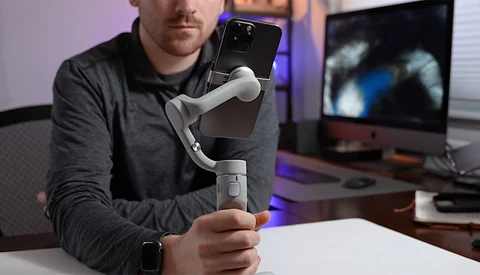
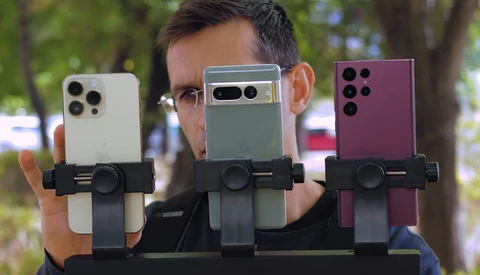
In the last few years, I've found myself using my smartphone more and more as my video camera to capture life's moments. On an actual shoot, it's also not uncommon for me to use one as a b-camera. If that's you as well, here are nine great tools to help improve your smartphone videography (and a bonus tip).
The iPhone has become a legitimate professional creative tool for many people, and in many situations, it is actually the device of choice for shooting video. Just like any other camera, though, it is important to learn how to get the most out of it to produce your best work. This fantastic video tutorial will show you everything you need to know to produce professional video footage using your iPhone.
It seems like 2022 saw a big upgrade from the big three phone makers as far as cameras go. Google's Pixel 7 Pro, Samsung Galaxy S22 Ultra, and iPhone 14 Pro all made huge strides from previous iterations when it came to making images, but which one had the biggest improvement?
We benefit every time that smartphone in your pocket improves its camera system. Professional or not, we must admit that the quality of the software producing images on our smartphones is brilliant. All this clever tech will hugely impact photography in the future. Here’s why.
Mobile phone cameras have taking gargantuan strides forward in the last decade, to the point where they are unquestionably able to compete with dedicated cameras in certain areas. So, how is the new flagship iPhone in one area it claims dominance?
How big can sensors get on a phone's camera? Leica has done a collaboration with a rather surprising company to give you a glimpse of the future.
It is World Photography Day, and to celebrate, Apple has shared some of the most impressive photographs from their #shotoniPhone campaign from around the world. Not only are they beautiful, they are an important reminder that the best camera is the one you have with you.
David Ma is a director and filmmaker whose cinematic photos and videos of food have caught the attention of both the culinary and creative worlds, earning him a spot in Adweek's Top 100 Creatives of 2021. In this interview, we learn his valuable creative insights, advice for filmmakers and photographers, and how creating content on the go allows him to be more productive, build stronger client relationships, and make more compelling content.
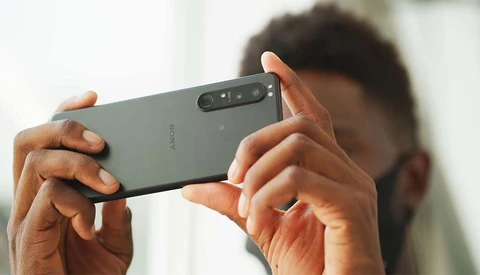
Camera phones have become remarkably advanced in the last few years, especially as we have seen some impressive advancements in computational photography that help to offset the drawbacks of their small sensors. Sony's new Xperia 1 IV ups the ante even more by being the first phone with an optical zoom, and this great video review takes a look at the sort of performance and image quality you can expect from it.
It's no secret about how Apple and other manufacturers get around the optical zoom problem on smartphones. One only needs to look at the back of the phone to see the ever-increasing number of lenses and sensors stuffed into the back shell. Sony, however, has figured out another way.
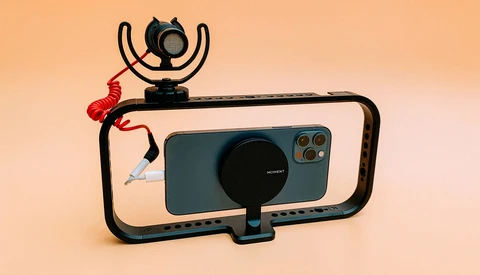
I have a cage for my iPhone. But I thought about how I could it to rather use MagSafe instead of clamping it in each time I wanted to shoot a video. And now Moment has released the perfect MagSafe-equipped Mobile Filmmaker Cage. They’ve sent one over for me to test, and here are the results.
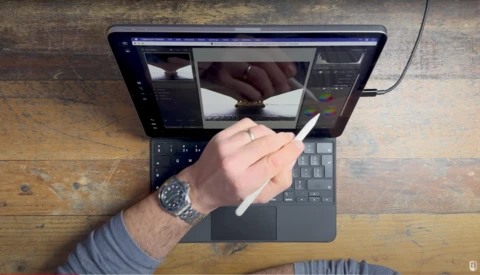
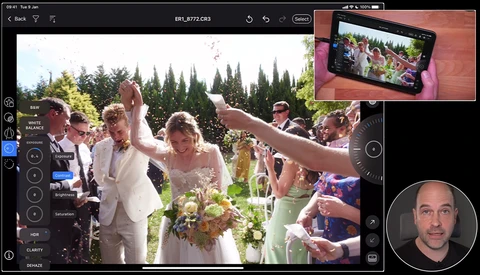
A lot of photographers love Capture One, particularly for the image quality it produces and for its robust tethering capabilities. Capture One plans to expand in 2022, with a new iPad app on the way, and this video preview shows some of what you can expect.
Sometimes the best camera is the one you have with you and at times it's not your DSLR or mirrorless one. This is difficult because there are pros and cons to both options. If you have a mobile phone with you, then that can be the best option. However, if you need a more professional or reliable camera, then your DSLR or mirrorless will of course be the better choice.
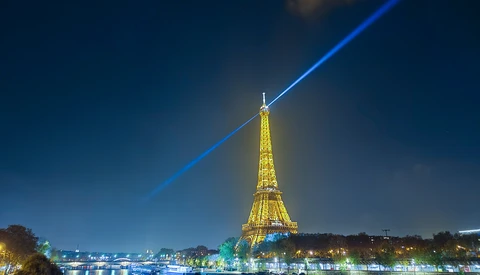
How many times have you gone out after dark, wishing you had your camera with you? Night photography opens up a world of extraordinary images, and with the advanced technologies of our mobile phones today, you can get excellent image quality.
Smartphones have been around for over a decade now. In this time, although there have been great technological advances, such as longer battery life and larger screens, the most important one to photographers is better image quality.
Have you ever considered using a phone for a professional project? I hadn’t but I was pleasantly surprised by what the vivo X70 Pro+ phone was capable of. Sure, it has all the technical specs with an imaging system co-engineered with ZEISS and their color correction technology built-in, but what was it like to shoot with?
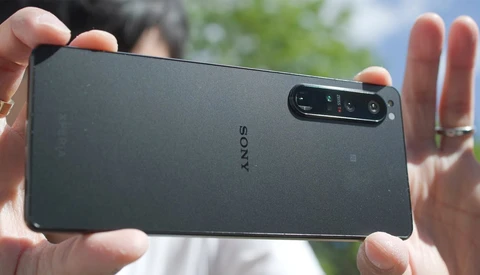
Sony's a bit of a niche player in the smartphone market, but with their latest offering, they seem to have managed the impossible, which is cramming a 1-inch sensor into a very thin cell phone.