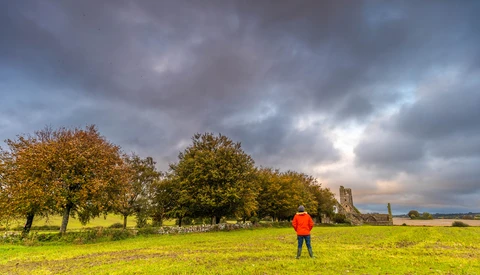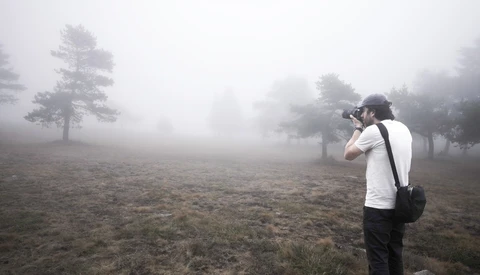
Chasing Fog in Galicia: How to Work a Single Tree
Fog changes a landscape into something you can actually shoot, but the fog alone won't hand you a photo. You still have to find a subject worth pointing the camera at, and then you have to work it.
Fog changes a landscape into something you can actually shoot, but the fog alone won't hand you a photo. You still have to find a subject worth pointing the camera at, and then you have to work it.
When the sky gives you nothing, the smart move is to stop shooting it. That single decision turned an overcast, drizzly afternoon at the beach into a productive session built entirely around red rocks, rock pools, and golden sand.
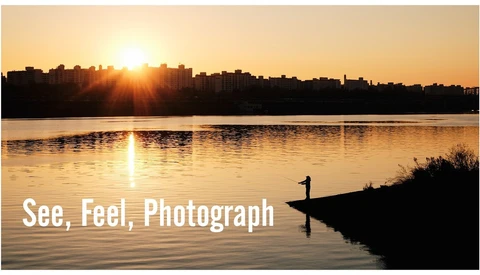
Light gets talked about like it comes in two flavors, good and bad, and that framing quietly limits what you shoot. Treating every kind of light as workable, rather than sorting it into keepers and mistakes, opens up scenes most people walk past.
Rain in the forecast for the first time in months, dark clouds gathering to the north, and a family lunch that can't be moved. That collision between perfect conditions and almost no time is the reality most people shooting landscapes live with, and it shapes every decision made across one very short morning.
You have probably been told to pack up your camera during the middle of the day and wait for sunrise or sunset. Hard midday light rewards a completely different approach, and once you learn to read it, whole hours you used to skip become usable.
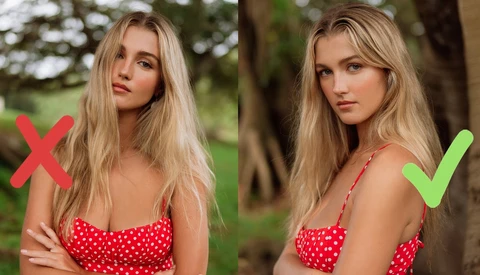
A great subject, beautiful light, and the right gear can still leave a portrait feeling like something is missing. The gap between an image that falls flat and one that holds your attention almost always comes down to composition.
Light shapes every landscape photo you take, whether the sun is blazing or hidden behind heavy cloud. Getting a handle on how it falls on your subject is the difference between a flat frame and one with real depth.
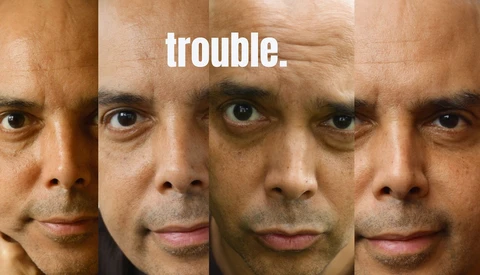
Natural light sounds foolproof until you realize the walls, grass, and brick around your subject are quietly wrecking your skin tones. Omar Gonzalez shot four portraits in four different locations, same camera, same white balance, and the color differences are visible enough to make you rethink where you've been setting up.
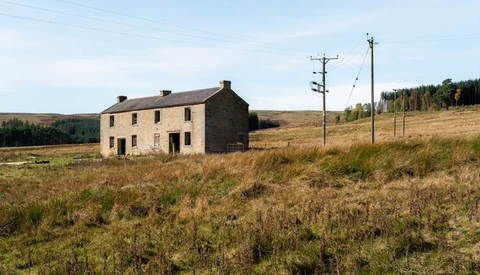
Stop relying on chance and hoping for the best when you press the shutter button. Let's see how asking three simple questions can instantly transform your photographic process and knowledge of the scene.
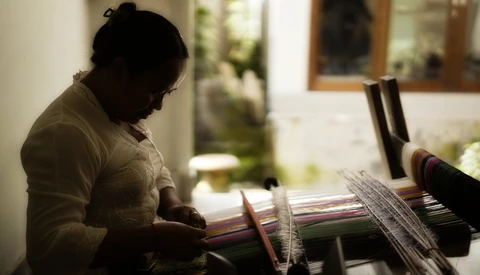
Let’s talk about shooting from the shadow side, where light rakes across your subject at an angle, transforming ordinary photos into cinematic images by adding dramatic contrast and dimensional depth.
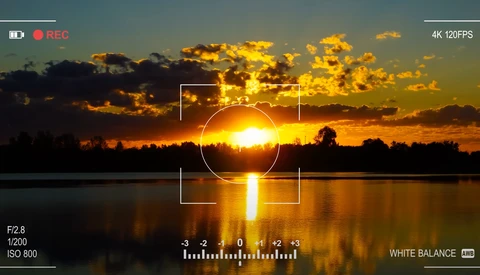
Let’s discuss the importance of capturing well-exposed images in camera to prevent difficulties during post-processing. This can be achieved using various metering modes available on cameras and understanding their impact on exposure settings; however, there is one specific metering mode that can be particularly effective in avoiding bright pixels in your images.
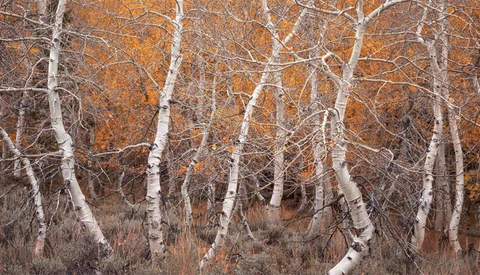
Charles Cramer is one of the photographers whose work I greatly admire. Cramer is one of the very premier landscape photographers in the world, having printed his photographic work first using the dye transfer process, then Cibachrome/Ilfochrome (which I have also printed), and now using digital means.
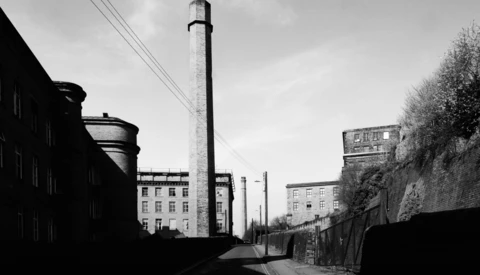
More is sometimes less. High dynamic range can be great for bringing out the details in your photographs’ shadows and highlights, but it can also make them look rather flat, clinical, and lifeless. If you want to give your images impact and emotional depth, consider trying high contrast instead.
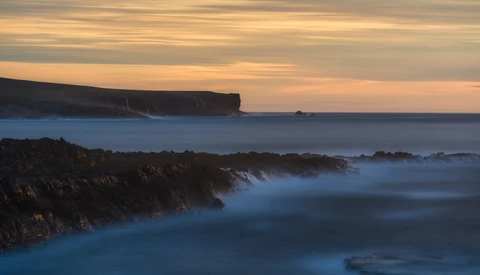
If there is one thing I have learned over the many years of photographing nature, it’s that she waits for no one. One of the biggest lessons in nature photography is being out in nature at the right place and the right time.
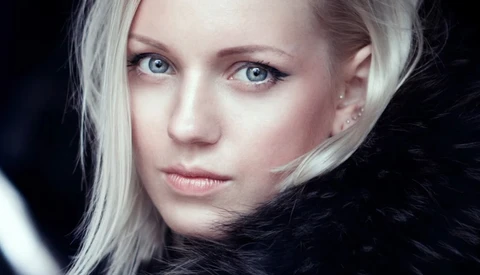
Natural light portrait photography demands a nuanced understanding of how light interacts with the environment. By learning to read and work with available light, you can transform challenging conditions into opportunities for creating captivating portraits that stand out from the crowd.
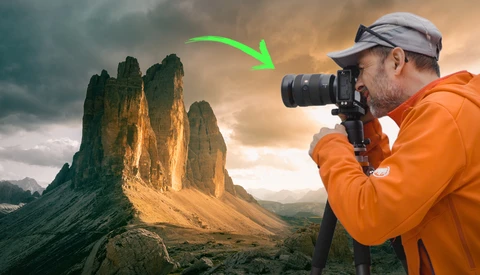
We’ve all been there: a stunning landscape, but the weather forecast was wrong again. Traditional weather forecasts are simply not designed for photographers. But there is a new tool that changes the game.
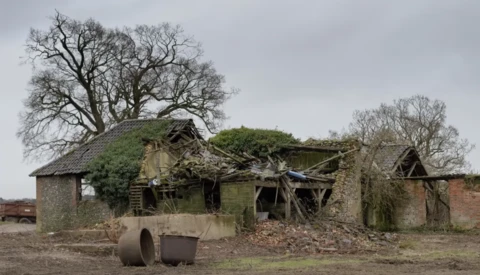
Bright sunshine can be a gift to the photographer, creating deep shadows and contrast that accentuate shapes and forms and lend your images a vivid intensity. But the flat, gray light of an overcast day has its own special ambiance and mood that can be a better fit for more contemplative scenes.
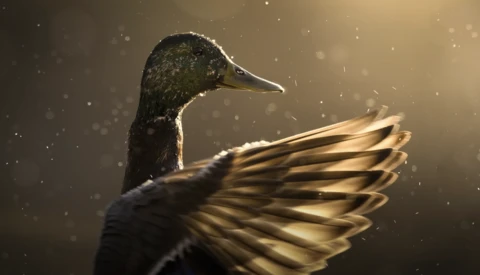
The best thing about the internet is that there are so many sources of photography education out there. The worst thing about the internet is... that there are so many sources of photography education out there. So how do you sort facts from lies told so often that they’ve acquired the status of fact?
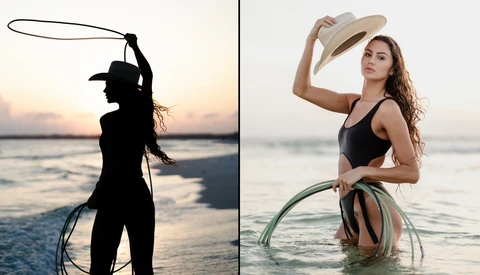
Natural light can elevate your portrait photography with its soft, flattering qualities. Whether you're shooting indoors or outdoors, mastering natural light is key to creating beautiful, professional-quality portraits.
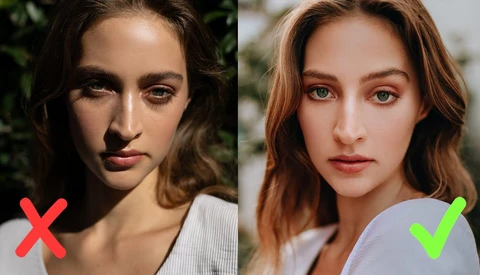
Natural light is one of the most versatile tools in photography, but it can also be tricky to master. The way you use it can make or break your images, and getting it right takes some practice and attention to detail.
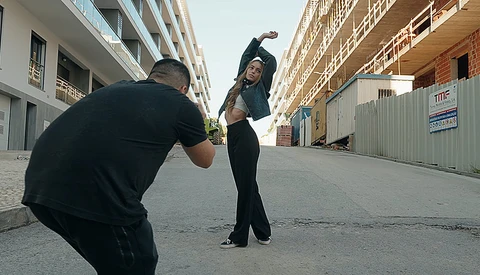
Too often it's easy to overlook the beauty of natural light instead of controlling that most important photography variable. But in the words of YouTuber and photographer Tung Bui, "Natural light portraits shouldn't be a challenge ... they should be enjoyable."
It's with that in mind that Bui offers several tips for how to maximize your efforts using only natural light.
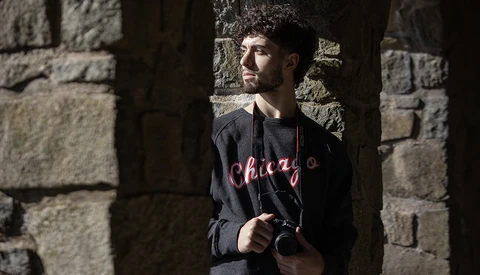
I’ve heard many a photographer scoff at using lighting equipment for portraits, labeling themselves a “natural light photographer.”
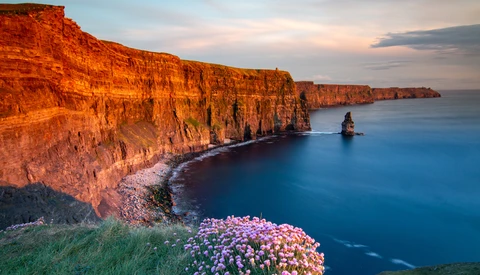
When it comes to landscape photography, certain destinations immediately come to mind – the dramatic landscapes of Iceland, the majestic mountains of the Canadian Rockies, or the iconic landmarks of the American Southwest. However, there is one country that often gets overlooked as a photography hotspot: Ireland.
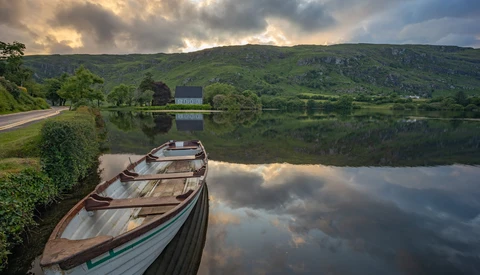
As photographers, we are constantly in pursuit of the perfect shot. Sometimes, the conditions don't align as expected, and the location we had in mind for a stunning sunset turns out to be better suited for a breathtaking sunrise. In such situations, it's important to embrace the opportunity and capture the beauty of the moment.
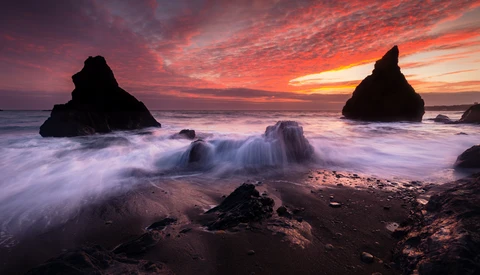
The enchanting allure of golden hues, vibrant skies, and serene landscapes make both sunrise and sunset photography captivating endeavours. While sunrise photography has its undeniable charm, there are distinct qualities that make sunset photography equally mesmerising, if not more.
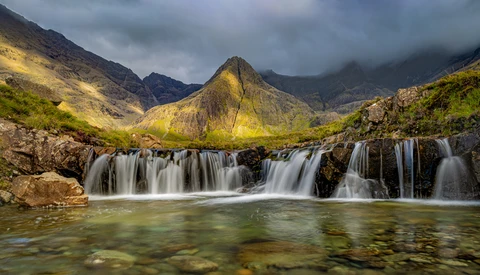
Prepare to dive headfirst into the world of waterfall photography! In this article, we'll uncover the five secrets that will make your waterfall shots as majestic as possible. So, grab your camera, put on your raincoat, and let's embark on this adventure.
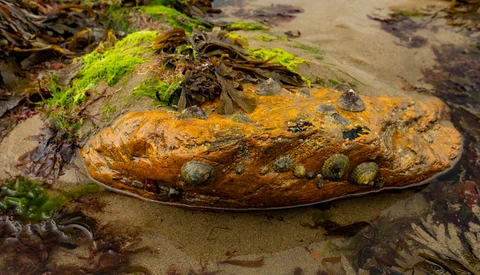
Rock pools are captivating microcosms of marine life nestled along the coastline, holding a world of hidden treasures waiting to be discovered. But have you ever wondered how you can capture the vibrant colors and intricate details of these submerged wonders?

Identifying trends in commercial photography is important. It helps you develop your practice and keeps you on your toes! One of those trends right now is hard light. Hit that subject hard, cast some shadows, and make it look like we're all shooting poolside, sipping piña coladas!
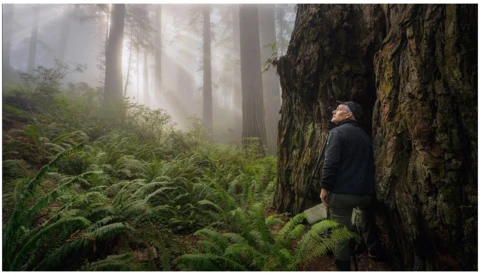
If you'd like to know how to add real drama to your images in forests, such as incredible rays of light and gorgeous sunbeams, then this will be extremely helpful for you.
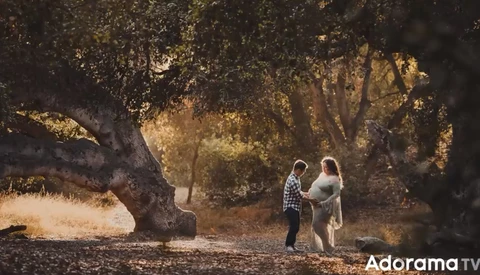
Natural light portraiture is a great way to stay versatile and able to move through a variety of locations and poses quickly without having to deal with the logistics and interruption to your creative workflow presented by lugging around a bunch of lights and modifiers. However, because you can’t control the light, you need to consider your compositions a bit differently.
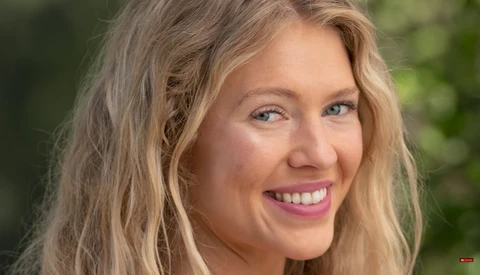
Shooting natural light portraits does not mean you are stuck using the sunlight exactly as it is without any modification. You can use modifiers to shape the sunlight to be more flattering, and this great video tutorial will show you an effective way to create such illumination.
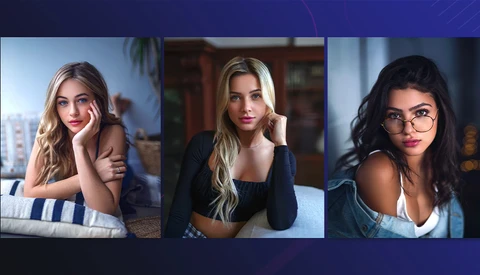
Natural light can be more versatile than you might think, and with a good understanding of how to shape it and orient your subject within it, you can create a wide variety of compelling photos. This helpful video tutorial will show you three different natural light setups you can use for portraits along with some great tips to get the most out of each of them.
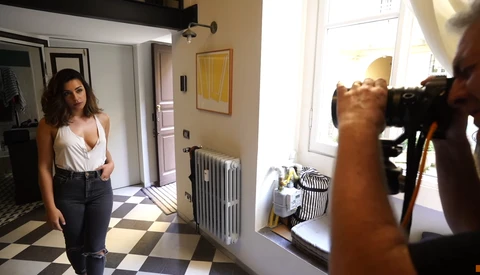
It's easy to think that if you want to put together a great portrait shoot you need to book an expensive location and have a room full of lights, but sometimes simplicity can be more rewarding.
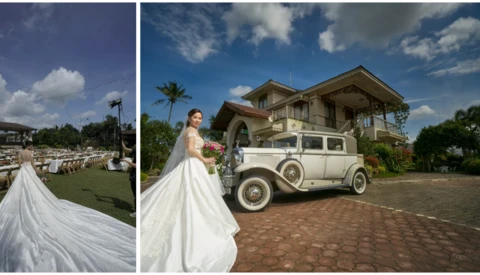
Why would you even consider shooting under the hard and harsh light of midday? Here are some reasons that you should consider it and how you can pull it off.
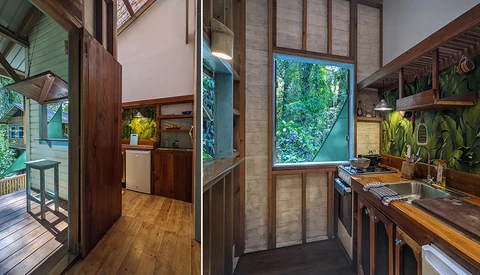
The past four months I've been staying in many Airbnbs and hotels while traveling through Portugal, Costa Rica, and Panama. What I noticed while looking for accommodations were the often unprofessional photos those places use for their listings. Some were so bad that I directly skipped to the next listing, not even looking at the reviews.
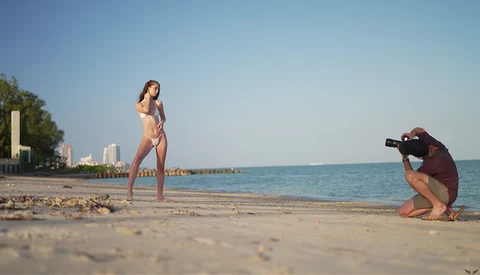
When it comes to swimsuit photography, Joey Wright is one of the best in the world, and he is a fantastic teacher on top of that. If you would like to improve your work, check out this fantastic video tutorial in which Joey shares eight excellent tips for shooting natural light beach photos.
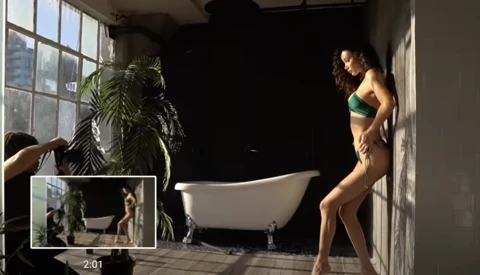
Utilizing natural light in your photography can be a quick and easy way to create portraits without having to fuss over strobes, light stands, and light modifiers. In this video, photographer Anita Sadowska takes us along for a swimwear shoot in an NYC location that features floor-to-ceiling windows, which allow for a generous amount of natural light to enter.
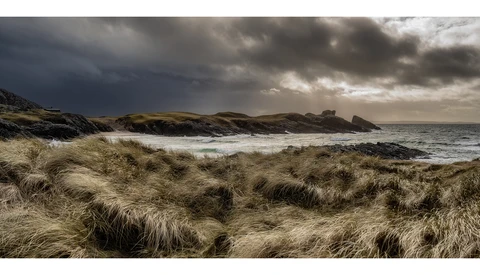
Even with all the planning, the one thing you can't control is the weather. But if you wait out the storm, you can sometimes get some spectacular light.
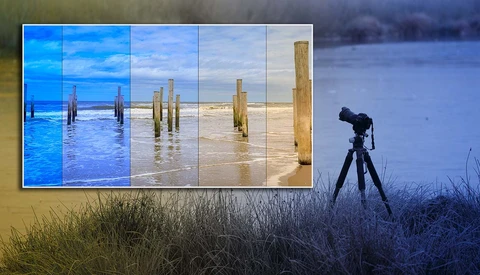
If you look at your camera, you will find a button to change the white balance. You can choose either auto white balance or one of the other predefined settings. But it is also possible to set the color temperature itself. Is there a difference between color temperature and white balance?
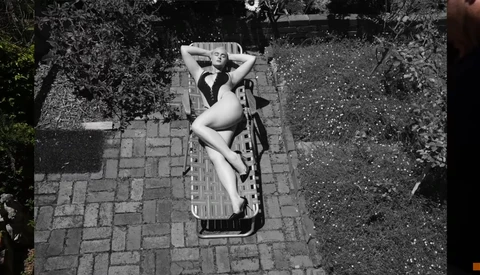
Natural light portraiture is forever popular, but as us photographers know, more light isn't necessarily better. In fact, like half-breed vampires, we shy away from the sun at its brightest during midday.
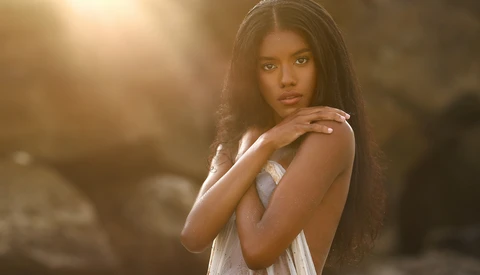
Golden hour is the holiest of times for photographers of many genres, however, it takes some technical understanding if you want to get the most out of it in your portraiture. In this video, Irene Rudnyk takes you behind-the-scenes of her beach portraiture shoot at golden hour to give you some tips.
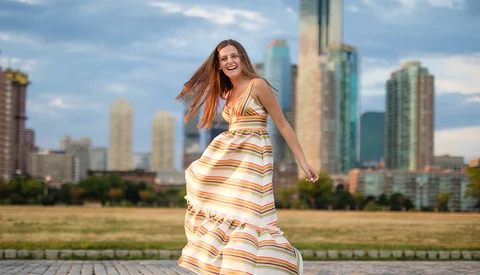
Natural light portraits are quite popular, particularly among newer photographers who are still learning the ins and outs of lighting, camera settings, posing, etc. They can be deceptively complex, however, which leads to some common mistakes.
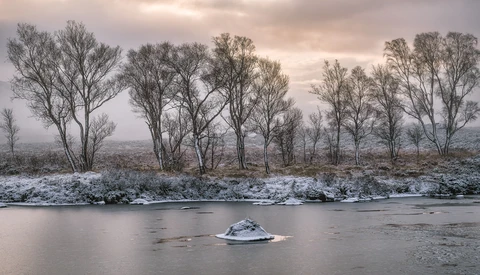
If you are thinking about booking a workshop in the coming year, how do you choose what one to book, and what do you hope to get out of the workshop?
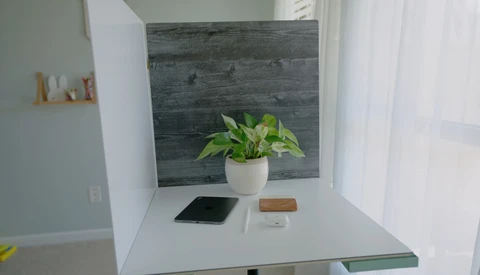
Product photography is a deceptively deep genre of the craft and to get the most out of it requires experience and often a lot of lighting equipment. But that isn't to say lots of lighting equipment is always necessary. Here is how one photographer uses only natural light and still gets some beautiful results.
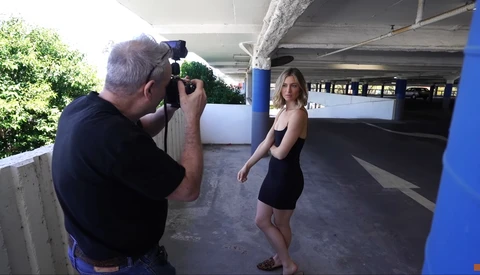
It's easy to look around at local locations and think that you have no chance of creating beautiful, natural light portraits because of them. However, with the right positioning and knowledge, you will be able to create stunning images with great light.
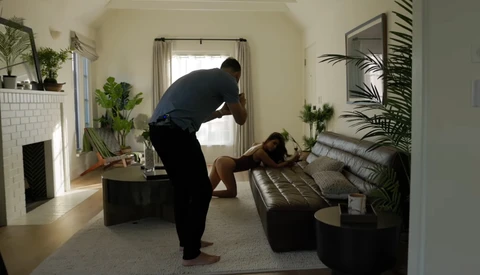
I feel like boudoir portraits, for the most part, fall within two different types when it comes to lighting and atmosphere: light and airy or dark and moody. If you are looking to step out of your comfort zone of light and airy and try taking some dark and moody portraits, here are three simple tips to help you start.
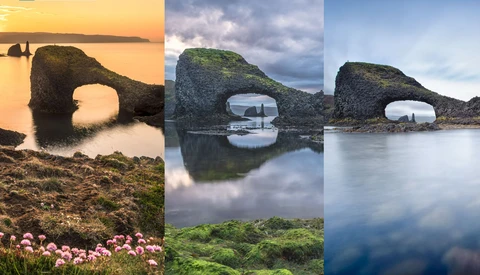
Trying to create the most unique photograph of a landscape is hard to do, especially if it's a well-known photo hotspot like Iceland. But these two local photographers revisited the same spot over and over to produce wildly different and stunning images. It's hard to get landscape photography right at the best of times.

In the age of social media, we often only ever get to see the best version of things: the best-looking meal images, our best-looking selves in selfies, the best this, the best that. For photographers, this too can mean that we only ever get to see the best images from other photographers.