
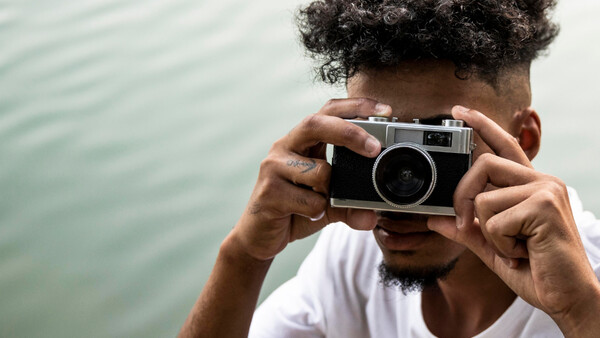
The most valuable photographs you've ever taken weren't the ones you saw immediately on your camera's LCD screen. They were the ones you had to wait for—sometimes a week, sometimes longer—wondering if that perfect moment you thought you captured actually materialized on film. This isn't nostalgia talking; it's psychology, and understanding it reveals something profound about how we value images in an age where we take more photos in a day than our grandparents took in a year.
The relationship between waiting and desire isn't just romantic poetry; it's hard science that transformed how entire generations of photographers approached their craft. When every frame cost money and every shot required patience, photography operated under fundamentally different psychological principles than it does today. The question isn't whether digital photography is superior to film—it demonstrably is in almost every technical measure. The question is whether something irreplaceable was lost in the transition from delayed to instant gratification, and what that loss means for how we create and value images today.
The Psychology of Anticipation in Creative Work
Delayed gratification operates on a simple but powerful psychological principle: the longer we wait for something, the more valuable it becomes in our minds. This isn't just folklore; it's a well-documented cognitive bias that affects everything from wine appreciation to stock market investing. In photography, this principle created a unique creative environment where the act of taking a photograph was only the beginning of a longer psychological journey.
The anticipation phase between capture and viewing served multiple psychological functions that shaped the entire photographic process. First, it created space for imagination to fill gaps in memory. When you couldn't immediately review what you'd shot, your mind continued working on the image, often idealizing it or worrying about technical failures. This mental rehearsal intensified emotional investment in ways that immediate feedback simply cannot replicate.
The uncertainty inherent in film photography also triggered what psychologists call "intermittent reinforcement"—the same mechanism that makes gambling addictive. You never knew which frames would work and which would fail, creating a powerful psychological reward system. When a difficult shot turned out perfectly after a week of wondering, the dopamine hit was exponentially stronger than the mild satisfaction of reviewing a successful digital capture immediately.
This psychological framework had profound effects on shooting behavior. Photographers using film naturally developed more deliberate approaches, not just because film was expensive, but because the delayed feedback loop trained them to think more carefully about each frame. The inability to immediately delete "bad" shots also meant that photographers had to live with their mistakes long enough to learn from them, rather than simply discarding them in the field.
The Technical Reality of Waiting
Understanding the psychology of delayed gratification in photography requires understanding the technical realities that created those delays. In the pre-digital era, the time between capture and viewing wasn't arbitrary; it was built into the fundamental architecture of the medium.
Professional labs in major cities could turn around color negative film in 24-48 hours if you paid rush fees, but standard processing typically took three to five business days. Slide film, preferred by many serious photographers, often required longer processing times, especially for specialized emulsions like Kodachrome, which required proprietary processing that was only available at specific labs. For photographers outside major metropolitan areas, add shipping time to and from labs, and a week's wait was common, sometimes extending to two weeks.
The processing timeline created natural checkpoints in the photographic workflow. Photographers developed shooting rituals around these constraints: the decision of when to finish a roll, the trip to the lab, the anticipation period, and finally the revelation moment. Each step carried psychological weight because each represented a significant investment of time and money.
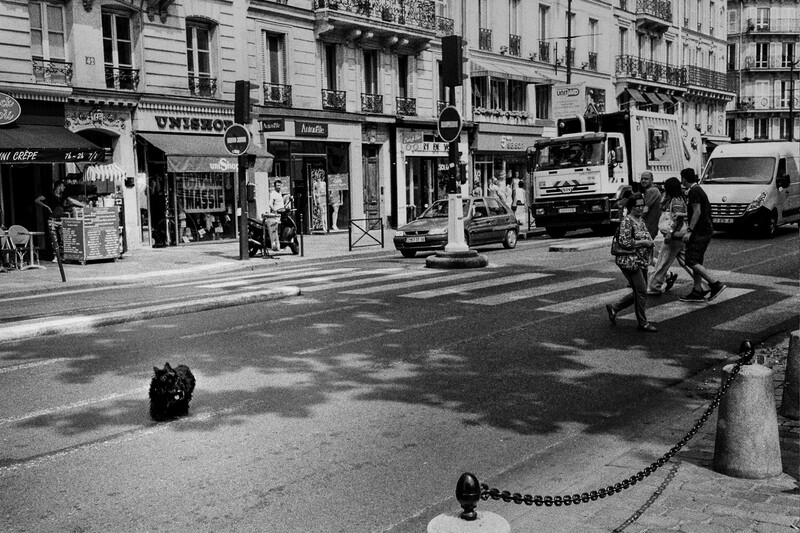
The inability to review and delete shots immediately also meant that photographers had to develop different mental models for success rates. Professional photographers might expect to get four to six keeper shots from a 36-exposure roll, with maybe one exceptional frame per several rolls. This hit rate was factored into how photographers approached assignments and personal projects, creating a very different relationship with failure and success than digital photographers experience.
Memory Formation and Emotional Investment
The delay between capture and viewing didn't just affect how photographers valued individual images; it fundamentally altered how those images connected to memory and emotional experience. When you couldn't immediately see what you'd captured, your memory of the shooting experience remained uncontaminated by the technical reality of the final image.
This separation created a unique psychological space where the experience of taking the photograph existed independently from the photograph itself. You remembered the light, the moment, the feeling of composition coming together, without immediately knowing whether the technical execution matched your artistic vision. This preserved the emotional purity of the shooting experience in ways that immediate digital feedback cannot.
The anticipation period also allowed memory to work on the images in ways that immediate viewing disrupts. During the waiting period, photographers often continued to mentally refine and enhance their memory of what they'd captured. This mental processing meant that when the images finally returned from the lab, they were viewed not just as technical documents but as confirmations or contradictions of an ongoing internal dialogue about the work.
The emotional investment created by delayed gratification also extended to contact sheets and proof prints. The ritual of examining images, marking keepers, and planning enlargements created multiple layers of engagement with the work. Each step required time and attention, building cumulative emotional investment that made the final prints feel genuinely precious. This process also created natural curation pressure. When every image cost money to print and examine, photographers developed more sophisticated internal editing mechanisms. The economics forced decisions about which images deserved enlargement, creating a value hierarchy that was both aesthetic and financial. This economic pressure, while sometimes frustrating, also served as a powerful teacher for developing visual judgment.
The Digital Revolution and Instant Feedback
The transition to digital photography fundamentally altered the psychological experience of photography. The shift from delayed to instant gratification happened gradually for most photographers, beginning with early digital cameras in the late 1990s and accelerating through the 2000s as image quality improved and costs decreased.
Early digital cameras like the Canon EOS D30, released in 2000, offered immediate image review but still required deliberate action to view images on small, low-resolution LCD screens. The psychological experience was somewhere between film and modern digital photography: you could check your shots, but it required intentional effort and the viewing experience was limited. The instant feedback was revolutionary for technical photographers who could immediately verify exposure and focus, but the small screens and slow processing didn't yet create the compulsive review behaviors that modern cameras enable.

This instant feedback created new shooting behaviors that would have been impossible with film. Photographers could immediately delete unsuccessful shots, try multiple variations of the same composition, and verify technical settings in real-time. The safety net of immediate review also enabled more experimental approaches, since failed experiments carried no economic cost beyond storage space.
However, the instant feedback also eliminated the anticipation phase that had created much of photography's emotional intensity. The psychological journey from capture to viewing, which had previously stretched over days, was compressed into seconds. The intermittent reinforcement that made successful film photographs feel so rewarding was replaced by immediate, constant feedback that reduced the psychological impact of any individual image.
What We Lost in Translation
The shift from delayed to instant gratification in photography represented a fundamental change in how photographers relate to their work. While digital photography gained tremendous advantages in technical flexibility and economic efficiency, it also lost psychological elements that had shaped photographic practice for over a century. The most significant loss was the development of patience as a creative skill. Film photography required photographers to live with uncertainty, to make peace with technical limitations, and to trust their judgment without immediate confirmation. These constraints forced the development of visualization skills: the ability to predict how a scene would translate to the final image. Digital photography's instant feedback, while technically superior, can actually inhibit the development of these prediction skills by providing immediate answers rather than requiring internal development of visual judgment.
The elimination of economic pressure per frame also fundamentally altered shooting behaviors. When every frame was free, photographers lost the economic incentive to carefully consider each shot. This freedom enabled tremendous creative experimentation, but it also removed a powerful teacher. The financial consequence of poor technique or hasty composition decisions had forced photographers to develop more disciplined approaches to their craft. The compression of the anticipation phase also eliminated a crucial component of photographic satisfaction. The delayed gratification of film photography created emotional peaks that were difficult to replicate with instant feedback. Digital photographers might take hundreds of images in a session and be satisfied with the technical results, but struggle to identify which images carry the same emotional weight that film photographers experienced with their carefully anticipated results.
Perhaps most significantly, the shift to instant feedback changed how photographers relate to failure. Film photographers had to live with their mistakes long enough to understand them. A poorly exposed or poorly composed frame would sit on the contact sheet as a reminder and a teacher. Digital photographers can immediately delete failures, losing the opportunity to study and learn from them. This immediate deletion also eliminates the possibility of discovering accidental successes; images that seemed like failures in the field but reveal unexpected qualities upon closer examination.
The Curation Crisis
Digital photography's elimination of per-frame costs created an unprecedented problem in photographic history: the curation crisis. When photographers can take thousands of images without economic consequence, the challenge shifts from capturing enough good images to identifying which images are actually worth preserving and sharing.
The psychological framework that had guided photographic curation for over a century suddenly became irrelevant. Film photographers had developed sophisticated internal editing mechanisms driven by economic necessity. They learned to ruthlessly evaluate their work because printing and storing images carried real costs. Digital photographers, freed from these economic constraints, often struggle with curation decisions that their film-shooting predecessors handled automatically.
This curation crisis extends beyond individual photographers to affect how audiences consume and value images. When photographers post dozens of images from a single session, viewers develop fatigue and difficulty identifying the photographer's strongest work. The scarcity that had made individual photographs precious is replaced by abundance that can diminish the impact of exceptional images.
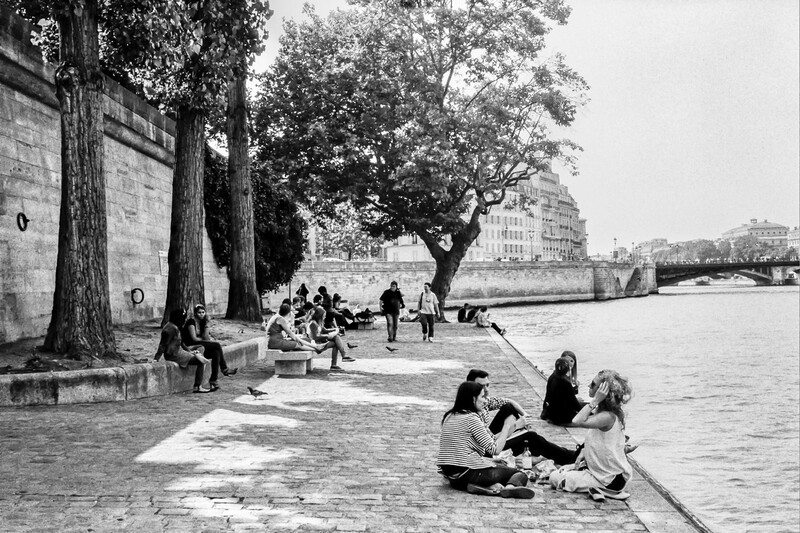
Modern photographers can learn from film's curation pressure by imposing artificial constraints on their digital work. Some photographers deliberately limit themselves to small memory cards, forcing immediate editing decisions in the field. Others adopt "one keeper per roll" challenges, editing their digital sessions as if they were working with 36-exposure limitations. These approaches attempt to recreate the psychological pressure that made film photography such an effective teacher of visual judgment.
The Economics of Emotional Investment
Understanding why delayed gratification made photographs more precious requires examining the economic psychology that shaped film photography. The financial investment required for each frame created what economists call "sunk cost bias"—the tendency to value something more highly because you've invested resources in it.
In film photography, this sunk cost bias operated at multiple levels. The initial cost of film created investment in each frame before any shots were taken. The processing cost created additional investment in seeing results. The printing cost created yet another layer of investment in preserving and sharing successful images. Each financial decision forced photographers to evaluate whether an image was worth the additional investment, creating multiple opportunities for curation and value assessment. This economic structure also created natural portfolio-building behaviors. Because enlargements were expensive, photographers typically only printed their strongest work, gradually building portfolios of genuinely exceptional images rather than comprehensive documentation of their activities. The economic pressure served as a quality filter that helped photographers develop more sophisticated aesthetic judgment.
Digital photography eliminated these economic decision points, removing both the burden and the benefit of financial pressure. While this democratized photography by making it accessible to photographers who couldn't afford film's ongoing costs, it also removed a powerful forcing function for developing curation skills.
The psychological investment created by delayed gratification extended beyond economics to time investment. The anticipation period required photographers to mentally engage with their work in ways that immediate feedback doesn't replicate. During the waiting period, photographers often continued to think about their shots, imagining how they might turn out, worrying about technical problems, or planning follow-up sessions. This extended mental engagement created deeper emotional connections to the work than the brief moment of digital review typically provides.
Memory, Documentation, and Artistic Intent
The delayed gratification of film photography created a unique relationship between memory, documentation, and artistic intent that shaped how photographers approached their craft. When you couldn't immediately verify what you'd captured, your memory of the shooting experience remained the primary reference for evaluating the success of your images.
This separation between experience and documentation created space for photographs to function as triggers for memory rather than replacements for it. Film photographers often discovered that their strongest images weren't necessarily the most technically perfect representations of a scene, but the ones that most effectively captured the emotional essence of the experience. The delay between capture and viewing allowed this emotional memory to remain intact, uncontaminated by immediate technical assessment.
The anticipation period also encouraged photographers to trust their artistic instincts in ways that immediate feedback can undermine. When you couldn't immediately review your shots, you had to rely on your understanding of light, composition, and timing. This forced development of intuitive skills that could be weakened by dependence on instant feedback. Many photographers who transitioned from film to digital report that they initially lost confidence in their ability to visualize results without immediate confirmation. The delayed feedback also created different relationships with decisive moments. Film photographers learned to trust their timing and continue shooting through sequences without stopping to review individual frames. Digital photographers, with access to immediate feedback, often interrupt their shooting rhythm to check results, potentially missing subsequent moments in favor of technical verification.
This difference in approach particularly affected photojournalists and street photographers, whose work often depends on maintaining flow and anticipation rather than careful technical verification. The ability to immediately review shots could improve technical consistency but sometimes at the cost of maintaining the psychological state necessary for capturing spontaneous moments.
The Ritual and Rhythm of Analog Photography
Film photography wasn't just a different technology. It was a different ritual that shaped how photographers approached their entire practice. The physical constraints and temporal rhythms of analog photography created a ceremonial aspect to image-making that extended far beyond the moment of capture.
The ritual began with loading film, a deliberate act that marked the beginning of a photographic session. Unlike digital photography, where you can begin shooting immediately upon turning on the camera, film photography required preparation and intention. The physical act of loading a roll created psychological preparation for the shooting session ahead. The limitation of 36 exposures or less created natural shooting rhythms. Photographers had to pace themselves, considering not just individual shots but the overall economy of the roll. This constraint encouraged more thoughtful composition and timing, but it also created pressure to "complete" rolls efficiently, sometimes leading photographers to seek additional subjects near the end of a roll rather than waste remaining frames.
The advancement mechanism, whether manual wind lever or motor drive, created physical engagement with each frame that digital photography lacks. The tactile feedback of winding film, the sound of the shutter and advance mechanism, and the physical resistance that indicated the end of a roll all contributed to a more embodied relationship with the camera than digital photography typically provides. The transition between rolls created natural break points in shooting sessions. These pauses for reloading often provided opportunities for reflection, planning, and observation that could improve subsequent shots. Digital photographers can shoot continuously for hours without these built-in reflection periods, sometimes leading to less thoughtful work despite having more total frames.
Technical Limitations as Creative Catalysts
The technical limitations of film photography, while frustrating in many ways, often functioned as creative catalysts that pushed photographers toward more innovative solutions. The inability to immediately adjust ISO, the limited dynamic range of film emulsions, and the fixed number of exposures per roll all created constraints that forced creative problem-solving.
The limited sensitivity of most film emulsions meant that photographers had to become experts in reading and working with natural light. The inability to simply boost ISO settings in post-processing (though you could, to a degree, with some films) forced photographers to understand the quality and direction of light more deeply than many digital photographers ever need to. This constraint led to more sophisticated use of available light and more creative approaches to challenging lighting situations.
The dynamic range of film also required photographers to carefully consider the tonal relationships within their compositions. Unlike digital photography, where extreme dynamic range can be captured and compressed in post-processing, film photography required exposure decisions that balanced highlights and shadows within the medium's limitations. This constraint taught photographers to see and compose for the medium's specific characteristics rather than assuming that technical problems could be solved later.
The anticipation period between capture and viewing also functioned as a creative catalyst by preventing immediate technical second-guessing. Film photographers couldn't immediately see that a shot was slightly underexposed or poorly composed, so they couldn't immediately reshoot to "fix" perceived problems. This forced them to move forward creatively rather than getting stuck in technical perfectionism.
Many film photographers developed more intuitive relationships with their equipment precisely because they couldn't rely on immediate feedback to verify settings. They learned to estimate exposure by reading light conditions, to predict depth of field effects, and to anticipate motion blur characteristics. These skills, developed through necessity, often led to more confident and fluid shooting styles than digital photography's immediate feedback typically encourages.
The Social Psychology of Sharing
The delayed gratification of film photography also shaped the social aspects of photography in ways that have been fundamentally altered by digital sharing. When photographs required time and money to produce, sharing them was a more deliberate and selective process that created different social dynamics around image consumption.
Film photographers typically shared their work in more curated contexts: photo albums, gallery walls, or carefully selected prints given as gifts. The economic cost of reproduction meant that sharing was limited to images that the photographer considered genuinely worth preserving and showing. This selectivity created more focused viewing experiences for audiences, who could expect that any photograph they were shown had passed through multiple layers of curation.
The physical nature of film photographs also created different sharing rituals. Passing around prints, gathering around slide projectors, or sitting together to view photo albums created shared attention and discussion around images. These social viewing experiences often lasted longer and generated more conversation than the brief attention typically given to digital images in social media contexts.
The anticipation phase of film photography also affected how photographers built audiences for their work. Since images weren't available immediately, photographers had to maintain interest and engagement over time, often developing narrative skills and presentation techniques that enhanced the eventual reveal of their images. This delayed sharing often created more memorable experiences for viewers than immediate digital sharing typically provides. The scarcity of film photographs also made them more valuable as gifts and keepsakes. A carefully printed photograph represented significant investment of time, money, and artistic judgment, making it a meaningful object in ways that easily duplicated digital images cannot match. This scarcity created emotional weight that contributed to photographs functioning as important family and personal artifacts.
Modern Applications of Delayed Gratification
Understanding the psychological benefits of delayed gratification in film photography doesn't require abandoning digital technology. Rather, it suggests ways to thoughtfully apply these principles to modern photographic practice. Several contemporary photographers and educators have developed approaches that attempt to capture some of film's psychological benefits while maintaining digital's technical advantages.
One approach involves artificially limiting review of digital images during shooting sessions. Some photographers tape over their camera's LCD screen or use cameras in modes that prevent immediate image review, forcing themselves to rely on technical knowledge and artistic intuition rather than immediate feedback. This approach attempts to recreate the trust and confidence-building aspects of film photography while maintaining digital's other advantages. Another strategy involves imposing artificial scarcity on digital sessions through self-imposed frame limits. Photographers might challenge themselves to capture an entire event or location with the equivalent of one or two rolls of film (36-72 frames), forcing the same kind of careful consideration that film's economics demanded. This approach helps develop the curation and visualization skills that film photography naturally taught.
Some photographers also experiment with delayed editing workflows, where they deliberately wait days or weeks before reviewing and processing digital images. This approach attempts to recreate the anticipation phase that made film photographs feel more precious while allowing the emotional memory of the shooting experience to remain distinct from technical assessment of the results.
The key insight from film photography's psychological structure isn't that old technology was inherently superior, but that certain constraints and delays served important functions in developing photographic skills and maintaining emotional engagement with the medium. Modern photographers can benefit from understanding these functions and finding contemporary ways to incorporate them into digital practice.
Digital photography's elimination of per-frame costs and technical constraints created what psychologists call "the paradox of choice"—the counterintuitive finding that too many options can actually decrease satisfaction and decision-making effectiveness. Film photography's constraints, while limiting in some ways, also eliminated many decisions that can paralyze digital photographers.
When shooting film, photographers had to choose their ISO at the beginning of a roll and live with that decision for 36 frames. While this was limiting, it also eliminated the constant decision-making about sensitivity settings that can distract digital photographers from composition and timing. The constraint forced photographers to understand the characteristics of specific film emulsions deeply rather than constantly adjusting settings to match changing conditions. Similarly, the fixed number of exposures per roll created natural editing pressure that eliminated many curation decisions. Film photographers couldn't take "just one more" of the same subject indefinitely—at some point, the roll would end, forcing them to move on or reload. This constraint prevented the endless iteration that can trap digital photographers in technical perfectionism at the expense of creative exploration.
The delayed feedback of film also eliminated the choice of whether to continue shooting after reviewing individual frames. Film photographers had to trust their judgment and continue shooting, developing confidence in their ability to visualize results. Digital photographers face constant micro-decisions about whether to reshoot, adjust settings, or move on to new subjects based on immediate review of previous frames. These eliminated choices weren't just conveniences; they were often educational. The constraints forced photographers to develop confidence, technical knowledge, and artistic judgment in ways that unlimited options sometimes prevent. Understanding this paradox helps explain why some photographers who learned on film report feeling less satisfied with their digital work despite its obvious technical superiority.
Conclusion: What Preciousness Really Means
The psychological investigation of why waiting made photographs more precious reveals something fundamental about how we assign value to creative work. It wasn't simply the delay itself that made film photographs feel more meaningful; it was the combination of economic investment, emotional anticipation, technical uncertainty, and forced curation that created a framework for developing deeper relationships with images.
Digital photography's instant gratification eliminated many frustrations and technical barriers, democratizing photography and enabling creative possibilities that film never could. But it also inadvertently removed some powerful teachers: the patience required by uncertainty, the judgment forced by scarcity, and the satisfaction created by delayed rewards.





Join the Fstoppers community for free
-
Post comments and join in the discussions
-
Browse the site ad-free
-
Share your work and get featured in the community
-
Compete in the photo contests for fun and prizes
4 Comments
Being a great-grandfather myself, I appreciate both instant gratification (or disappointment) as well as delayed gratification (or disappointment) in using my Minolta SR-T201 I bought in 1976 or my Canon EOS R from 2019 and R5 from 2021.
I still cannot "Spray and Pray" in digital.
Beautifully observed! One subtle shift came to mind as I was reading:
In the film era, every frame carried a kind of risk — financial, emotional, sometimes even narrative. There was always that fear: the roll might run out just before the best moment arrived.
In digital, the risk hasn’t disappeared — it has simply changed. Now the danger is different: the frame might go unseen. Not because you didn’t shoot it, but because you didn’t recognize it among hundreds of others, especially if you shoot in RAW or DNG, where the image doesn’t yet “speak” until it's processed.
The risk of not shooting has become the risk of not noticing.
I started photography in the 70s and am still at it. The only thing film did for me over digital was cost me more money and cause loads of hassle. This article sounds like new-age emo tripe. I had as much emotional investment in "the film process" as I do dismissing cookie pop-ups and "legitimate use" sliders nowadays and felt exactly the same about it. I never appreciated waiting weeks to find out whether I'd ruined a shoot and four or more rolls of expensive film. To the extent I ended up developing my own MF slide film to cut the wait. Which caused even more hassle and expense. I wouldn't swap my 100mp for a lifetime of free film.
When I took film photos, I took fewer and fewer because it was expensive. They sat in a box. When I started using digital cameras, I was able to get instant feedback. I took more photos and now am able to keep looking at old ones over and to be able to crop and edit the way that I want to, rather than taking some to a developer and asking them to do one crop that I might not like. I became a much better photographer with digital.
Two years ago, I bought a medium format Mamiya film camera. Even using a digital to capture the framing that I wanted before taking the photo, it was just too much of a hassle(blad). (Sorry for the pun! hahaha)