

Most of us never question the shape of the frame—we just shoot what the camera gives us. We consider a 3:2 ratio normal, and we rarely stray from it. What happens when you stop treating aspect ratio like a default and start using it like a creative choice?
Initially, I rarely considered aspect ratio, unless choosing between 35mm or 120 film. Most of us don't question the shape of our frame; we simply shoot what the camera captures, often without a second or third thought. After I stopped shooting film, I forgot about the 1:1 ratio entirely. When I started using the Nikon D850, I appreciated being able to change the aspect ratio directly in the camera and see it in the viewfinder. This feature streamlined my workflow, making composition easier by removing guesswork and the need to crop later. I began deliberately using 1:1 more often, and it significantly influenced my composition, helping me stay focused on the scene
Why Most Photographers Ignore Aspect Ratio
We focus heavily on gear and the newest technology, but rarely consider the shape of our frame. Aspect ratio isn't just about the image's dimensions; it's a creative decision, though few photographers actually think about it. Usually, we stick to the default 3:2 out of habit, without considering experimenting with different shapes to enhance creativity. Aspect ratio is one of the easiest ways to change your visual thinking without purchasing new gear.
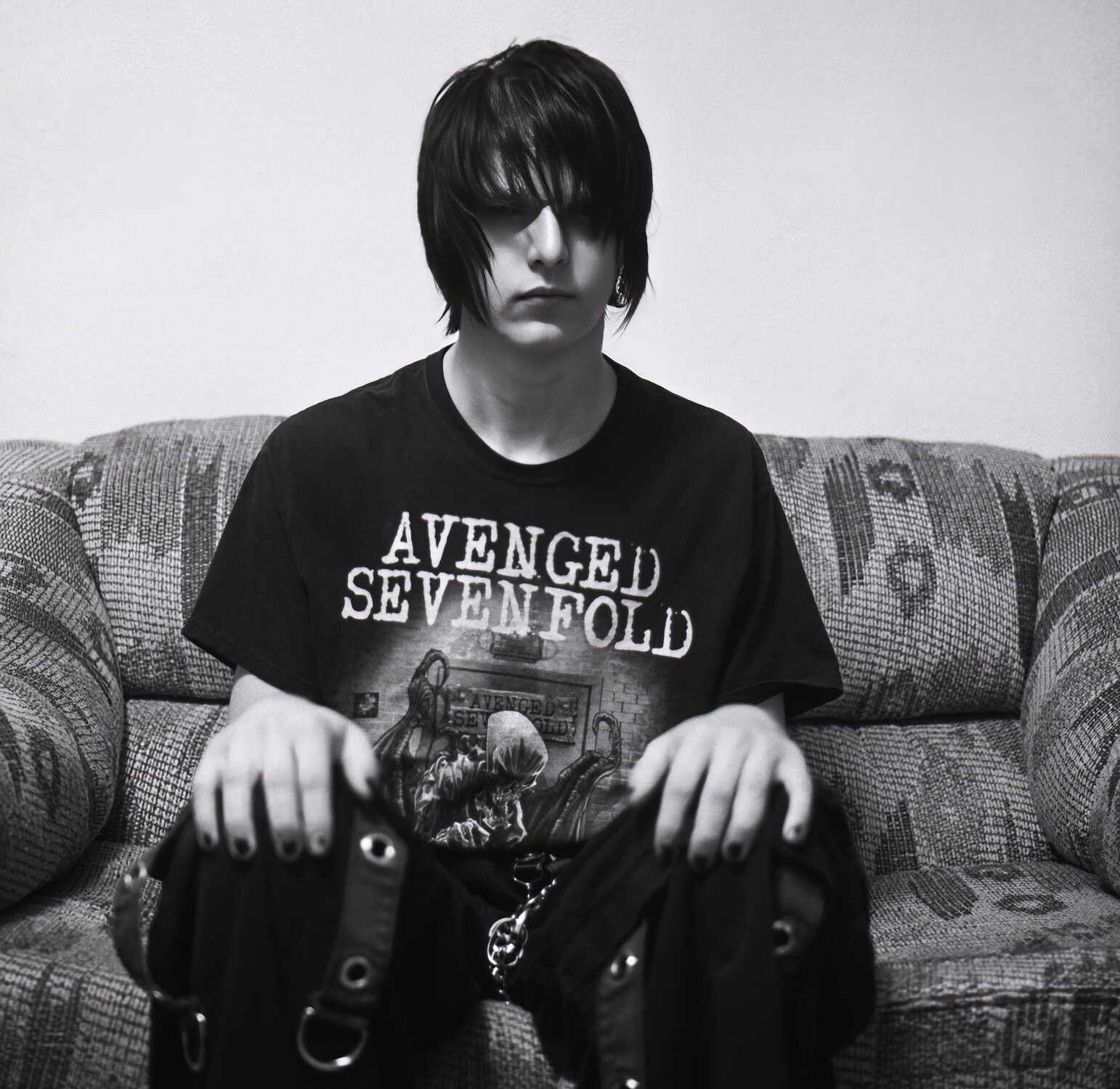
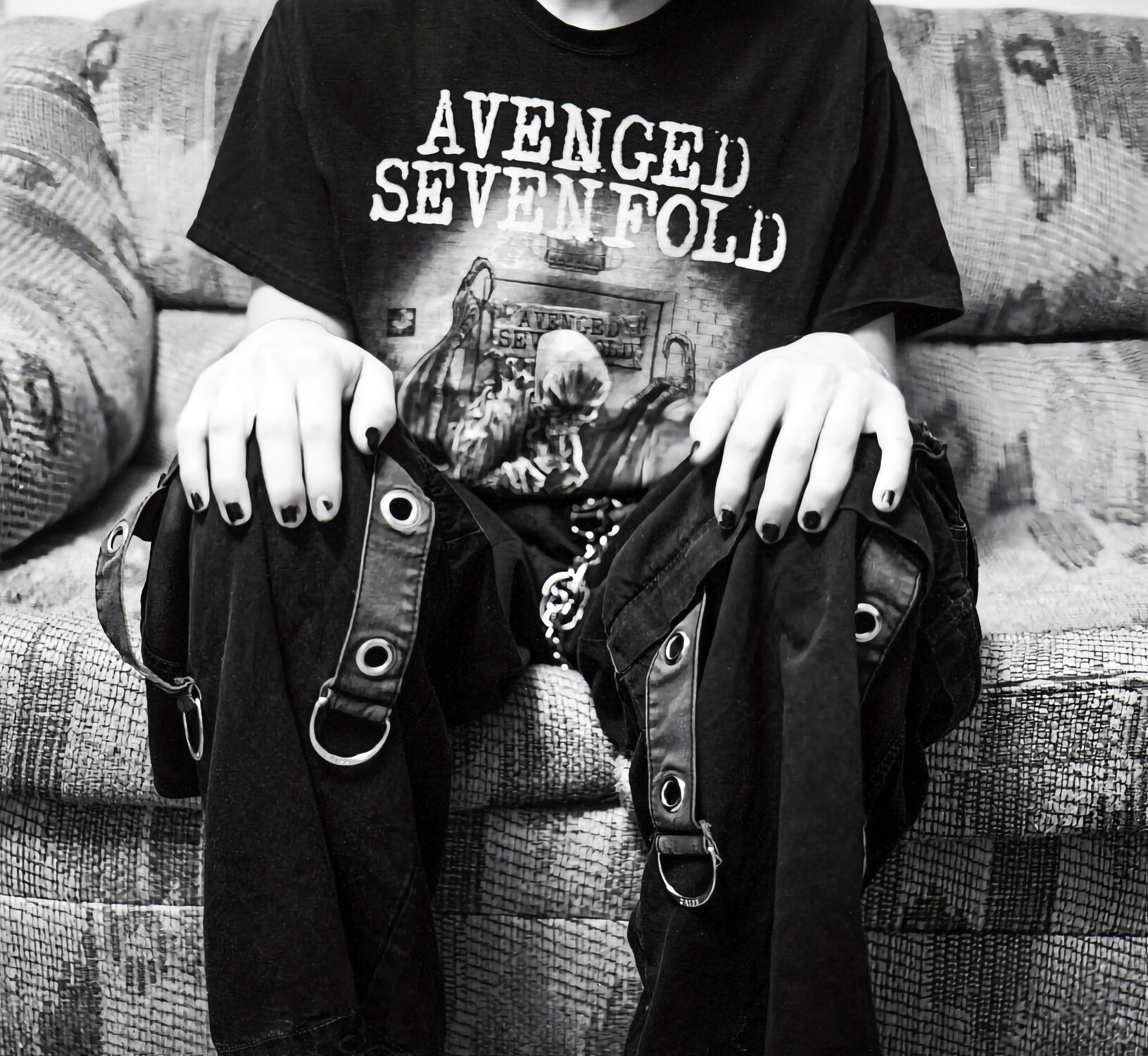
Why I Tried 1:1 in the First Place
Hasselblad wasn't the only reason I initially tried 1:1, but it was the only option available at that moment. I've always loved the square format, starting with the Hasselblad 500cm. During an intermediate college photography course, we worked with 120 film. I was intrigued by larger negatives, and I only used 35mm because it was more portable. I lost that ability when I switched to digital. At first, I was fine with it, but later, curiosity got the better of me. Gradually, I found myself drawn back to the square format in secret.
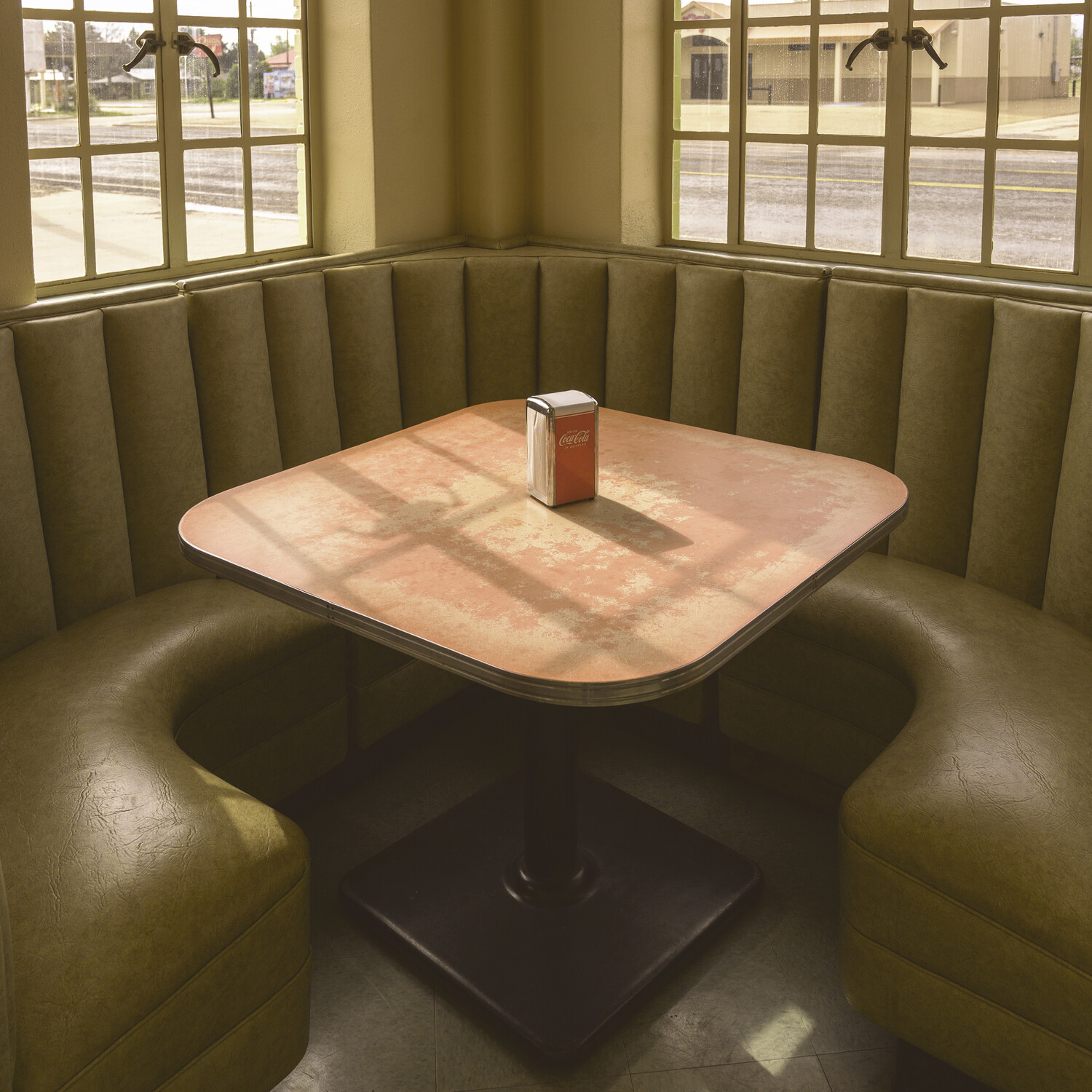
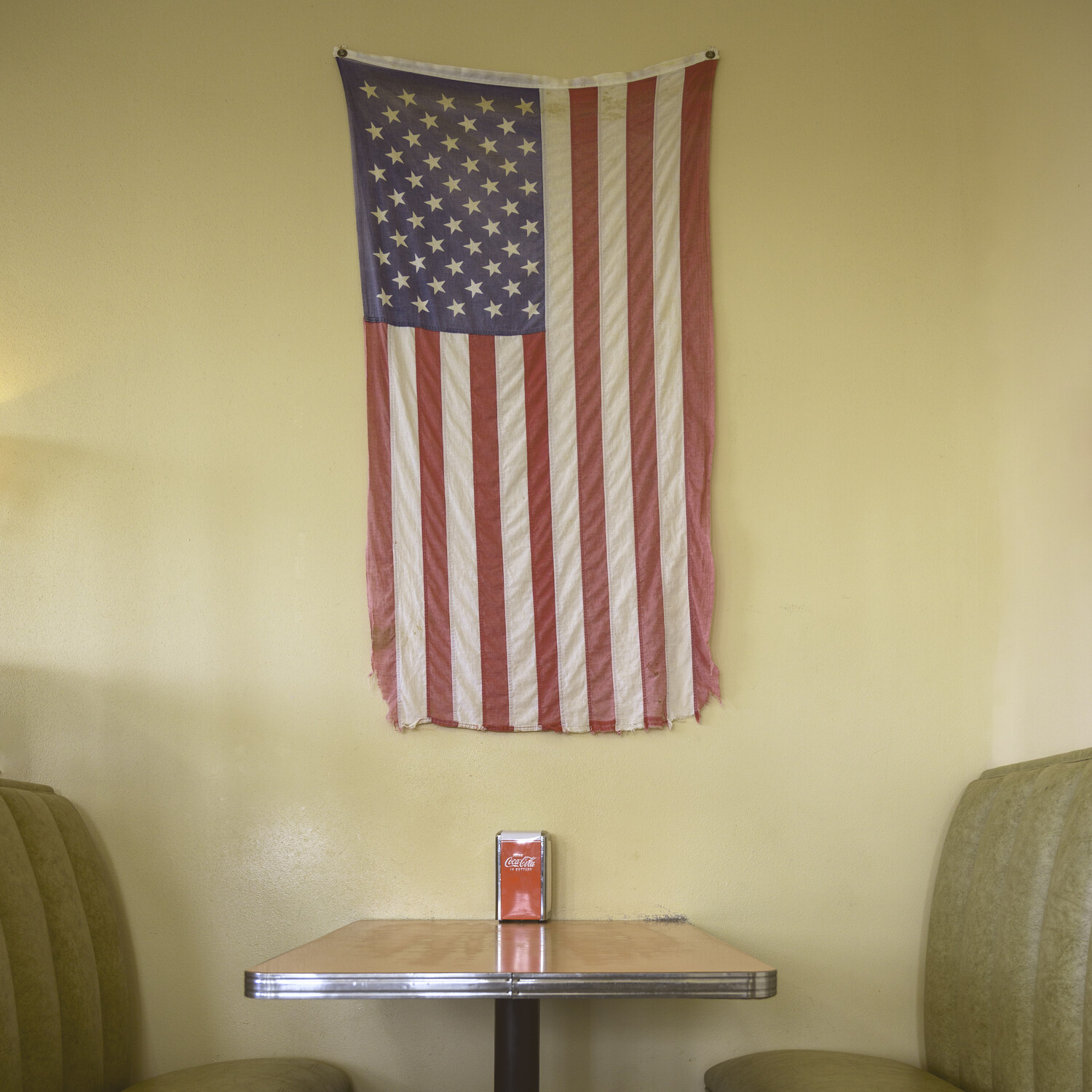
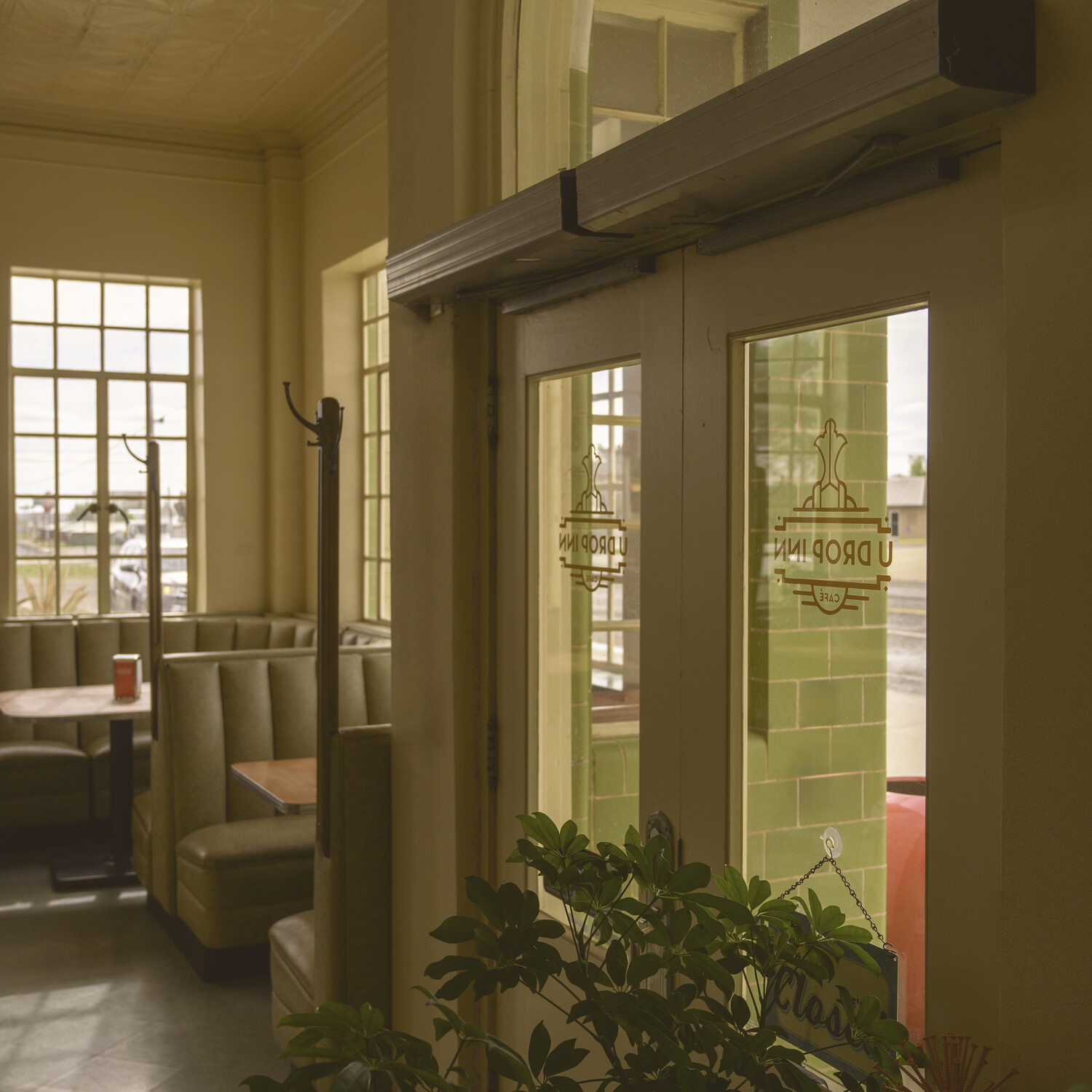
What Changed Immediately
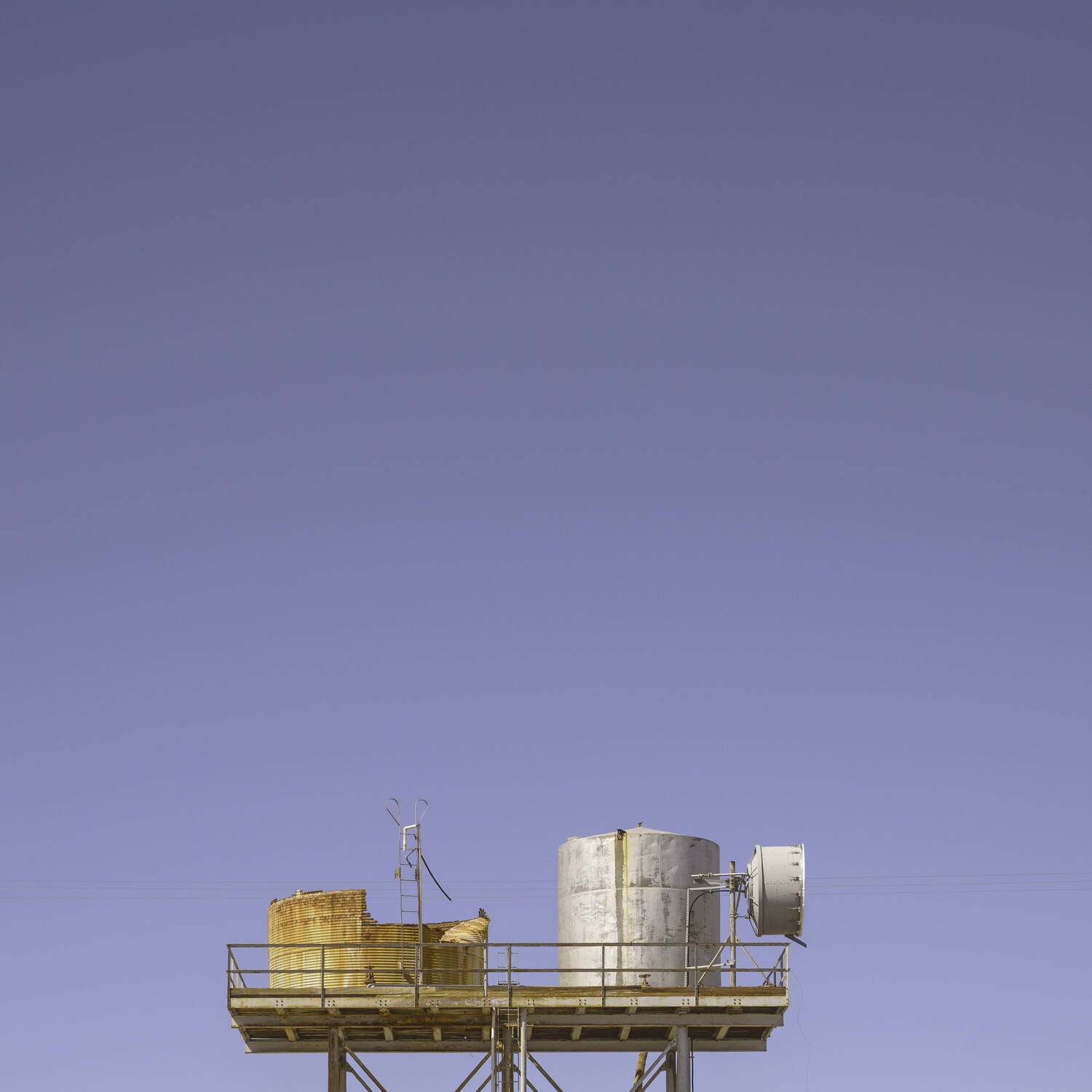
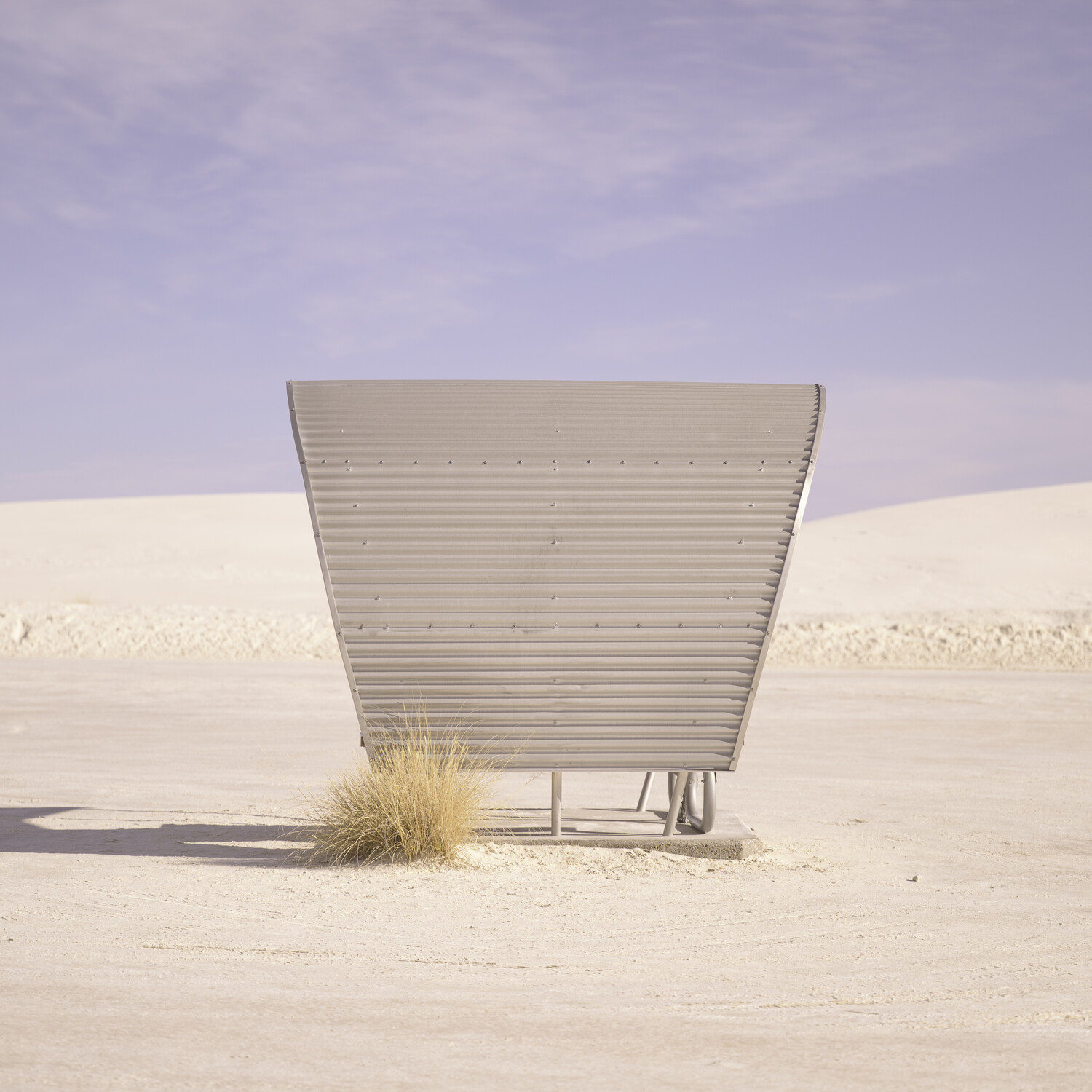
I Started Seeing the Center Differently: Center compositions can become much stronger than in a traditional 3:2 ratio. We are always told not to place our subject in the center. With the square format, the center becomes the strong point. Symmetry and stillness felt more intentional.
I Noticed Clutter Faster: The square format is the most humbling of all. It will punish the edges of the frame, especially when they are busy. This has made me slow down and really inspect the frame's edges, forcing cleaner framing decisions about what I would include at the edges of the frame.
I Slowed Down: I need to do this all the time, but the square format does make me slow down, and my compositions become less cluttered and better composed. There is also less room for the age-old "fix it later." You will become more aware and pay more attention to the timing, spacing, and placement of elements in your frame.
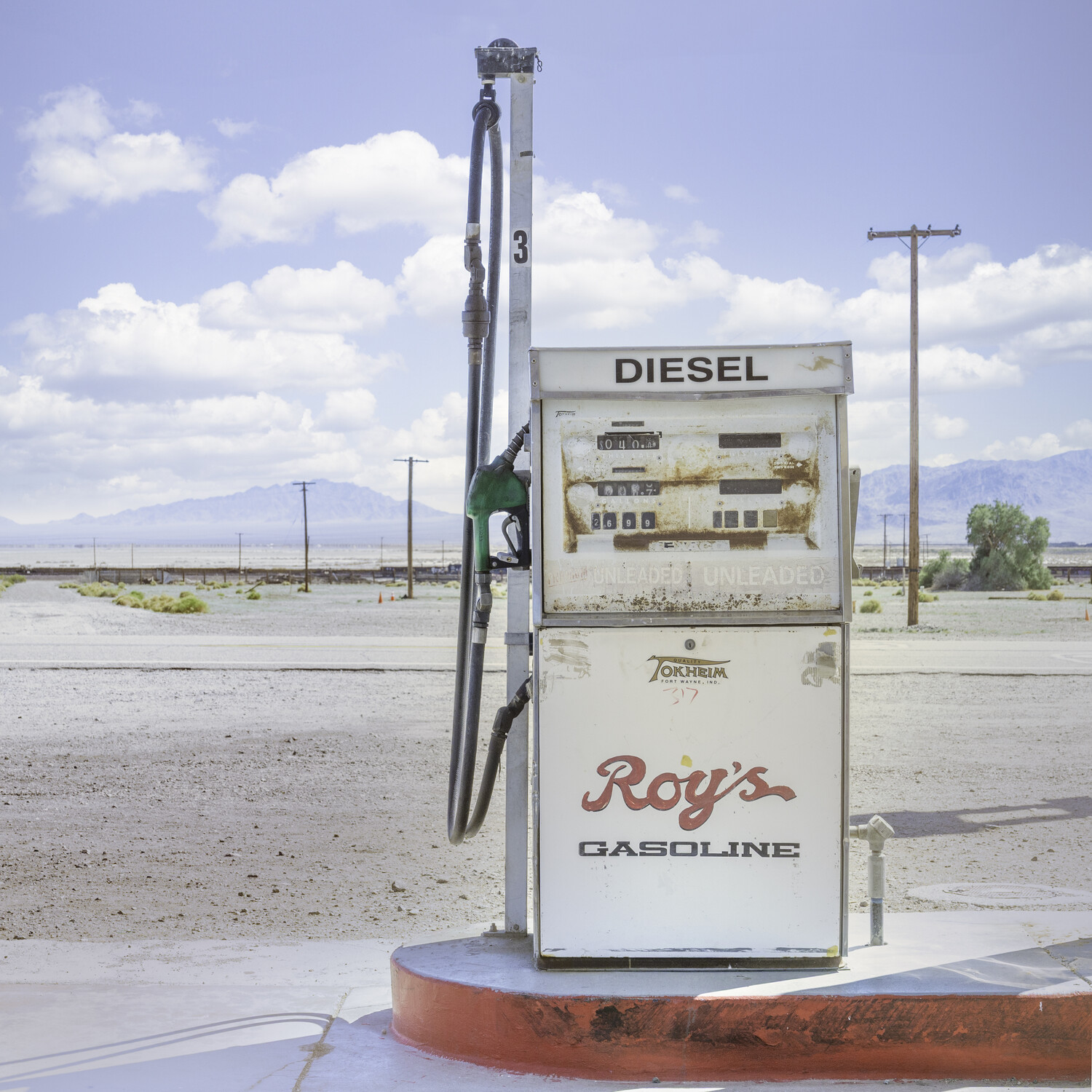
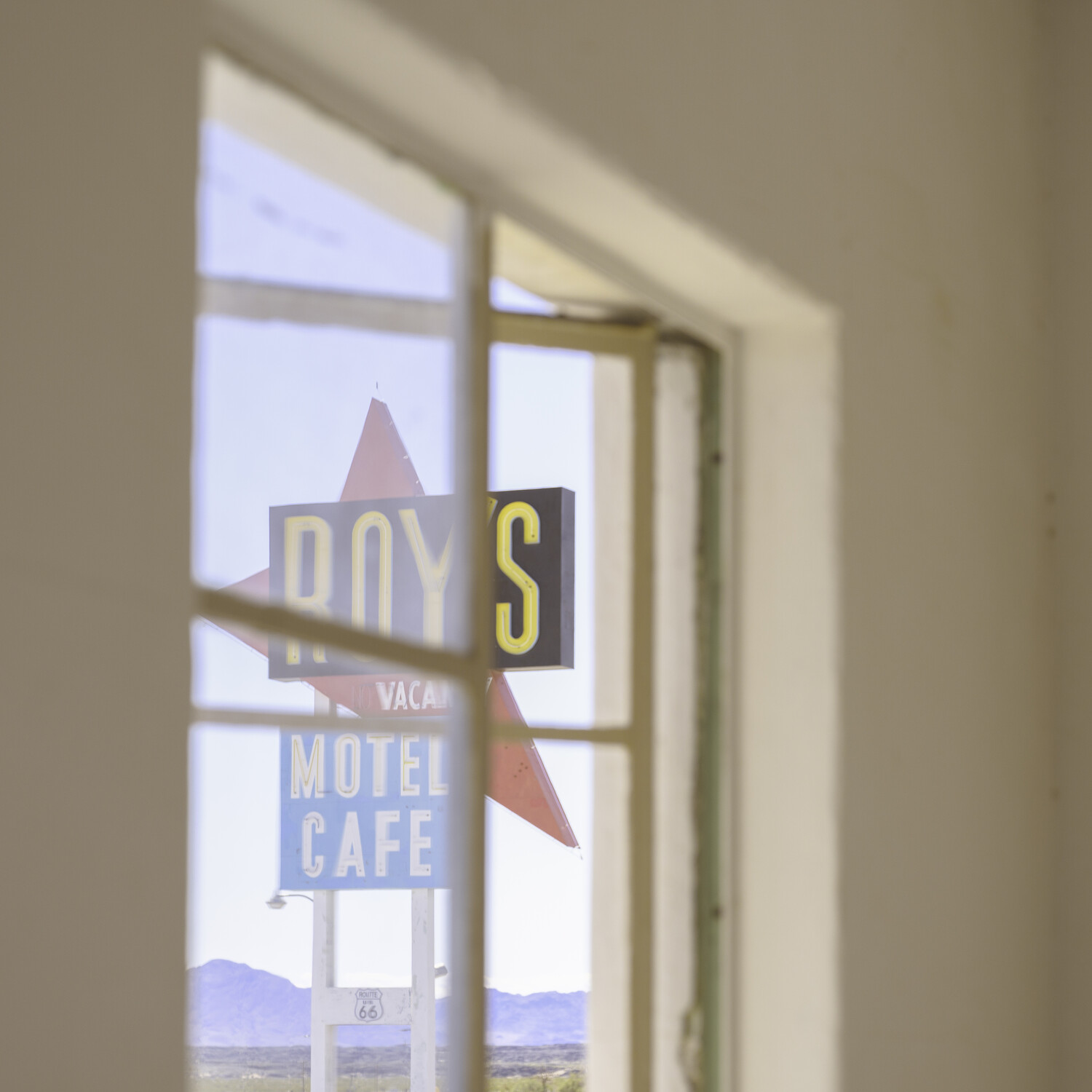
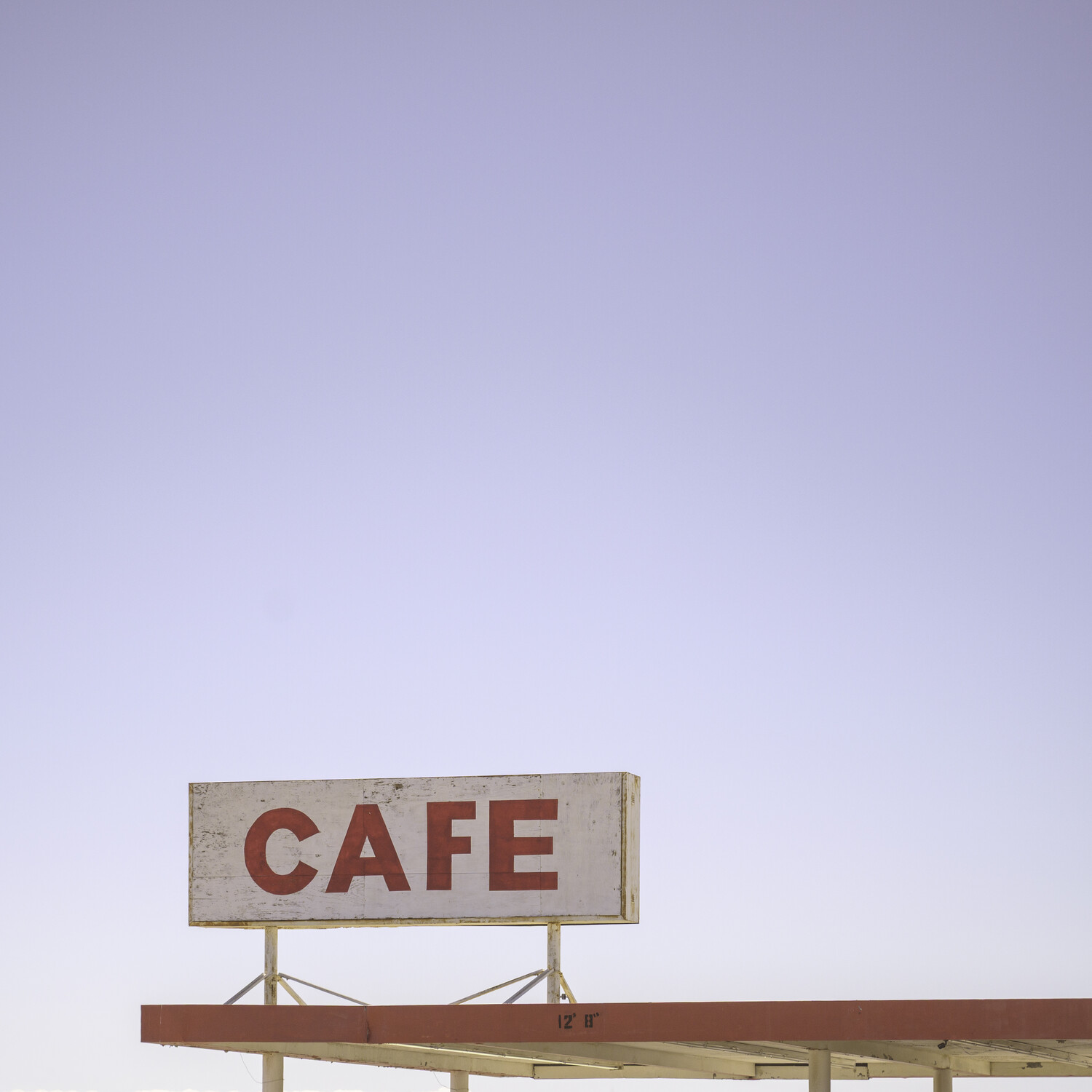
What 1:1 Exposed About My Habits
I discovered there were several habits I relied on, and the square format was very unforgiving of them. I was relying too much on the width of a standard ratio. I would crop the image to 1:1, only to find that some elements didn't work or were distracting at the crop. Too many images were ruined. At times, I noticed I was adding too much negative space to my images, which seemed great at the time but, in the end, was just too much. I wasn't always composing an image; I was just fitting elements into a frame to create a photograph.
Where the Square Frame Shines
Certain subjects come alive in the square format. The format simplifies the scene, emphasizing shape, balance, and stillness. It doesn't work for everything, but when it does, it can make an image feel more intentional almost immediately. Here are a few subjects that work well in the square format:
- Quiet portraits
- Architecture and graphic lines
- Single-subject scenes
- Minimal landscapes
- Details and objects
- Scenes with strong shape/contrast

Where It Falls Apart
Like everything, not all subjects will work in the square format, and there are several places where it just falls apart. You will find that you cannot use the format in all areas, but you can use it as your primary ratio and tailor your subjects to the frame. This is one of the things I do when deciding to photograph a subject: I tailor the ratio to the subject. Here are a few places where the square format falls flat.
- Big horizontal landscapes
- Fast-moving subjects
- Scenes that need context and side-to-side storytelling
- Moments where width is part of the emotion
The Compositional Lessons That Stuck (Even in 3:2)
Every photograph we take is a lesson learned, good or bad. These compositional lessons are not just for the square format but for all formats and can help with better-composed images overall; they also lend themselves well to the format. Even after you return to the standard 3:2 ratio, the square format will still help you improve your composition.
- Better edge control
- Stronger subject placement
- More intentional use of negative space
- More attention to visual balance
- Slower, more deliberate shooting

Try It Yourself
If you have never tried the square format, outside of Instagram, I suggest you give it a try and see how it will improve your photography overall. Shooting in the square format in camera rather than cropping is a whole new and rewarding experience. Here is an easy way to jump in.
- Shoot one full outing in 1:1
- No switching back
- Photograph one ordinary location
Make 15 frames
After you are complete with the exercise, take a few moments to ask yourself a few of these questions:
- What got stronger?
- What got harder?
- What did I notice differently?
In the End
The square format is not a gimmick or an early social media crop; it’s a compositional tool that can expose weak habits and sharpen your eye overall, improving your photography. Sometimes, the best way to see differently is to stop using the frame shape you trust the most.





Join the Fstoppers community for free
-
Post comments and join in the discussions
-
Browse the site ad-free
-
Share your work and get featured in the community
-
Compete in the photo contests for fun and prizes
9 Comments
I've been a slow convert to 1:1 but it's my go-to format for even my SOC digital work. Great piece, Justin!
Thanks!
From a pragmatic point of view, it seems wasteful to have so much expensive and heavy glass, then to mask out a third of it.
As I understand it 3:2 was not an aesthetic choice anyway, but a result of using vertical 35mm movie film, horizontally and doubling it. At the time, movie 35mm film was 4:3. Turn it sideways and double the short side, gives 4:6 which is 3:2. It caught on. I guess it had that new modern look about it.
Then we should use a circular format to capture all of the projected image. ;)
Hahaha the logic tracks.
This goes back to the first Barnack Leica no? That is, using horizontal cinema film for still capture.
That's right.
Yes, and it's silly to have to tilt the camera over by 90 degrees to capture a portrait format image; when if the sensor were square you wouldn't have to.
I understand the 1 by 1 for it is more like your vision even though when you look somewhere like the rear of a car in front of you and looking at the license plate yes it will be in focus but the tail lights and bumper are blurry! that is what is happening you are capturing what is in focus to your eyes.
But here is an add to the 3:2 and using a super wide lens like a 10mm then the capture is like a panorama but with the top and bottom that is missing in the panorama.
1. 10mm 2. 12mm both stopping motion that if a panorama would have to work out cloud movement or people. Both the peripheral vision capture!