

The used camera market has never been better for photographers ready to make the jump to full frame without breaking the bank. While everyone chases the latest mirrorless releases, some of the most capable cameras ever made are sitting on shelves at prices that would have been unthinkable just a few years ago. Here are 10 full frame cameras that prove you don't need to spend a fortune to get professional results.
1. Canon EOS 5D Mark IV
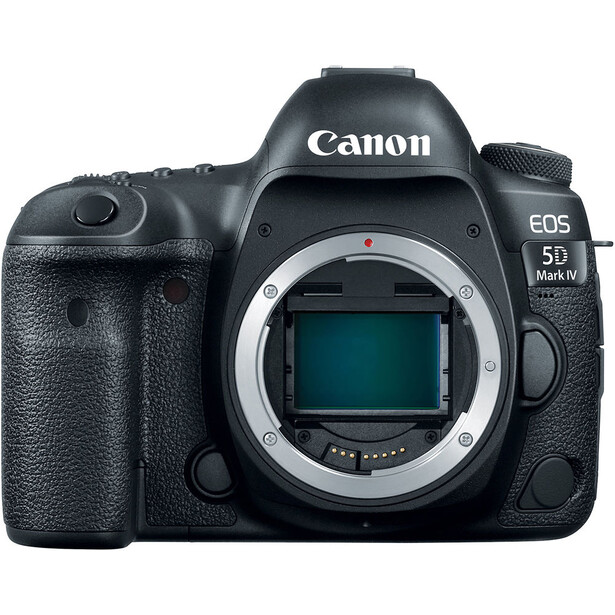
Expect to pay: $900
Key Specs
- 30.4MP full frame CMOS sensor
- DIGIC 6+ image processor
- 61-point High-Density AF system
- 4K DCI video recording at 30fps
- 7 fps continuous shooting
- Dual Pixel CMOS AF
- Built-in Wi-Fi, NFC, and GPS
- Weather-sealing
Who should buy it: The 5D Mark IV remains one of the most well-rounded cameras ever made, perfect for wedding photographers, portrait artists, and anyone who needs a camera that excels at everything. This was Canon's last great DSLR flagship before fully committing to mirrorless, and it shows. The image quality, autofocus performance, and build quality are still competitive with cameras costing twice as much. The 4K video capabilities make it valuable for hybrid shooters, and the extensive lens ecosystem means you'll never be limited by glass selection. I was particularly fond of the colors I got out of its sensor.
Who shouldn't buy it: If you're primarily a video shooter, the 4K has a significant crop factor and lacks some modern video features. The camera is also quite large and heavy, making it less ideal for travel photography or street work where discretion matters.
2. Canon EOS 6D
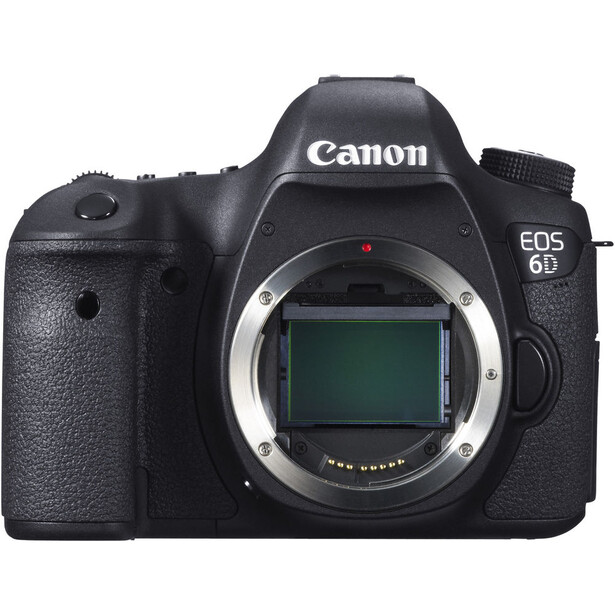
Expect to pay: $300-400
Key Specs
- 20.2MP full frame CMOS sensor
- DIGIC 5+ image processor
- 11-point autofocus system with center cross-type point
- Built-in Wi-Fi and GPS
- ISO 100-25,600 (expandable to 50-102,400)
- 4.5 fps continuous shooting
- Excellent low-light performance
Who should buy it: At under $500, the Canon 6D represents one of the best values in full-frame photography, delivering excellent image quality and trusted color science in a lightweight, weather-sealed body. It's perfect for photographers stepping up from APS-C who want full frame image quality without the complexity or cost of more advanced systems. The built-in Wi-Fi and GPS were ahead of their time and remain useful today. Landscape, portrait, and travel photographers will love the combination of image quality and portability. It was my first full frame camera, and it produced absolutely lovely images, punching well above its weight in low-light situations.
Who shouldn't buy it: The 11-point autofocus system feels primitive by today's standards, making it less suitable for sports, wildlife, or any situation requiring subject tracking. Video capabilities are basic, and the single SD card slot may frustrate professionals who need redundancy.
3. Canon EOS R
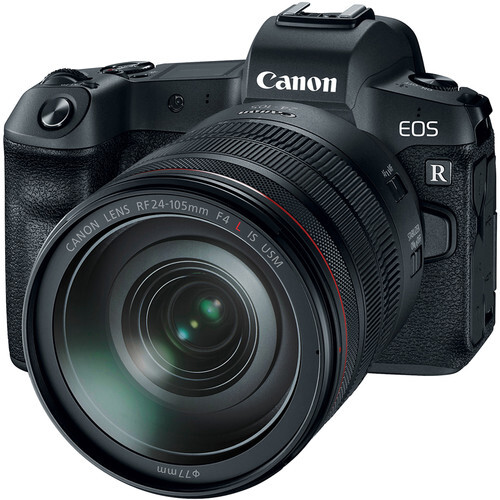
Expect to pay: $800-900
Key Specs
- 30.3MP full frame CMOS sensor
- DIGIC 8 image processor
- Dual Pixel CMOS AF with 5,655 selectable AF points
- 4K video recording with 1.7x crop
- 8 fps continuous shooting (mechanical), 5 fps (electronic)
- Vari-angle touchscreen LCD
- Electronic viewfinder with 3.69 million dots
- Eye Detection AF
Who should buy it: Canon's first full frame mirrorless camera, the EOS R, introduced the new RF system and demonstrates excellent autofocus performance with impressive Eye Detection AF capabilities. It's ideal for photographers who want to enter Canon's mirrorless ecosystem without paying flagship prices. The adapted EF lens performance is excellent, and the RF mount opens up access to some of the sharpest lenses Canon has ever made. Portrait photographers will appreciate the Eye Detection AF and articulating screen.
Who shouldn't buy it: The single card slot is a dealbreaker for many professionals, and the 4K crop factor makes it less appealing for videographers. Battery life is mediocre compared to DSLRs, and the lack of in-body stabilization means you might need IS lenses or a tripod for longer focal lengths.
4. Canon EOS-1D X Mark II
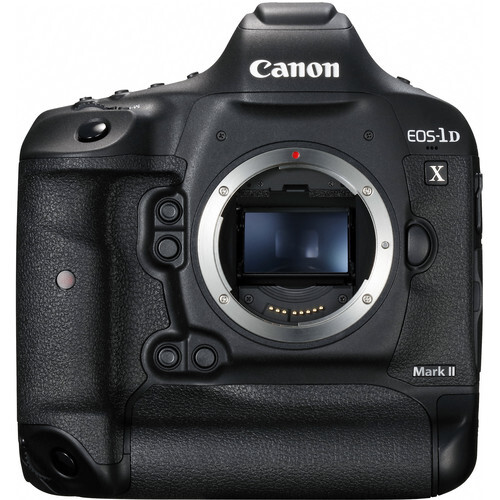
Expect to pay: $950
Key Specs
- 20.2 MP full frame CMOS sensor
- Dual DIGIC 6+ image processors
- 61-point High Density AF II system
- 14 fps continuous shooting (16 fps in Live View)
- 4K video at 60 fps at 1.3x
- ISO 50-409,600 expanded range
- Professional build quality and weather-sealing
- Dual CFast 2.0 and CompactFlash card slots
Who should buy it: The 1D X Mark II is still the only camera on the market that offers 4K 60p with just a 1.3x crop factor below $10,000, making it incredibly valuable for sports and wildlife photographers who need that extra reach without sacrificing video quality. The build quality is exceptional, designed to withstand years of professional abuse. Sports photographers, photojournalists, and anyone who needs bulletproof reliability will find the 1D X Mark II still competitive with modern flagships. Files are crisp and beautiful, as you can see in my review.
Who shouldn't buy it: At about 3 pounds, this camera is a commitment in weight and size. The 20 MP resolution is limiting for landscape or commercial work where detail matters more than speed. It's also complete overkill for casual photography—you're paying for professional features you may never use.
5. Nikon D810
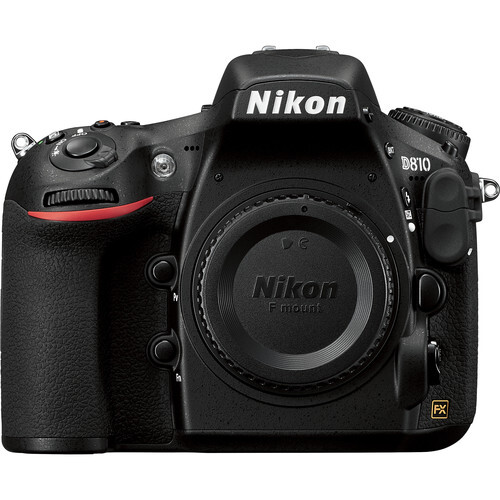
Expect to pay: $600
Key Specs
- 36.3 MP full frame CMOS sensor (no AA filter)
- EXPEED 4 image processor
- 51-point autofocus system with 15 cross-type sensors
- 5 fps continuous shooting (up to 7 fps in crop mode)
- ISO 64-12,800 (expandable to 32-51,200)
- Excellent dynamic range and detail resolution
- Professional build quality
Who should buy it: The D810 was widely considered one of the finest cameras for precise, detailed photography until the Sony a7R II came along, but it still excels at landscape, studio, and architectural photography where resolution and dynamic range matter most. The 36 MP sensor without an anti-aliasing filter delivers incredible detail, and the base ISO 64 provides outstanding dynamic range. It's perfect for photographers who prioritize image quality over speed and don't mind working with a traditional DSLR interface.
Who shouldn't buy it: The autofocus system, while capable, feels dated compared to modern mirrorless cameras. Video capabilities are basic, and the camera lacks built-in stabilization. It's also quite heavy, making it less ideal for travel or extended handheld shooting.
6. Nikon Z5
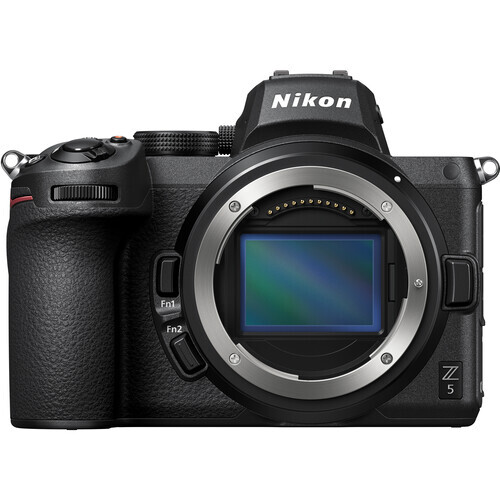
Expect to pay: $700-800
Key Specs
- 24.2 MP full frame CMOS sensor
- EXPEED 6 image processor
- 273-point hybrid autofocus system
- 5-axis in-body image stabilization
- 4.5 fps continuous shooting
- Dual SD card slots
- 4K UHD video recording
- Eye Detection AF for humans and animals
Who should buy it: The Nikon Z5 represents the company's most affordable entry into full frame mirrorless, offering excellent value for photographers who want modern features without flagship pricing. The in-body stabilization and dual card slots make it more practical than many competitors in this price range. It's ideal for photographers stepping up from APS-C or looking for a lighter alternative to DSLRs.
Who shouldn't buy it: The 4.5 fps burst rate is limiting for action photography, and the autofocus, while good, isn't as advanced as higher-end models. The native Z lens selection, while growing, is still limited compared to F-mount options with an adapter.
7. Nikon Z7
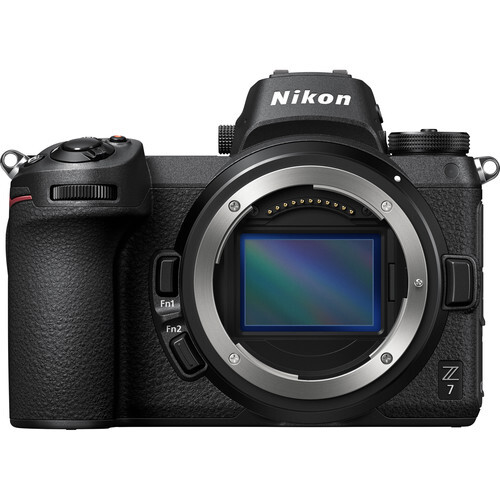
Expect to pay: $950
Key Specs
- 45.7 MP full frame BSI CMOS sensor (no AA filter)
- EXPEED 6 image processor
- 493-point hybrid autofocus system
- 5-axis in-body image stabilization
- 9 fps continuous shooting
- 4K UHD video recording
- Eye Detection AF
- Weather sealing
Who should buy it: The Nikon Z7 offers 45.7 megapixels of resolution, making it excellent for photographers who need maximum detail and flexibility for cropping or large prints. The high resolution sensor without an anti-aliasing filter delivers incredible detail for landscape, studio, and architectural work. The in-body stabilization makes it practical for handheld shooting even with longer lenses. It's perfect for photographers who prioritize resolution and want modern mirrorless conveniences.
Who shouldn't buy it: The high resolution demands excellent technique and sharp lenses to realize its potential. The large file sizes require more storage and processing power. For action photography, the buffer fills quickly, and the burst rate isn't competitive with dedicated sports cameras.
8. Pentax K-1
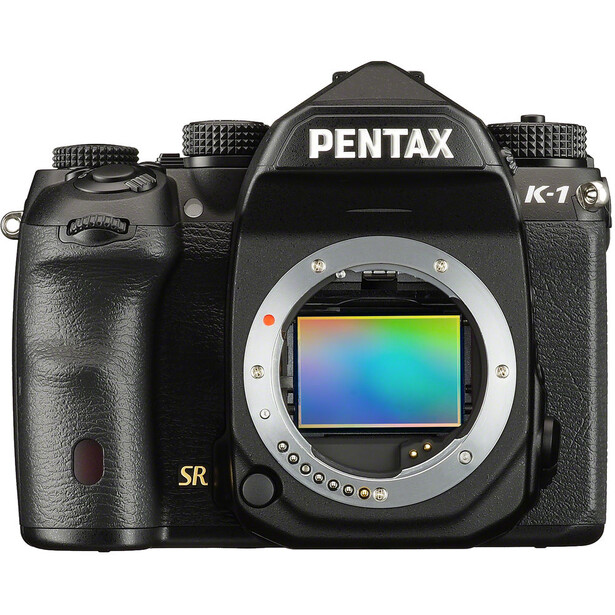
Expect to pay: $900
Key Specs
- 36.4 MP full frame CMOS sensor
- PRIME IV image processor
- 33-point SAFOX 12 autofocus system
- 5-axis sensor-shift image stabilization
- Pixel Shift Resolution for ultra-high resolution
- ISO 100-204,800
- Weather-sealing and GPS
- Unique tilting LCD mechanism
Who should buy it: The Pentax K-1 offers impressive specifications with its 36-megapixel fullvframe sensor, built-in image stabilization, and unique features like Pixel Shift Resolution that can create ultra-high resolution images. Pentax's legendary weather-sealing makes it ideal for landscape photographers who work in challenging conditions. The extensive manual controls and compatibility with decades of Pentax lenses appeal to photographers who enjoy the tactile experience of traditional photography. Astrophotographers particularly appreciate the built-in intervalometer and astrotracer function. It's probably my favorite camera I've ever used, as you can see in my review.
Who shouldn't buy it: The autofocus system is slower and less sophisticated than competitors, making it less suitable for action photography. The lens ecosystem, while extensive with older manual lenses, has fewer modern options than Canon or Nikon. Third-party support is also more limited.
9. Sony a7 III
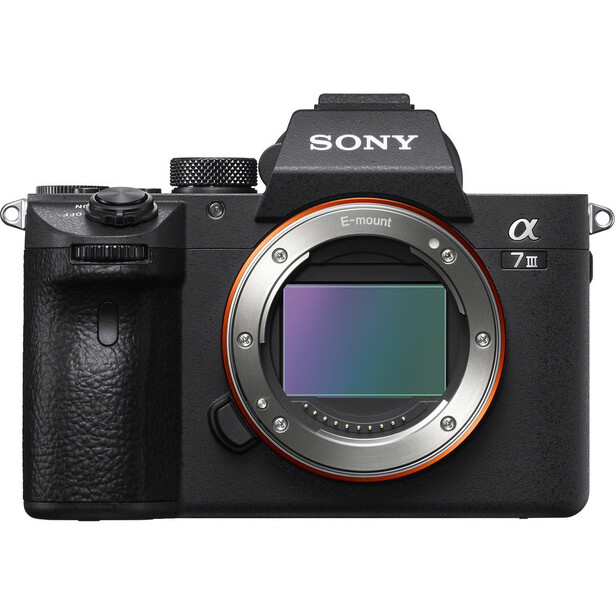
Expect to pay: $850-950
Key Specs
- 24.2 MP full frame BSI CMOS sensor
- BIONZ X image processor
- 693-point phase detection autofocus
- 5-axis in-body image stabilization
- 10 fps continuous shooting
- 4K video recording with full pixel readout
- Real-time Eye AF for humans and animals
- Excellent battery life (710 shots on rear LCD, 610 shots in EVF)
Who should buy it: The a7 III was the favorite all-rounder for years and still offers incredible value with its combination of excellent autofocus, in-body stabilization, and strong video capabilities. The 693-point autofocus system with Real-time Eye AF is still among the best available, making it excellent for portraits and events. The 4K video quality is superb, and the improved battery life addresses one of Sony's historic weaknesses. It's perfect for photographers who need a camera that excels at both stills and video. Read more in my review.
Who shouldn't buy it: The 24MP resolution may feel limiting if you're used to higher-resolution cameras. The menu system, while improved, is still complex compared to competitors. Some photographers also find Sony's color science requires more post-processing to achieve preferred looks.
10. Sony a7R II
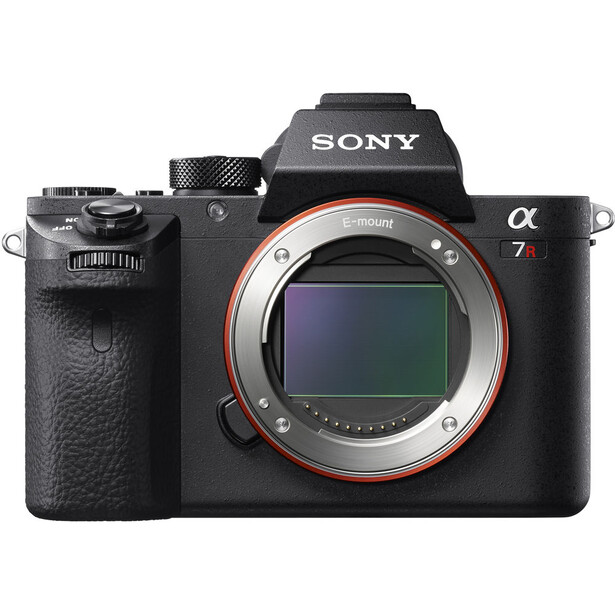
Expect to pay: $700
Key Specs
- 42.4 MP full frame BSI CMOS sensor
- BIONZ X image processor
- Hybrid AF with 399 phase-detection points and 25 contrast-detection points
- 5-axis in-body image stabilization
- 5 fps continuous shooting
- 4K video recording
- Silent shooting mode
Who should buy it: The Sony a7R II was a total game-changer for mirrorless cameras, being the first to bring top-of-the-line full frame image quality along with state-of-the-art focusing capabilities. The 42 MP BSI sensor delivers exceptional detail and dynamic range, while the in-body stabilization makes it practical for handheld work. The silent shooting mode is invaluable for wedding photographers and situations where discretion matters. It's ideal for landscape, portrait, and studio photographers who prioritize image quality and want the flexibility of the Sony E-mount system.
Who shouldn't buy it: The autofocus, while revolutionary for its time, isn't as fast or reliable as newer cameras. Battery life is poor, requiring multiple batteries for extended shooting sessions.
The Bottom Line
These cameras prove that the used market offers incredible value for photographers ready to prioritize image quality over the latest features. While they may lack some modern conveniences, they still produce images that rival cameras costing three times as much.
The key is knowing what you actually need versus what marketing departments want you to think you need. If you're shooting landscapes, portraits, or any work where technique matters more than technology, these cameras will serve you well for years to come. Your money is often better spent on quality lenses than chasing the latest camera body—something these proven performers prove every time you press the shutter.




Join the Fstoppers community for free
-
Post comments and join in the discussions
-
Browse the site ad-free
-
Share your work and get featured in the community
-
Compete in the photo contests for fun and prizes
11 Comments
Also a camera that I have been considering, Canon RP. About $600
Wow!
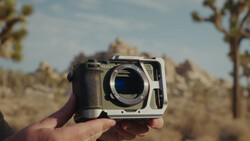
Just how big are that model's hands holding that Full Frame camera!
It seems to me that that particular stock photo was not chosen carefully with the content of this article in mind.
If I had written and published this article, I actually would have spent 2 to 5 days searching for just the right photo to use as the lead image, and it would be an image in which the camera shown would obviously appear as a full frame camera. However, this obsession with getting everything absolutely perfect is why I hardly get anything done in life.
If I were in Alex's position, everything I published here would be absolutely perfect, but I would be lucky to get one article out every month, whereas Alex cranks out at least a dozen almost-perfect articles in that same timespan. I just can't bash a guy who is so productive, even if such productivity comes at the expense of a few tiny details not being just right.
it's actually just a mercator projection. picture's perfect. camera/hands 10/10.
Yes the A7RM2 today is just as awesome as when it was new for the surprise for me was when at the Antelope Canyon in 2017 where they had a photographers tour and everyone was doing long exposures on tripods except me for I forgot to put tripod plate on the camera and found out upon arrival to the canyon after a very rough ride. First let me say I was using the A7SM1 for 3 years prior that had no IBIS and used it with a tripod mainly doing Milky Way captures but using a lens with IS/OSS it captured day time images hand held but many tripods during. A photographer is a mad scientist under the skin and when others set up their tripods I took a test shot and it looked normal and was not a long exposure, I had been used to doing Bracketed captures (it was the HDR era) so I did 3 at +/- 2EV and all were bright enough no dark one (I think I had Auto ISO on). So a hard to get just walking up and a steep price I did the whole tour hand held and did straight up on my back some low at others feet and the constant clicking did get other bothered, I also did the expensive night tour hand held, WHY the tour guide had a LED light set to day light so if there is light no need for a tripod, he was a photographer also and was impressed with the results. It was nice not have to carry my heavy tripod on that long walk up and back. As an add I was using the new Sony FE 12-24mm f/4 G that no other had as wide in 2017.
The A7M3 was my go to for Milky Way capture when it came out after I saw a video by the late Alyn Wallace did a video on ISO Invariance and the A7M3 also had the the 2 step ISO's for less noise and the "Bright Monitoring" that is like color night vision that was hidden in the settings.
Lastly for new photographers who would like a used and inexpensive start camera always ask if the A7/R/S Mod 1's and 2's have The In Camera Apps no longer available but full of tools and playtime learning getting images processed in camera where other wise you would need external devises to get and PS to edit for many hours to get the same image. Just saying worth it if you can find them.
1, 2,and 3 2017 Using A7RM2 and the FE 12-24mm f/4 G all hand held if there is light no worry.
4. Using A7M3 a sea turtle came up and laid its eggs Flash not used.
I believe the Z5 is one of the best value cameras you can buy today, for most genres of photography. it does everything you need it to do, and the image quality is as good as any newer model. Possibly better.
If I didn't need to shoot video for clients, and just did photography, I would have bought a Z5 this year.
I can't figure out if the lead photo is AI or a random stock photo.
Those are no longer 2 separate categories.
Stock. We have a subscription for those randomly needed images. Gotta support fellow photographers!
What was it about this particular photo that you thought would be perfect for an article that was specifically about full frame cameras?
Excellent article!! Thanks.