Medium format cameras represent the pinnacle of image quality for many photographers, but their price tags often put them out of reach for all but working professionals. The decision to invest $15,000 or more in a camera system requires serious consideration of whether the benefits justify the massive expense.
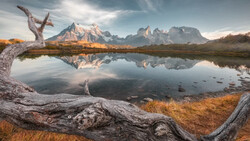
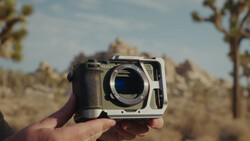
Coming from Peter Fritz, this thoughtful video explores his journey from Canon's EOS R5 to the Hasselblad X2D 100C medium format mirrorless camera. Fritz, a 56-year-old photographer with four decades of experience, explains why he felt compelled to sell his highly capable Canon system in favor of something that costs nearly three times as much. The video traces his photography evolution from his first Voigtländer 35mm rangefinder in 1980 through various film cameras to his recent digital systems. Fritz emphasizes that despite the R5's impressive technical capabilities, including 45-megapixel resolution and 8K video, he found it lacking in what he calls "purity," describing it as capable but soulless for his landscape and automotive photography.
The heart of Fritz's argument centers on the Hasselblad's focus as a pure photography tool rather than a hybrid device trying to excel at everything. He discusses the camera's 102-megapixel sensor and exceptional color science, particularly praising the rendering of oranges and greens through Hasselblad's proprietary Natural Color Solution. Fritz reveals specific technical advantages that drew him to the system, including 15 stops of dynamic range that eliminates the need for exposure bracketing in challenging lighting conditions. The 5-axis image stabilization system impressed him enough that he regularly shoots handheld at one-second shutter speeds with the 45mm lens.
Key Specs
- 43.8 x 32.9 mm medium format CMOS sensor
- 102 megapixels with 16-bit color depth
- 5-axis sensor-shift image stabilization
- 1 TB internal SSD storage
- CFexpress Type B card slot
- USB-C 3.1 Gen 2 connectivity
- 3.6-inch tilting touchscreen LCD
- 0.5-inch OLED electronic viewfinder
- Contrast and phase detection autofocus with 294 points
- 1/4,000 second maximum sync speed with leaf shutter
- Wi-Fi 6 connectivity
- 27.9 oz body weight
Fritz doesn't shy away from discussing the system's substantial costs and limitations. The XCD lens lineup commands premium prices, with some lenses costing more than the camera body itself, though he mentions using adapted vintage lenses as a more affordable alternative. He identifies missing features like auto ISO in manual mode and notes that the face detection system, while functional, lacks the sophistication of competing brands. However, these drawbacks pale in comparison to what he describes as the camera's greatest strength: its ability to encourage slower, more deliberate photography that reconnects him with the meditative aspects of the craft he experienced when shooting film. Check out the video above for the full rundown from Fritz.




Join the Fstoppers community for free
-
Post comments and join in the discussions
-
Browse the site ad-free
-
Share your work and get featured in the community
-
Compete in the photo contests for fun and prizes
8 Comments
27.9 oz body weight. For a European like me it doesn't make sense at all. Did you make this specs for the US audience only ?
Over in the US they have a thing called google. I'll save you the trouble, 27.9 oz = 790.95 gram HTH.
Of course I could use it. In the US they even weight in stones.... which probably is coming back from the stone age....
Here in Europe even conservative UK has stopped using that system.
Makes perfect sense to me. Grams mean nothing but jubberish.
That review by Peter is nearly one year old !
I certainly understand the impulse.
Back in the 80s I sold my OM-1 for a Mamiya 645. Later I acquired a Pentax 6x7, after the 645 was stolen. I liked the images from the Mamiya a little better. Anyhow.
For sure, 35mm film was so poor so often, and I really enjoyed the quality that medium 120 film offered.
Now I'm using a Z7ii and it's just so amazing. There's always something better, but I can't imagine needing more than what the Z7ii delivers. If your art would benefit from a medium format digital, you know who you are, but that's got to be a pretty small club.
Not to mention the size and weight. I remember doing hikes with the Pentax, OMG. The body was made from bent 1/8" steel plates.
Medium format for landscapes.
Try doing wildlife, sports or action of any kind and Medium format it is no better than a brick.
Try getting a 600mm lens equivalent or even 400mm in Medium format.
Far from true. Fuji make a fantastic medium format 500mm prime with fast AF. I have used it for AFL football. Not as quick as an R5 but perfectly workable with the gfx 100s ii