
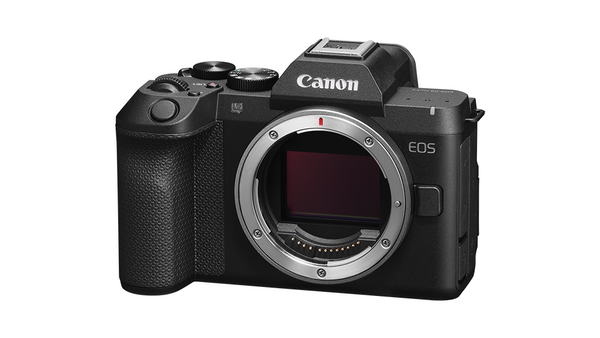
Today, Canon announced a new full frame body added to the EOS lineup, the Canon EOS R8 Mark II camera. And I got my hands on one for an early look.
I’ve written so many reviews and/or news pieces for Fstoppers over the years that, generally speaking, whenever a brand comes out with a new camera, I feel like I pretty much know all there is to know before ever even picking it up. But I do have blind spots, and I’ll admit that I was never fully versed on the original Canon EOS R8 and where it sat in the Canon ecosystem.
I’d owned the original EOS R5. I’d shot with the EOS R1. Owned an EOS R5 C. I currently own an EOS C70. Have positively reviewed the EOS R6 Mark III. So when I got a chance to check out a pre-production copy of the new camera, I was intrigued. What would it be about? Who would it be for?
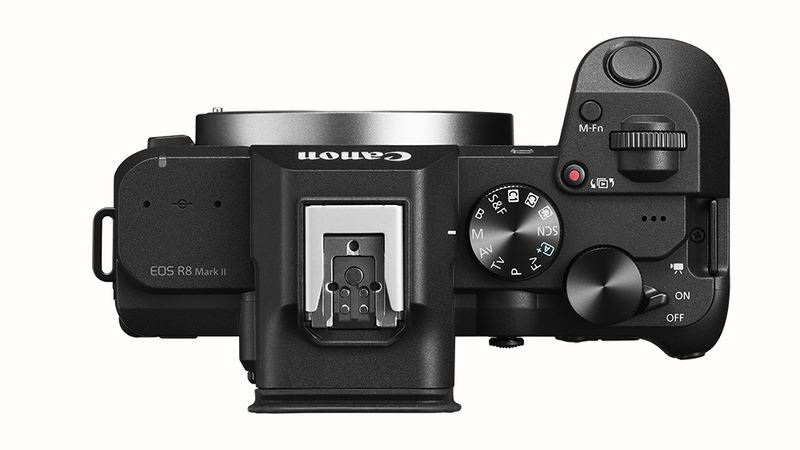
With an estimated retail price of $1,899, Canon says it designed the camera for advanced photographers, hobbyists, creators, and newcomers. People who want better image quality and performance but still want to keep things light and affordable.
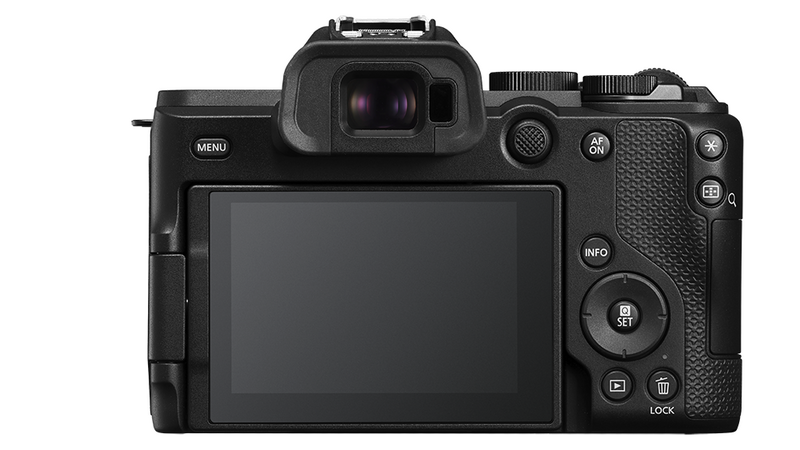
As a matter of actual fact, the light weight of the EOS R8 Mark II’s body was the first thing that caught my attention when I took it out of the box. I’ve written about this before, but, especially as the birthdays keep rolling by, I have become obsessed with getting lighter and lighter camera bodies. I just don’t want to feel like holding a camera is a chore. I want it to be something I can hold all day.
Of course, “hold” is an important word in that last sentence. As in, cameras can also be too small. They may be light, but the ergonomics are so bad that holding them strains your fingers and wrists just the same. Thankfully, the EOS R8 Mark II has a relatively deep grip that allows for a comfortable grasp. In my time testing the camera, I intentionally opted for a lighter prime rather than a heavy professional zoom, and the balance felt great.
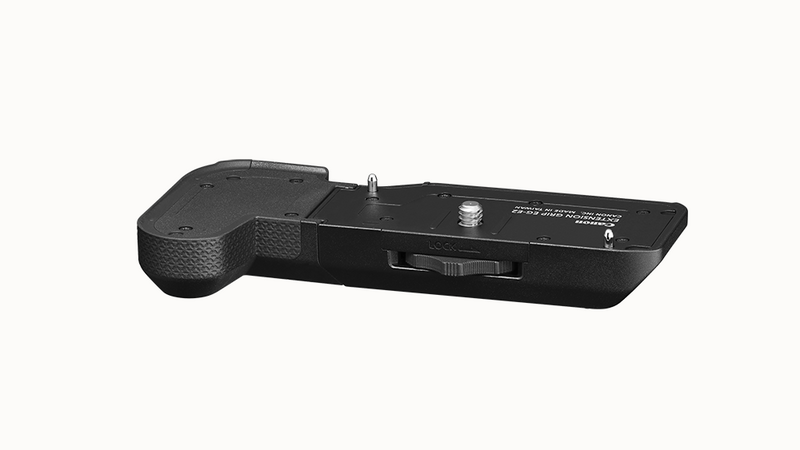
Not that the body couldn’t handle a heavier zoom. Along with the R8 Mark II, Canon is also launching an EG-E2 Extension Grip ($99.99) to make for a more comfortable hold with larger lenses. It’s not a battery grip. Rather, it’s there purely for ergonomics. I didn’t get to test the grip itself, but the body alone does feel sturdy and well constructed.
The EOS R8 Mark II is the lightest Canon body with in-body image stabilization (IBIS). I’ve batted 50/50 on which of my Canon cameras have had IBIS and which have not. I think the inclusion of IBIS here makes a lot of sense. I suspect the user of the EOS R8 Mark II is more of the handheld variety than the full-crew, heavy-duty Steadicam variety. I think it’s an excellent tool for the traveler or content creator who is going to want to keep their package light while maximizing capabilities on a budget.

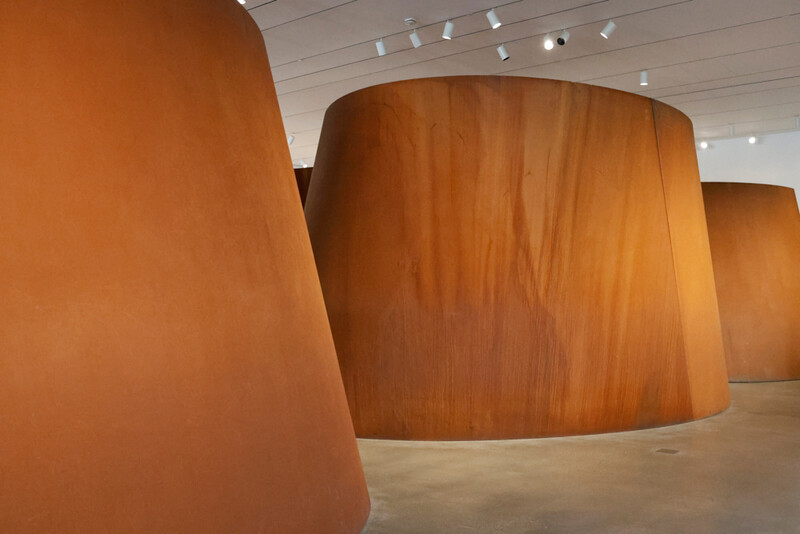
To that end, I took the camera out to explore the recently reopened LACMA museum here in Los Angeles. This being a pre-production model, I had to be a bit incognito. Thankfully, the camera’s small form factor helped with that.
Because this was a pre-production model and my image editing software was not yet able to read the files, everything you’ll see in this review is a JPG file straight out of camera with zero editing. The video clips in the review were shot in 4K at 24 fps LGOP, XF-HEVC S 4:2:2 10-bit C-Log 3. I do wish that the camera had C-Log 2. But this is the camera at the lower price point, after all, and C-Log 3 worked well for the occasion. The camera doesn’t have any internal raw video recording options. But it did have the option of bringing in four channels of 24-bit audio, which means that, especially when integrating a top handle through the smart hot shoe, you can record excellent audio results even with this more affordable body.
The camera has a 24.2-megapixel full frame CMOS sensor. As this was pre-production, I didn’t do any pixel diving or run any lab tests. But the images straight out of camera felt sharp and full of color. The autofocus was incredibly snappy. Fast enough to catch my friend Archibald as he awaited his daily dose of fun.
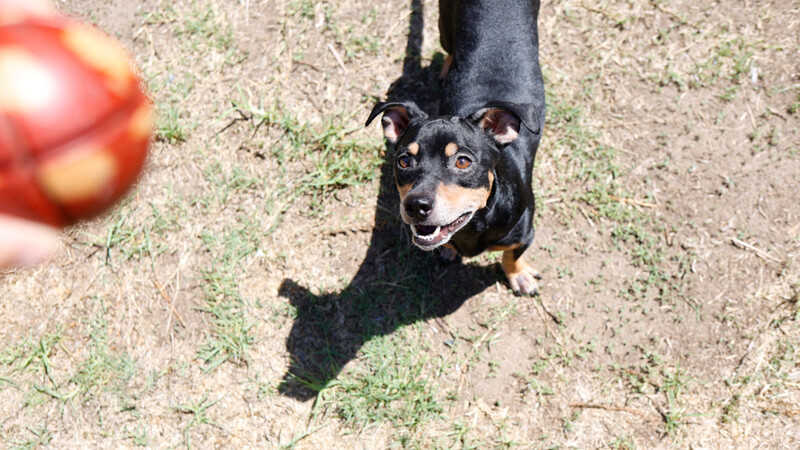
There is no mechanical shutter. But the camera has a high-speed drive that can capture up to 40 fps in stills with the electronic shutter. ISO reaches as high as 102,400. It also has 20 frames of pre-capture, which can shoot frames prior to you actually pressing the shutter button to ensure that you don’t miss a moment.
It has Dual Pixel CMOS AF II with 100% coverage, which helps in tracking people, animals, vehicles, and everything in between. Like other recent Canon cameras, you have the option to register specific faces, which I think is a great touch. If you are in a crowded environment, but you only want your camera to focus on your own kid, this could be quite handy.

On the video side, you can shoot uncropped 4K (downsampled from 6K) up to 60 fps. I was able to set the camera to 1080 at 180 fps as well, although I’m not sure if there is a crop in that mode or not. The R8 Mark II also has Slow and Fast Mode for conforming slow motion in camera, along with audio support when recording at higher frame rates.
One option that will come with the camera but was not available yet during my testing period is what Canon is calling Dual Pixel 3D Converter. It is going to be a free Windows PC application that allows you to generate 3D imagery from Dual Pixel raw (DPRAW) images taken with compatible Canon cameras and lenses, or JPEG images captured with distance information using the EOS R8 Mark II camera. I didn’t get to test this personally, but they have a site where you can learn more at usa.canon.com/dp3d.
In terms of actual hands-on experience, I’d say that the EOS R8 Mark II is a solid value proposition for the photographer or content creator looking to up their game without breaking the bank. While sitting below the EOS R6 Mark III in terms of capabilities, the R8 Mark II has plenty of functionality for the everyday photographer and videographer. It is comfortable ergonomically, and the autofocus speed is fast and efficient. Weighing only 1.2 lbs, it’s an easy hold. The camera uses a smaller battery pack than some of the larger bodies, but I was pleasantly surprised that I was able to take it out for a full-day trip of hybrid capture without needing a second charge. The camera uses a single SD card slot. It has a standard fully articulating 3-inch LCD screen.
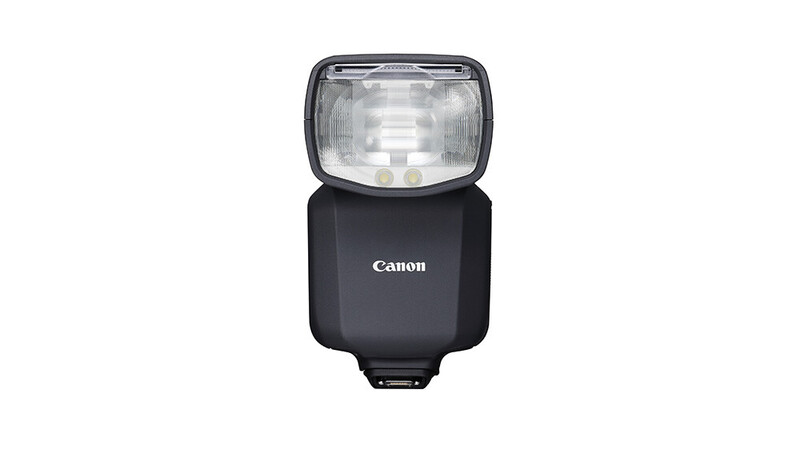
Canon is also announcing a new Speedlite flash, which should pair nicely with the body: the Speedlite EL-5 Version 2. I didn’t get to test this, but it is expected to be available in late October for $379.99.

Pros
IBIS
Small Size
Surprising Battery Life
AF Speed
Bright EVF
Comfortable Grip
4 Channels of Audio via Smart Hot Shoe
Color
Image Quality
Cons
No C-Log 3
24.2 MP (versus some recent 32.5 MP Canon options)
Micro HDMI
Single card slot
No mechanical shutter
Conclusion
I think the EOS R8 Mark II is a solid choice for the everyday casual user who wants excellent image quality in a form factor that is light on both the back and the budget.
The Canon EOS R8 Mark II camera body is expected to be available in late October for an estimated retail price of $1,899.00, and the EOS R8 Mark II kit with the Canon RF24-50mm f/4.5-6.3 IS STM lens is expected to be available in late October for an estimated retail price of $2,099.00.


Join the Fstoppers community for free
-
Post comments and join in the discussions
-
Browse the site ad-free
-
Share your work and get featured in the community
-
Compete in the photo contests for fun and prizes
5 Comments
Not better batery, not 32 MP, not built-in flash, still closed RF mount... A "bargain" hehe
The only real important "misses" are Canon's closed system and the mediocre battery. The rest is just normal. Never really understood why people think removing those awful built-in flashes is anything but an upgrade. Sony once had these on a flexible connection so least its horrible light could be bounced off the ceiling, but otherwise they're universally awful and make photos look worse than ramping up the ISO.
This camera is £1,729 in the UK. Yep, £1,729 for an entry level camera with a closed lens mount. People would be better off looking for a deal on a Sony A7CII if they're after sub £2000 FF.
Gosh, it looks awfully like a Sony!