
Helicopters…
What are your techniques to deal with slower shutter to blur rotors, ect.
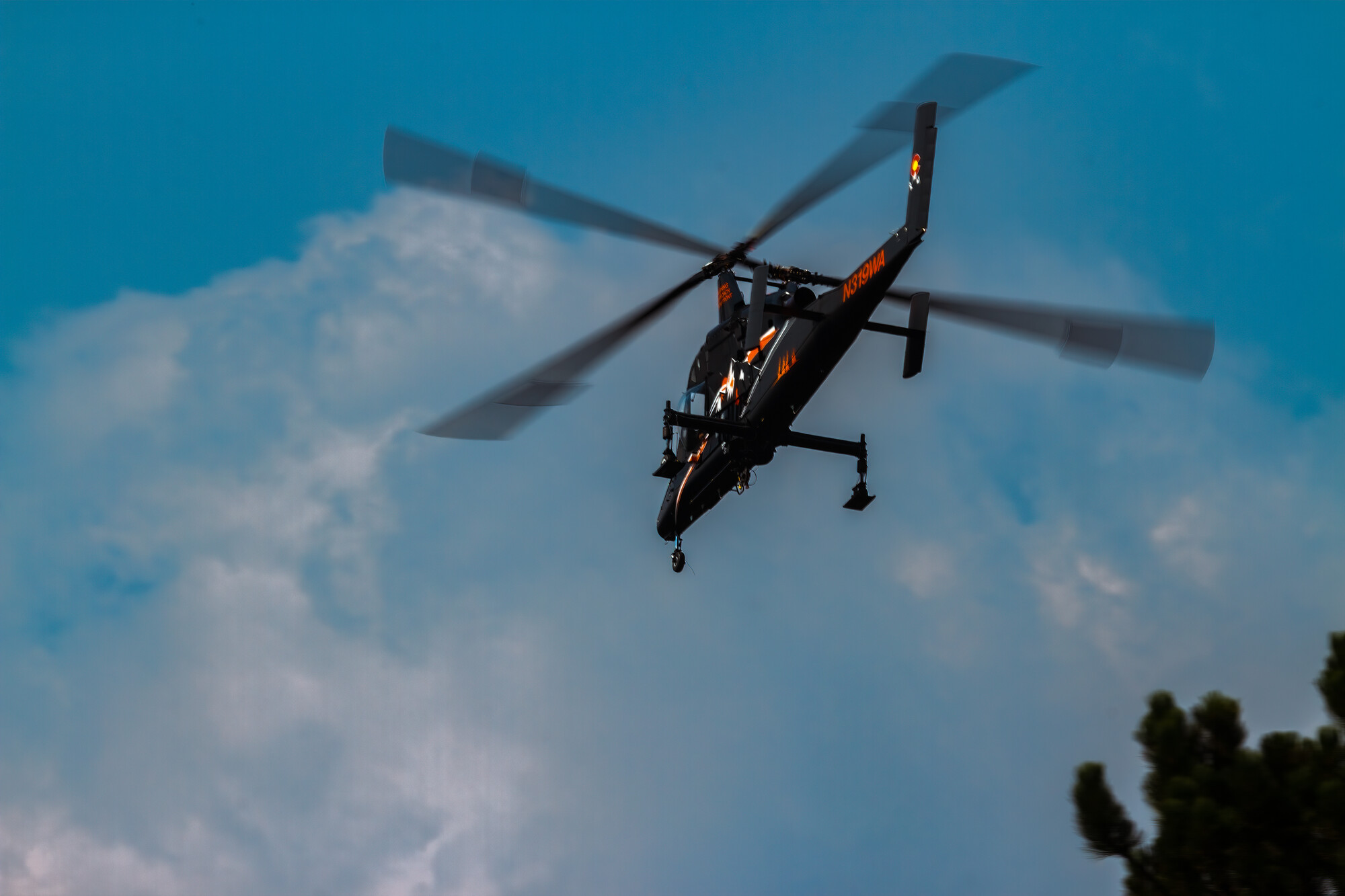
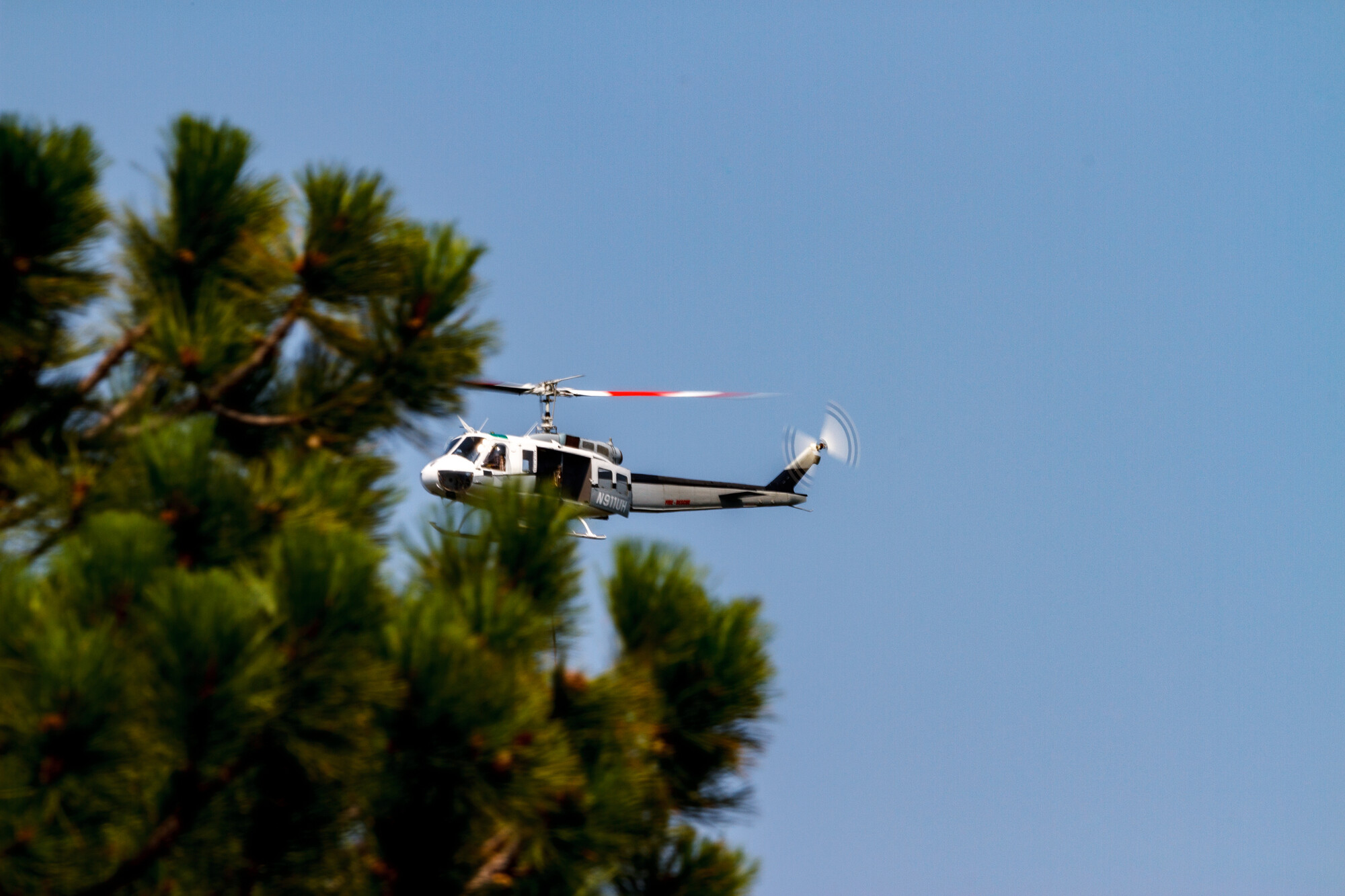
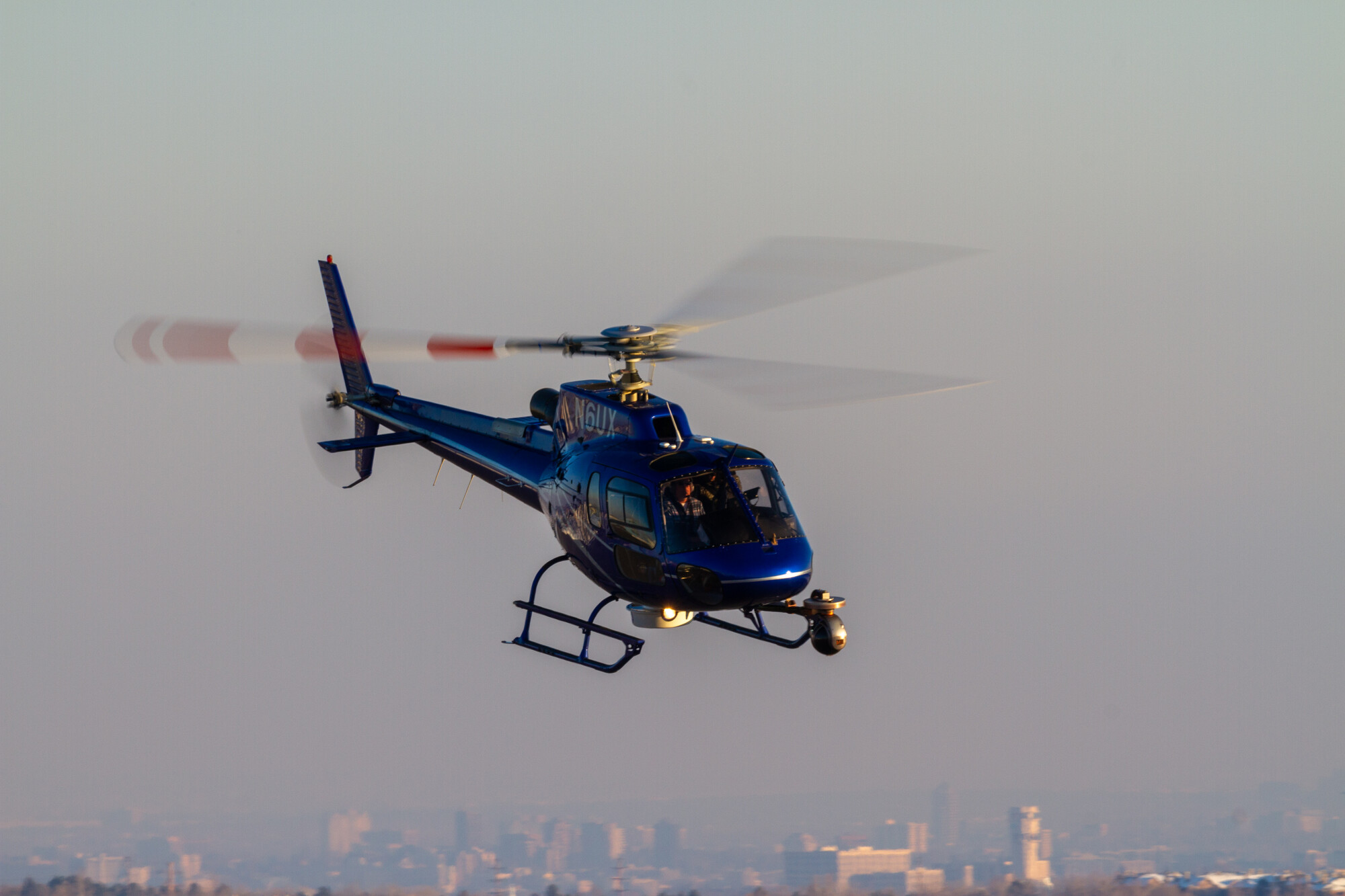
What are your techniques to deal with slower shutter to blur rotors, ect.

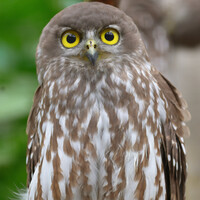
These owls are very vocal, and they certainly do sound just like dogs barking.
Glad I was already in my car before the heavens opened. It went incredibly dark, but it didn't last for very long, and the sun was soon out again.



Available and natural light only, classic boudoir shooting in a fin de siècle hotel.

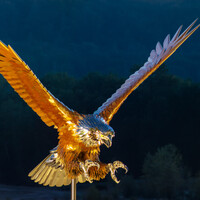
Kalama Eagle Sculpture: Kevin Stone
Mr. Stones website: https://www.kevinstonemetalart.com/


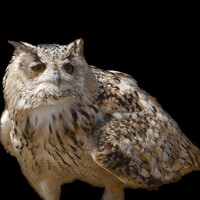
Taken at The Raptor Foundation a rescue and species saving charity I support.



2 Comments
Scot, I believe we all struggle with adequately blurring the main rotor disk of a helicopter. The less (and thinner) blades means they turn faster and thus easier to blur. Tail rotors are much easier to get the “full disk”.
I have had some success with 1/60 shutter speed or less and shooting as high a frame rate as possible (30 or 40 frames a second) to help increase my keeper rate. But, many photos are not acceptably or pin sharp in my eyes and I may only find 1 out of 60 or 80 photos worth keeping, but that’s just me.
Your third photo has done a great job in blurring the main rotor, and the tail rotor is almost full disk. Nice photo.