

First shot at birding photography
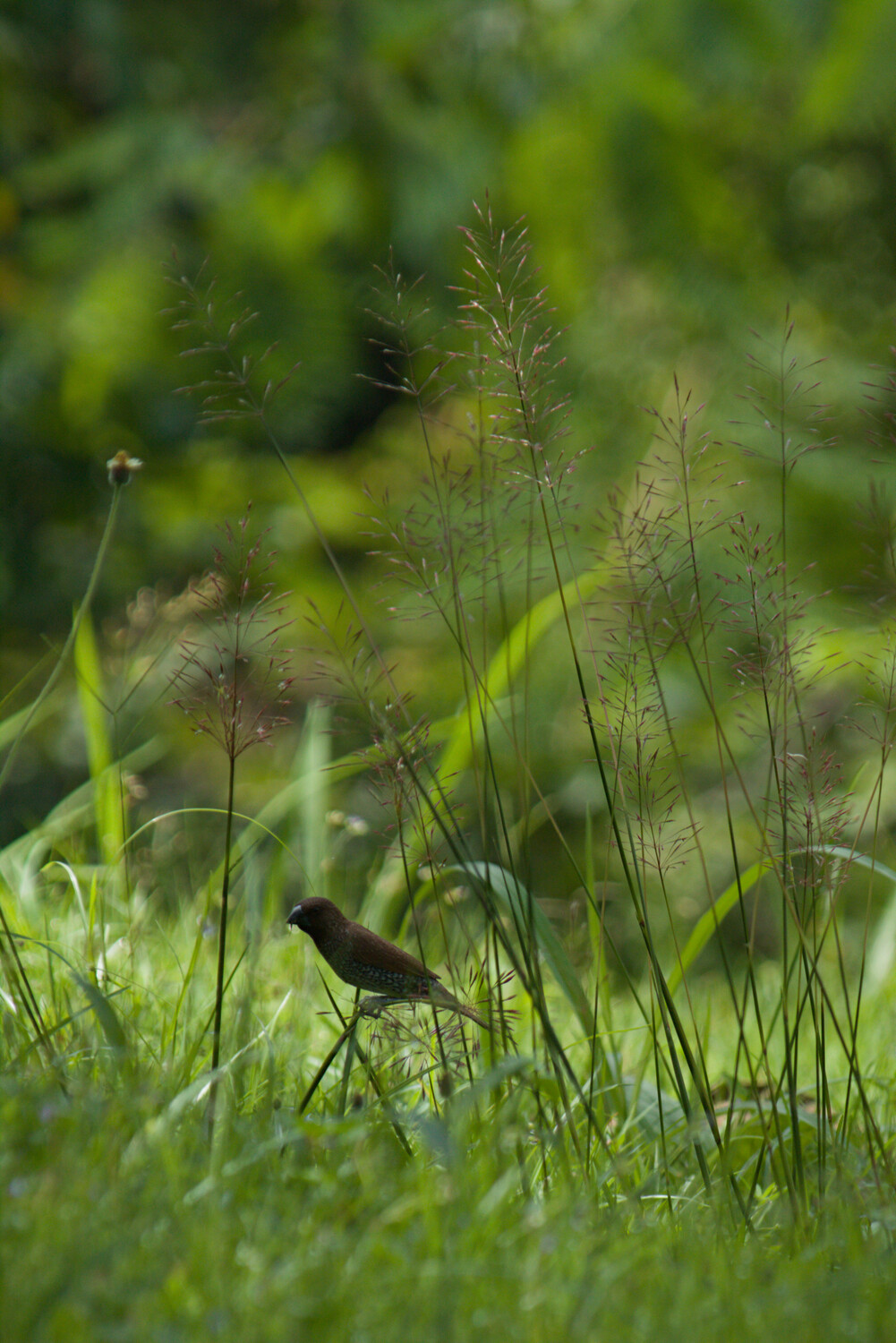
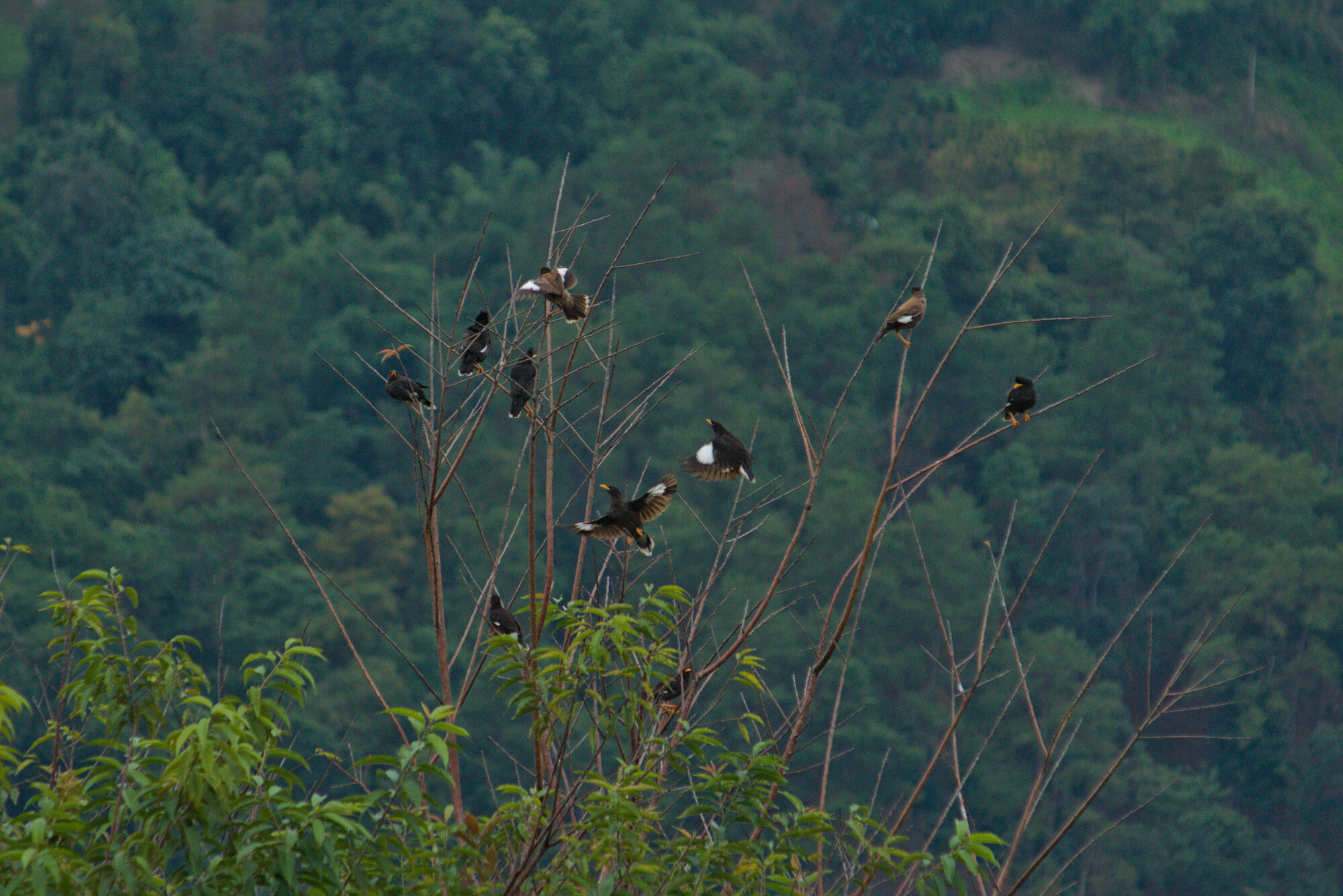
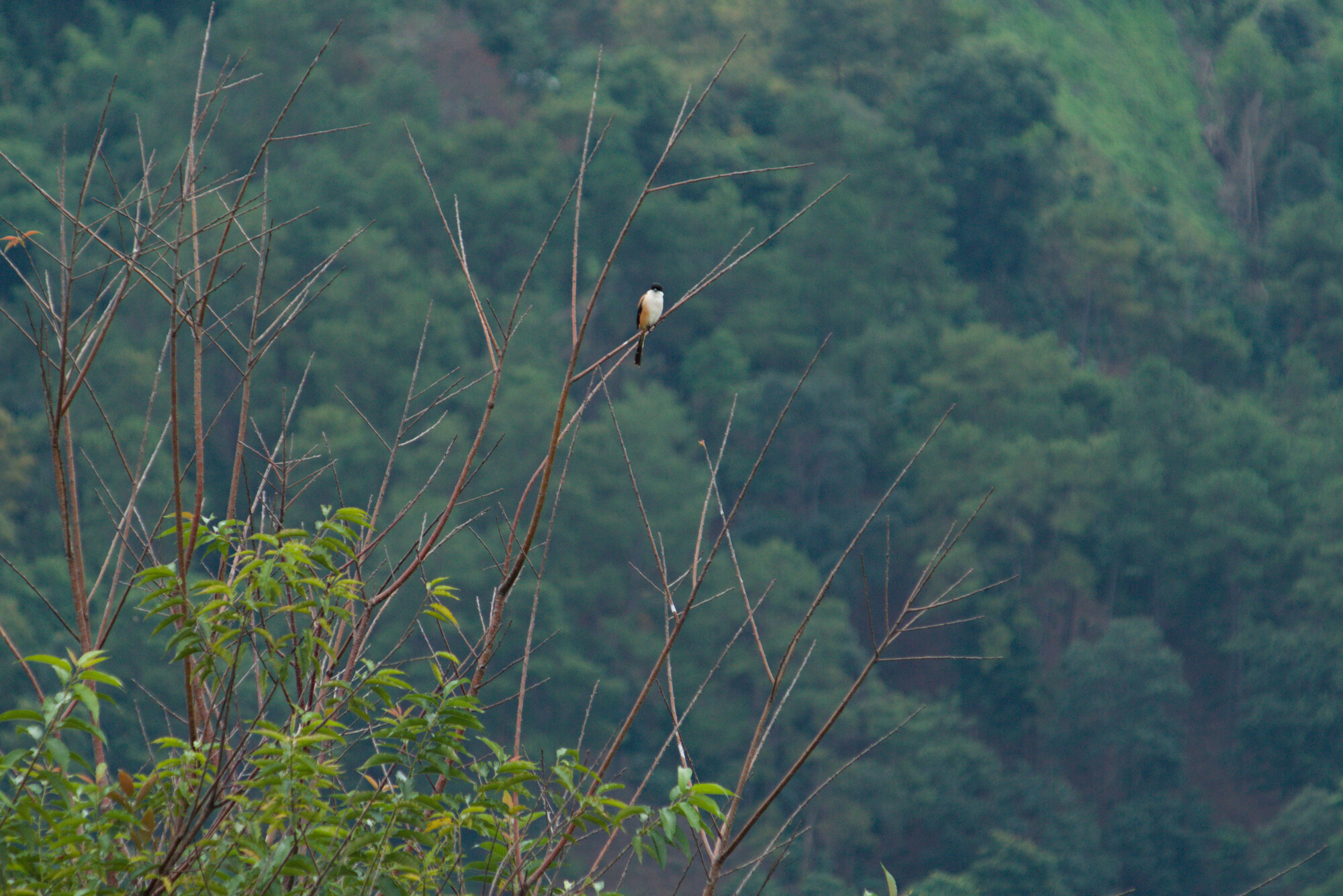
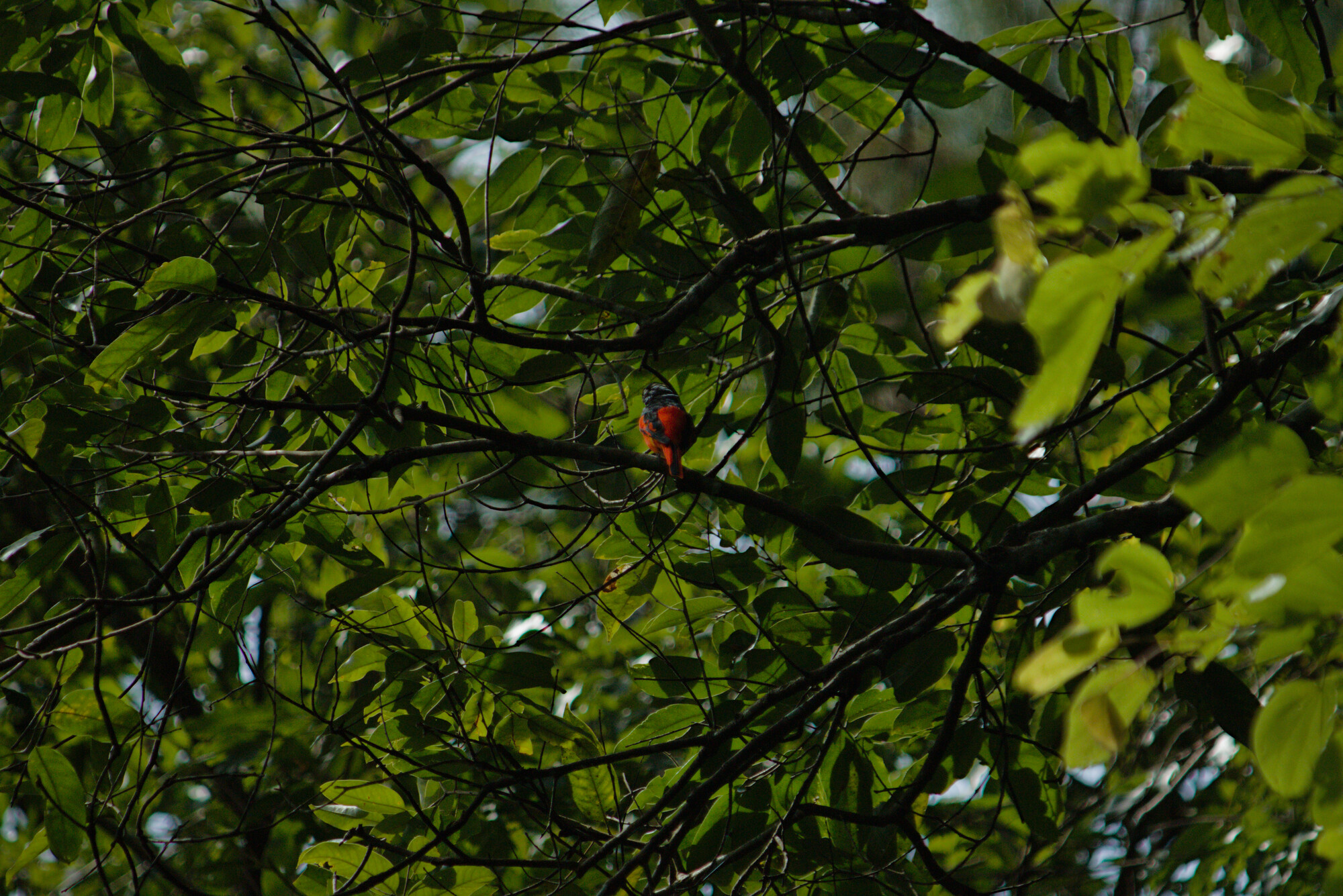
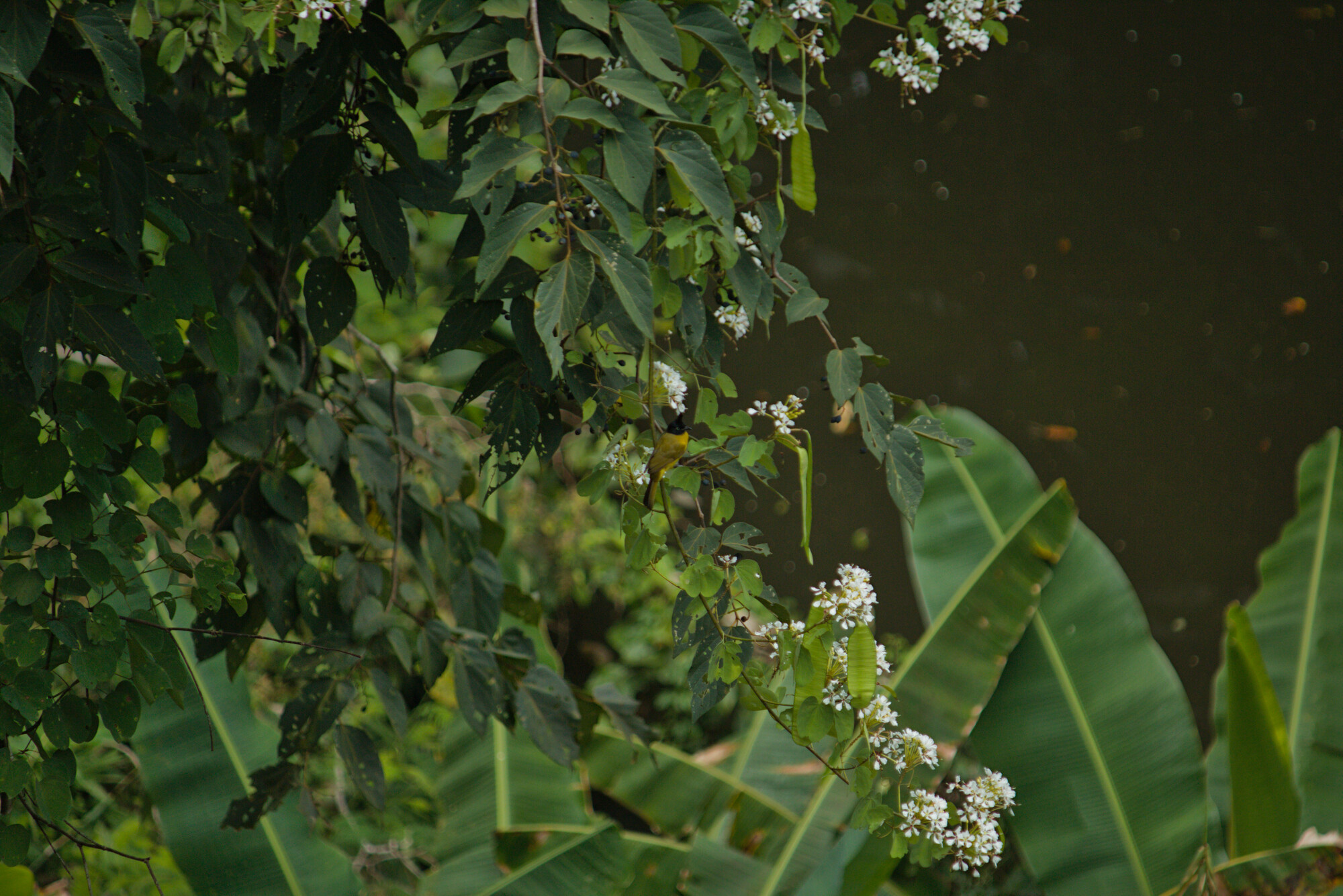
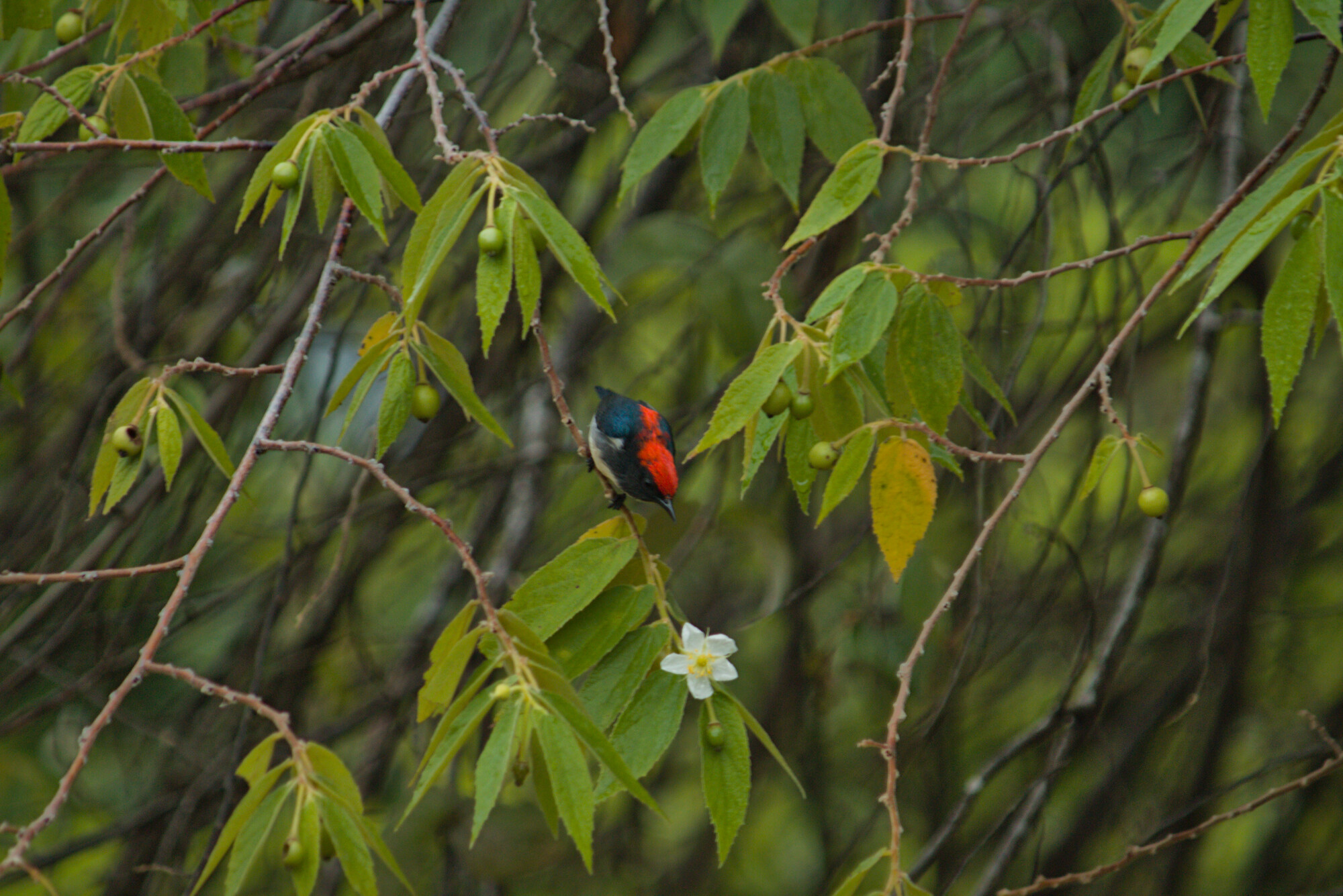
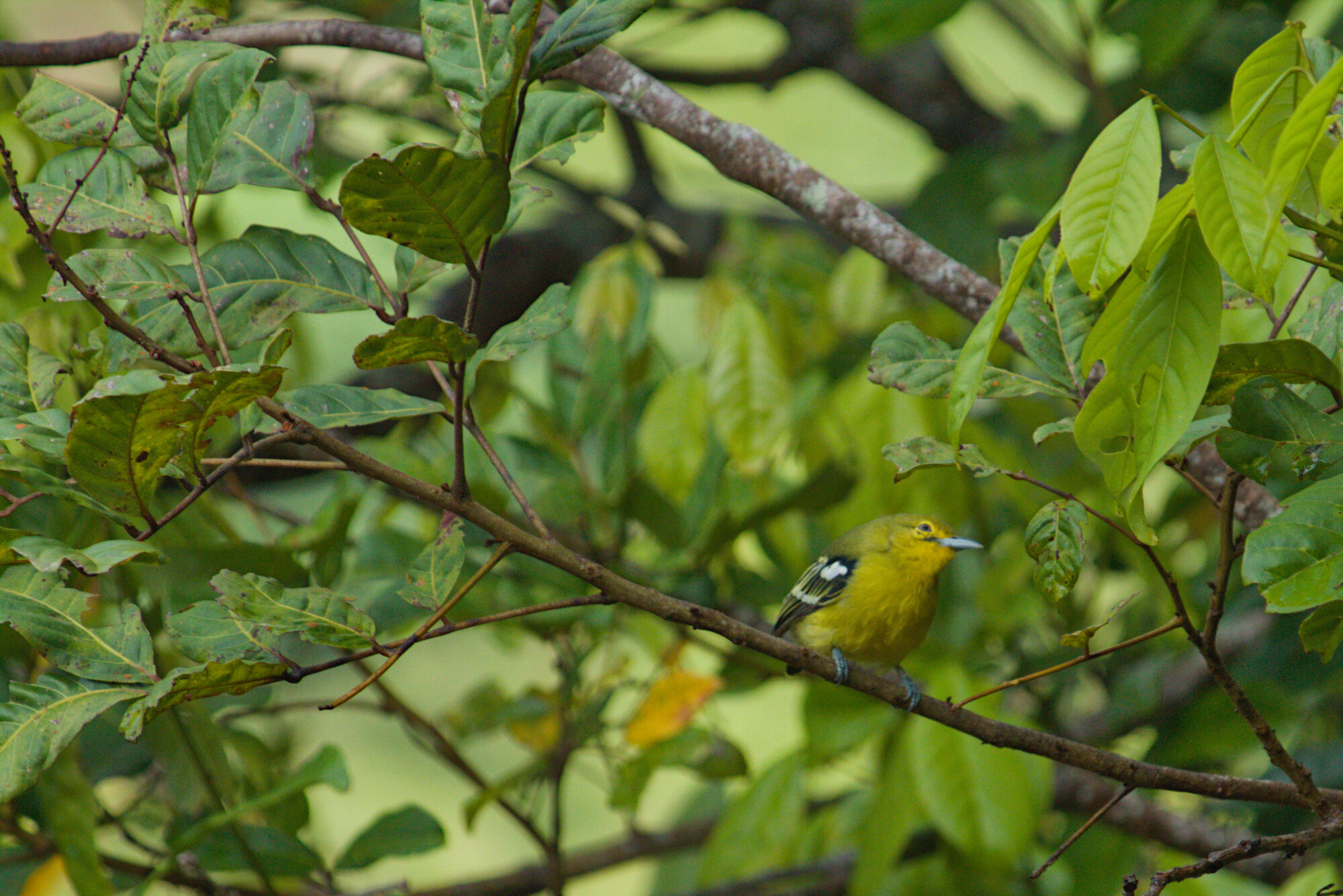
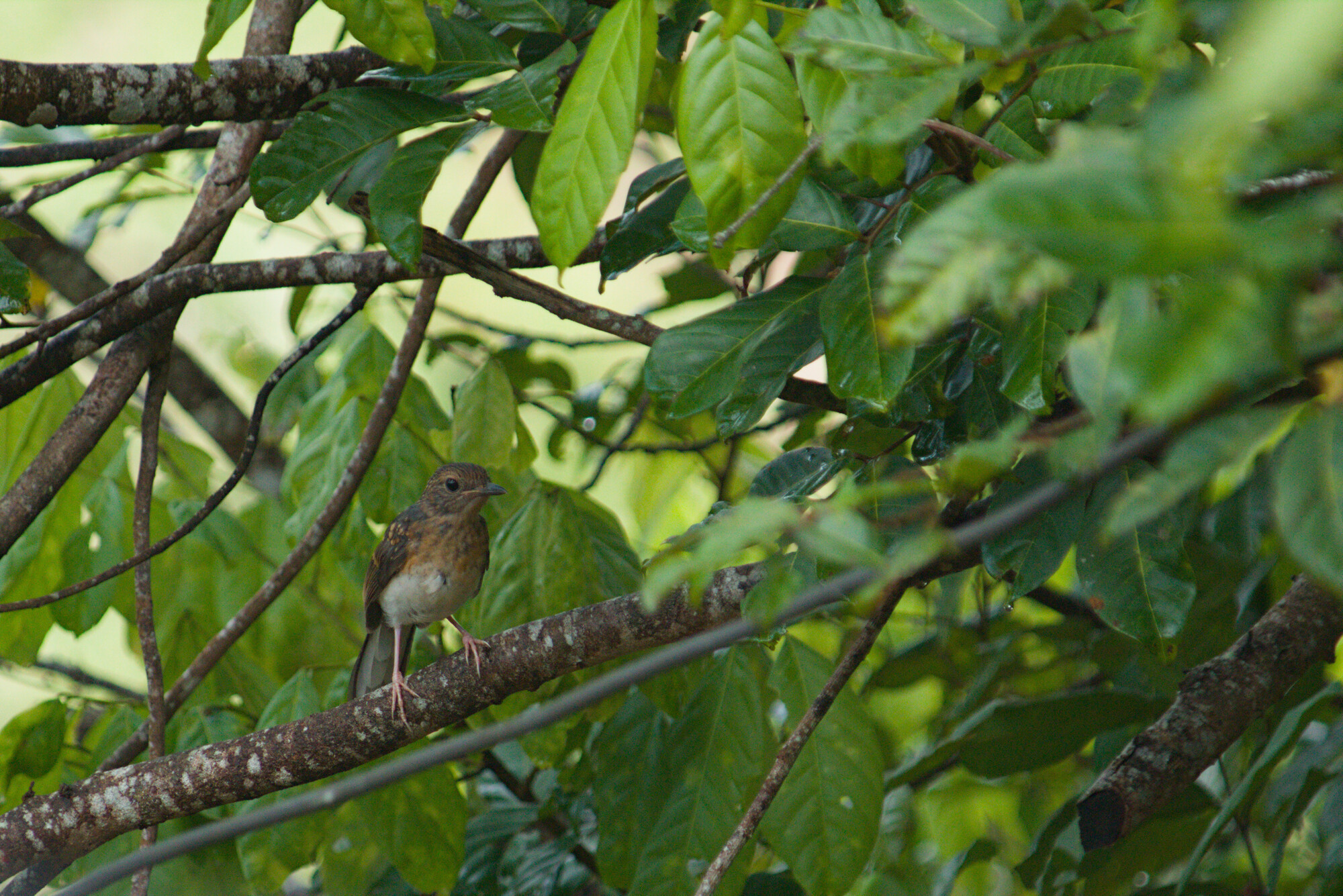
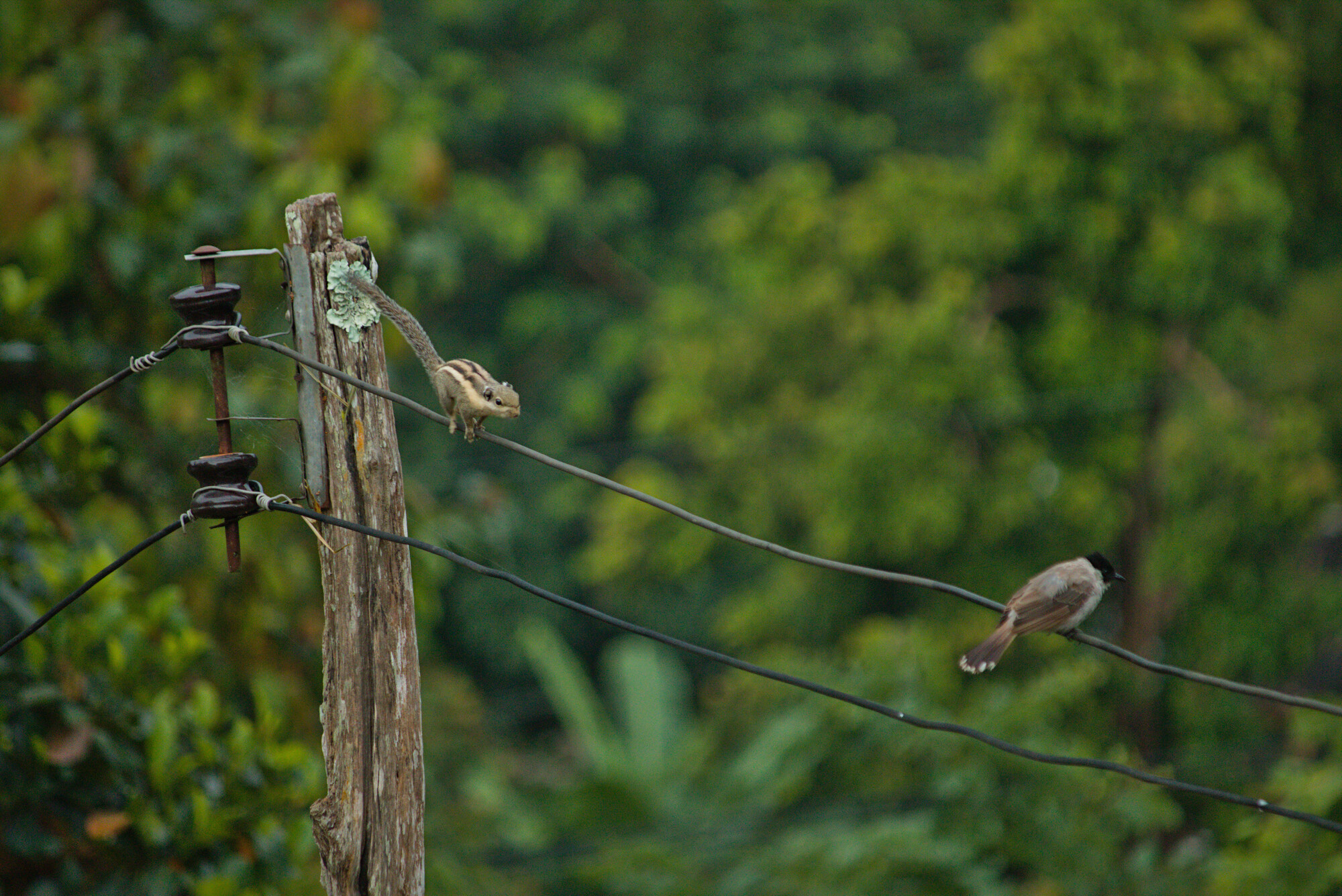
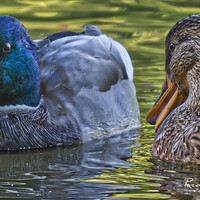
My lovely canon 70D with an EF-S 50-250mm IS and my lack of experience with bird photography, went on a trip together to Northern Thailand and here are a few of the less crappy results with a big assistance of the beautiful local fauna.
After struggling a lot trying to improvise ways to compensate my lack of technical abilities to tackle the challenges of all the marvelous opportunities gifted by Nature, a few of the photos made me smile.
Some of the struggles that might be very case specific, but I'd like to share anyway :
- I maxed my ISO at 1600, which I believe was a mistake for the equipment I had and made me lose captures.
- The constant fight between a reasonable shutter speed and the lack light.
- Birds were not very cooperative and didn't listen at all.
- The smaller the birds the less they stand still, this does not make sense for photography and someone needs to change this.
- Totally forgetting about my previous camera settings and wasting what could've been a very nice shot (maybe).
I doubly apologize for wasting your time with both my poor photography and my poor attempt at humor.





9 Comments
" ..... a few of the photos made me smile"
That's so great! And that is what it is really about, isn't it?
It gives me a feeling of joy that you are starting to enjoy this type of photography with these wild subjects.
What country do you live in? Was Northern Thailand halfway around the world for you, or right next door?
Hey Tom, I believe it really is.
It's about a 3h flight, so fortunately I did not have to travel halfway around the world.
I really hope I don't enjoy too much (I did), I can already see myself daydreaming of an upgrade or two to my gear and breaking the bank. Luckily I need to understand the gimmicks better and practice more which will at least give me some time to save up.
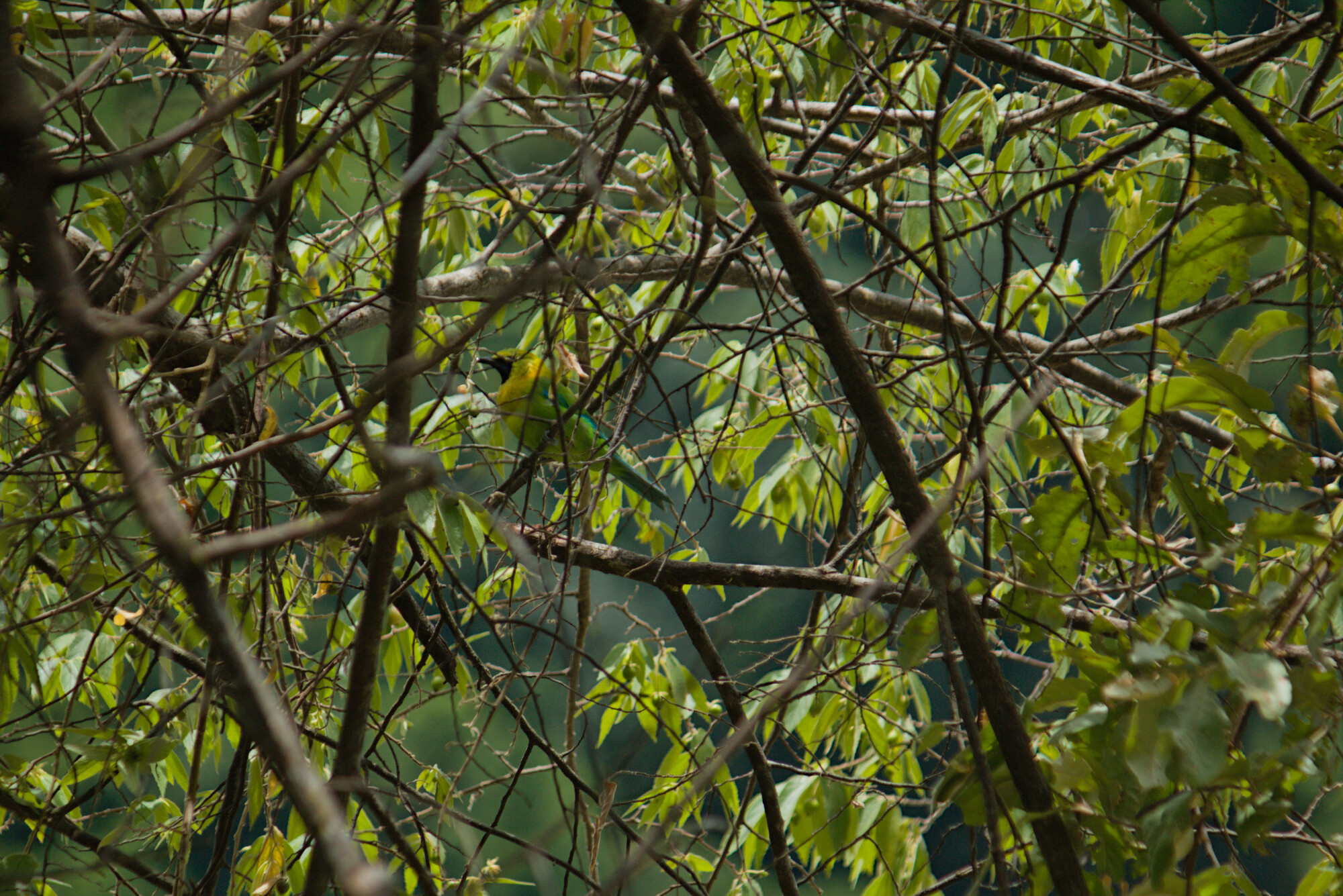
I agree with Tom, there were some good photos...your photo # 6...birds in all the branches...I hate the branches....to me it becomes a problem I always run into taking photos with birds in the trees, usually too many branches, which get in the way of a decent photo. There is an area in Kitsap County, and each year Blue Herron nest, and there are a lot of them, it actually is a pretty cool site, but, the problem that I have are the branches, which will cover up the face, not be in focus and have blurry vision with the bird in focus...branches out of focus on and on...
Keep it up - it becomes addicting! Have fun...
Thank you for your kind words, Don!
That's a great capture of the herons!
Branches are indeed a headache but hard to avoid in most situations! Some of the times I had to blind manual focus on what I believe to be the bird and lost some of the captures because of that, I guess with experience it becomes more intuitive.
Jose,
Bird photography is most often based on compromises.
Trying to get the most reach / focal length and with that comes more motion blur from holding the camera and lens and often smaller lens aperture’s. Couple that with low light and a subject that does not want to sit still for too long, especially smaller birds.
All of this and much more makes bird photography a challenging genre, and often a very rewarding one.
You are off to a good start. Keep at it, it improves over time. And keep in mind that with modern software you can often recover a noisy photo, but nothing can be done with a blurry photo. Push the ISO in order to increase shutter speed to hopefully get more keepers. And above all, have fun!
Thank you, Deon.
It is indeed a challenging genre, which in turn gives exponential satisfaction when it comes out right.
I will heed to the advice of pushing up the ISO, at the time I didn't think about dealing with noise reduction in post. That's a good advice that I will keep in mind, thanks!
Jose,
Most of the great bird photos you see were made with the photographer having some type of "cheat code". By this I mean that most of us who obsess about bird photography don't just go out into nature and look for birds and try to get close to them. That is almost never going to result in good photos.
What many of us do is to identify areas that the birds are "stuck" to. Nests, food sources, a small area of open water when all the other water for miles around is covered with heavy ice. A manmade feeding station. A carcass that raptors feed on. The place where the local butcher shop dumps their meat scraps, which draws in Ravens, Magpies, Crows, Eagles, etc. A dedicated patch of breeding ground called a "lek".
Once you find a place that birds can not resist, then you can go to that one place over and over and over again, set up blinds, get in while it is still pitch black, well before sunup, and wait in hiding for a couple hours until it gets light. Set up a ladder near a nest in a tree for a better angle, then spend a few hours standing on that ladder waiting for the birds to come to the nest, or to come out of it.
Or if you are photographing in the birds' courtship season, you can get a speaker and play bird calls, which the birds will come to investigate, and then you can pretty much control what branch or twig they will land on, which means you can manipulate the background behind that branch to be free of distractions.
The more things you can control, the better your bird photos will be. Just going out into nature and looking for birds, well, that doesn't really give you much control over where they are, what the backgrounds are like, what direction the light is coming from, what direction they will be facing, etc.
Once you get some places that the birds are "stuck to", and learn how to conceal yourself and wait patiently for a few hours, you will be amazed at just how close the birds will be to you and your camera, and you will be able to get the shots to be as perfect as you want.
either way you go out to get your bird photos, what works for you can be good. I agree with Tom, once you get out and set your circut run, you will learn the birds timing, when they feed, when they hang out waiting or whatever...there have times where I stumbled upon eagles being attacked by seagulls, fighting over food...
It is addicting, and it is fun.
Thank you, Tom and Don, for the insight into how much work, patience and determination is needed for bird photography.
I do feel it's one of the genres in photography where each individual needs to learn from others but also create their own way and understand how they like to do it. At the end of the day, we take the captures and the experience home.