
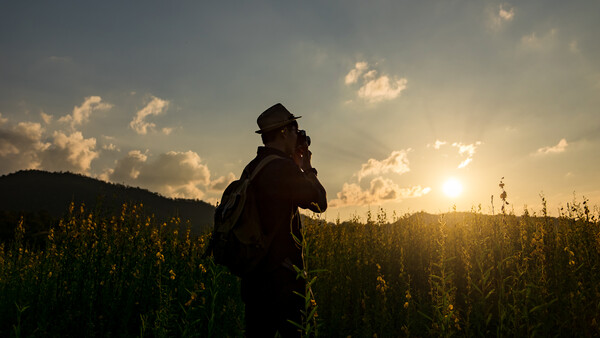
When landscape photographers discuss their most important equipment, the conversation typically revolves around lenses, filters, and camera bodies. However, the gear that often determines whether you'll capture that perfect shot has nothing to do with megapixels or aperture settings. Success in outdoor photography depends heavily on practical preparation and survival-oriented thinking that keeps you safe, comfortable, and ready to work when nature delivers its most spectacular moments.
Medical Disclaimer: This article is for informational purposes only and is not intended as medical advice. Consult with healthcare professionals regarding first aid training, medication needs, and health considerations for outdoor activities. Always inform someone of your planned location and expected return time when photographing in remote areas.
1. High-Capacity Portable Battery Pack
Modern smartphones serve multiple critical functions beyond social media. They're navigation systems, weather-monitoring devices, emergency communication tools, and your primary link to safety in isolated areas. Battery depletion in remote wilderness can transform a photography expedition into a dangerous situation requiring rescue.
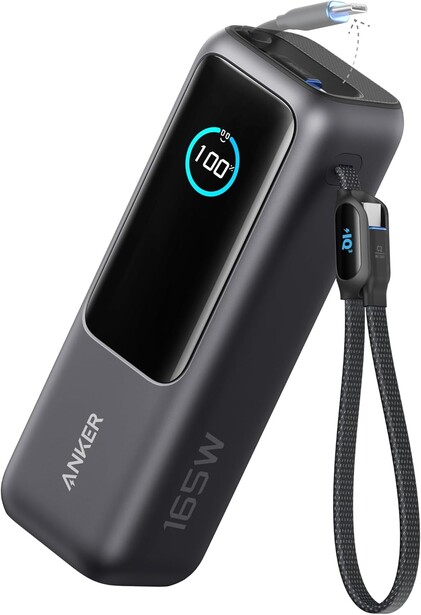
Choose a robust battery bank with at least 20,000mAh capacity, capable of multiple device charges. Models featuring several USB outputs allow simultaneous charging of various electronics. While solar-powered versions exist for extended backcountry adventures, they should be considered supplementary rather than primary power sources due to their limited efficiency. Anker is a well-known and trusted brand.
2. High-Quality Hiking Footwear
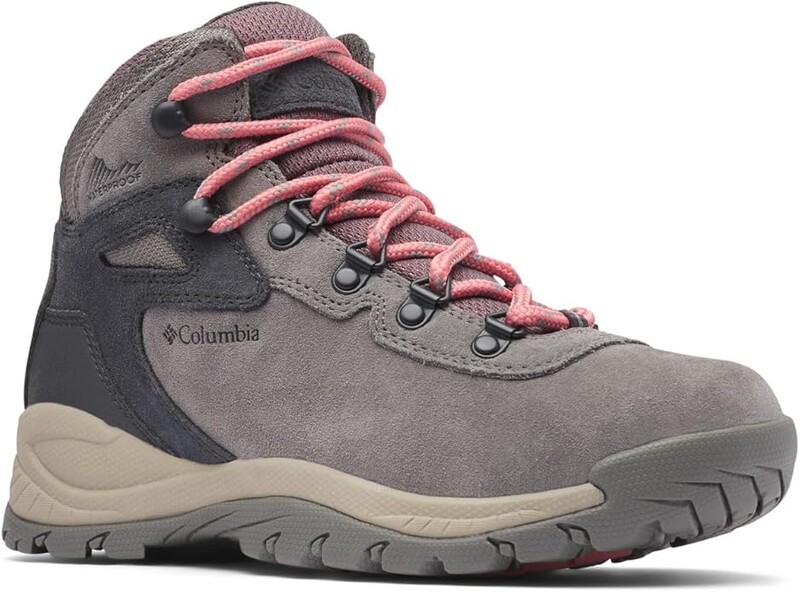
Landscape photography demands extensive walking across challenging terrain. Hours spent traversing rocky surfaces, crossing streams, and maintaining stability on irregular ground while waiting for optimal lighting conditions require proper foot protection. Inadequate footwear results in injuries, discomfort, and reduced mobility when pursuing dynamic shooting opportunities.
3. UV Protection Gear
Outdoor photographers encounter ultraviolet radiation levels that exceed typical daily exposure. High-elevation locations amplify UV intensity, while reflective surfaces like snow, water, and sand redirect additional harmful rays toward your skin. Severe sunburn can terminate multi-day photography projects and cause lasting dermatological damage.

4. Lightweight Seating Solution
Outstanding landscape photography requires tremendous patience, and sustained comfort enables extended creative focus. Whether enduring three-hour sunrise vigils or executing lengthy exposure sequences, standing continuously will drain energy and diminish artistic concentration. Portable seating transforms endurance challenges into productive creative sessions.
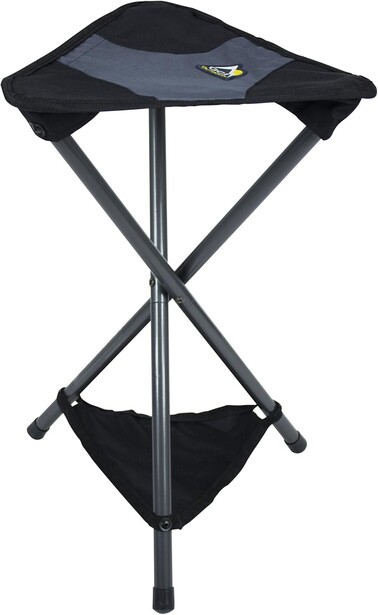
Compact camping chairs or specialized stools pack efficiently while delivering vital comfort during extended shoots. Certain models incorporate storage compartments for accessories and beverage holders for early morning coffee sessions. Your physical comfort directly impacts creative output and shooting duration.
5. First Aid Kit
Remote wilderness locations and medical emergencies create dangerous combinations. Landscape photographers routinely navigate unstable terrain, jagged surfaces, thorny vegetation, and volatile weather patterns. Minor injuries that would be trivial in urban settings become serious complications when professional medical assistance is hours away.
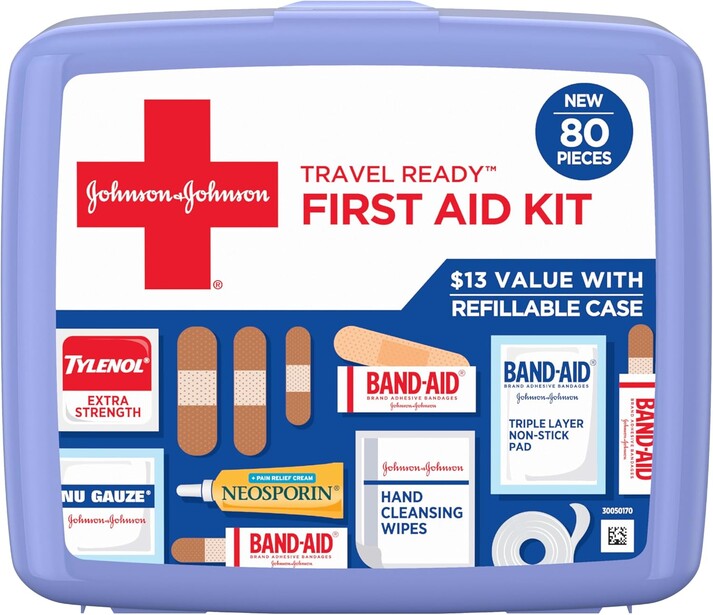
Assemble a thorough first aid kit containing bandages, antiseptic solutions, pain management medication, blister prevention supplies, and personal prescriptions. Include emergency signaling devices like whistles, thermal blankets, and wound treatment essentials. Familiarize yourself with proper usage—equipment provides no benefit without corresponding knowledge.
6. Two-Way Satellite Communication Device
Cellular coverage doesn't extend to most locations where landscape photographers create their finest work. When working alone in isolated territories, satellite communication devices become essential lifelines to emergency services and concerned family members. Contemporary units like Garmin's inReach series offer bidirectional messaging, GPS monitoring, and global SOS capabilities.
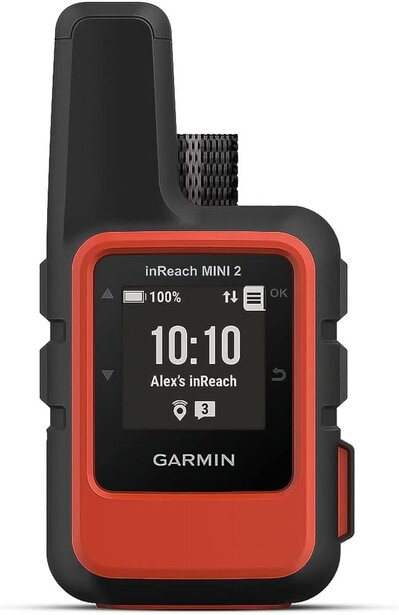
These tools can activate search and rescue operations, transmit location data to relatives, and deliver weather updates when traditional communication fails. Monthly service fees represent minimal expenses compared to the security and safety benefits provided. Many devices integrate seamlessly with smartphones for simplified messaging and navigation.
7. Nutrition and Hydration Supplies
Sharp creative thinking demands proper nutritional support, and landscape photography activities consume more energy than anticipated. Extended hiking, pre-dawn starts, and cold weather exposure all elevate metabolic requirements. Dehydration and insufficient caloric intake impair concentration and contribute to dangerous decision-making in potentially hazardous environments.
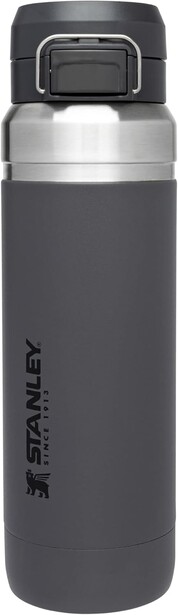
Carry high-energy, shelf-stable foods including nuts, energy bars, and dehydrated fruits. Transport more water than initial estimates suggest, with additional reserves for longer expeditions. Water purification tablets or portable filtration systems extend operational range in areas with natural water sources.
8. Vehicle Emergency Kit
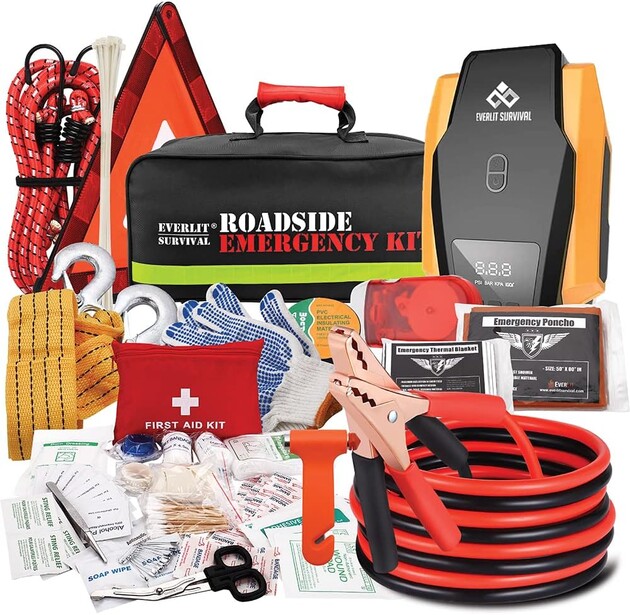
Landscape photographers frequently travel to isolated locations beyond conventional roadside assistance coverage where cellular service remains unavailable. Mechanical failures that would represent minor inconveniences in populated areas become serious concerns when stranded on remote access roads after dark. Well-equipped vehicle emergency kits can facilitate safe returns or provide comfort until assistance arrives.
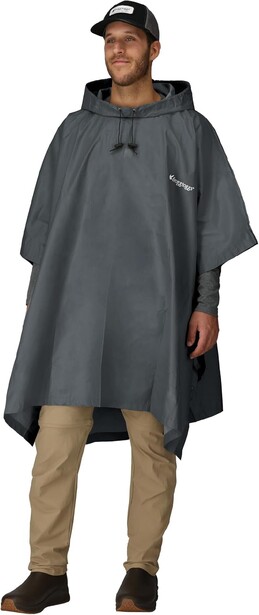
9. Weather Protection Outerwear
Meteorological conditions don't accommodate photography schedules, and frequently the most dramatic landscape images emerge during storm systems. Quality rain protection allows continued shooting when others seek shelter, often during conditions that produce the most compelling imagery. Waterlogged photographers make poor judgments and miss exceptional opportunities.
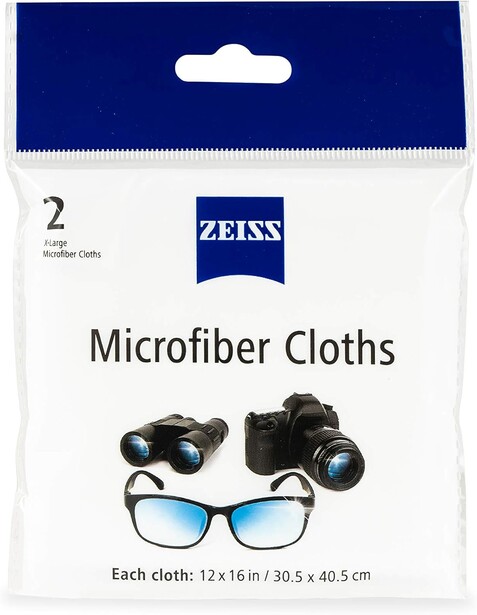
10. Quick-Dry Cleaning Cloths
Moisture and particulate matter pose constant threats to landscape photography equipment. Microfiber cloths rapidly dry gear, clean optical surfaces without scratching, and compress to minimal storage space. They're indispensable when working near waterfalls, in dusty environments, or during rapidly changing weather patterns.
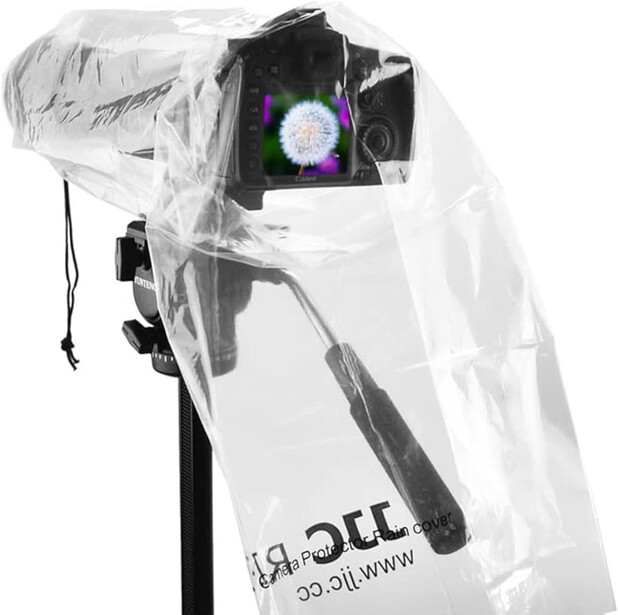
11. Emergency Equipment Covers
Professional camera rain protection systems provide comprehensive coverage but occupy considerable space. Disposable plastic covers cost minimal amounts and pack smaller than lens caps. When unexpected precipitation threatens expensive equipment, basic protection surpasses no protection. They also serve during dusty conditions, coastal shooting, or any environment requiring rudimentary gear shielding.
12. Hand Warmers
Cold temperatures complicate camera operation and rapidly deplete physical energy and creative stamina. Chemical and battery-powered hand warmers deliver hours of heat generation and prove essential for maintaining finger dexterity during winter photography sessions. They can also warm camera batteries, which lose capacity quickly in freezing conditions.
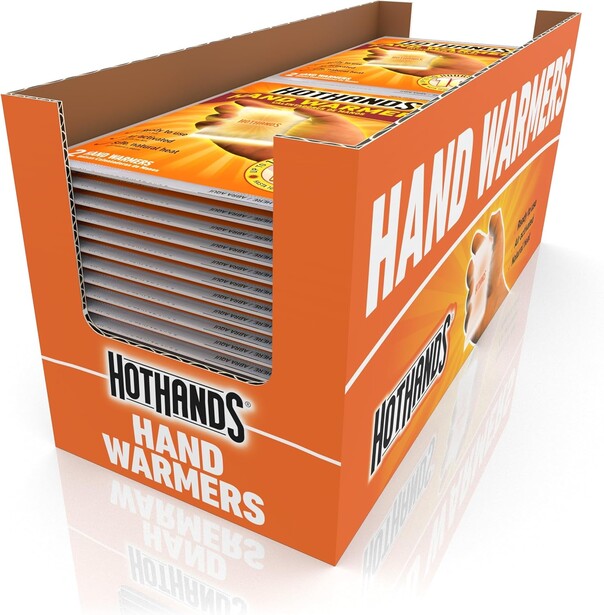
Store hand warmers in pockets and rotate usage as required. Foot warmers become crucial during extended winter shoots involving prolonged standing in snow or on frozen surfaces. Some photographers use them for overnight battery warming or preventing lens condensation when transitioning between temperature extremes. They represent inexpensive insurance against cold-related operational problems.
13. Reliable Illumination Tools
Landscape photographers operate in darkness more frequently than most people recognize. Pre-sunrise hikes to shooting locations, post-sunset equipment organization, and nighttime camp navigation all demand dependable lighting sources. Smartphone flashlights drain batteries rapidly and provide limited illumination range. Dedicated lighting equipment maintains safety and functionality during low-visibility conditions.
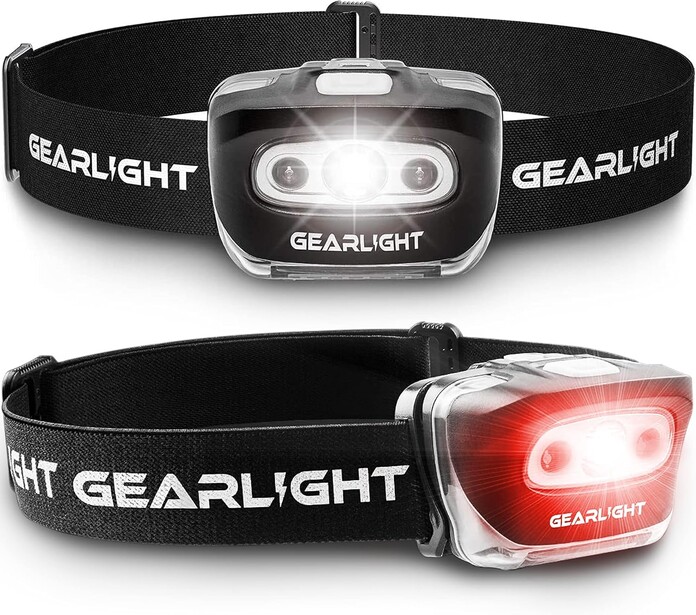
Headlamps prove superior to handheld alternatives because they liberate hands for camera operation and hiking activities. Select models featuring red-light options for night vision preservation, variable brightness controls, and extended battery performance. Always carry spare batteries or backup lighting, as redundancy becomes critical for safety-related equipment.
14. Compact Multi-Function Tool
Landscape photography involves more equipment maintenance and problem resolution than controlled studio environments. Loose tripod connections, jammed filters, gear adjustments, and unexpected repairs all require appropriate tools. Quality multi-tools provide numerous functions within compact packages.
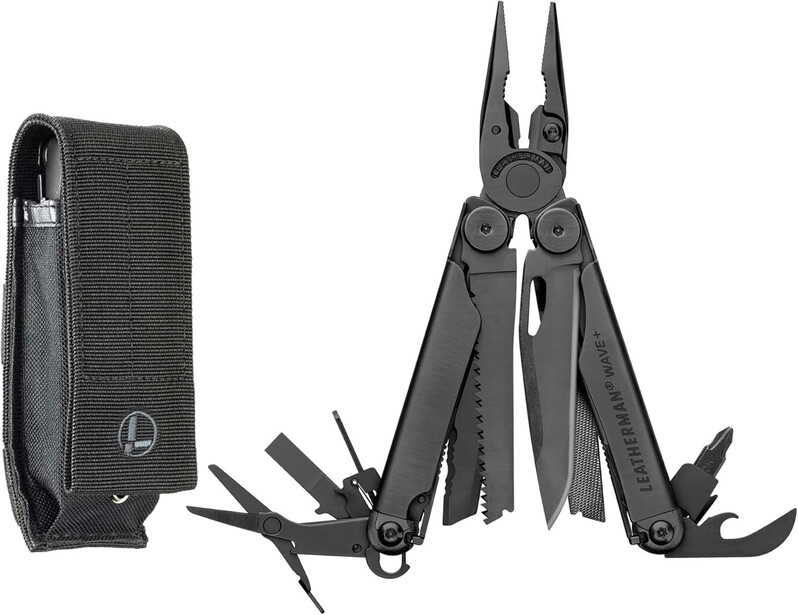
Essential capabilities include various screwdriver attachments, pliers, cutting blade, scissors, and can opener. Certain models incorporate photography-specific tools like hex keys for tripod maintenance. Multi-tools also handle non-photography tasks including food preparation, equipment modifications, and emergency vehicle or camping gear repairs.
15. Emergency Currency
Electronic payment systems don't operate in remote mountain communities, and ATMs fail more frequently than expected. Emergency cash covers unforeseen expenses including vehicle recovery, urgent supplies, or rural lodging when electronic transactions become impossible. It also proves useful for park entrance fees, rural fuel stations, and gratuities for local guides or assistance.
Maintain currency in small denominations for maximum versatility. Store money in waterproof containers separate from regular wallets to prevent total loss if primary storage is damaged or misplaced. Some photographers distribute cash across multiple locations as backup emergency reserves. During crisis situations, physical currency functions when electronic systems fail.
The Foundation of Exceptional Landscape Photography
These items won't enhance your compositional skills or deepen your understanding of natural lighting, but they'll maintain your presence in challenging environments long enough to develop those abilities through direct experience. Landscape photographers who consistently capture outstanding images aren't merely technically proficient. They're individuals who remain comfortable, secure, and prepared sufficiently long to witness and document nature's most extraordinary moments.
Your camera records light, but these essentials capture opportunities. The photographer with comprehensive preparation focuses on creative expression rather than basic survival.
Exceptional landscape photography extends beyond discovering beautiful locations; it requires thorough preparation to work effectively upon arrival. Invest in your capacity to remain operational in challenging field conditions, and those environments will reward you with images that less-prepared photographers never capture.
And if you really want to dive into landscape photography, check out our latest tutorial, "Photographing the World: Japan II - Discovering Hidden Gems with Elia Locardi!”


Join the Fstoppers community for free
-
Post comments and join in the discussions
-
Browse the site ad-free
-
Share your work and get featured in the community
-
Compete in the photo contests for fun and prizes
4 Comments
" Anker is a well-known and trusted brand."
Alex, you are aware of the recalls, right?
I think that proper protection from ticks and mosquitoes should feature in this list. Clothing treated with permethrin and an icaridin (AKA picaridin)-based repellent. For those who are unaware, DEET-based repellents will eat away at synthetic material such as rubber grips and lens coatings whereas icaridin does not.
I always carry a pair of liner gloves with me. They come in handy on chilly mornings, especially when your hands come into contact with something metal.
If you are out in the wilderness with nobody else about, I suggest a Byrna for self defence - if want to keep your equipment and yourself. Non-lethal and you can walk away.