A lot of your best landscape work depends less on dramatic light and more on whether you show up when the weather looks boring. This video is about building that habit, then using simple choices to turn gray conditions into frames you actually want to keep.
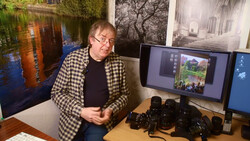
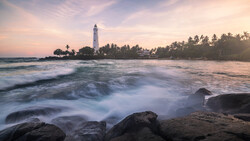
Coming to you from Jason Friend Photography, this grounded video starts on a bleak, overcast shoreline and treats that as the point, not the problem. Friend talks through why waiting for “perfect” conditions trains you to rely on luck instead of skill. You hear the familiar trap: the day looks dull, so you stay home and do everything except shoot. Then, when you finally go out and the light is not what you pictured, you feel like the trip failed before it started. He pushes the opposite approach: get out anyway, then adjust what you shoot so the conditions help instead of hurt.
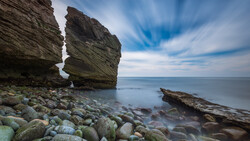
Friend shows how that plays out in real time with a long exposure setup that is more about restraint than gear. He narrows the scene down to a simple shape in the distance and commits to a tight square composition, instead of forcing a wide vista that the sky cannot support. He also sets the camera preview to black and white while still shooting raw, which can quiet down indecision when color is doing nothing. A stable tripod becomes the tool that makes the weather usable, not exciting. The specifics of his settings are part of the lesson, but the bigger point is how quickly you can move from “this is pointless” to “this might work” once you stop insisting on the scene you wanted.
After that first frame, the video shifts toward a second way to win on bad days: go smaller. Friend climbs down toward the beach and starts hunting for detail instead of drama, looking for patterns and channels in the rocks that overcast light renders evenly. He mounts a macro lens and builds a close-up composition that he says he would normally ignore, which is exactly why it matters.
The mindset section lands hardest when he talks about the downside of forcing yourself out: if you come back with nothing you like, it is easy to spiral into “I’m getting worse,” then stop going out again. His workaround is simple and specific: decide what the day is good for, then aim to leave with one frame you respect. On gray days, that might mean keeping the sky out of the composition, simplifying the scene, and leaning on texture, tone, and motion instead of color. He also shares a small exposure choice and a depth-of-field decision that some people will argue with, but he frames it as a deliberate trade, not a rule. The video keeps moving between the shots and the thinking, so you are not stuck in theory while the tide and light change. Check out the video above for the full rundown from Friend.
And if you really want to dive into landscape photography, check out our latest tutorial, "Photographing the World: Japan II - Discovering Hidden Gems with Elia Locardi!”

Join the Fstoppers community for free
-
Post comments and join in the discussions
-
Browse the site ad-free
-
Share your work and get featured in the community
-
Compete in the photo contests for fun and prizes
1 Comment
Ah! A subject I am very familiar with.
First if one knows about fall colors photography is that cloudy is the best due to no shining sun glare off leaves and color is most perfect. What i am saying is get out there on cloudy days.
Next the f/20 most will say over and over that most any capture above f/11 will start to blur more and more the further you go, It is in most reviews of lenses. But go for it because software is there to help.
As far as getting out there to play it is like Astro Milky Way capture, you can look at all your apps and it is not till you stand and look do you know for sure and even then if cloudy night and waiting for the clouds to float away you will see other things.
1. while driving home I went over a bridge and saw this and stopped to capture. you will find most all fall leafing photos will not have a sky included but with zebras on you lower them and yes a dimmer image but you get more detail in the above clouds and you can brighten the foreground.
2. There is sharpness at f/22 back when I thought there was greater sharpness at a higher f stop I set the camera to max and I also was doing Bracketing 5 at +/- 2EV for a smaller sun as it rose above the horizon for a large sun just blows out the clouds. In post i saw the figure of a pirate with a knife in his mouth, this detail appeared to be below my boot prints that looked like I was stepping on air above him, I did not see the pirate in the sand while capturing. So maybe more detail at higher f/#.
3. This where you never know till there, I would bicycle from a campground to this beach only like 10 minutes but tall trees blocked the sky till i got there. It was the year towns/cities went LED lighting vs orange vaper lighting. with low floating clouds they were like studio lights lighting up the beach and some how putting a spotlight on the driftwood Menorah tree. the clouds were to float away in an hour but capturing any and all in the brightness from above made for a better night.
4. Another night waiting for the spirit in the sky to show its self.
The point like the author is that you have to be there even unknowing what may appear.